




UCLG ASPAC Committees
21st Century Maritime Cooperation Committee
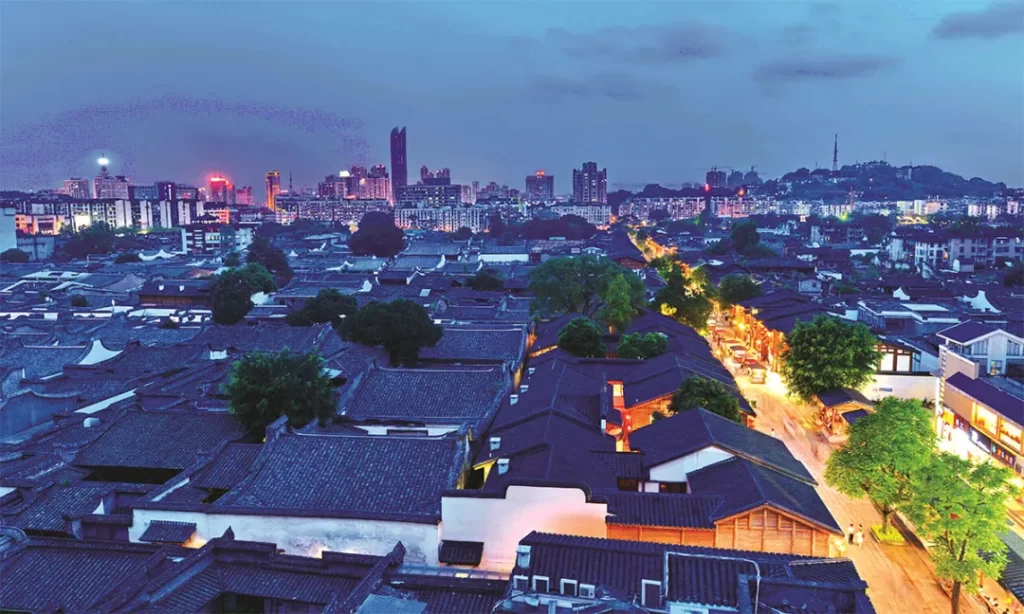
Channel Hub:
I. INTRODUCTION
21st-Century Maritime Cooperation Committee (hereinafter referred to as the Committee) is a committee of United Cities and Local Governments Asia-Pacific (UCLG ASPAC), jointly initiated by the Chinese People’s Association for Friendship with Foreign Countries (CPAFFC) and the Fuzhou Municipal People’s Government.
It was established after approval in April 2017 at the UCLG ASPAC Executive Bureau Meeting held in Catbalogan, the Philippines. It is a non-profit international organisation composed of the members of UCLG and other cities and organisations that accept the Charter of the Committee. The site and the secretariat of the Committee shall be permanently located in Fuzhou, Fujian, China.
The Committee is set to have two Honorary Presidents served by President of UCLG and President of UCLG ASPAC; two Presidents served by President (or Vice President) of the CPAFFC and Mayor of Fuzhou Municipality; and four Co-Presidents, in principle, served by two representatives of UCLG ASPAC members, one representative of the members from other regions and one mayor of Fuzhou’s international sister cities. At the First General Assembly of the Committee held in May 2018, the Charter of the Committee was approved unanimously. The Presidents, the Co-Presidents and the Secretary General of the Committee were announced and granted approval. Twelve advisers were appointed, the list of the founding members was announced and Fuzhou Declaration was also adopted.
Since its establishment, 56 cities and organisations of 26 countries from 5 continents have joined the Committee.
II. MISSION
1. Build a Platform
Based on UCLG ASPAC, the Committee will work with the coastal cities and local governments in Asia-Pacific and the world at large to jointly build the 21st-Century Maritime Cooperation Center, to set up the effective dialogue and linkage mechanism, to serve as an important platform of Belt and Road for the cities and local governments in Asia-Pacific and the world at large to share ideas and best practices on maritime cooperation, and to help push forward the development of the Core Area of the 21st-Century Maritime Silk Road.
2. Integrate Resources
By integrating resources in Asia-Pacific and the world at large, the Committee will take overall consideration and implement a batch of key projects with the involvement of different parties, so as to promote cooperation in marine science and technology and protection of marine ecosystems, as well as facilitate the construction of the 21st-Century Maritime Silk Road.
3. Promote Exchanges
The Committee will deepen the cooperation among the coastal cities and local governments in Asia-Pacific and the world at large in the fields of marine economy, marine conservation, waterway security, ports, disaster prevention and reduction, focus on industries including marine aquaculture, fishing, aquatic products processing, marine engineering equipment, new energy and renewable energy, desalination of sea water, marine bio-pharmaceutical, environmental protection and maritime tourism, and jointly build the Marine Economy Demonstration Zone, Marine Science and Technology Park, Marina Resort and Marine Professionals Training Center.
4. Offer Advice and Suggestions
The Committee will strengthen studies on the subject of maritime cooperation, and compile and publish reports on selected initiatives, so as to provide the cities and local governments in Asia-Pacific and the world at large with practical suggestions on maritime cooperation and help members enhance the scientific and technological innovation capacity.
The Committee will also encourage cities and organisations of island nations in Asia-Pacific and throughout the world to be involved, and support to develop their capacity and promote their economic development.
More information: secretariat_21CMCC@163.com
21CMCC Article

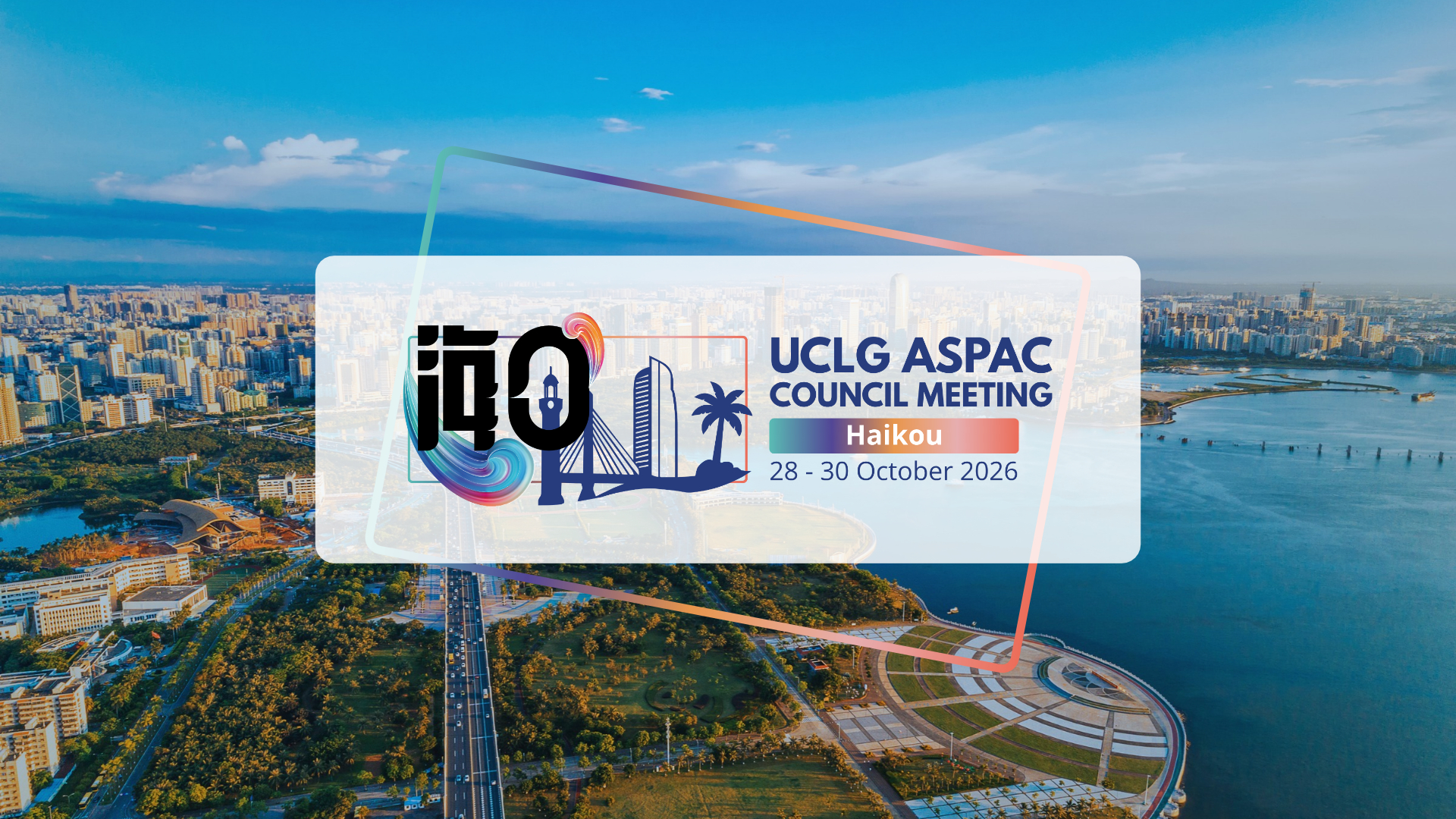
Haikou to Host 2026 UCLG ASPAC Council, Bringing Asia-Pacific Cities Together for a Green, Smart, and Inclusive Future
Cities across Asia-Pacific are facing a period of rapid change. From climate pressures and digital transformation to shifting economic realities, local governments stand at the
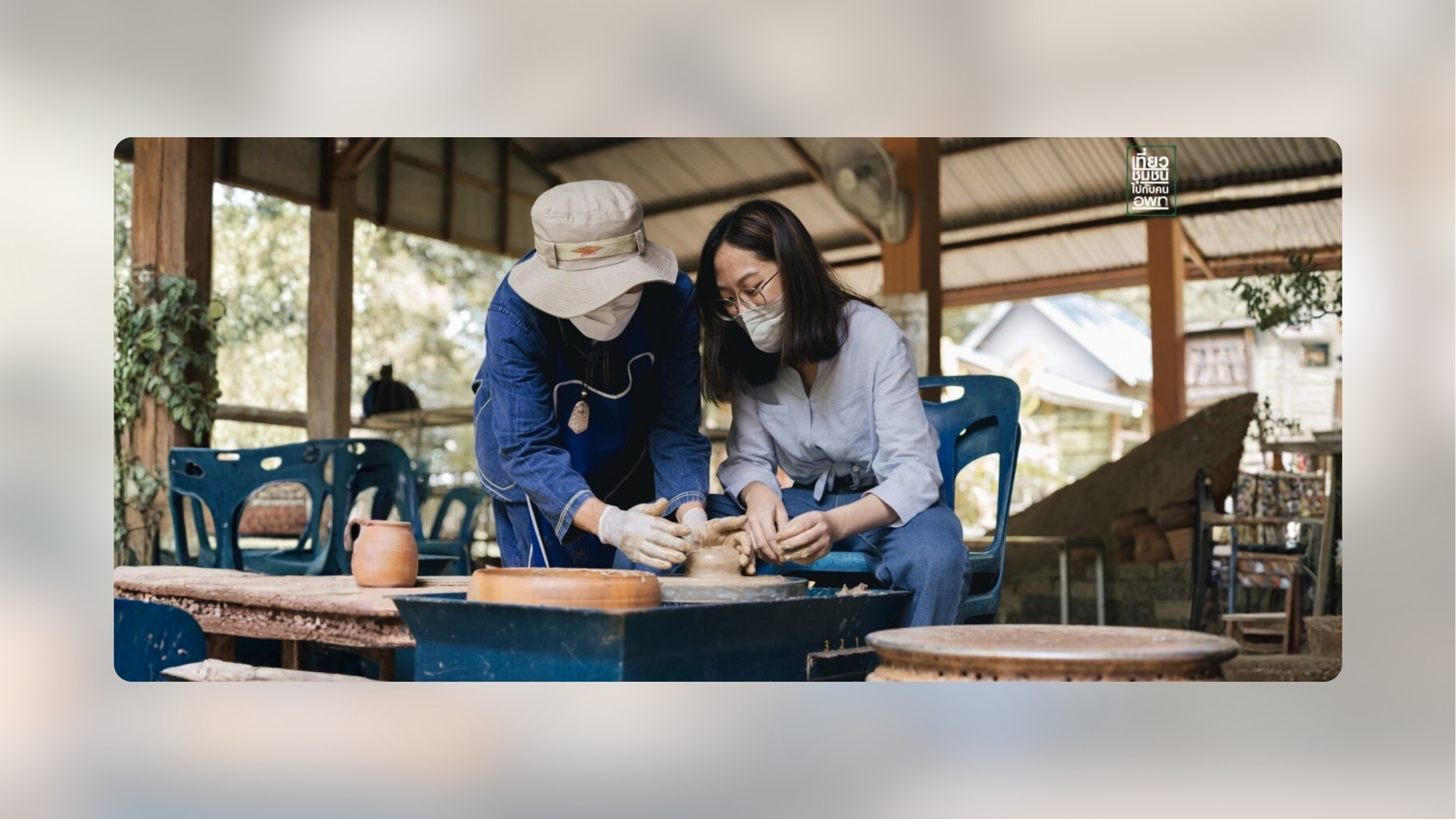
Thailand’s Bo Suak Village: Empowering Community for Sustainable Tourism
Bo Suak Village is located in Nan Province, Thailand. At the heart of Bo Suak is its strong Lanna cultural heritage, characterised by distinctive traditions,
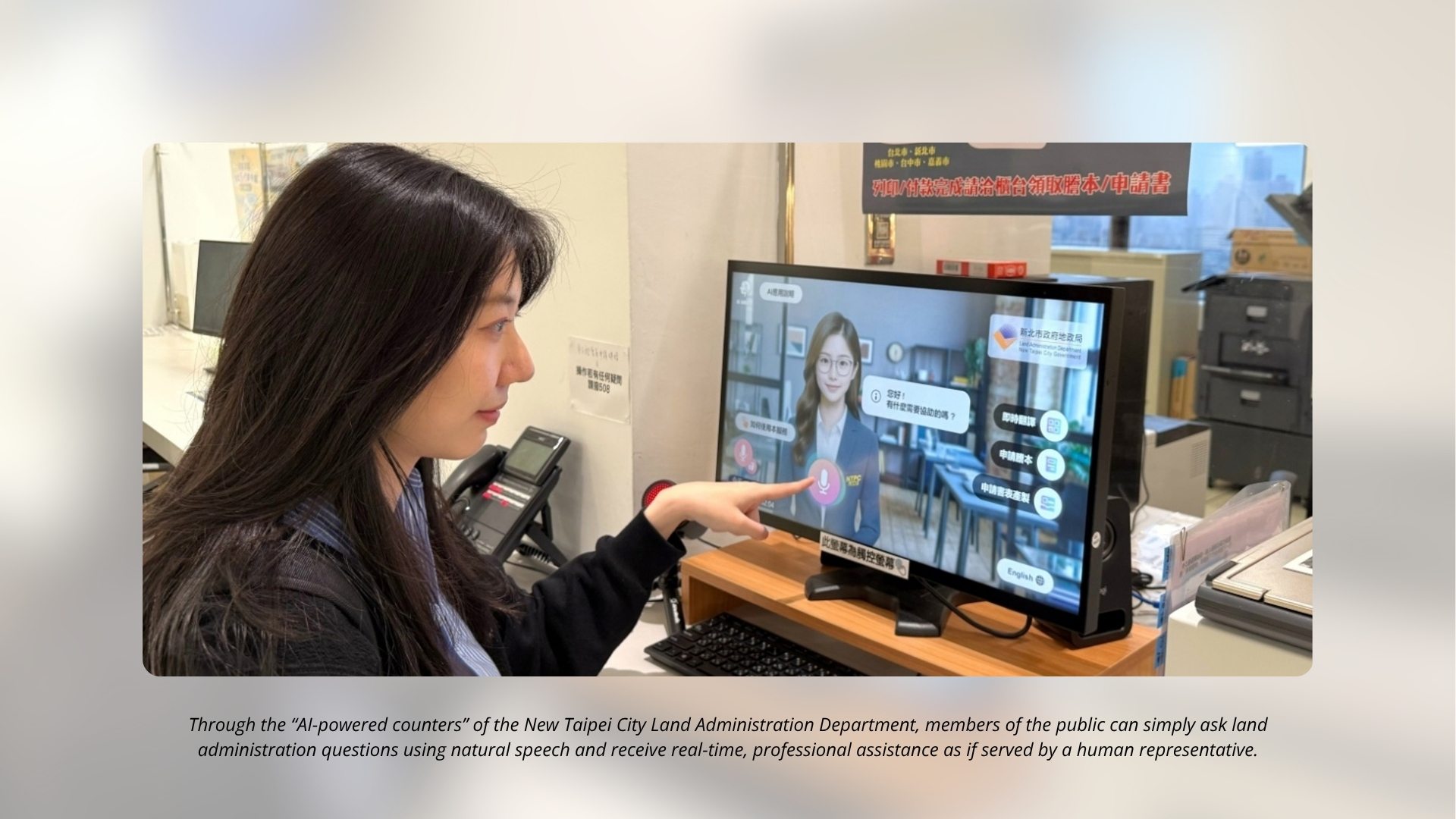
AI-Driven Smart Governance: New Taipei City Explores New Possibilities in Tech Innovation and Urban Services
The rapid development of artificial intelligence (AI) is reshaping the landscape of urban governance and public services. New Taipei City has continued to integrate AI
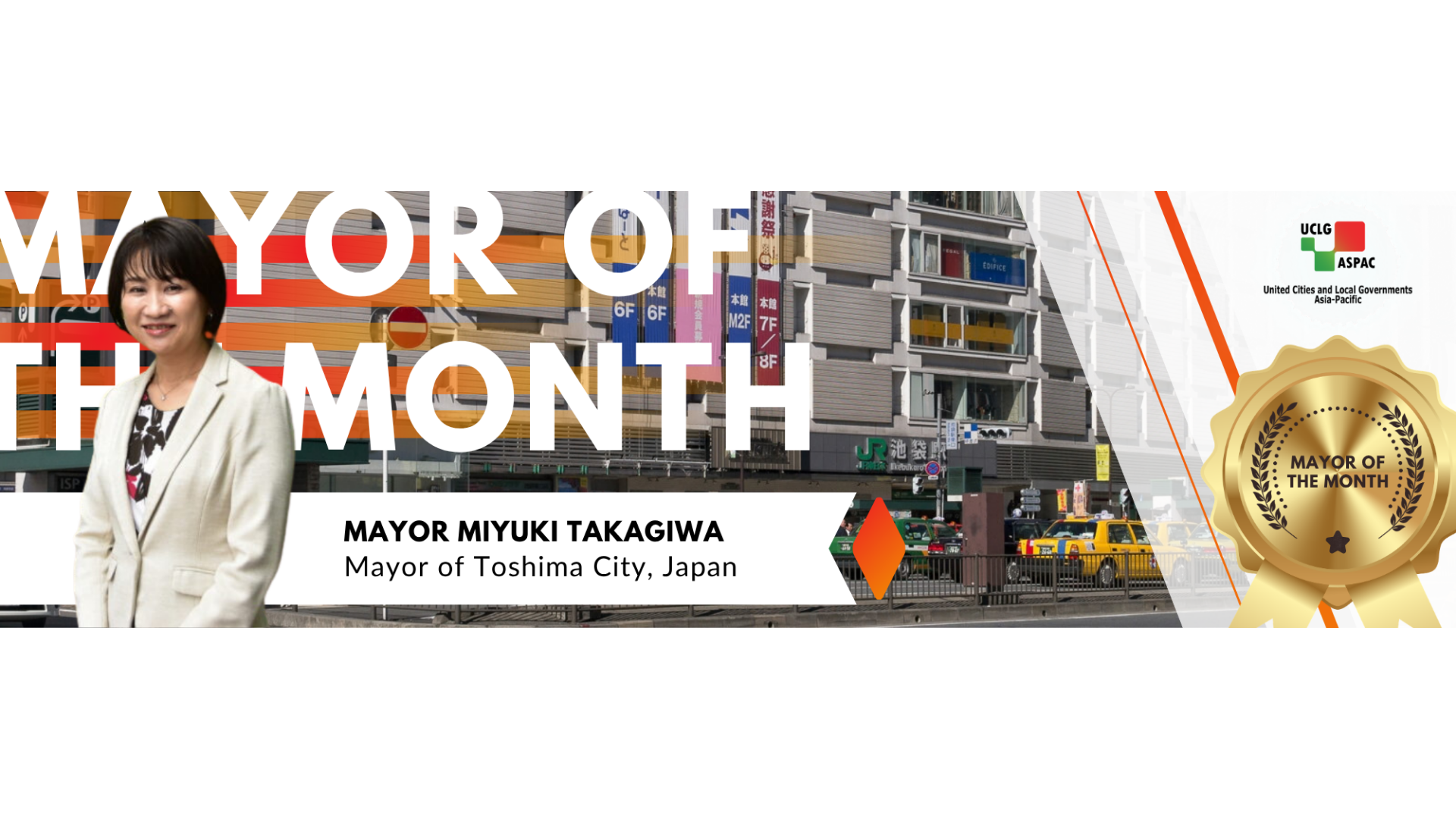
Mayor Miyuki Takagiwa of Toshima City: Child-Rearing Policy, Culture, Environment
TOSHIMA City was once included in the list of “cities at risk of disappearing” announced by the Japan Policy Council in 2014. Today, years after
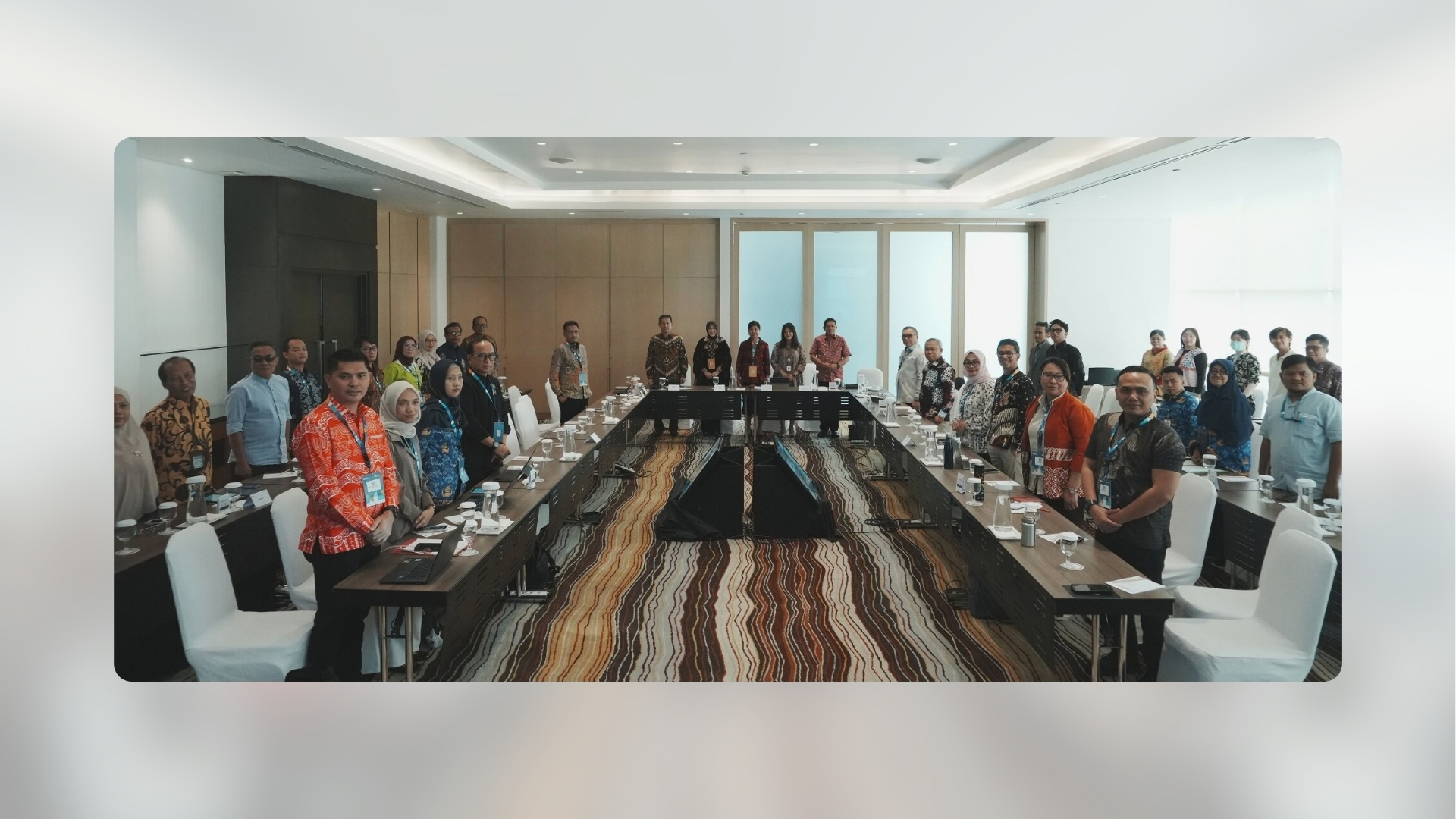
UCLG ASPAC and Ministry of Home Affairs: Ensuring Optimum Benefits for Cities and Local Governments of the Host Country
September 17, 2026 | UCLG ASPAC, in collaboration with the Ministry of Home Affairs of the Republic of Indonesia, convened a Monitoring and Evaluation (M&E)
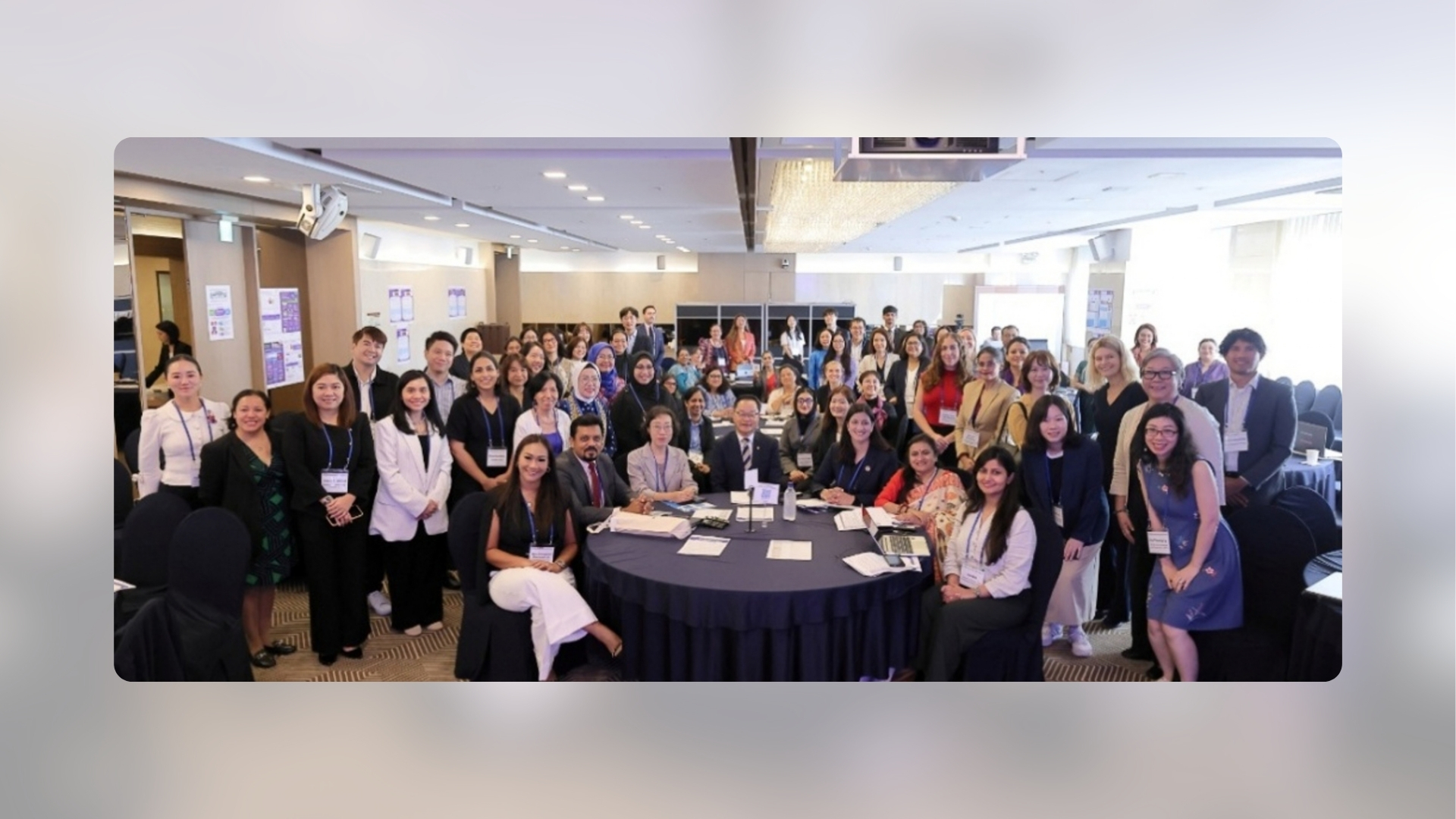
Bringing Local Perspectives to Transforming Care Systems
Women Committee UPDATE UCLG ASPAC Standing Committee on Women in Local Governments (SCWLG) held an online meeting with its members on September 14, 2026 with


Haikou to Host 2026 UCLG ASPAC Council, Bringing Asia-Pacific Cities Together for a Green, Smart, and Inclusive Future
Cities across Asia-Pacific are facing a period of rapid change. From climate pressures and digital transformation to shifting economic realities, local governments stand at the

Thailand’s Bo Suak Village: Empowering Community for Sustainable Tourism
Bo Suak Village is located in Nan Province, Thailand. At the heart of Bo Suak is its strong Lanna cultural heritage, characterised by distinctive traditions,

AI-Driven Smart Governance: New Taipei City Explores New Possibilities in Tech Innovation and Urban Services
The rapid development of artificial intelligence (AI) is reshaping the landscape of urban governance and public services. New Taipei City has continued to integrate AI

Mayor Miyuki Takagiwa of Toshima City: Child-Rearing Policy, Culture, Environment
TOSHIMA City was once included in the list of “cities at risk of disappearing” announced by the Japan Policy Council in 2014. Today, years after

UCLG ASPAC and Ministry of Home Affairs: Ensuring Optimum Benefits for Cities and Local Governments of the Host Country
September 17, 2026 | UCLG ASPAC, in collaboration with the Ministry of Home Affairs of the Republic of Indonesia, convened a Monitoring and Evaluation (M&E)

Bringing Local Perspectives to Transforming Care Systems
Women Committee UPDATE UCLG ASPAC Standing Committee on Women in Local Governments (SCWLG) held an online meeting with its members on September 14, 2026 with