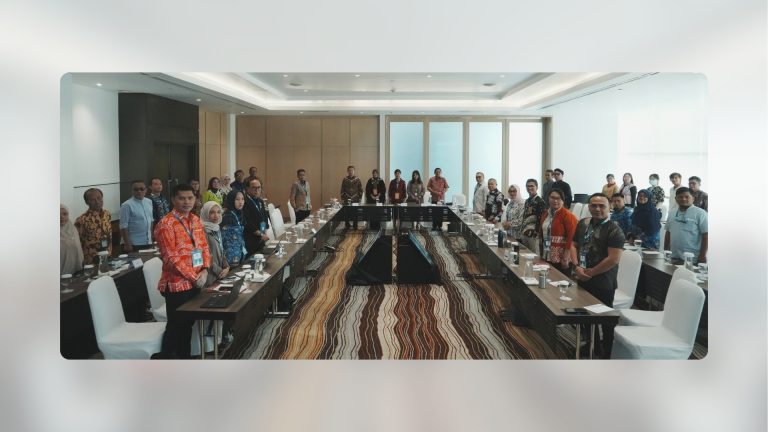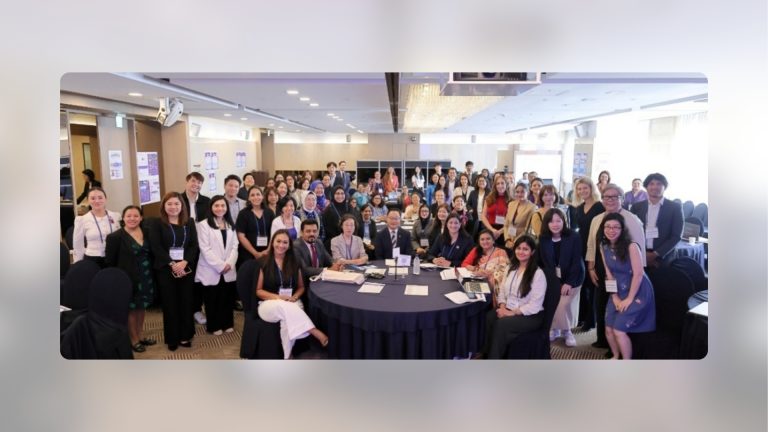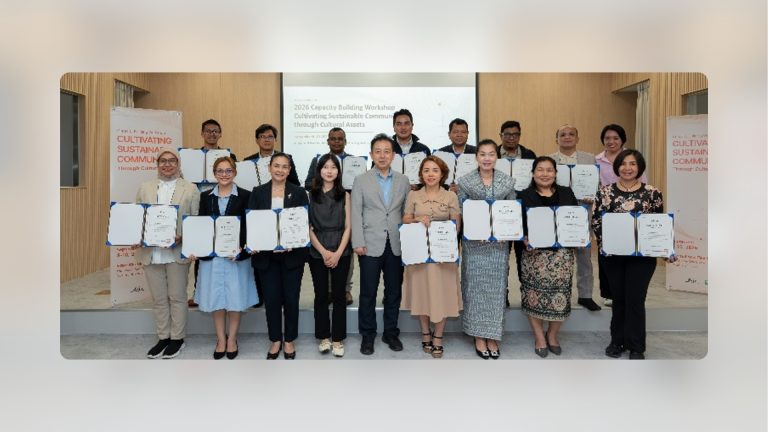




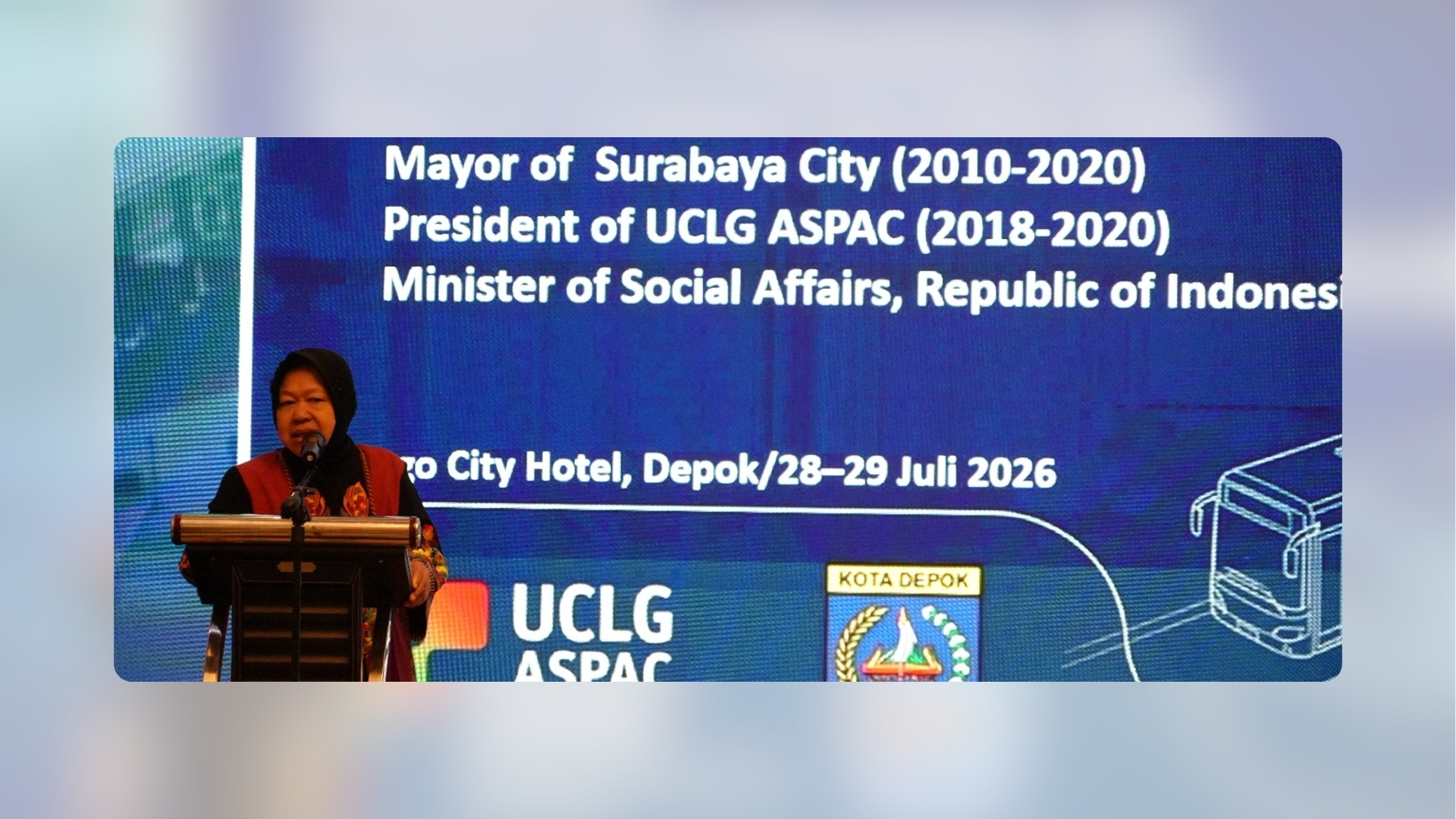
July 28-29, 2026 | UCLG ASPAC, in collaboration with the Government of Depok City, convened a City-to-City Learning and Innovation Lab: Waste Management Practices. The event brought together more than 100 participants, including governors, mayors, senior government officials, environmental practitioners, and development partners, to exchange practical experiences, innovative technologies, and financing approaches to accelerate sustainable waste management and advance the transition towards a circular economy. The event featured insightful remarks from UCLG ASPAC Secretary-General Dr. Bernadia Irawati Tjandradewi and Mayor of Depok Dr. Supian Suri, as well as a keynote address by UCLG ASPAC Ambassador Dr. (H.C.) Tri Rismaharini.
Policy, Governance, and Practical Solutions from Cities
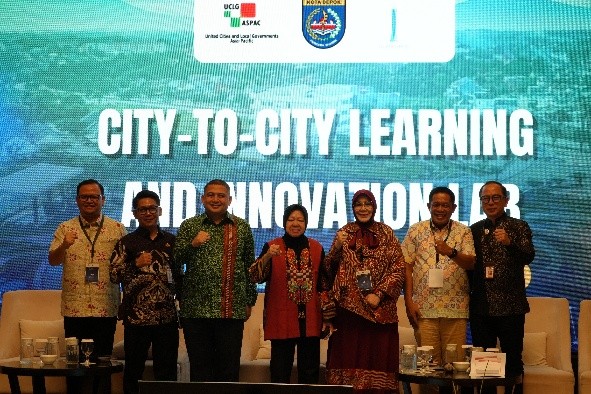
The first panel session, focusing on policy and governance, called for a shift in perspective—from treating waste primarily as a disposal problem to recognising it as a valuable resource. Representatives from cities and regions shared a range of good practices and innovative approaches. Southeast Sulawesi Vice Governor Hugua shared Wakatobi’s community-based approach to changing public perceptions of waste; Depok highlighted its integrated efforts combining neighbourhood-based waste banks, maggot cultivation, and Climate Village (ProKlim) programmes, alongside the exploration of artificial intelligence to support downstream processing. Banda Aceh Mayor Illiza presented its community-based solid waste management initiatives, including methane utilisation and women’s participation in circular economy activities. Makassar Mayor Munafri outlined its vision of achieving a Waste-Free Makassar by 2029 through waste segregation, composting, and urban farming. Bogor, meanwhile, highlighted the importance of regional cooperation in advancing waste-to-energy development.
Financing and Governance for Long-Term Impact
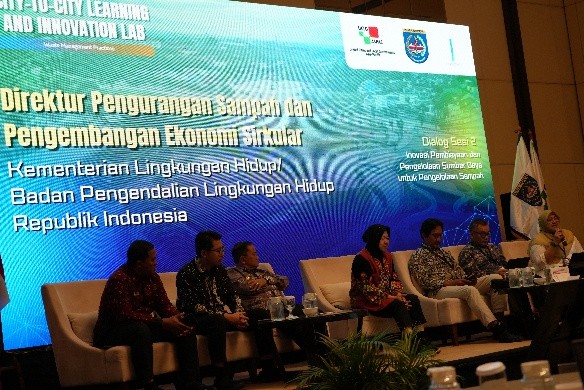
Participants in the second panel discussion agreed that technical innovation alone is insufficient without investment-ready projects, strong governance, and sustainable financing. Jambi Mayor Maulana promoted the model implemented by Operator Pengelola Bentor Mandiri (OPBM/Independent Motorised Pedicab) which reduces the volume of waste sent to landfill while creating new livelihood opportunities. Bontang shared policies aimed at strengthening Reduce, Reuse, and Recycle (3Rs) Waste Management Facility (Tempat Pengolahan Sampah 3R, or TPS3R) and reducing food waste. Banyumas presented its transition away from landfill dependency towards decentralised, community-managed waste processing, producing refuse-derived fuel (RDF), biomass, and other value-added products. Kendari discussed plans to expand integrated waste processing through partnerships with industrial off-takers, while Malang Regency showcased digital monitoring systems and Material Recovery Facilities (MRFs) to enhance operational efficiency and resource recovery.
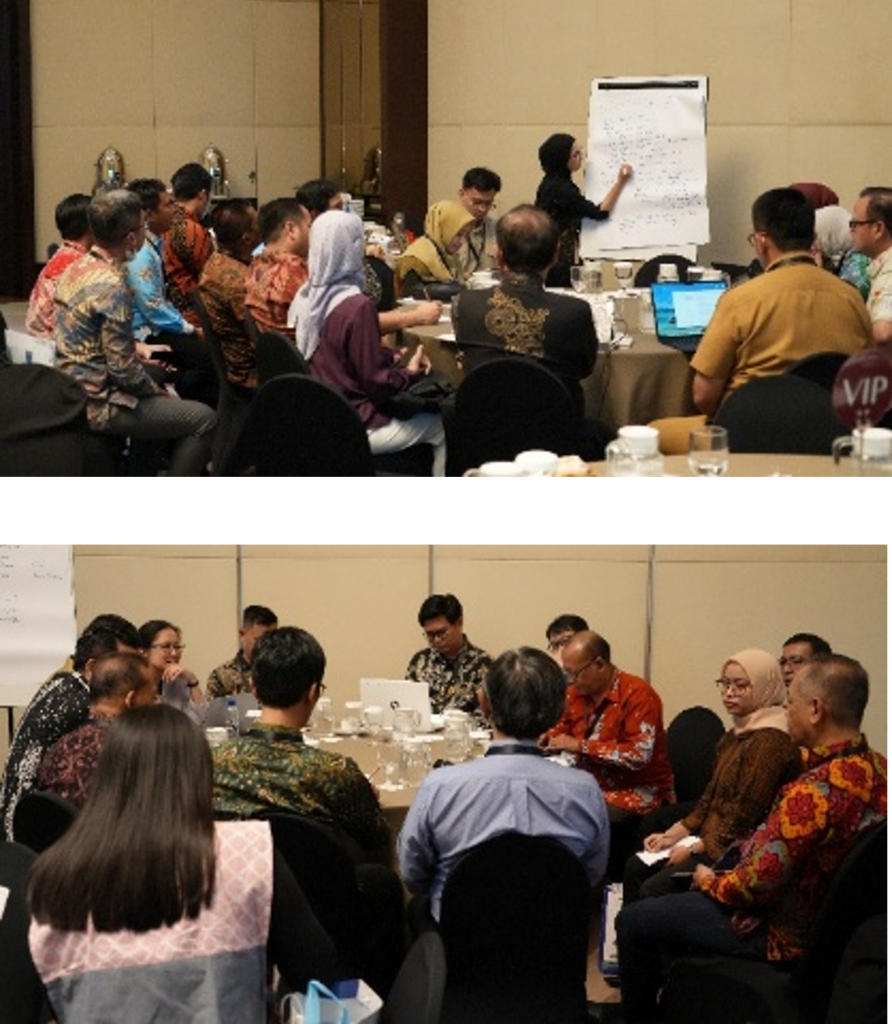
Two parallel thematic group discussions were also held, focusing on Technical, Technology, and Waste Management Practices and Governance, Policy, and Waste Management Financing. These sessions provided cities with an opportunity to exchange operational experiences and practical lessons in greater depth.
Participants concluded that successful urban waste management requires a balanced approach that strengthens waste reduction and segregation at the upstream level while investing in downstream processing solutions tailored to local contexts. Effective governance also requires enabling policies, strong institutional coordination, diversified financing mechanisms, and well-prepared investment proposals. Participants further emphasised the importance of integrating informal waste workers — including waste pickers — into formal waste management systems through cooperatives, appropriate institutional arrangements, and inclusive policies.
On the following day, participants had the opportunity to explore local initiatives firsthand through a series of site visits, gaining practical insights into community-level approaches to integrated waste management and the circular economy.
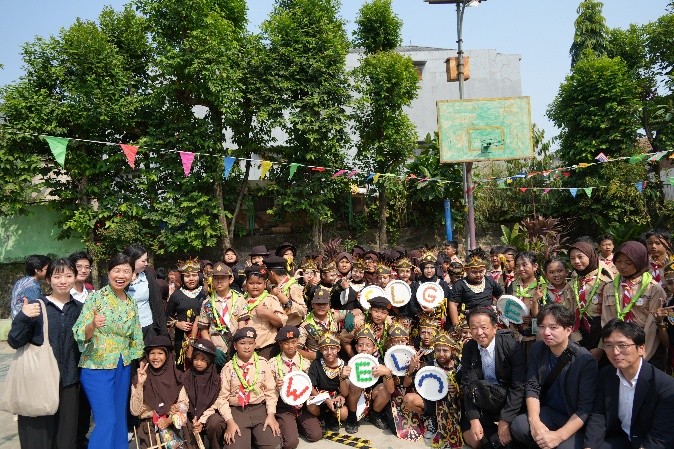
Site Visit 1 — Smart Farming Programme Bakti Jaya
Kelurahan Bakti Jaya presented its Smart Integrated Waste Management (SS Terintegrasi) programme, which is built around five pillars: (1) Organic waste management; (2) Inorganic waste management through Waste Bank or Bank Sampah ANISA, which has generated an estimated IDR 33 million in local community economic circulation; (3) Smart Farming through hydroponics and urban agriculture; (4) EduGreen environmental education for schoolchildren, including a waste-savings programme; and (5) Circular economy initiatives, such as used cooking oil collection in partnership with Greenia.
Welcoming the participants, the Head of Sukmajaya Subdistrict emphasised that the site reflected the neighbourhood’s actual day-to-day condition rather than a specially prepared demonstration site, providing participants with an authentic view of how integrated waste management initiatives are implemented at the community level.
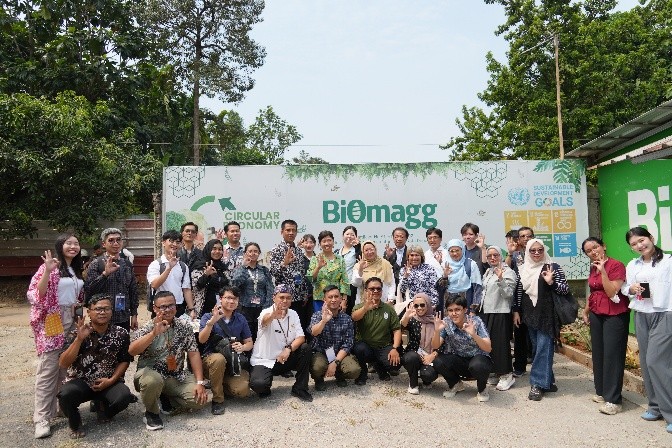
Site Visit 2 — Biomagg
Biomagg presented its organic waste management model based on Black Soldier Fly (BSF) maggot cultivation, developed through approximately three years of training and capacity building with communities, schools, and youth groups. The maggots are used primarily as feed for ornamental fish, as well as for fish and livestock; they are not currently approved for human consumption in Indonesia. Unsold maggots are also utilised as poultry feed.
With a BSF egg production capacity of more than two tonnes, Biomagg’s model has potential for replication in other locations. One community group has mobilised around 30 residents to independently manage organic waste, helping reduce the volume of waste sent to landfill while creating opportunities for community-based resource recovery.
Participation of Young People in the Programme
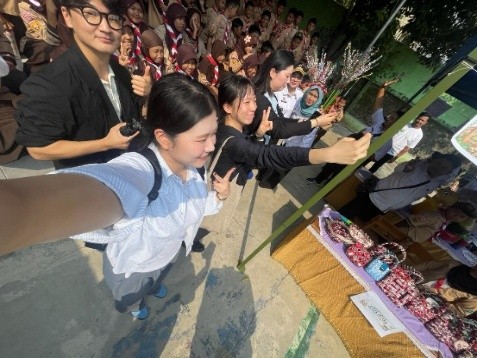
The field visits were also attended by UCLG ASPAC interns from Indonesia and South Korea, including the four 2026 JBICA International Student Programme (ISP) interns—Dasun Park, DongHun Kim, Jaeyoung Kim and Yeongeun Cho—who shared their reflections on the experience.
Yeongeun Cho highlighted the hands-on opportunity to observe the Black Soldier Fly (BSF) circular system in practice. Jaeyoung Kim appreciated how Waste Bank ANISA and Biomagg demonstrated the practical application of circular economy principles and community participation. Dasun Park was particularly impressed by the integration of environmental education, community engagement, and technology. DongHun Kim also participated in the field visits and documented the activities throughout the programme.
Conclusion: Strengthening Collaboration for Sustainable Cities
The Lab concluded with a shared commitment among participating cities and local governments to strengthen collaboration through the UCLG ASPAC network and continue exchanging practical solutions for sustainable urban development. By bringing together policy innovation, appropriate technology, innovative financing, active community participation, and the mainstreaming of Gender Equality, Disability, and Social Inclusion (GEDSI) considerations, the programme reaffirmed the importance of ensuring the meaningful participation of women, children, and other vulnerable groups in sustainable urban development.
The discussions and site visits demonstrated that effective waste management depends not only on infrastructure investment, but also on partnerships that empower communities, encourage behavioural change, strengthen local capacity, and generate long-term environmental and economic benefits.
As cities continue to face increasingly complex waste management challenges, the knowledge and experiences exchanged in Depok are expected to inspire more collaborative, inclusive, and locally adapted solutions across Indonesia and the wider Asia-Pacific region.