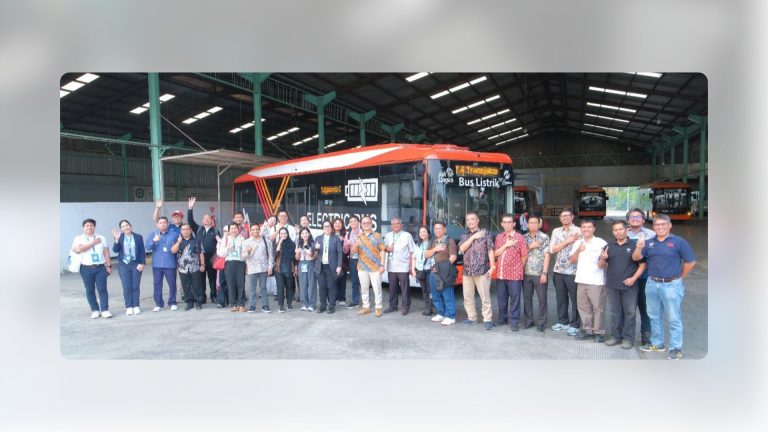





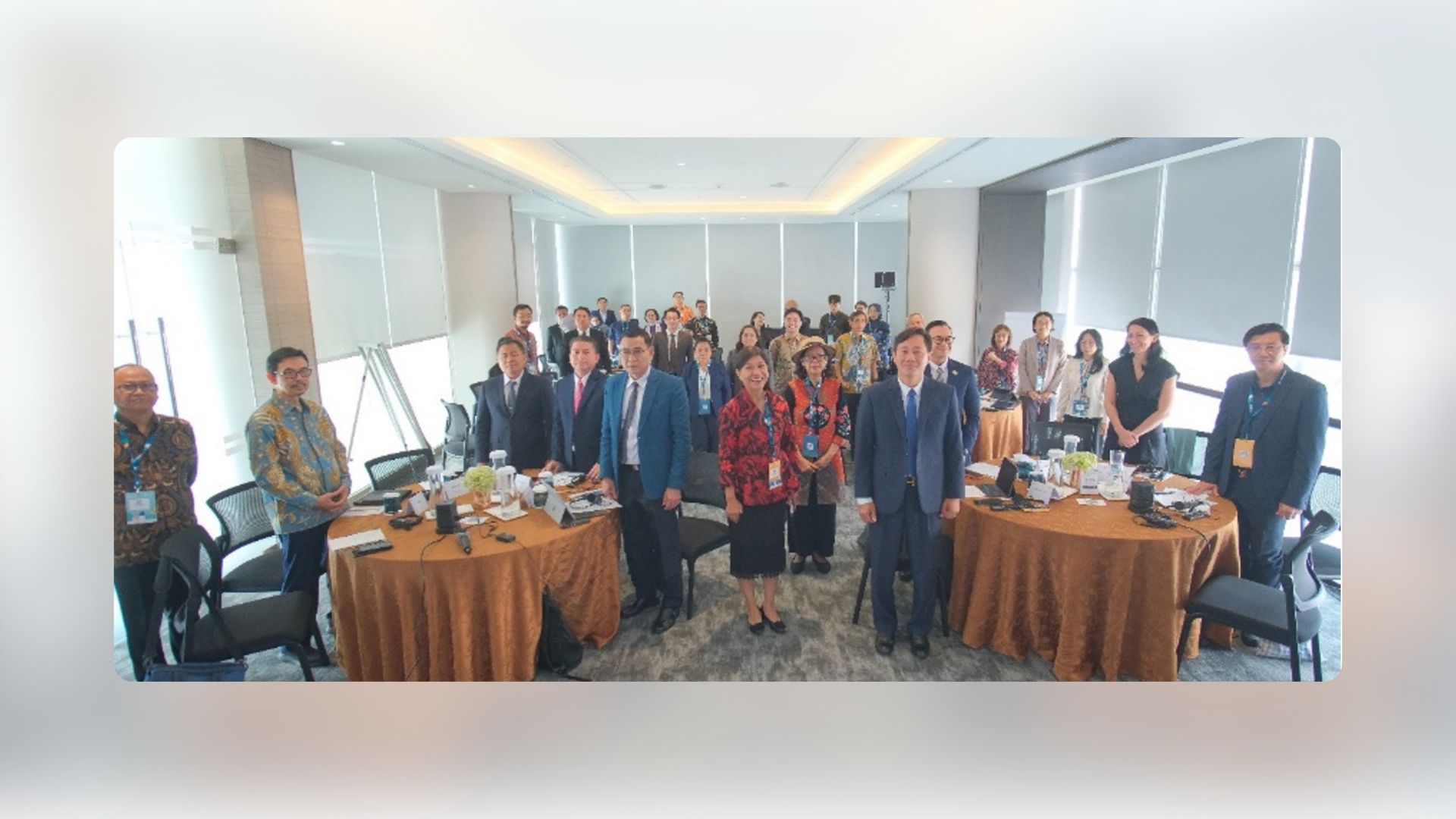
September 17, 2026 | UCLG ASPAC and Cities Alliance, with the support of the Swiss Agency for Development and Cooperation (SDC) and UNOPS, held the Fifth Urban Mekong Corridor Dialogue in Jakarta under the theme “Fostering Peer Learning with ASEAN Cities for Inclusive Green Development in Riverine Cities.”
The Dialogue brought together approximately 50 participants, including local government leaders and representatives from Mekong and wider ASEAN cities, local government associations, development partners, regional organisations, financing institutions, and Civil Society Organisations (CSOs).
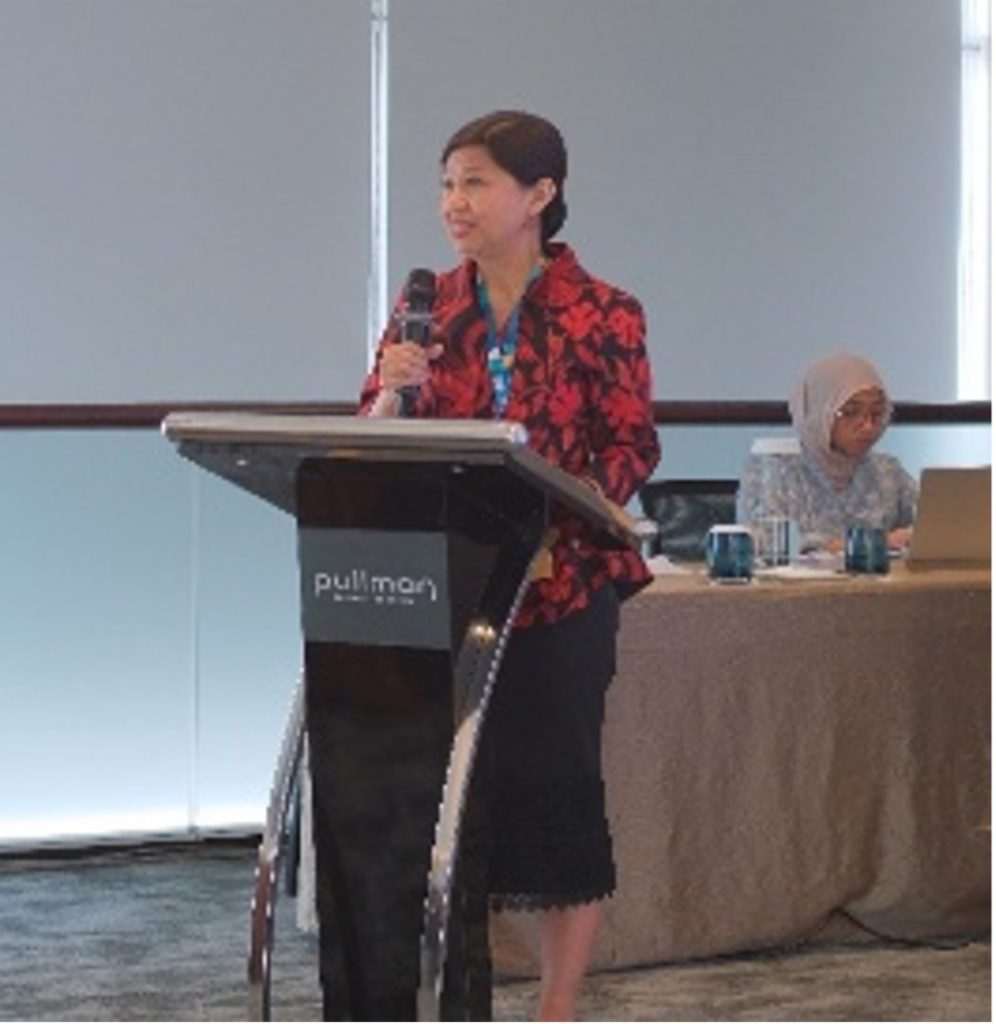
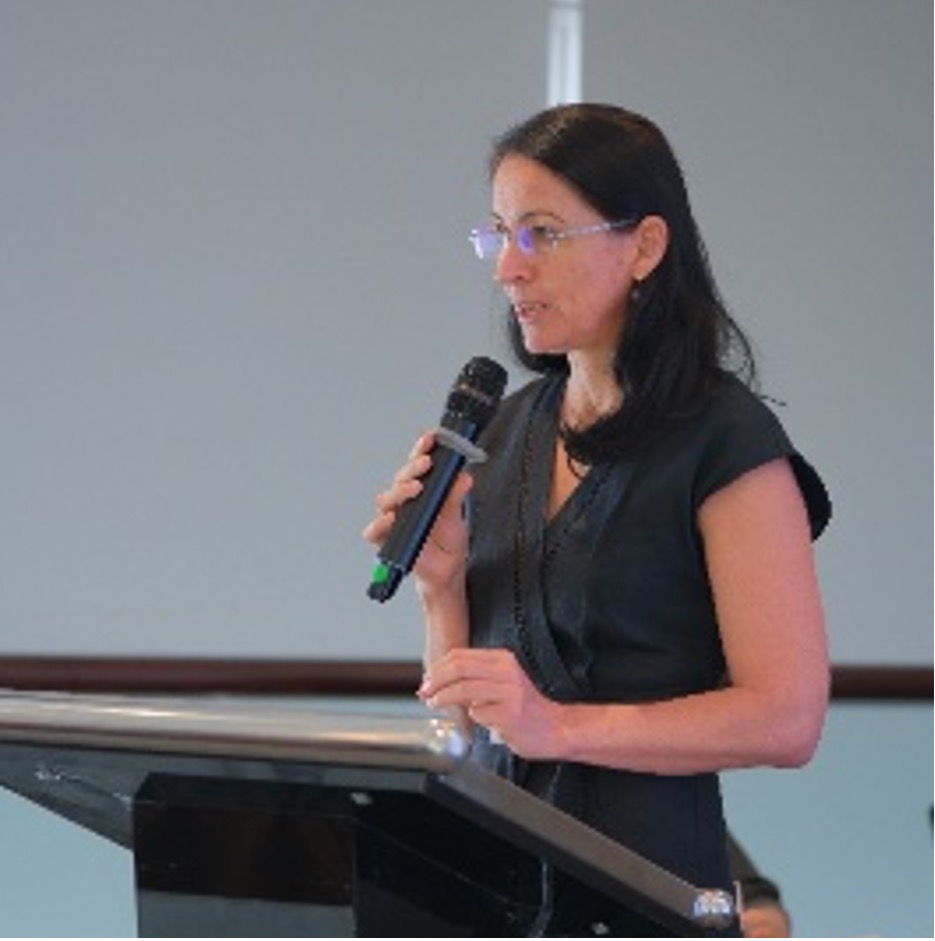
Dr. Bernadia Irawati Tjandradewi, Secretary-General of UCLG ASPAC, Dr. Brigitte Hoermann, Lead Global Programme Inclusive and Green Cities, Cities Alliance, and Mr. Benjamin Frey, Programme Manager for Migration and Forced Displacement, the Swiss Agency for Development and Cooperation (SDC), welcomed the participants, echoing the shared message on the key role of cooperations, strengthening connections, as well as inclusive development.
How Can Intermediary Mekong Cities Better Connect with ASEAN Opportunities for Sustainable Urban Development and Climate Action?
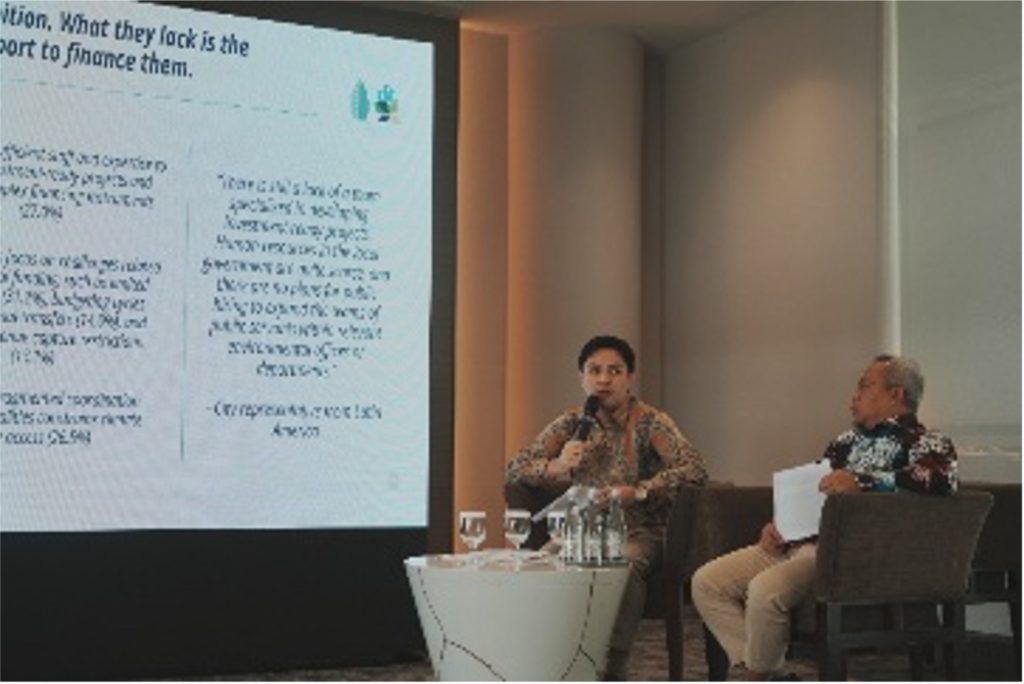
Mr. Chheng Vatanak, Deputy Head of the National Committee for Sub-National Democratic Development Secretariat (NCDD-S), Cambodia, highlighted the importance of linking national climate policies and financing mechanisms with local government priorities. Mr. Marvin Lagonera, City Advisor for South Asia and Southeast Asia, GCoM-Gap Fund Partnership, highlighted the challenges faced by small and intermediary cities in preparing bankable projects, including limited technical capacity, human resources, creditworthiness, and difficulties navigating complex financing requirements.
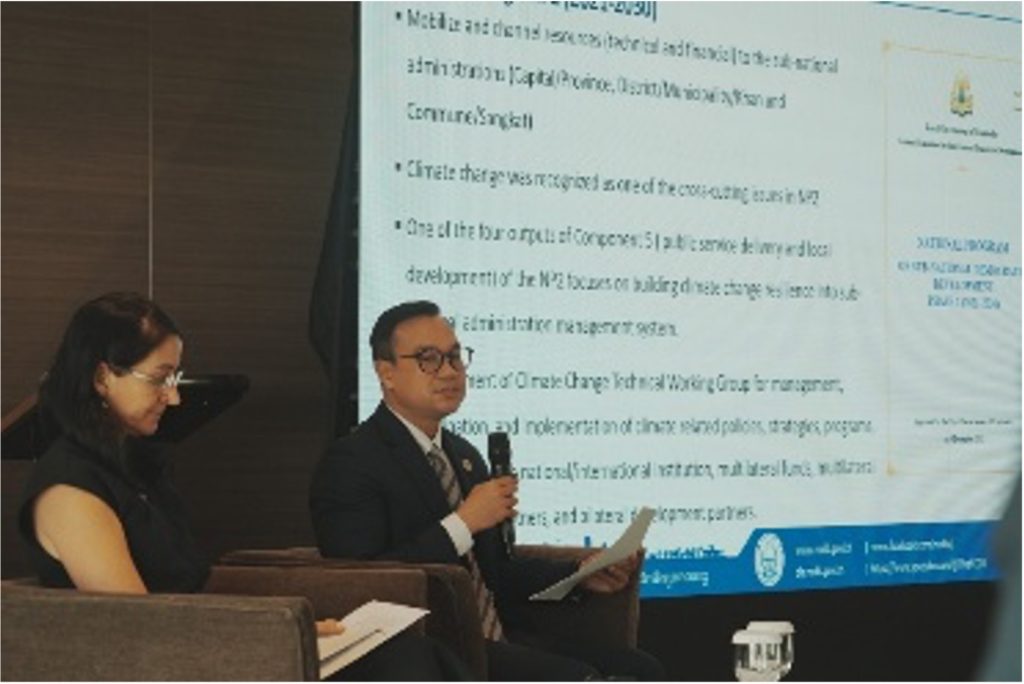
Mr. Syahruddin, Head of the Regional Development Planning, Research, and Innovation Agency, Bontang City Government, Indonesia, shared the city’s experience, illustrating the importance of defining service gaps and environmental risks, strengthening baseline data, and preparing projects thoroughly before approaching potential financing partners.
From Opportunities to Implementation: How Mekong Cities Are Positioning for the Next Phase of Collaboration
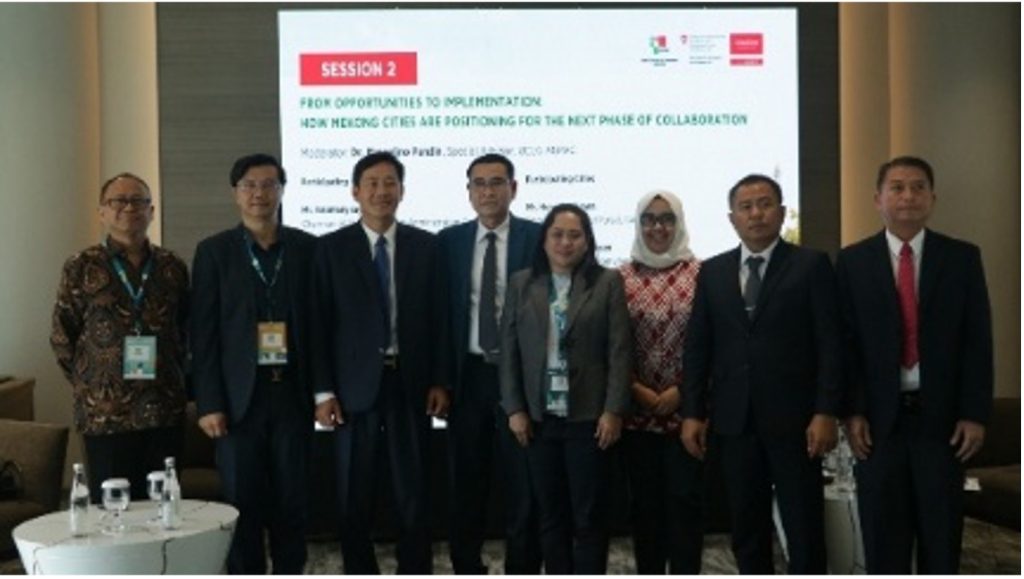
Mr. Heng Vanny, Deputy Governor of Battambang Province, Cambodia, described the province’s work on wastewater treatment alongside concerns over urban flooding, extreme heat and limited green space. He noted two wastewater projects supported by the Royal Government of Cambodia through Asian Development Bank financing and managed by the Ministry of Public Works and Transport. Battambang is also studying how public space can help manage stormwater and heat, including a proposed park that could reduce flooding while providing recreational space and improving walkability.
Mr. Keomanyxay Sackda, Chairman of the Thakhaek District Administration Committee, Lao PDR, discussed plans to manage growth along the Mekong River, with priorities including the improvement of riverside public areas with parks, walking and cycling paths, and green space. He noted growing pressures from waste and rainy-season flooding.
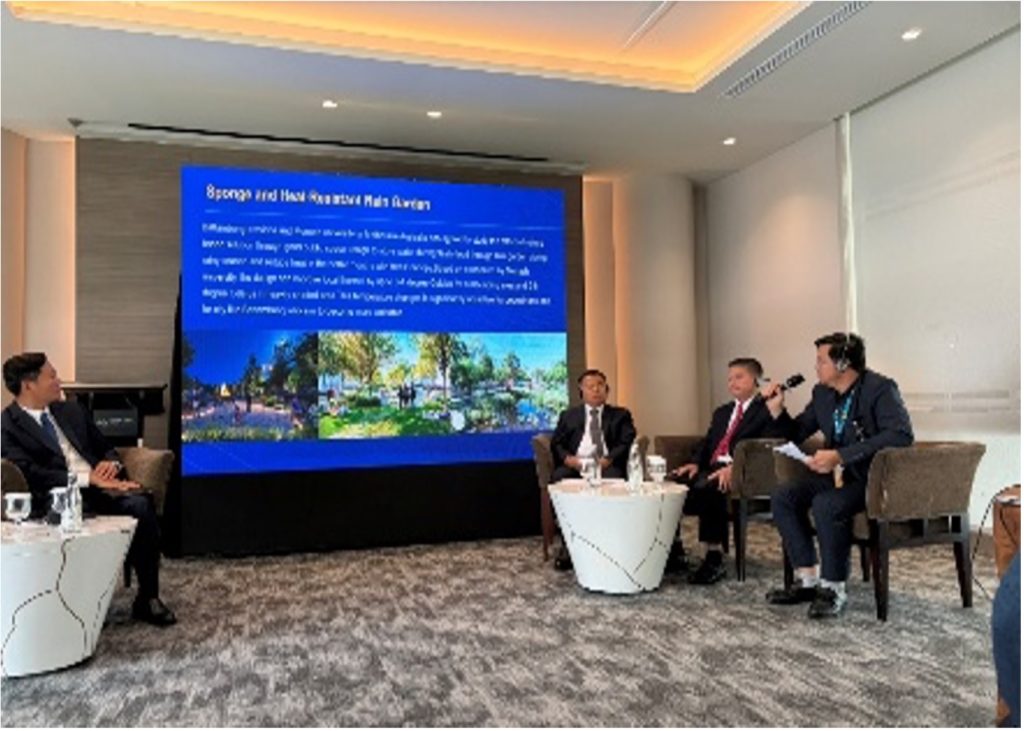
Mr. Heng Sopheana, Deputy Governor of Pursat Province, Cambodia, shared the challenges related to household relocation, underscoring that riverbank improvement also requires attention to the services available to households after relocation.
Mr. Bounsy Khuonnasen, Mayor of Kaysone Phomvihane, Lao PDR, presented the city’s 2026–2030 urban development priorities under its “5 S’s Vision” for a peaceful, clean, green, bright and attractive city. He identified two proposals requiring financial and technical support: a new 30-hectare regional sanitary landfill near the boundary with Outhoumphone District for shared use; and water-control gates and pumping systems at the Houay Pakbo and Houay Sompoy streams to manage rainy-season flooding and retain water for the dry season.
Ms. Janis Mae R. Sy, Head of the City Environment and Natural Resources Office (CENRO), Iloilo City, the Philippines, shared an approach linking river rehabilitation with governance, community relocation, mangrove restoration, waste management and livelihoods. Iloilo coordinates river plans through a river council, while a water-quality management area brings together five local government units – an essential cooperation given that pollution pressures on the Iloilo River extend beyond administrative boundaries.
Mr. Phavanh Sihavong, Deputy Director of the Department of Agriculture and Environment, Vientiane Capital Administration, Lao PDR, emphasised the need for integrated urban planning, climate resilience and stronger technical capacity, highlighting women’s participation in local water management.
Ms. Idfi Septiani, Head of the Cooperation Division, Samarinda City, Indonesia, highlighted interconnected risks from flooding, landslides, fires and waste management, and pointed to technical assessment, project preparation and city-to-city learning as ways to advance the city’s priorities.
Interactive Peer-Learning Breakout Sessions
Afternoon sessions shifted from plenary discussion to practical peer exchange through two thematic breakout groups.
Group A: Nature-Based Solutions and Climate Adaptation for River Resilienc
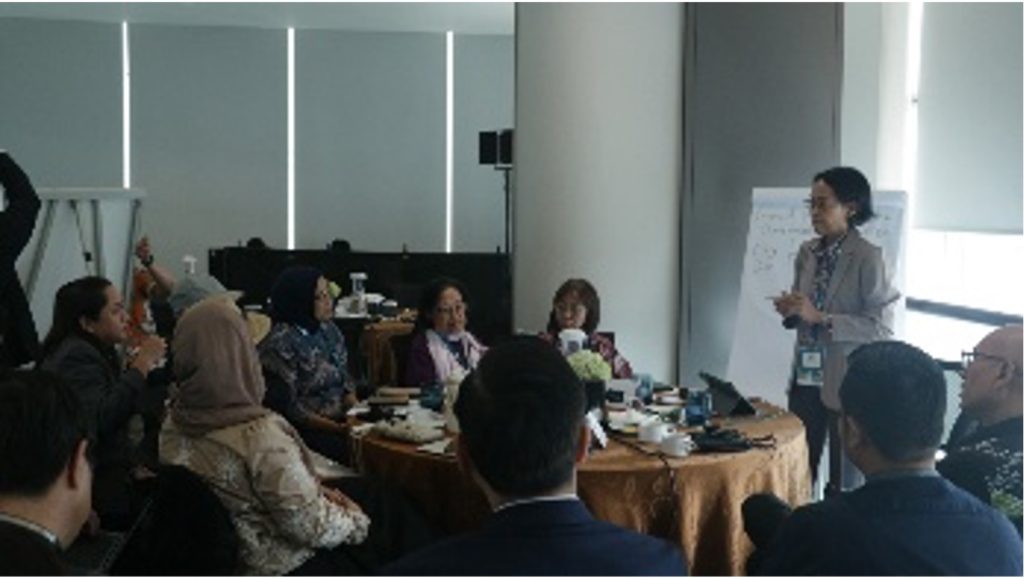
This group shared experiences from Iloilo City, North Jakarta, Battambang, Bontang, APEKSI and Gerakan Ciliwung Bersih, a community-based initiative working along Jakarta’s Ciliwung River.
Participants recognised that approaches to river resilience must respond to local conditions and involve the communities living alongside rivers. Institutional coordination, technical capacity and sustained partnerships were identified as critical to implementation.
Group B: Circular Economy and Solid Waste Management
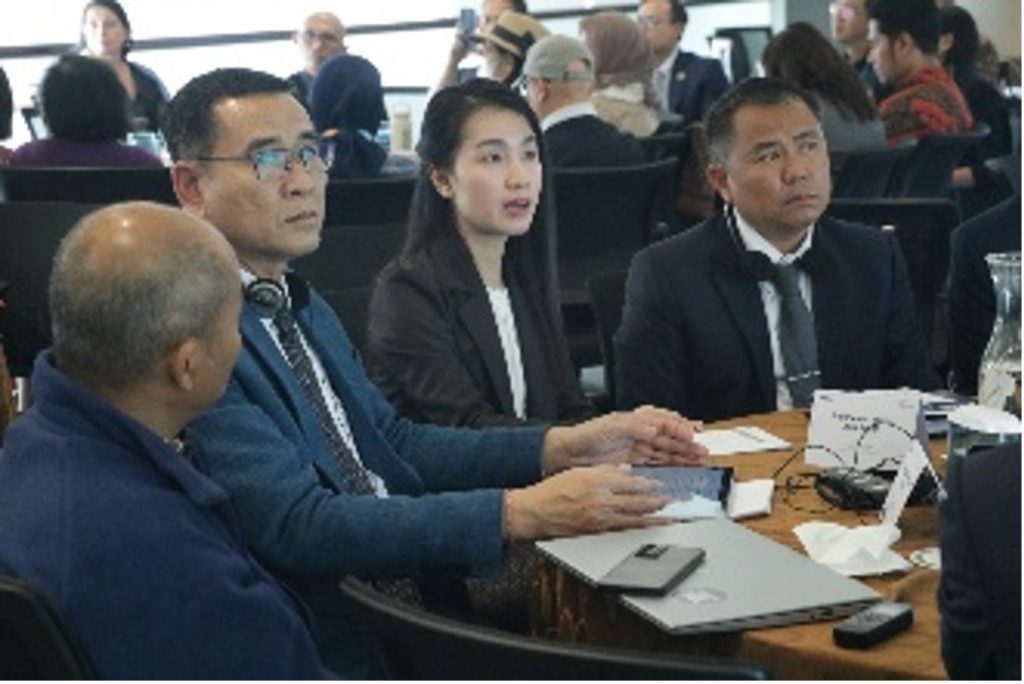
This group brought together experiences from Thakhaek, Pursat, Kaysone Phomvihane, Vientiane, Samarinda, Palembang, and Cambodia’s National League of Local Councils.
Participants emphasised the need to improve separation at the source and strengthen public awareness before waste reaches disposal facilities or rivers. Technical and institutional capacity and sustainable financing were identified as essential conditions for more circular waste-management systems.
The Role of City Associations in Shaping the Riverine Cities – Experience from Indonesia and Cambodia
Mr. Tep Kestiny, Head of Monitoring, Evaluation and Planning at Cambodia’s National League of Local Councils (NLC), described the role of local government associations in advocacy, representation, inter-city cooperation and capacity building. Drawing on work with riverine communities, he referred to river networks, floating waste collection, decentralisation and community-based management.
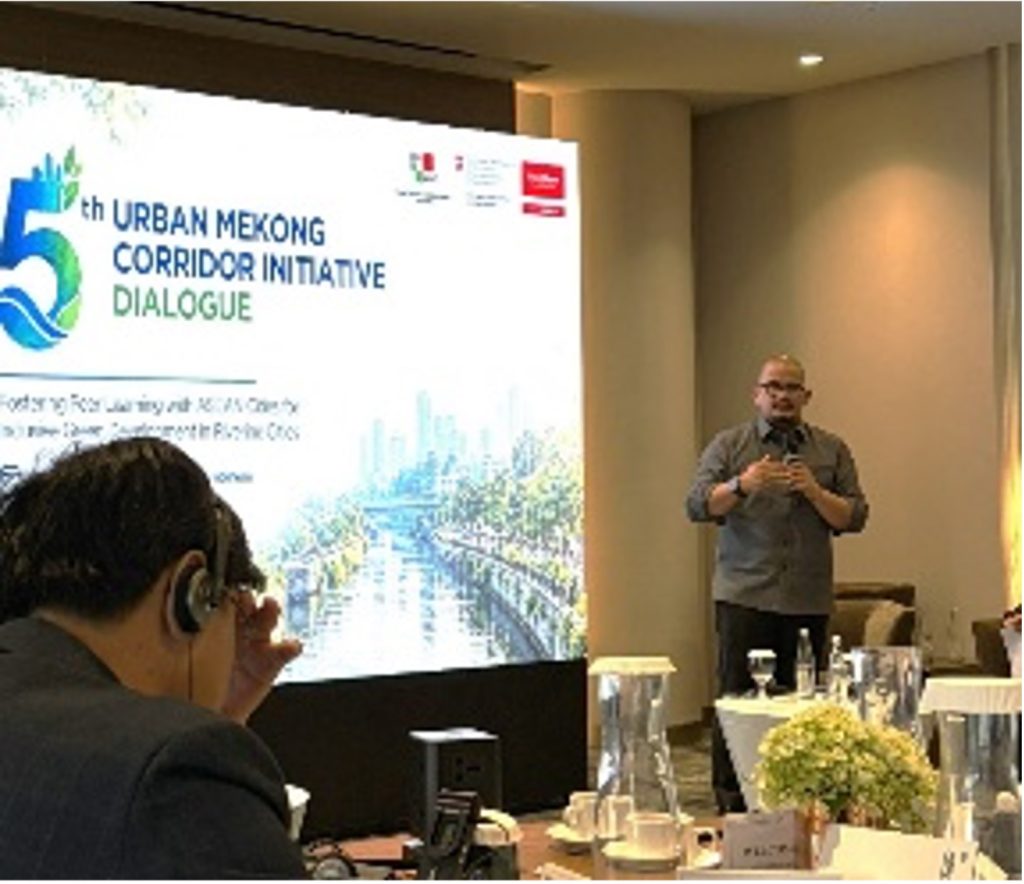
Mr. Alwis Rustam, Executive Director of the Association of Cities of Indonesia (APEKSI), outlined four roles for city associations: capturing the priorities of member cities, building cooperation between cities, strengthening municipal capacity, and supporting advocacy and peer learning. He also highlighted how associations can help cities translate visions into prepared projects that are ready to seek investment and move towards implementation.
Conclusion
By connecting intermediary Mekong cities with the wider ASEAN city community, the Jakarta Dialogue strengthened the UMCI’s transition from a platform for exchange to a mechanism for practical cooperation. As regional ambitions under the ASEAN Community Vision 2045 increasingly depend on local implementation, the experience in Jakarta reinforced the central role of cities—and the networks connecting them—in translating regional commitments into action.