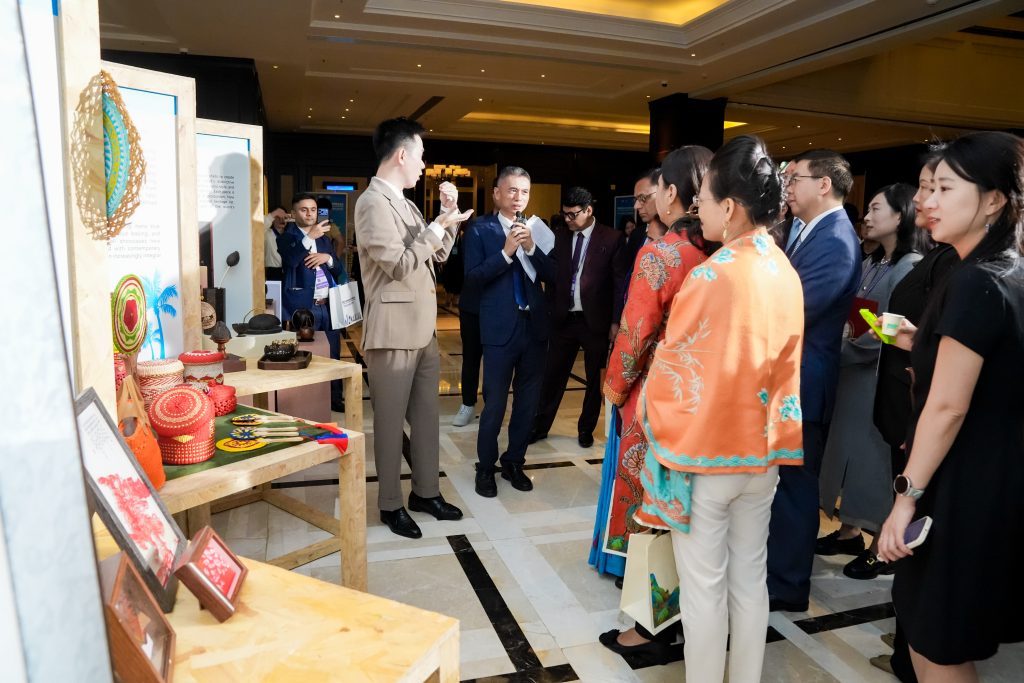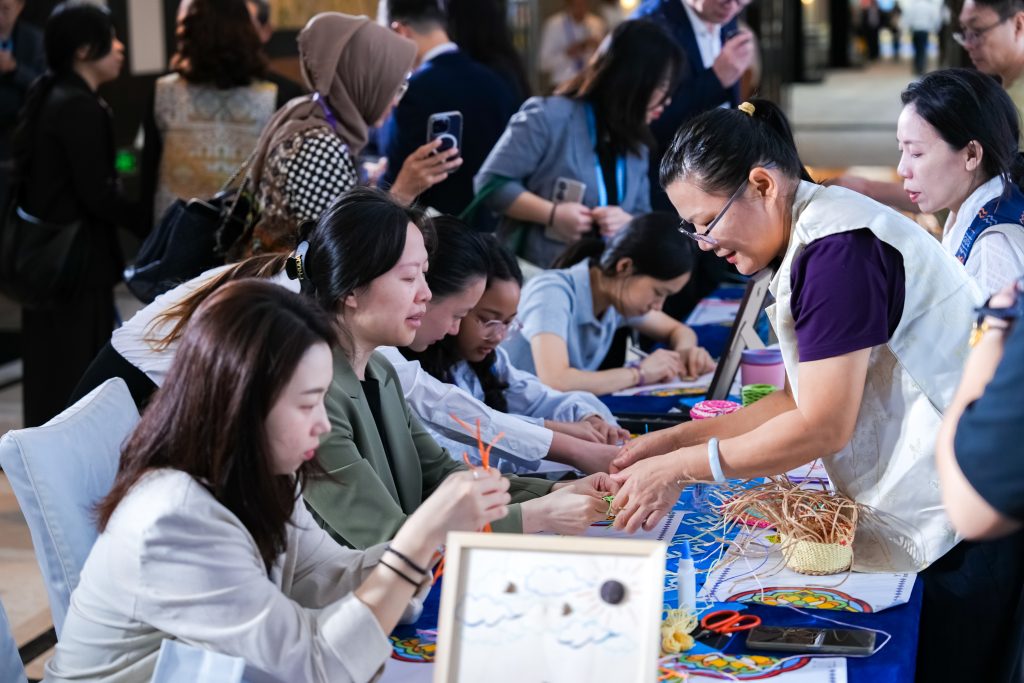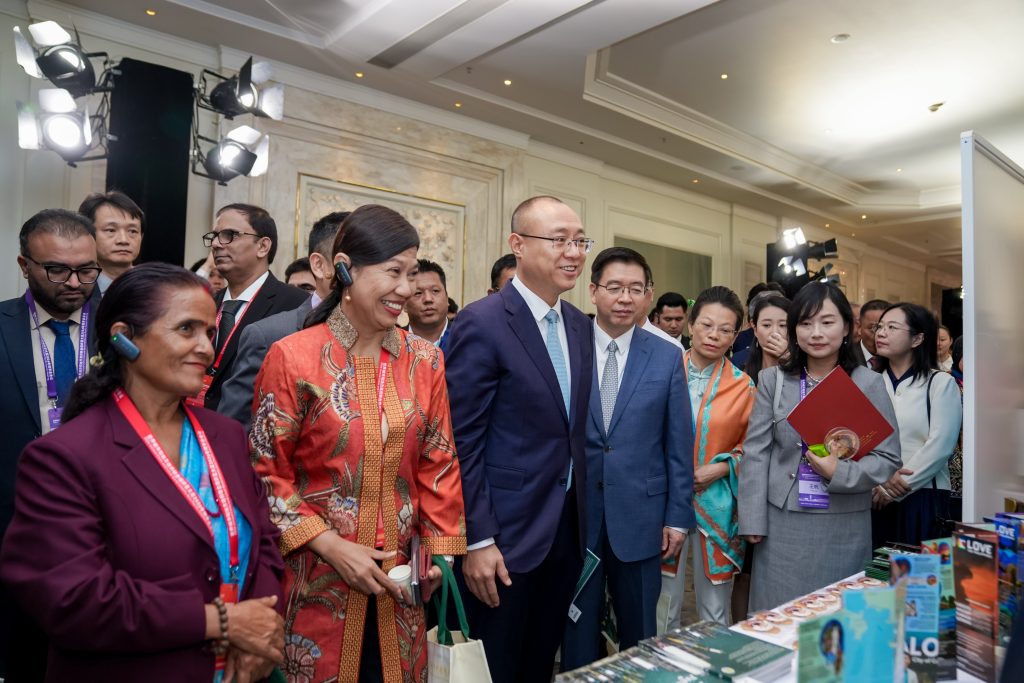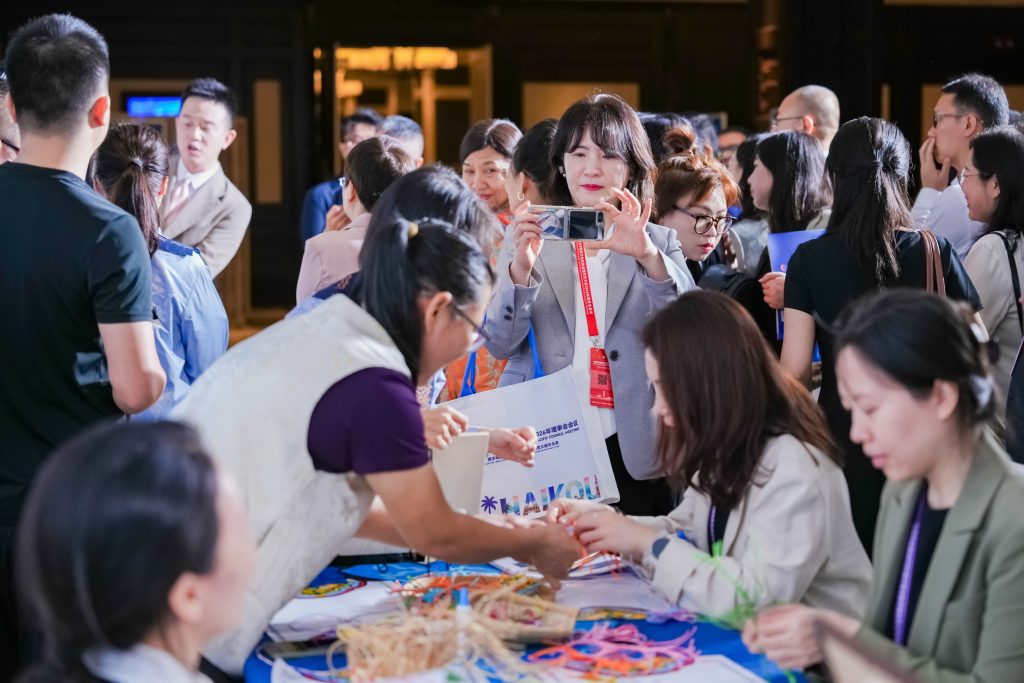





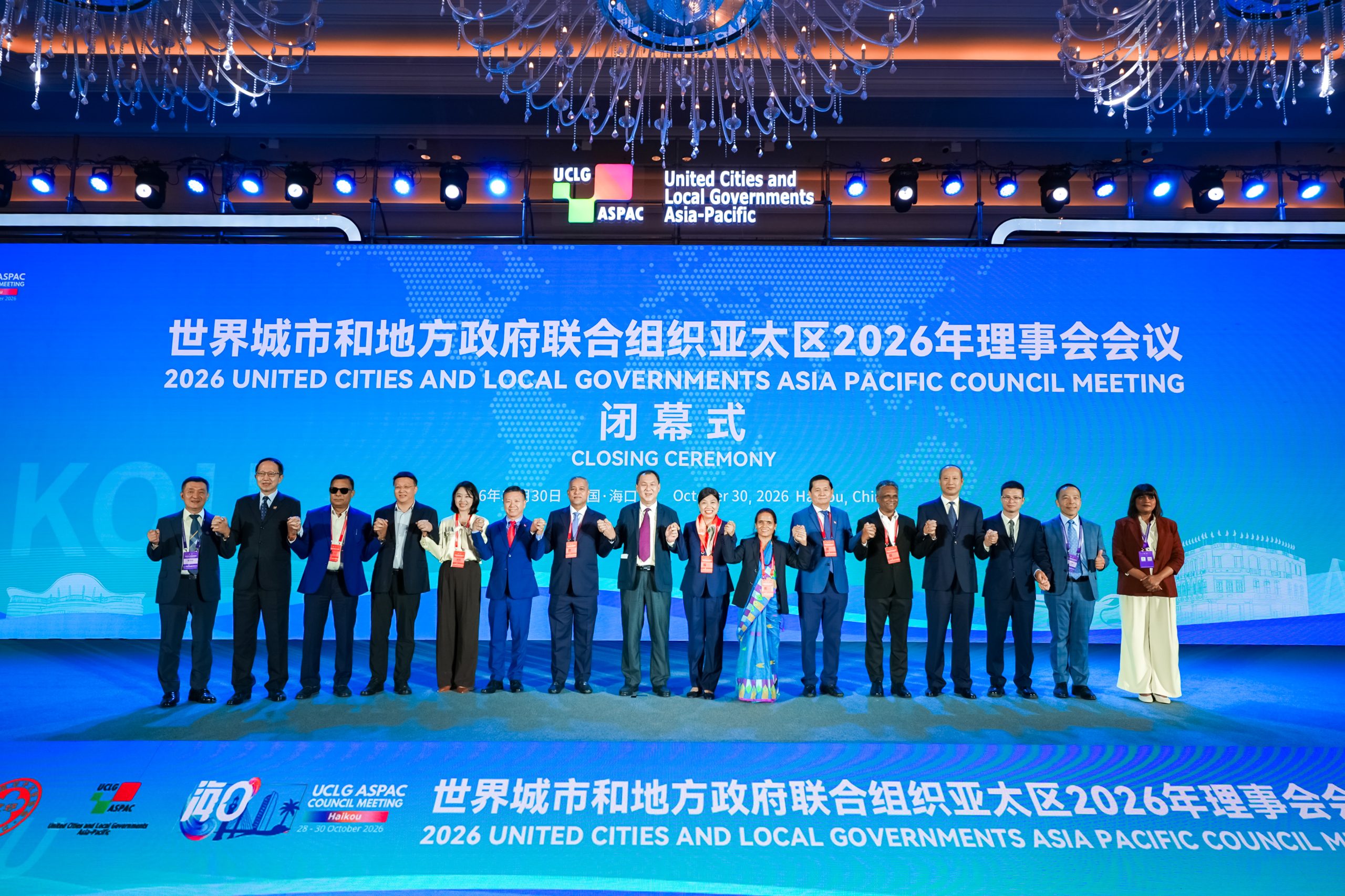
October 28–30, 2026 | Haikou – UCLG ASPAC convened its 2026 Council Meeting in Haikou, Hainan Province, China, under the theme “Leveraging the Free Trade Port, Collaboratively Building a Green, Smart, and Inclusive Future for Asia-Pacific Cities.” Jointly organised with CPAFFC and the Haikou Municipal People’s Government, the meeting gathered approximately 400 participants from 12 countries, including mayors, governors, diplomatic representatives, academics, development partners and businesses to explore port city development, climate resilience, responsible digital innovation, inclusive economic development and regional cooperation.
Committee Meetings Advance Regional Priorities
The programme opened on 28 October with meetings of five thematic committees: Humanitarian, Development and Peace (HDP) Nexus, Belt and Road Local Cooperation (BRLC), Financial Management Committee, Tourism and Culture.
Urban Development Dialogue Explores People-Centred Digital Innovation
The Urban Development Dialogue, themed “Connecting Asia-Pacific through Digital and Smart Innovation, Cities Shaping the Future Together,” focused on people-centred digital innovation, institutional readiness, data governance and inclusive access, with examples from Indonesia, India, Nepal, the Philippines, Republic of Korea and China.
Haikou–ASEAN Dialogue Expands Economic Connections
The Haikou Dialogue with ASEAN Consulates-General and Asia-Pacific Business Matching Event, themed “Connecting Markets, Sharing Opportunities,” connected diplomatic missions, local government representatives, investment promotion institutions and businesses.
Presentations introduced the Hainan Free Trade Port’s policy environment, trade and investment opportunities, and the China International Consumer Products Expo. Representatives from Indonesia, the Philippines, Vietnam, Thailand, Malaysia and Lao PDR shared their engagements with China, market opportunities and investment priorities, while business matchmaking enabled direct discussions among enterprises and institutions. The event also featured a cooperation-project signing segment.
Opening Ceremony Highlights Shared Responsibilities

The official opening on 29 October featured Mayor Zhang Yong of Haikou, CPAFFC Vice President Lu Xiangdong, UCLG ASPAC Secretary-General Dr Bernadia Irawati Tjandradewi, and UCLG President and Konya Metropolitan Mayor Uğur İbrahim Altay via video message, emphasising innovation, inclusivity and city-to-city cooperation.
The ceremonial programme included cooperation arrangements between Haikou and Malé, Maldives, and between the Haikou Comprehensive Bonded Zone and Subotica Free Zone, Serbia, reflecting the emphasis on linking dialogue with international cooperation opportunities.
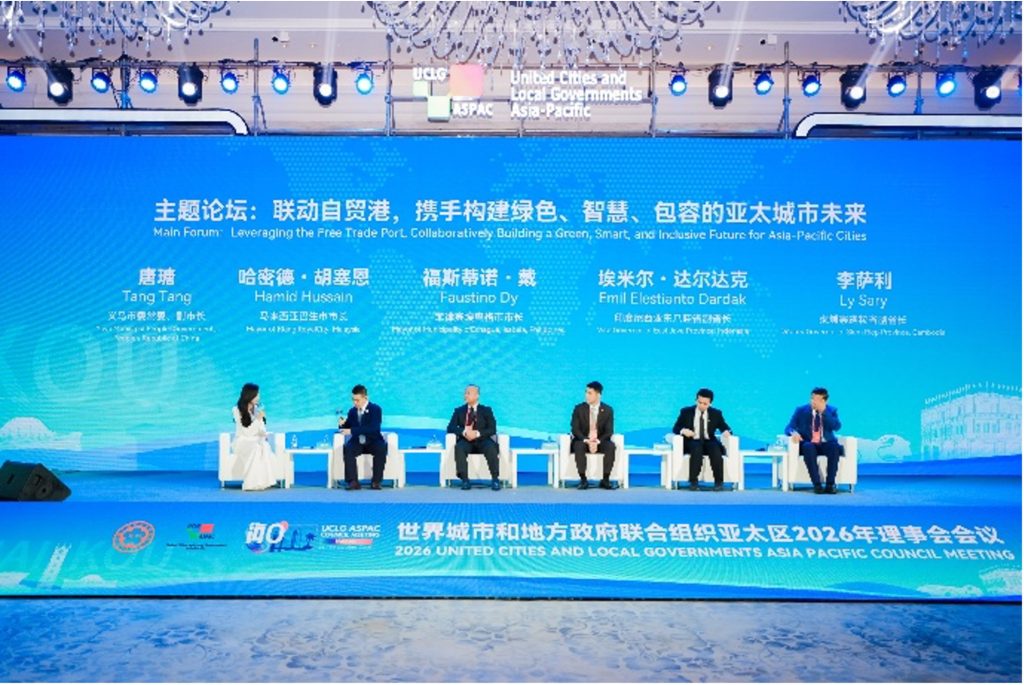
Main Forum Brings Five Local Government Perspectives Together
The Council’s Main Forum examined how cities can use economic openness, innovation and regional connectivity to advance green, smart and inclusive development. Dr Chi Fulin, President of the China Institute for Reform and Development, delivered a keynote on the Hainan Free Trade Port and greater regional integration.
Vice Mayor Tang Tang of Yiwu, China, discussed how logistics networks, digital commerce and services for overseas traders can support business activity and how links between trading cities and transport hubs can widen access to international markets.
Dato’ Haji Abd Hamid bin Hussain, Mayor of Klang, Malaysia, highlighted Port Klang’s position among the world’s ten busiest container ports, the Klang Royal City Local Plan 2035, low-carbon initiatives, community participation and river-cleaning programmes, illustrating the importance of local land-use planning in an area shaped by industrial and logistics activities.
Mayor Faustino “Inno” A. Dy V of Echague, Philippines, focused on practical environmental and technological initiatives in a smaller municipality, including partnerships for climate-smart agriculture, early warning systems and community-based public services.
Vice Governor Dr Emil Elestianto Dardak of East Java, Indonesia, represented the provincial perspective, where sustainable development requires coordination across cities, districts and rural areas, and highlighted the importance of cross border cooperation. He emphasised the importance of linking ports with hinterland area through infrastructure and regional economic policy.
Vice Governor LY Sary of Siem Reap Province, Cambodia, offered the perspective of a major cultural heritage and tourism destination on balancing
Marine Dialogue Examines the Blue Economy and Coastal Resilience
The Conference on Marine Economic Cooperation and Sustainable Development, themed “Blue Cooperation for a Shared Future”, examined ocean-based industries, environmental protection and the resilience of coastal communities.
Discussions considered how scientific research, digital technology and investment preparation can help local governments develop more viable blue-economy initiatives. For smaller island cities, it connected environmental risks with constraints on land, infrastructure and public finance; for port cities, it raised questions about managing industrial activity alongside healthier marine environments.
Proposals included exploring a project preparation fund to improve the readiness. Institutional capacity, practical financing arrangements and environmental safeguards emerged as important considerations in turning marine-sector opportunities into sustainable local projects.
Executive Bureau and Regional Council Advance Governance and Strategic Priorities for 2027
Meeting in a hybrid format on 29 October 2026, the Executive Bureau reviewed a range of institutional matters. Among the key decisions adopted by the Regional Council on 30 October was the appointment of Mrs. Laxmi Devi Pandey, Chairperson of the National Association of Rural Municipalities in Nepal (NARMIN) and Mayor of Hupsekot Rural Municipality, as Acting President of UCLG ASPAC until the 11th UCLG ASPAC Congress in 2027 in Jakarta, following the passing of UCLG ASPAC President Dakila Carlo “Dax” E. Cua on 15 September 2026.
The Regional Council also paid tribute to the late UCLG ASPAC President, Dakila Carlo “Dax” E. Cua, President of the Union of Local Authorities of the Philippines and Governor of Quirino Province. Members observed a moment of silence and honoured his legacy through a commemorative video and a memorial book of condolences from members, UCLG World and Regional Sections. His belief that “the future is local” continues to inspire local governments across the Asia-Pacific region.
The Council also discussed the draft Haikou Call to Action, which calls for accelerating sustainable urban development by placing climate action at the center of local planning, advancing smart and people-center cities that harnessing digital transformation, and promoting vibrant local economic development by leveraging platforms such as the Hainan Free Trade Port for shared prosperity.
Environmental Activities Connect Policy with Place
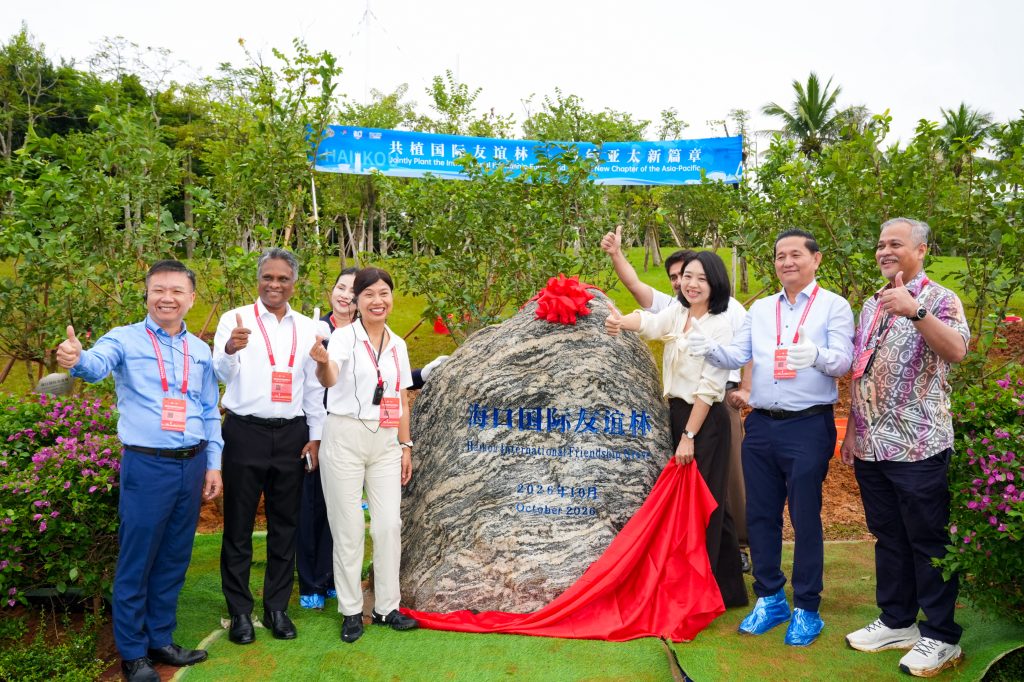
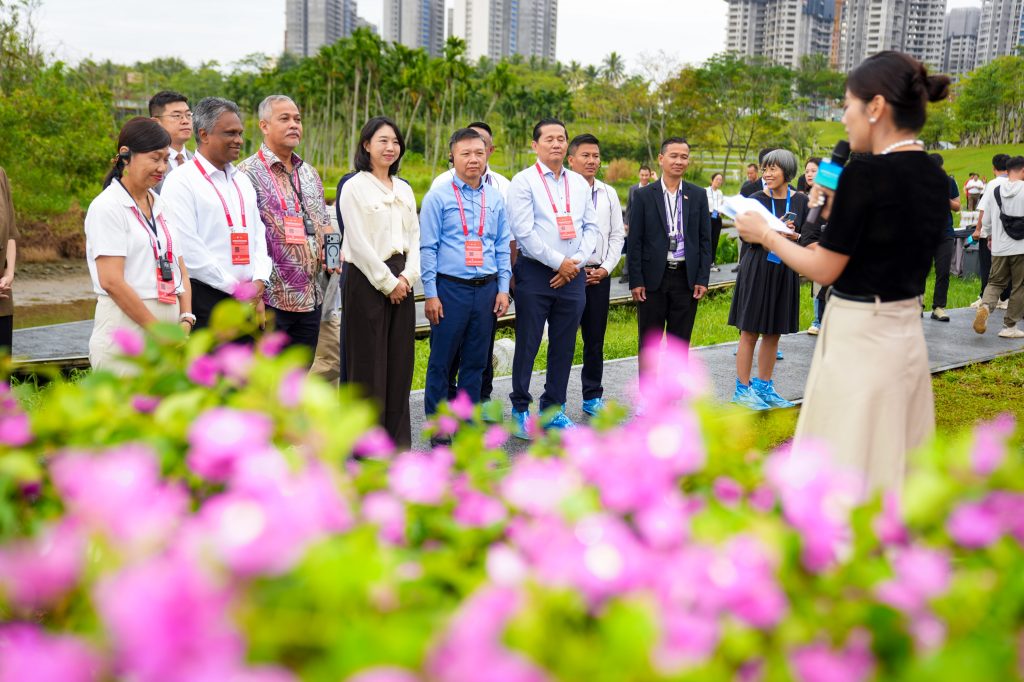
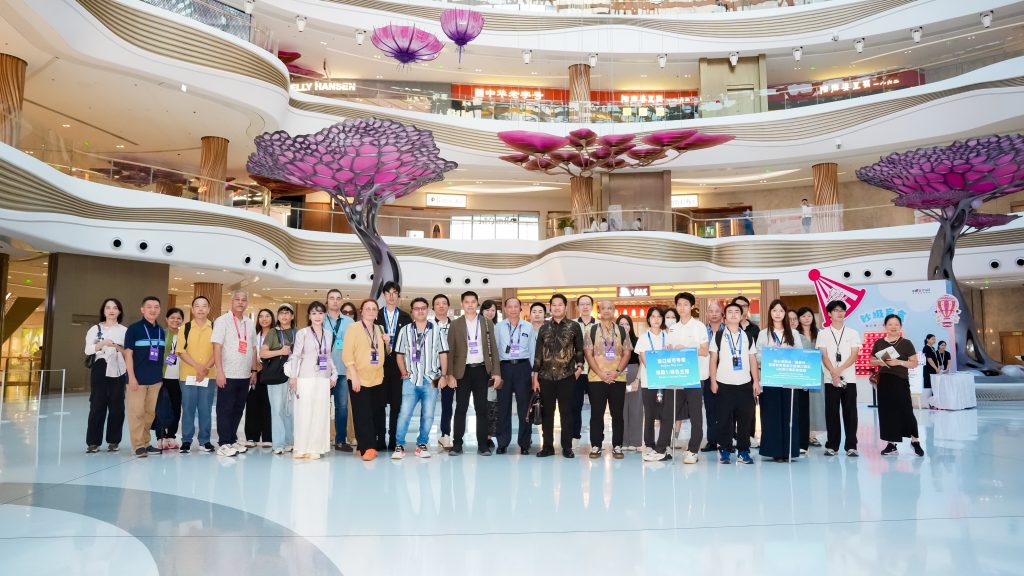
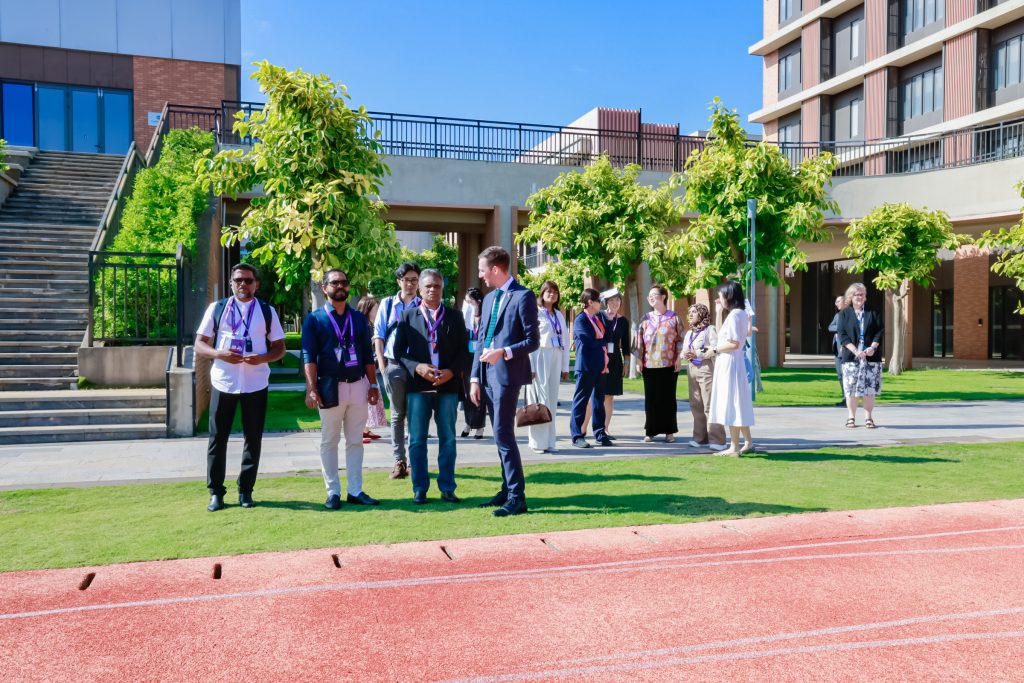
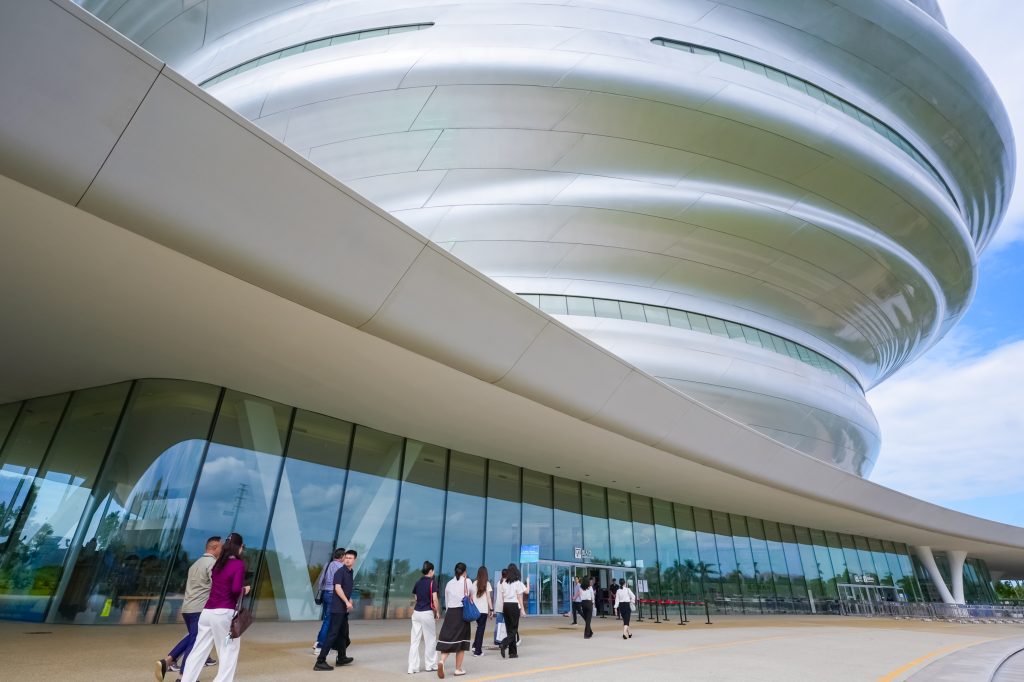
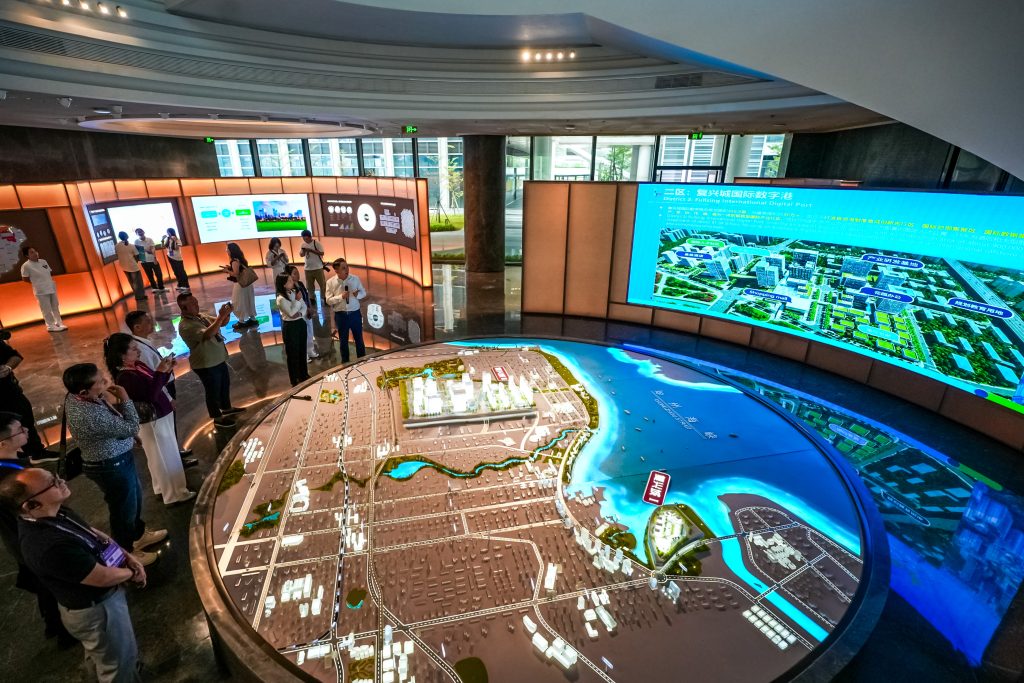
The programme included a tree-planting activity at Meishe River Fengxiang Wetland Park, linking climate and biodiversity discussions with urban ecological restoration.
Delegates joined three thematic city tours covering green development and cultural heritage; science, technology and innovation; and education, urban development and public services, with visits to Shicha Village, Leiqiong UNESCO Global Geopark, Fuxingcity International Digital Port and Haikou Jiangdong New District.
Looking Ahead: Turning Regional Dialogue into Local Action
The 2026 Council concluded with reflections on translating regional cooperation into improvements in local governance and community wellbeing.
In her closing remarks, the Secretary General emphasised three priorities: turning shared commitments into local action, strengthening solidarity among member cities, and ensuring accountability through clear responsibilities and measurable progress.
The discussions in Haikou provided a foundation for continued engagement on climate resilience, digital transformation, inclusive development and international cooperation, as members work to turn shared priorities into practical initiatives for cities and communities across Asia and the Pacific.