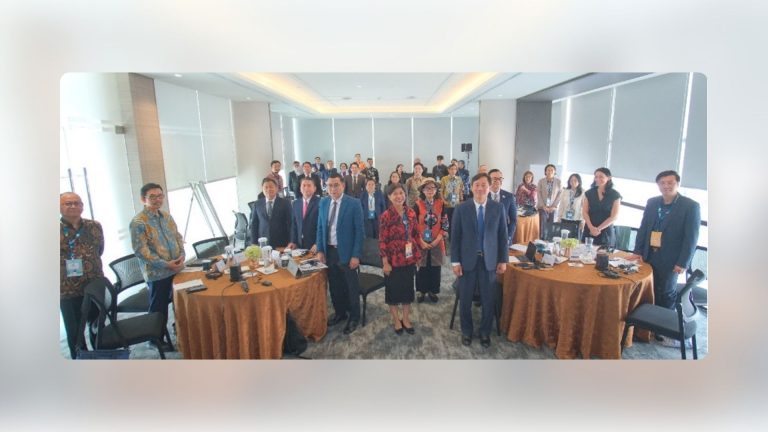





September 16-17, 2026 | UCLG ASPAC co-organised a session on “Low Carbon Emission City: Energy Transition and Urban Mobility” alongside GIZ, ESCAP, and the Global Covenant of Mayors for Climate and Energy (GCoM) Southeast Asia Secretariat. Held as part of the Urban Climate Forum 2026, with a technical visit to TransJakarta on 17 September, the session brought together national and local governments, experts, development partners, Urban-Act pilot cities and GCoM signatories to exchange experiences on energy transition and sustainable urban mobility.
A key message from the session was that the transition to low-carbon and sustainable cities requires more than technological solutions. It calls for integrated planning, effective governance, appropriate financing and meaningful participation from communities and other stakeholders.
Connecting Energy Transition with Urban Development
Mr. Heinrich Gudenus, Urban-Act Project Director, GIZ, welcomed the delegates. Prof. Dr. Bambang Susantono, Advisor of UCLG ASPAC, stressed that the transition is a governance challenge requiring coordination across levels of government and with development partners, the private sector, and civil society.
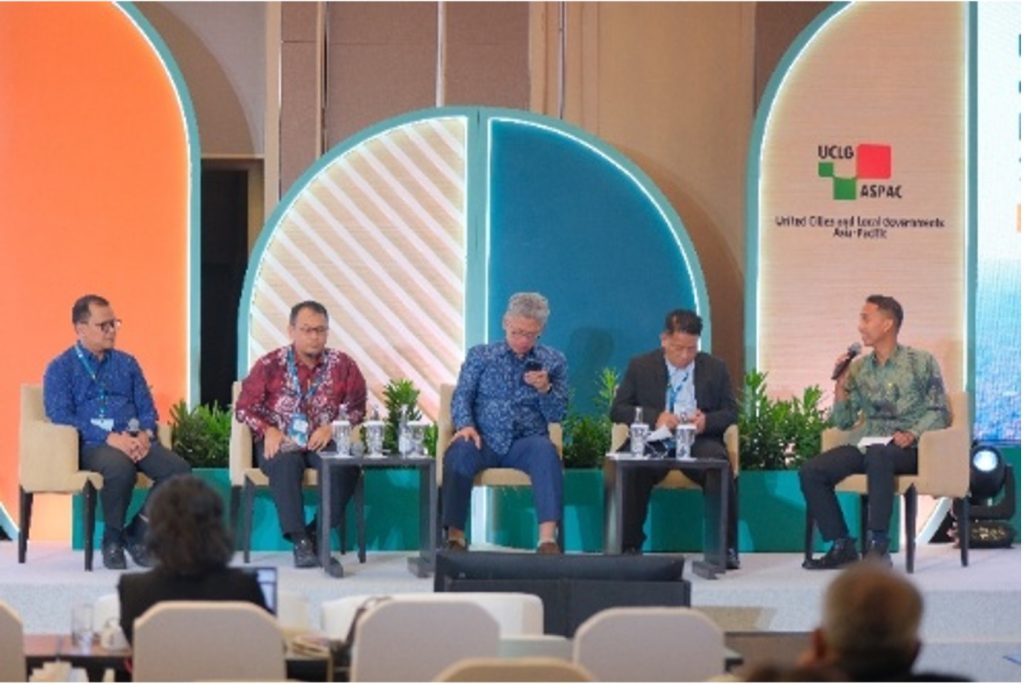
Mr. Togu Pardede from the Ministry of National Development Planning of Indonesia (Bappenas) highlighted that energy transition is not only about reducing emissions, but also about strengthening energy security, productivity, access, and quality of life. Mr. Neil G. Ravena, demonstrated how active mobility, public space, heritage conservation, and climate-responsive infrastructure can contribute to more liveable urban environments in Iloilo City, the Philippines. Mr. Malindo Wardana of the Institute for Essential Services Reform (IESR) highlighted the growing role of residential cooling in urban energy demand and the need for stronger energy efficiency measures. Ms. Fitri Hernandi, Head of the Transportation Department, South Kalimantan Province, presented the region’s experience in developing a bus rapid transit (BRT) system to provide public transport services across the Banjarbakula metropolitan area, comprising multiple cities and regencies.
Turning Mobility Transformation into Local Action
The second part of the session featured Urban-Act pilot cities from the Philippines and Thailand alongside international experts discussing practical approaches to urban mobility transformation.
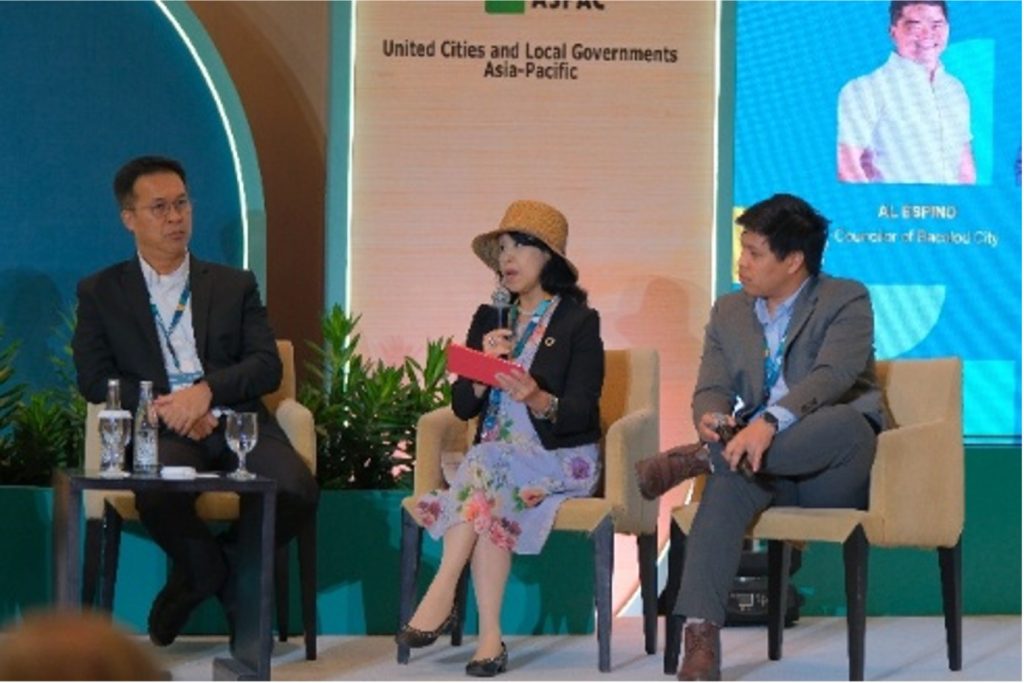
Mr. Al Espino, Councillor of Bacolod City, highlighted that transport modernisation is also a social transition requiring engagement with existing operators and communities. From Chiang Mai, Deputy Mayor Kanchanok Prakadwuttisan emphasised the importance of integrating electric public transport with existing systems, particularly through first-and last-mile connectivity.
Mr. Narin Latan presented the Chiang Mai Provincial Administrative Organisation’s initiative to convert traditional public buses to electric buses. Launched in 2026, the project aims to begin EV bus operations in early 2027, and highlighted the need for technical and financial support to expand electric bus services, including the electrification of smaller passenger vehicles and feeder services. Ms. Vera Huang of Shenzhen Bus Group joined remotely to share experience in public transport network planning and electric bus implementation.
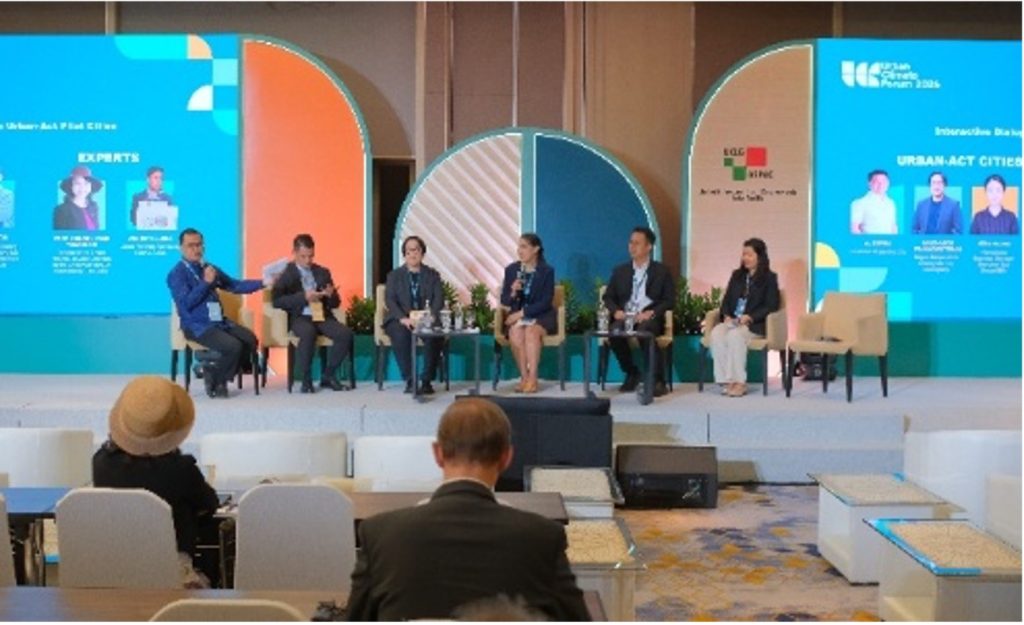
Mr. Vincent Ullero, Clean Air Asia introduced a three-step approach to assess climate risks, integrate climate considerations into planning, and translate priorities into investment programmes. Prof. Shinobu Yume Yamaguchi of the United Nations University Institute for the Advanced Study of Sustainability (UNU-IAS) emphasised the need to bring mitigation, adaptation and equity together in mobility planning, including consideration of climate risks and the needs of transport operators and different groups of urban residents.
Peer-to-peer Learning Session: Penang City Council, Bogor City Government, and TransJakarta
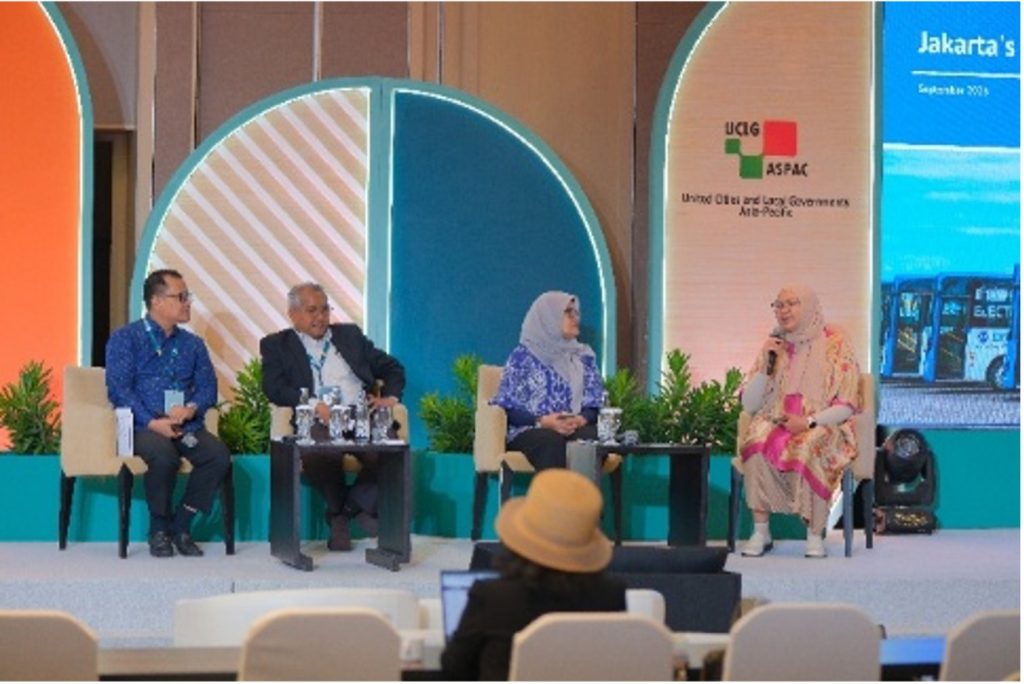
Mr. Zainuddin bin Mohamad Shariff, Deputy Director of the Engineering Department, Penang City Council, shared the city’s LinkBike bicycle-sharing system and its role in supporting first-and last-mile connectivity. Ms. Anne Ruilanti, Head of the Development Planning Agency, Bogor City, presented the city’s integrated approach covering public transport, transit-oriented development, walking and cycling infrastructure, emissions management, and electric mobility. Ms. Ardina Putri Rahatama, Manager of Route Planning, Development and Evaluation at PT Transportasi Jakarta (TransJakarta) – the government-owned company operating Jakarta’s Bus Rapid Transit (BRT) system – shared its experience in the phased electrification of its bus fleet, highlighting the importance of charging infrastructure, depot facilities, maintenance, electricity capacity and coordination with contracted operators.
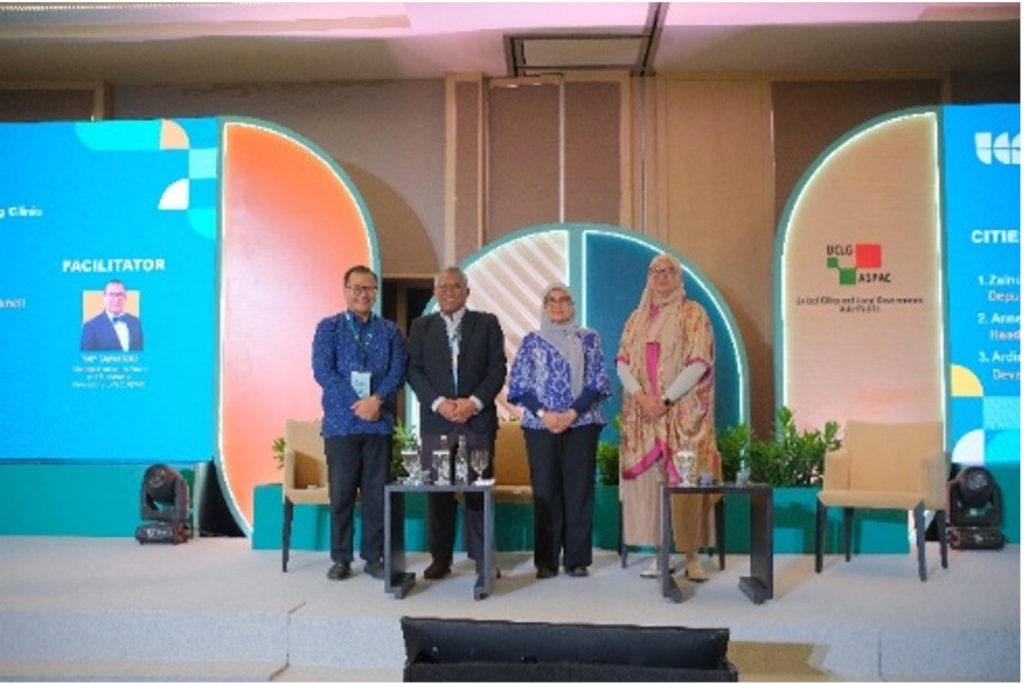
Across these experiences, a common message emerged: sustainable mobility is about transforming the entire mobility system, not simply replacing conventional vehicles with electric ones. Successful transformation requires integrated networks, appropriate operating models, financing, infrastructure, institutional coordination and continued engagement with people who use and provide transport services.
Learning from Jakarta’s Public Transport Transformation
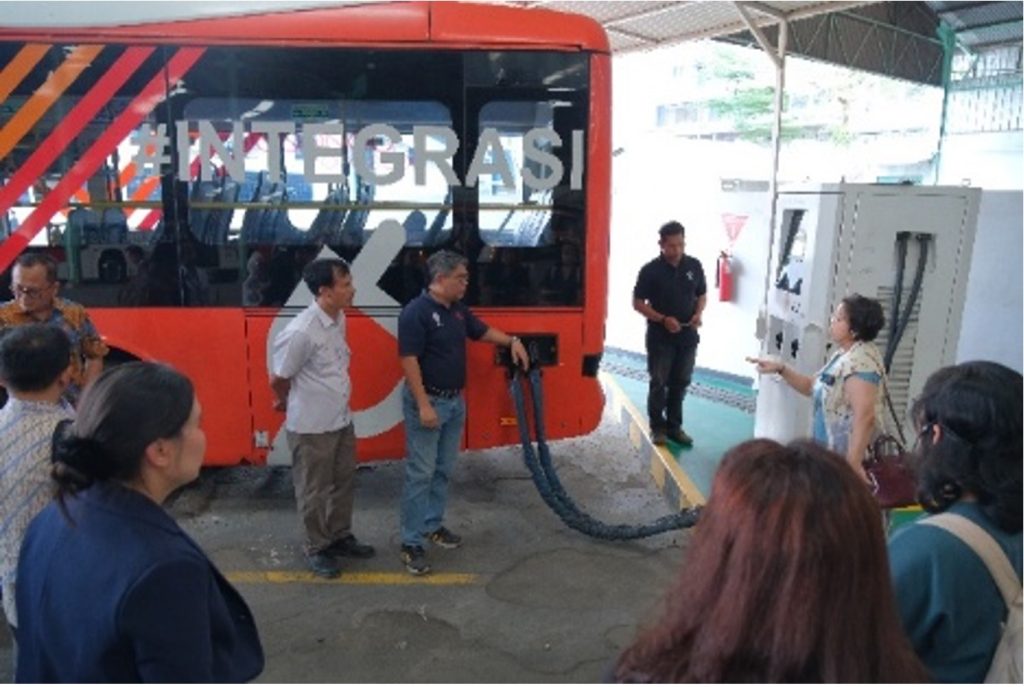
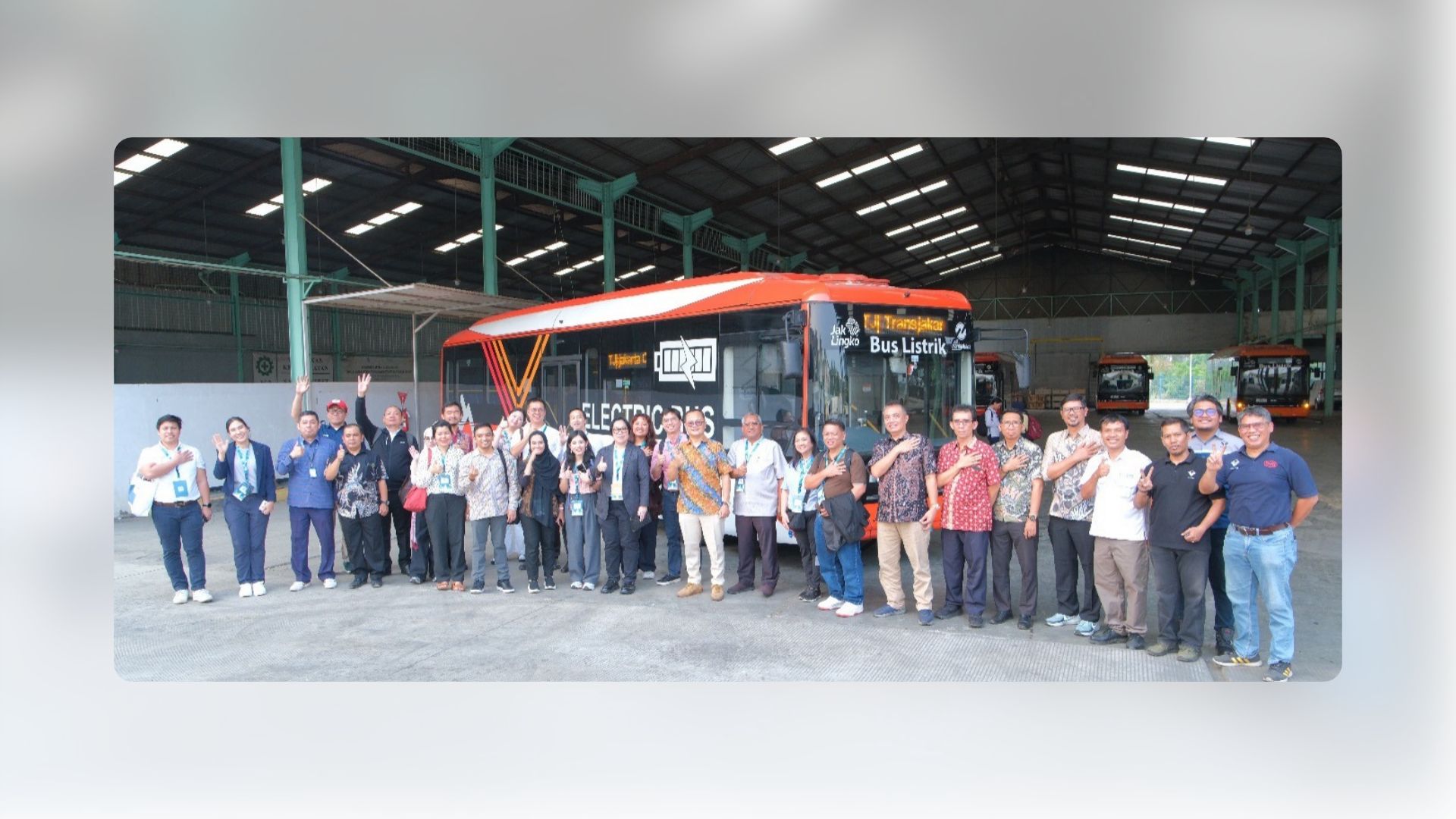
The discussions continued through a technical visit to TransJakarta on September 17. TransJakarta General Director, Mr. Welfizon Yuza welcomed the delegation, followed by a presentation from Ms. Ardina Putri Rahtama on TransJakarta’s experience in building an integrated public transport system. In 2025, TransJakarta it recorded around 400 million passenger trips, with services extending beyond Jakarta through TransJabodetabek connections.
Participants also learned about Jakarta’s ambition to transition to a fully electric TransJakarta fleet by 2030, supported by regulatory frameworks, the Public Service Obligation (PSO) subsidy mechanism, phased fleet electrification, digital systems, and integrated transport infrastructure.
From Peer Learning to Practical Action
Throughout the two-day programme, one message was clear: successful low-carbon urban transformation requires an integrated approach connecting energy, mobility, spatial planning, infrastructure, financing and people. Continued peer-to-peer exchange and practical learning can help cities and local governments adapt relevant approaches to their own circumstances and translate them into action.