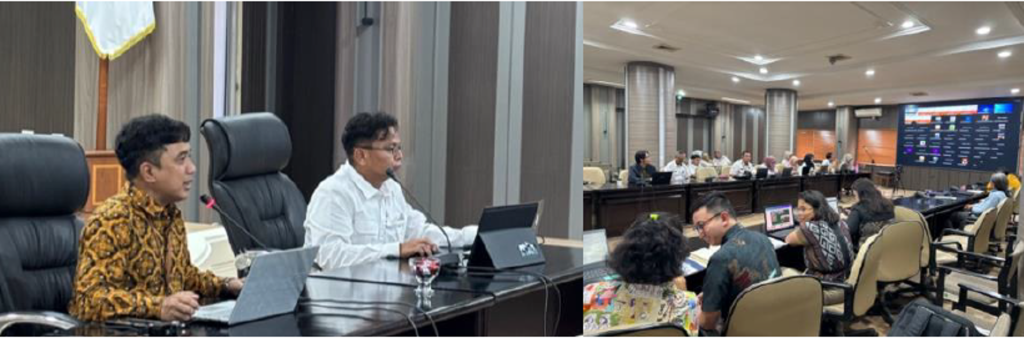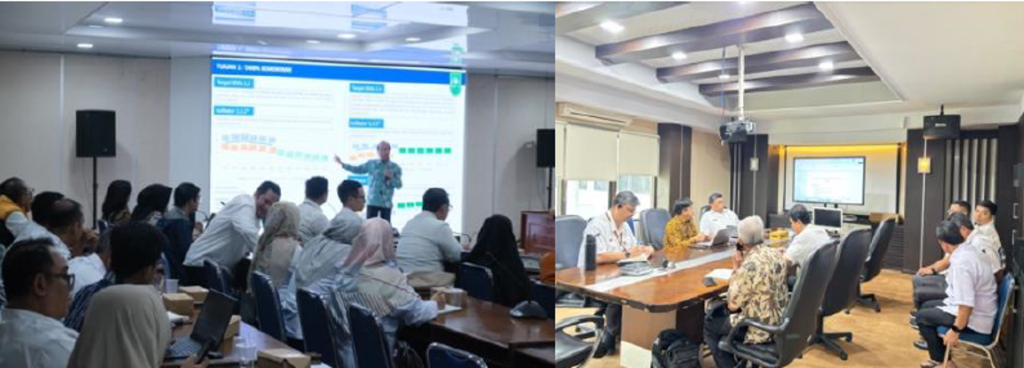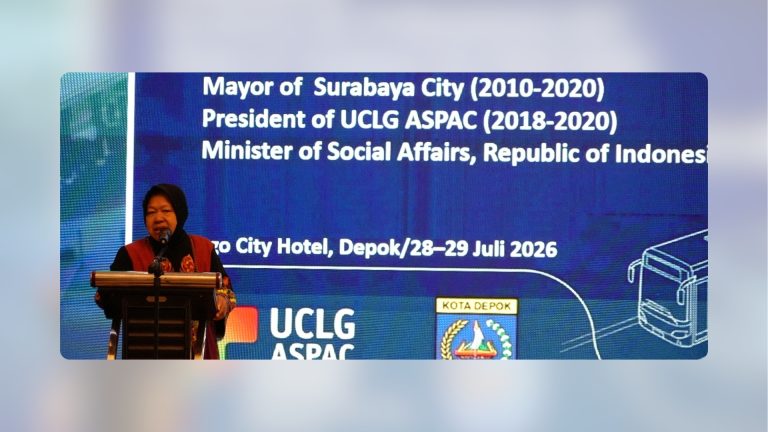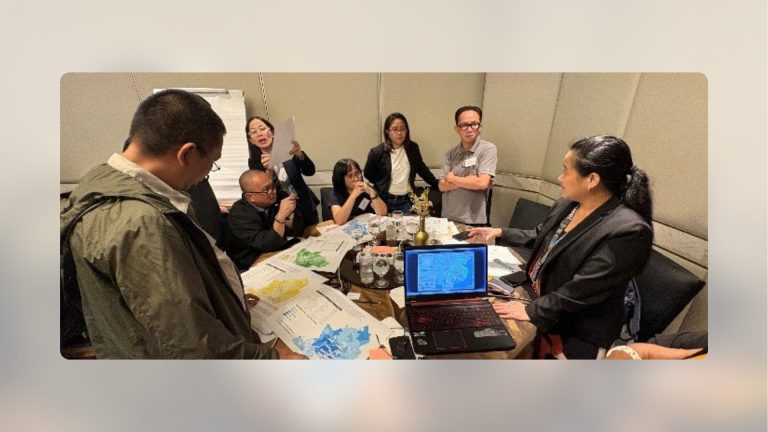




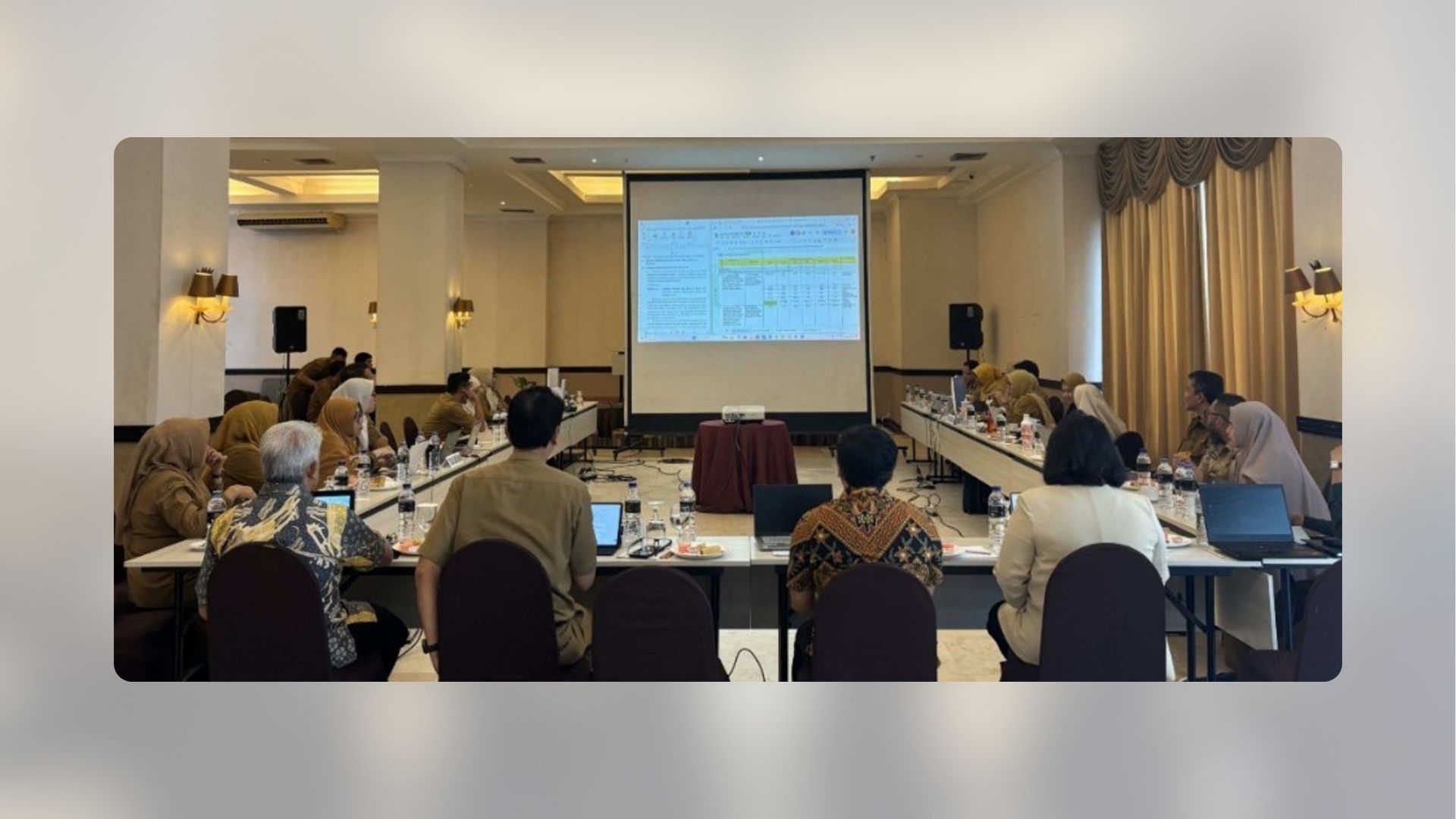
January – May 2026 | UCLG ASPAC, in partnership with the National Secretariat for SDGs of Indonesia’s Ministry of National Development Planning (Sekretariat Nasional/Seknas SDGs) and Tanoto Foundation, supported four Indonesian provincial governments in developing their Regional Action Plans (Rencana Aksi Daerah/RAD) for the SDGs (RAD SDGs) 2025–2030.
Implemented between January and May 2026, the initiative assisted the provincial governments of Central Java, Riau, East Kalimantan, and North Sumatra in developing strategic and implementation-oriented SDG action plans that aligned with national priorities while addressing local development challenges. The project aimed not only to produce planning documents but also to strengthen institutional capacities, improve stakeholder engagement, and reinforce multi-level governance for sustainable development.
The collaboration was part of our long-term commitment to continuously support cities and local governments in achieving the Sustainable Development Goals (SDGs). Despite the fast-approaching 2030 deadline, we believe this support will remain relevant, as the pursuit of sustainability does not end with the SDGs. Building resilient, inclusive, and sustainable communities is an ongoing commitment that extends well beyond 2030.
Supporting Local Governments to Localise the SDGs
The Regional Action Plan (RAD SDGs) serves as a key instrument for translating national SDG commitments into provincial development strategies. Through this project, each province developed a comprehensive RAD SDGs document containing contextual analyses, SDG target and indicator matrices, government programme alignments, contributions from non-state actors, and monitoring and evaluation frameworks.
While each province was at a different stage of readiness, the accompaniment process enabled local governments to strengthen the integration of SDGs into their planning systems. Central Java demonstrated the most advanced progress, building upon an existing regulatory framework, while Riau, East Kalimantan, and North Sumatra adapted the process to their respective institutional and policy contexts.
Beyond the preparation of RAD SDGs documents, the project also produced four policy recommendation papers addressing institutional arrangements, monitoring and evaluation systems, SDG-responsive budgeting, and stakeholder participation. These recommendations are expected to support provinces in moving from planning to implementation and ensuring the sustainability of SDG efforts beyond the project period.
A Multi-Stakeholder Approach to Sustainable Development
One of the defining features of the project was its commitment to inclusive and participatory planning process. Throughout the five-month implementation period, the project organised workshops, focus group discussions and technical consultations, involving government agencies, universities, civil society organisations, development partners, and private sector representatives.
In total, approximately 615 participants were engaged in project activities across the four provinces. These engagements helped ensure that the RAD SDGs reflected diverse perspectives and encouraged broader ownership of sustainable development initiatives.
Particular attention was given to strengthening the role of non-state actors. Through structured consultation mechanisms, private sector entities, civil society organisations, and academic institutions were encouraged to identify and document their contributions to SDG implementation through a matrix attached to the RAD SDGs designed for these non-state actor entities. This approach reinforced the principle that achieving the SDGs requires a whole-of-government and whole-of-society effort.
The project also promoted collaboration between provincial governments and university-based SDGs Centres. By acting as technical advisors and neutral facilitators, SDGs Centres helped bridge policy discussions, evidence generation, and stakeholder engagement. The strengthened relationship between provincial planning agencies (Bappeda) and SDGs Centres emerged as one of the project’s most valuable institutional outcomes.
Strengthening Capacity and Institutional Readiness
Beyond producing planning documents, the project contributed significantly to strengthening provincial capacities for SDG implementation.
Through technical accompaniment and iterative review processes, participating provinces improved their ability to design monitoring and evaluation systems, harmonise indicators with national frameworks, and align SDG targets with regional development plans and budgeting mechanisms. Provincial planning teams also gained valuable experience in managing multi-stakeholder consultation processes and coordinating across government agencies.
The project further supported the harmonisation of provincial indicators with national SDG reporting systems, helping reduce duplication and improve consistency in monitoring progress. Alignment with provincial medium-term development plans (RPJMD) ensured that SDG commitments were linked to concrete programmes and budget allocations, enhancing the practicality and implementation potential of the RAD SDGs.
Lessons Learned for SDG Localisation
The project generated several important lessons that may inform future SDG localisation efforts in Indonesia and beyond.
- First, effective SDG localisation requires strong multi-level governance. Collaboration amongst national government, local governments, universities, and development partners proved essential in navigating technical challenges and ensuring policy coherence.
- Second, flexibility is critical. Provinces differ significantly in terms of institutional capacity, data availability, and policy readiness. Tailored support and adaptive methodologies are therefore necessary to ensure meaningful participation and ownership.
- Third, SDG localisation is not solely a planning exercise. It requires ongoing coordination, monitoring, stakeholder engagement, and institutional commitment. The project’s emphasis on strengthening partnerships and governance structures provides a foundation for continued implementation and learning.
Looking Ahead
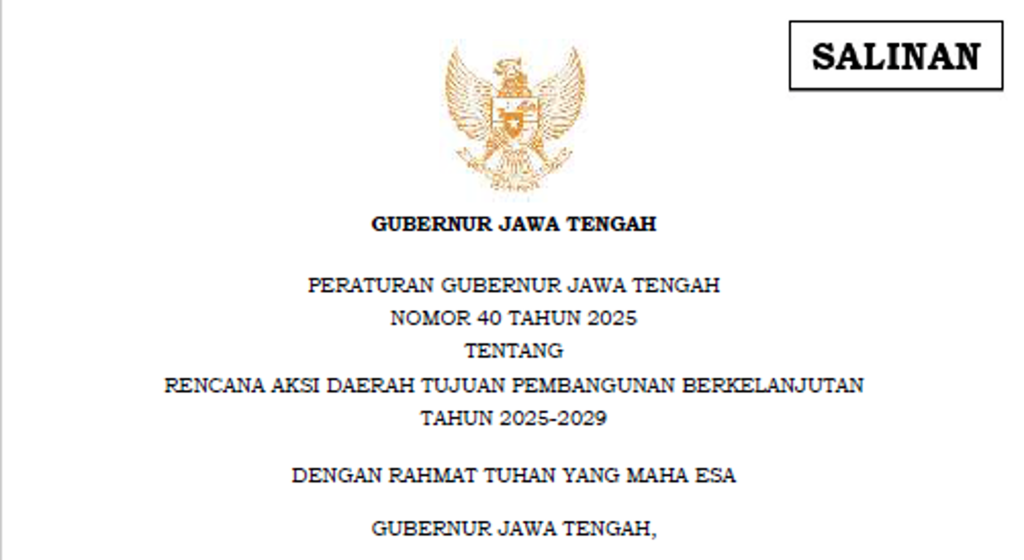
The project concluded in May 2026 with the completion of four provincial RAD SDGs documents, four policy recommendation papers, and a cross-provincial best practices report. These outputs provide practical guidance for provincial governments as they move toward implementation and contribute to Indonesia’s broader sustainable development agenda.
More importantly, the initiative demonstrated the value of targeted technical assistance and collaborative partnerships in strengthening SDG localisation. As Indonesia enters the final years of the 2030 Agenda, empowering local and regional governments to plan, implement, monitor, and evaluate sustainable development initiatives will remain critical.
Through partnerships such as this, UCLG ASPAC continues to support local governments in translating global goals into local action, ensuring that sustainable development is not only planned but delivered where it matters most—in communities and territories across the country.