




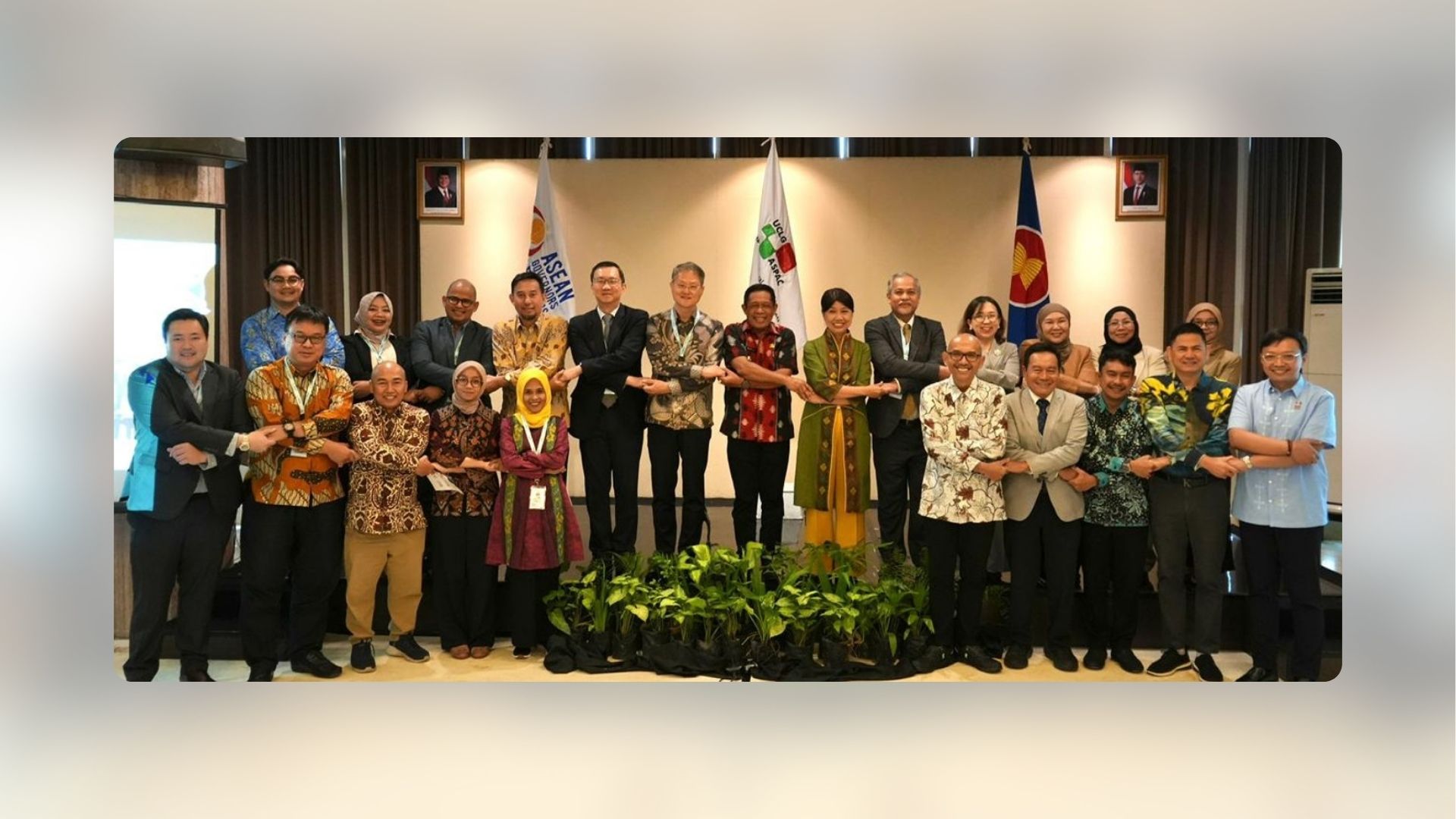
May 7, 2026 | UCLG ASPAC convened approximately 20 regional experts, including national government officials, local government leaders, technical office staff, academicians, and ASEAN entities representatives from across Southeast Asia in Kendari, the capital of Southeast Sulawesi, for the 2nd Expert Group Meeting (EGM) on Localising the ASEAN Community Vision (ACV) 2045. This meeting is the second in a strategic series designed to build a practical architecture for implementing ACV 2045 at the sub-national level. While the 1st EGM in November 2025 in Kuala Lumpur established the baseline conceptual foundations and principles of the localisation framework, this second gathering focused on validating the draft guidelines and ensuring no critical local implementation elements were overlooked.
Driving Regional Resilience Through Local Action
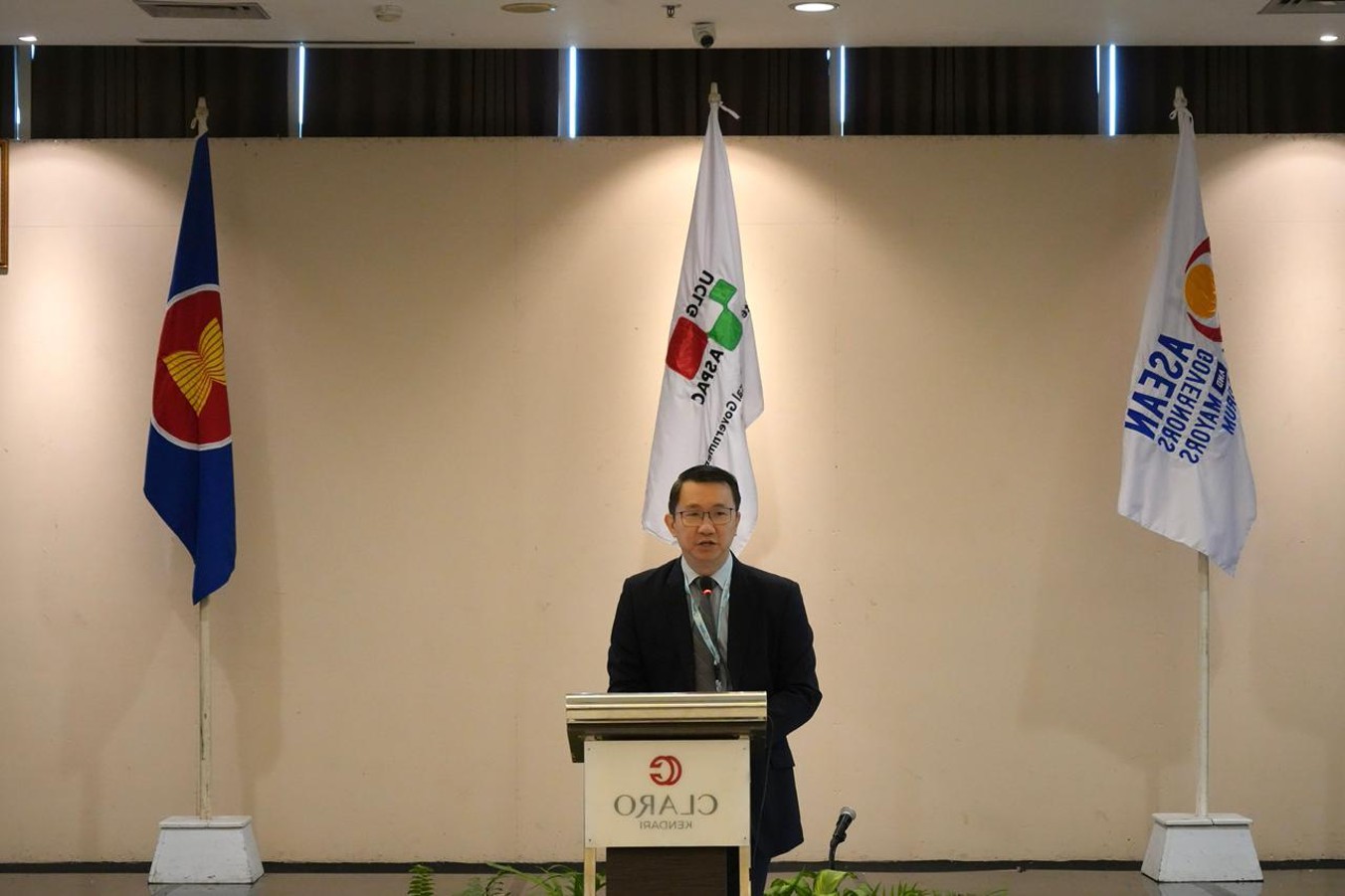
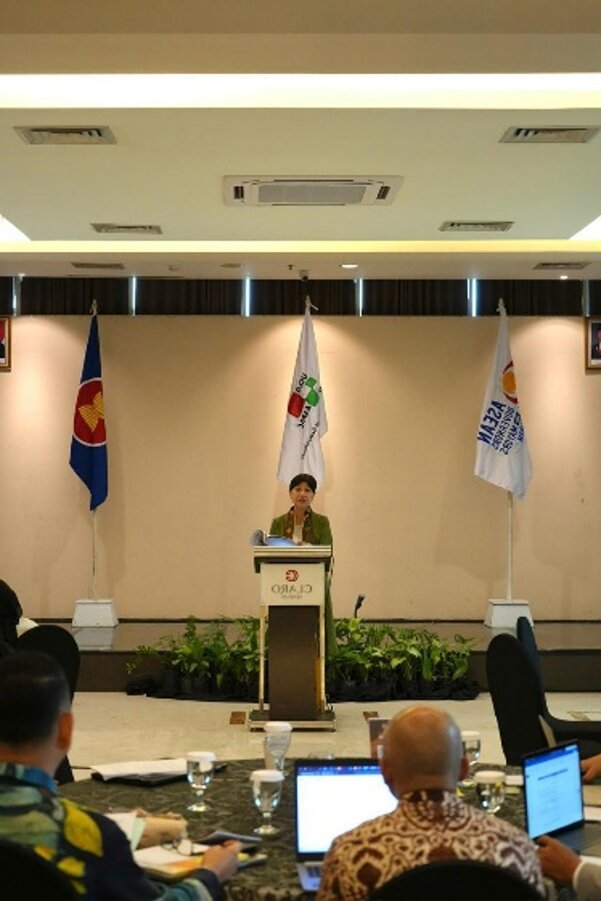
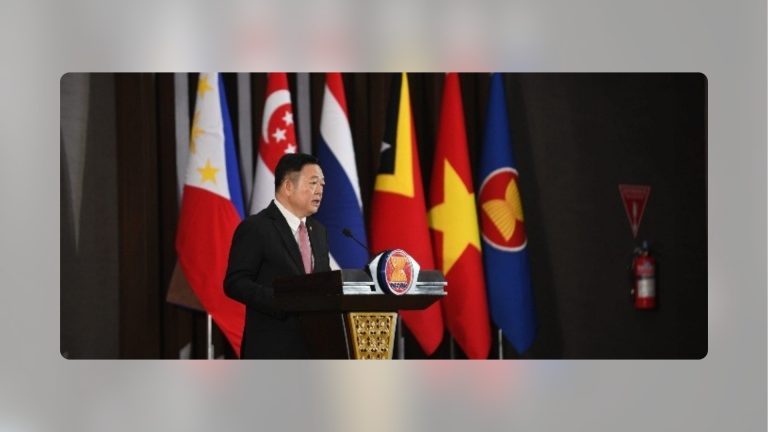
The meeting commenced with opening remarks from Mr. Chze Cheen Lim, Director of the ASEAN Connectivity Division at the ASEAN Secretariat, and Dr. Bernadia Irawati Tjandradewi, Secretary General of UCLG ASPAC and the AGMF Secretariat. Both leaders underscored that sub-national governments are not merely stakeholders, but indispensable implementers of regional commitments and fundamental drivers of localised resilience.
Inside the Engine Room: The Three Pillars
The core of the EGM utilised a rotating breakout group format designed to thoroughly evaluate the guideline’s draft indicators against the three pillars of the ASEAN Community. Participants were divided into three concurrent working groups, each led by an experienced facilitator:
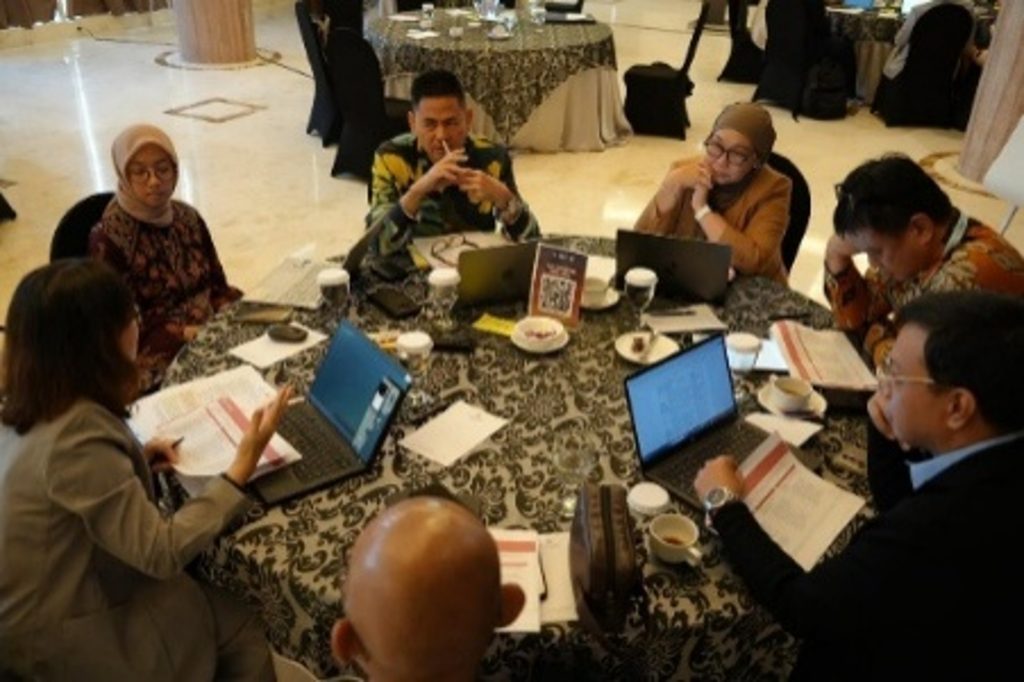
- Group A took on the Socio-Cultural Community pillar (ASCC). It examined how the draft guideline addressed the socio-cultural dimension, identifying the indicators best suited to capturing local government action in this space, and surfacing the programmatic gaps that remain.
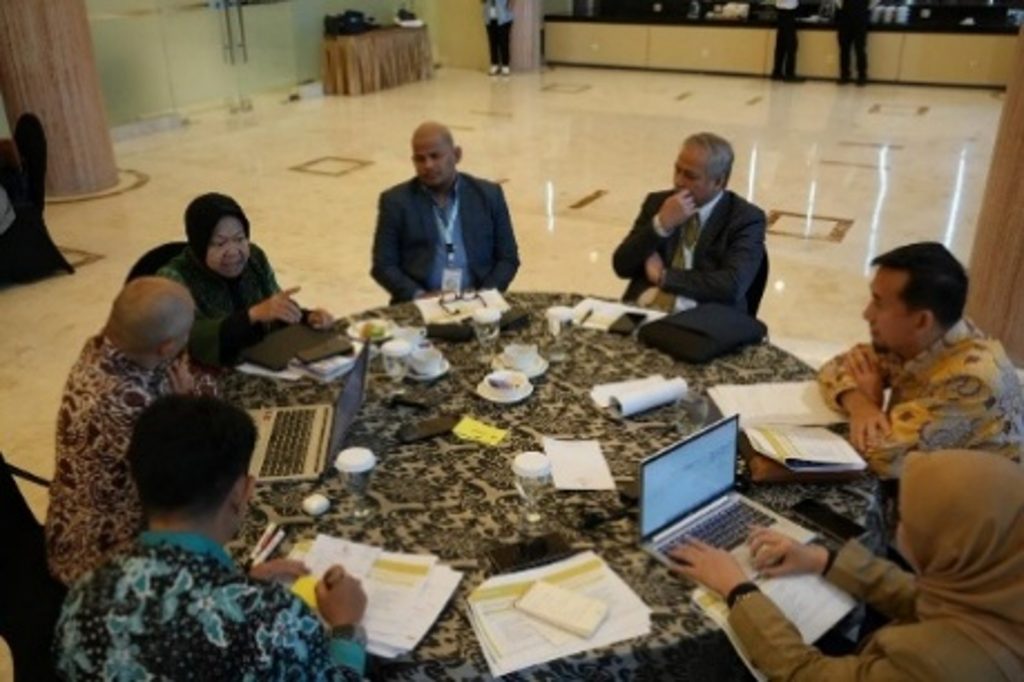
- Group B addressed the Economic Community pillar (AEC). The challenge for this group was to ensure that the indicators under consideration were genuinely meaningful at the local scale, focusing specifically on measuring what local governments can actually influence rather than relying on macroeconomic proxies for national performance.
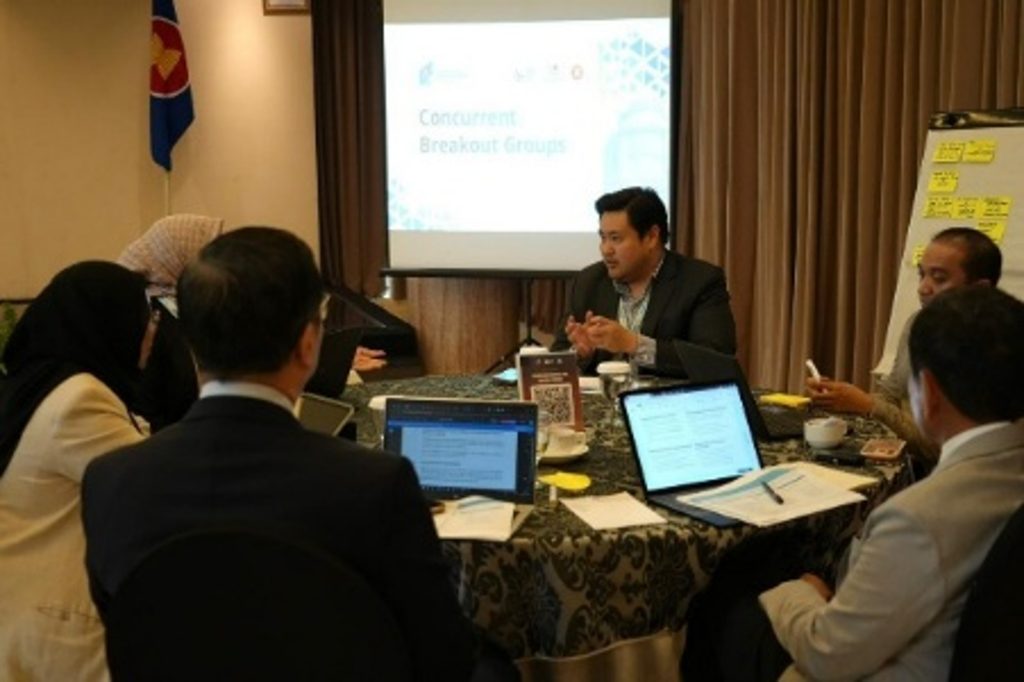
- Group C turned to the Political-Security Community pillar (APSC). It emphasised that for local governments, the APSC pillar is not an abstraction; it represents the daily reality of how public authority is exercised and experienced on the ground.
To ensure a comprehensive review, each breakout group was charged with producing three concrete outputs: a set of actionable recommendations for refining the guideline, a shortlist of highly measurable and locally relevant priority indicators, and an honest assessment of current operational gaps.
The Road Ahead
The final session successfully consolidated these targeted insights into an official, agreed-upon technical output document outlining the final architecture and the next steps for the framework. The full versions of the framework, guideline, and indicator matrix will be developed immediately. These drafts will then be circulated for wider consultation, review, and validation throughout June and July to strengthen regional ownership and ensure no critical local realities are left,
As Mr. Chze Cheen Lim noted in his closing remarks, the Kendari meeting is not an endpoint—it is a launchpad for shared progress. The AGMF Secretariat will now systematically integrate this expert feedback to finalise the official localisation guidelines and indicator sets, ensuring all identified gaps are addressed. Once finalised, these tools will be integrated into the upcoming ACV 2045 Monitoring and Evaluation Web Portal to track sub-national progress across the region. This collaborative journey marks a definitive step toward turning ASEAN’s grand regional vision into concrete, evidence-based local action.