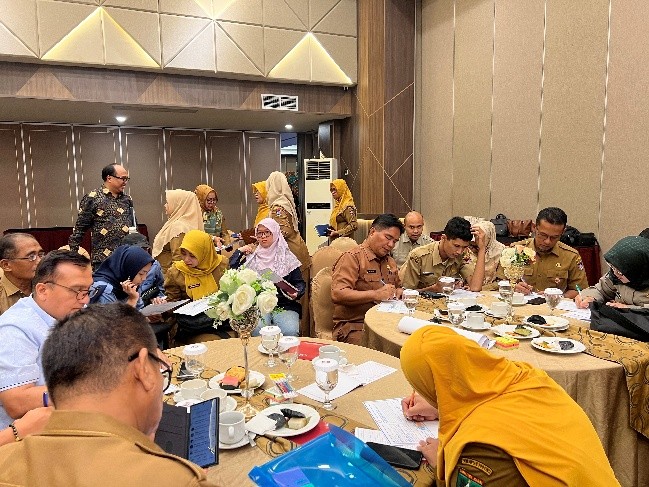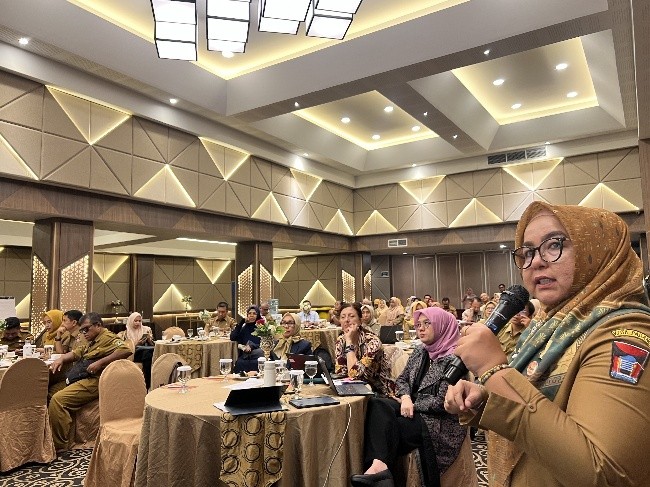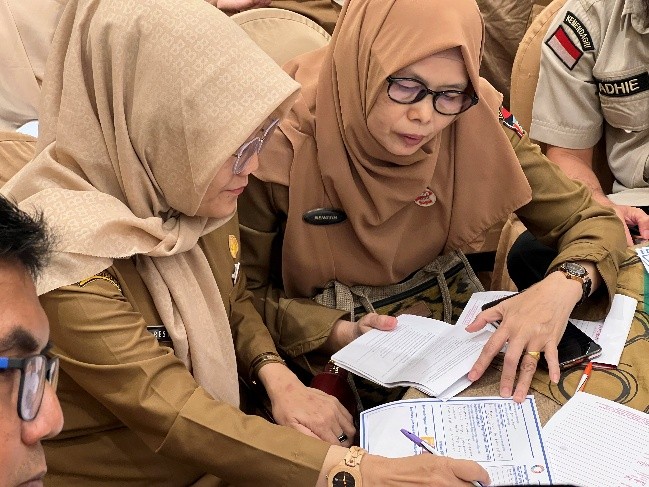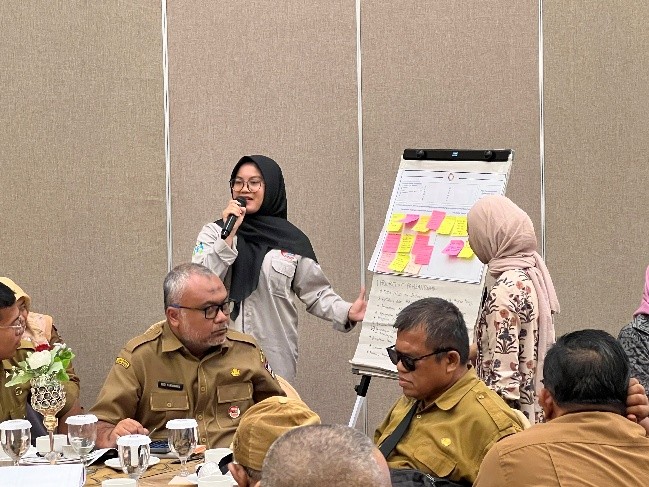





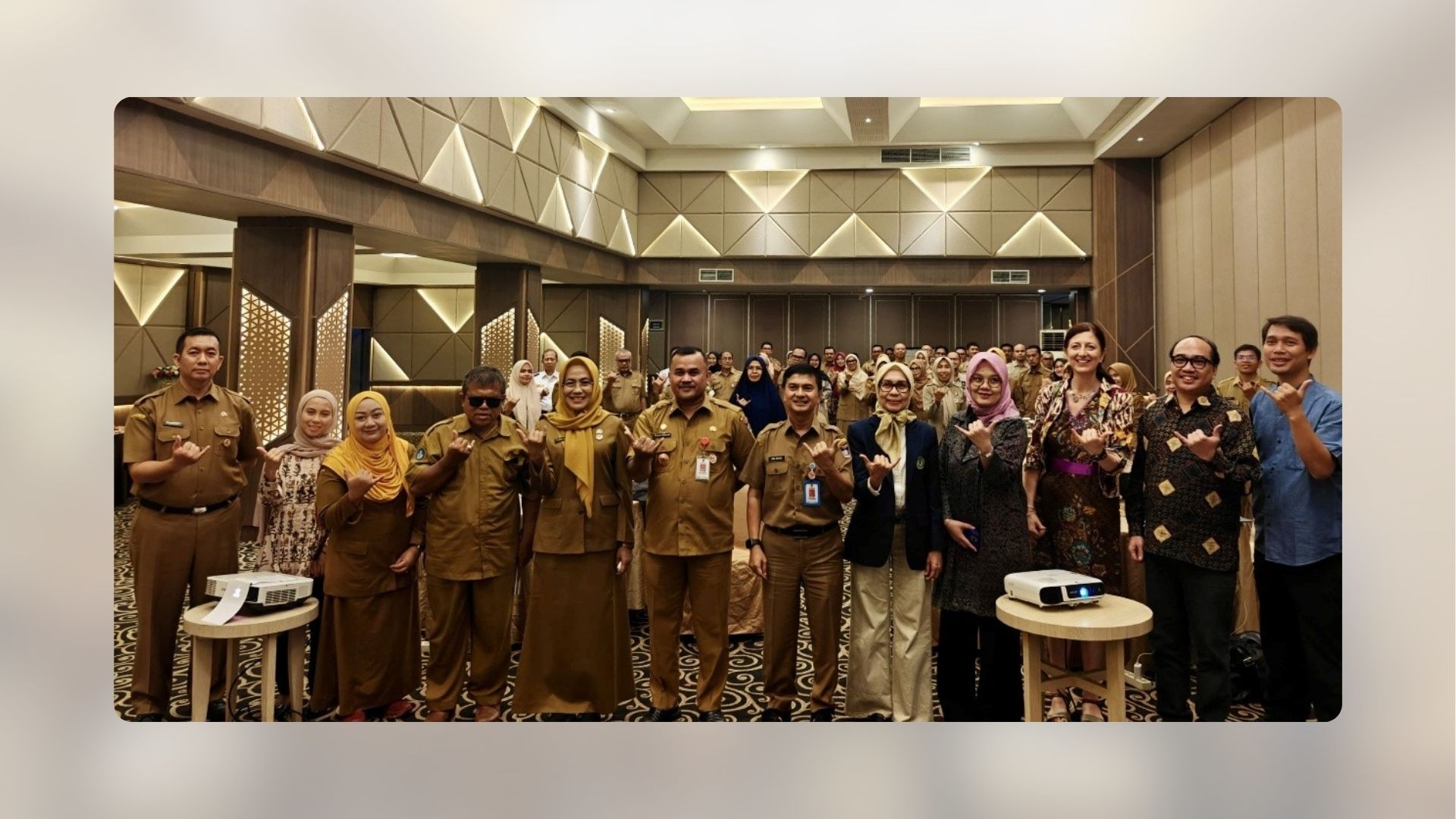
April 21, 2026 | UCLG ASPAC supported Padang City in convening a Public Consultation Meeting for the preparation of its first Voluntary Local Review (VLR), marking an important step in aligning local development priorities with the Sustainable Development Goals (SDGs). The meeting brought together more than 70 participants coming from a diverse group of stakeholders: local government agencies in Padang, the private sector, civil society, and development partners, including representatives from the Indonesian Association of Persons with Disabilities (Perkumpulan Penyandang Disabilitas Indonesia/PPDI), youth groups, and officials from the West Sumatra Province.
The initiative is a collaboration led by the Padang City Government with the United Nations Economic and Social Commission for Asia and the Pacific (ESCAP) and UCLG ASPAC under the Urban-Act project, with support from the United Nations Resident Coordinator’s Office in Indonesia.
Padang City continues to address a range of development challenges, including improving access to basic services such as clean water, sanitation, housing, health, and education. At the same time, there is a need to support inclusive economic growth, particularly for micro, small, and medium enterprises and the informal sector.
Environmental pressures also remain significant. Waste and wastewater management, limited green space, and declining environmental quality are ongoing concerns. As a coastal city exposed to seismic and hydrometeorological risks, Padang is also increasingly affected by climate-related challenges, including higher rainfall intensity, flooding, and rising sea levels. Strengthening climate action, both mitigation and adaptation, is therefore becoming more urgent to protect communities, infrastructure, and the local economy.
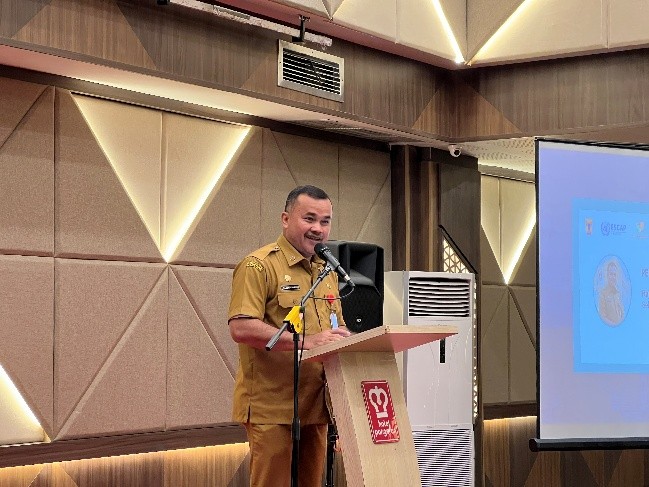
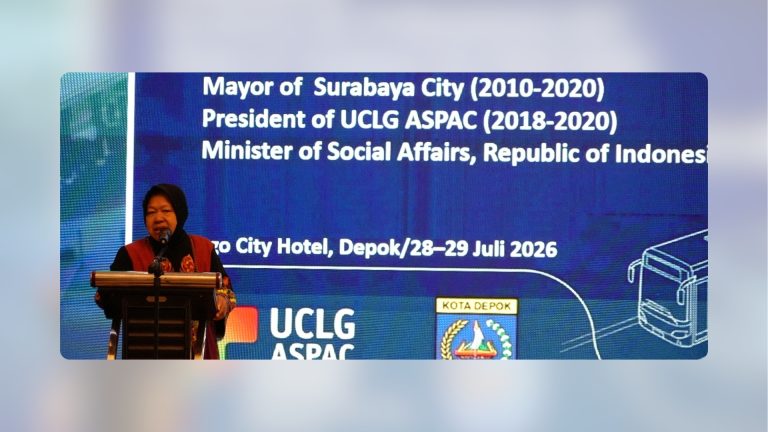
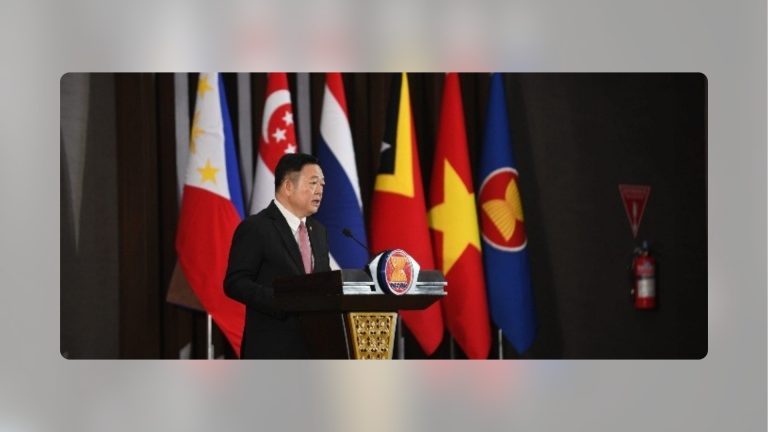
The event was opened by the City Secretary of Padang, Mr. Raju Minropa. In his remarks, he highlighted the importance of the consultation as a space to gather inputs and strengthen coordination across sectors.
UCLG ASPAC Secretary General Dr. Bernadia Irawati Tjandradewi, through a video message, congratulated Padang City for taking this important step and expressed continued support throughout the VLR process.
Against this backdrop, Padang City sees VLR development as timely, helping to assess progress across key dimensions while strengthening coordination, data use, and stakeholder engagement. More importantly, it will also provide space for reflection. Padang can better understand where they are making progress, where gaps remain, and what needs to be adjusted moving forward.
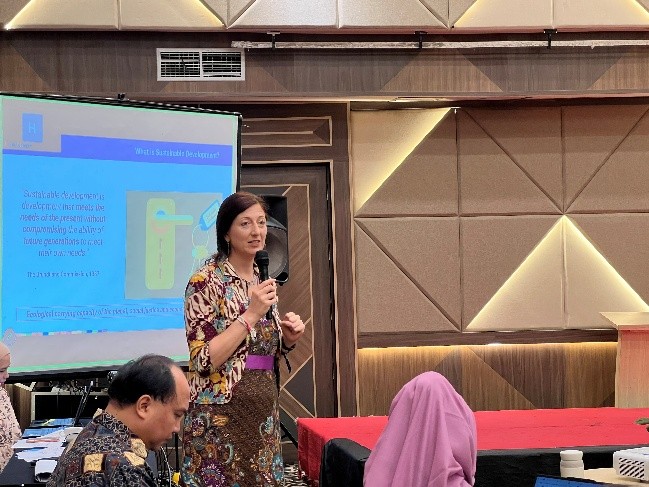
In the VLR Public Consultation Meeting, a representative from National Development Planning Agency (Badan Perencanaan Pembangunan Nasional/Bappenas) shared the role of VLRs in strengthening alignment between local, national, and global development agendas. He also shared guidance on the structure of the VLR document and key aspects to consider during its preparation. A representative from UNESCAP complemented this by highlighting the value of SDGs localisation and how VLRs can support evidence-based policymaking, strengthen accountability, and encourage collaboration among stakeholders.
By developing the city’s VLR, Padang City joins a growing number of cities in the Asia-Pacific region that are taking concrete steps to localise the SDGs and translate global commitments into action at the local level. Engaging various stakeholders from the West Sumatra Province, Padang City is building a shared understanding of the VLR as more than a reporting tool. It is expected to support better coordination, encourage the use of data in decision-making, and strengthen more inclusive development planning. In the longer term, the VLR is also expected to help the city move toward a more integrated and accountable approach to development.
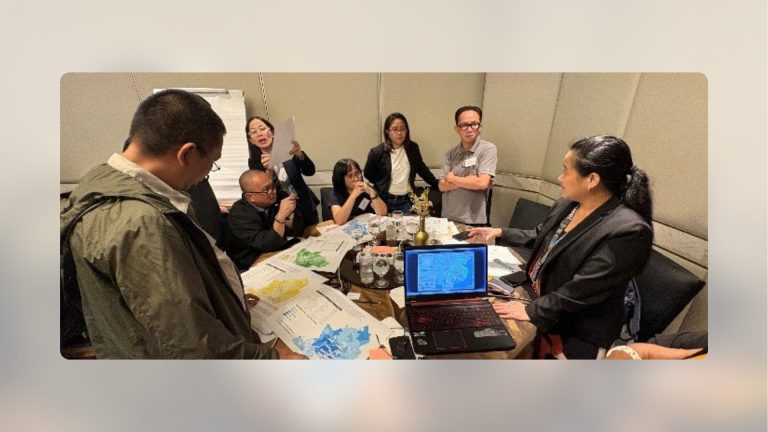
The consultation generated a range of insights through two roundtable discussions. The first session focused on identifying Padang City’s key development priorities, along with relevant SDG goals and targets to be reflected in the VLR. The second session explored challenges related to data collection, particularly in supporting evidence-based assessment. Across the three thematic groups covering social, economic, and environmental aspects, participants shared perspectives that helped clarify priority issues, identify relevant SDGs, and map available data sources and supporting documents. The discussions also identified good practices and ongoing initiatives that contribute to SDGs in Padang City. Overall, the consultation helped build a stronger foundation for developing a participatory and evidence-based VLR for Padang City. The inputs gathered through the consultation will be further synthesised and analysed to inform the development of Padang City’s VLR document.
UCLG ASPAC highly appreciates the growing interest among cities and local governments in assessing development progress in a more integrated and transparent way. UCLG ASPAC, actively involved in supporting the development of VLRs across the region, remains committed to supporting local governments and working with partners in advancing the implementation of the SDGs through to 2030.