



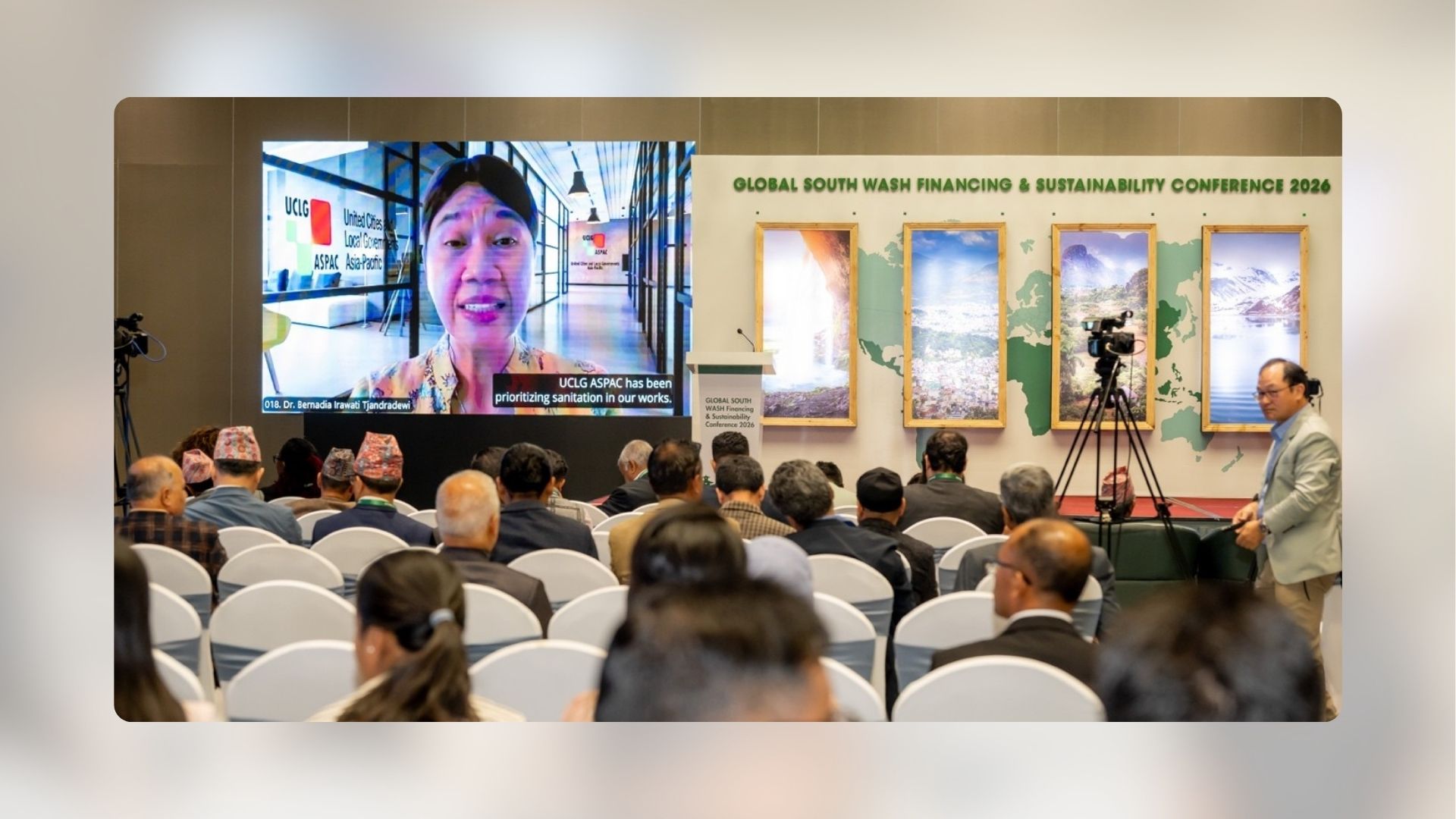
April 1-3, 2026 | Kathmandu – UCLG ASPAC contributed to the Global South WASH Financing & Sustainability Conference 2026, held in Kathmandu, Nepal. The conference convened government representatives, development partners, financial institutions, academia, and local government leaders to address a central question: how can financing systems enable sustainable and inclusive WASH services in the Global South?
In her video message, the Secretary General of UCLG ASPAC highlighted three key points. First, she emphasised that financing must align with local responsibilities, supported by predictable, long-term funding and institutional strengthening. Second, she noted that sustainable sanitation depends on viable local business models, meaning financing should strengthen both institutions and service delivery systems, not just infrastructure. Finally, she underscored that inclusive sanitation financing enhances resilience, given its strong links to public health, gender equity, and climate vulnerability.
UCLG ASPAC Moderates Global Case Studies on WASH Financing
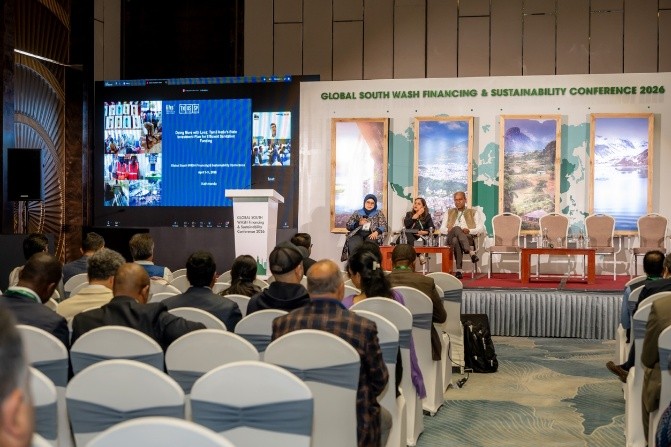
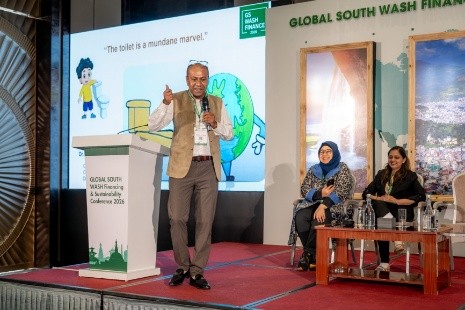
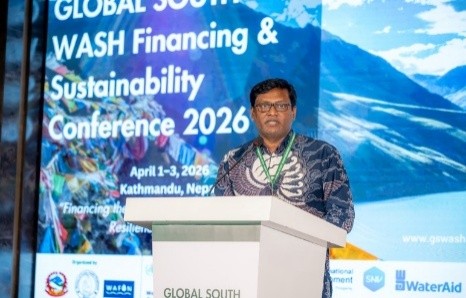
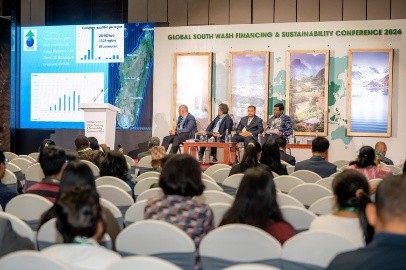
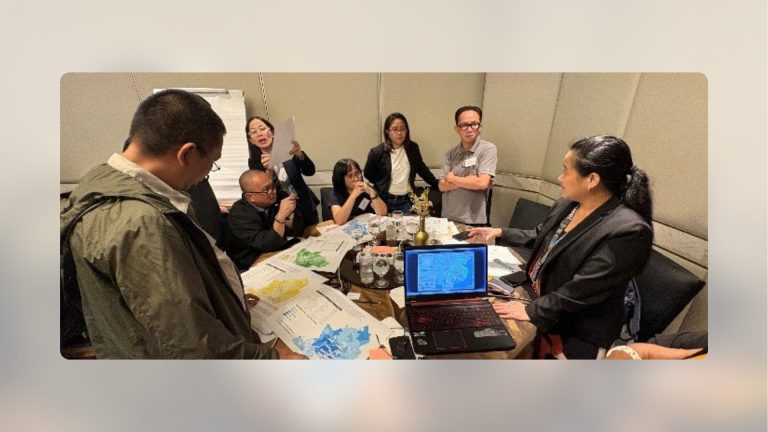
UCLG ASPAC Secretariat also contributed to the session titled “Best Practices – Case Studies on WASH Financing and Sustainability.” Moderating the session, the UCLG ASPAC team, Strategic Services and Programme Manager, Aniessa Delima Sari and Shamim Ahsan Chowdhury, explored diverse financing approaches from India, Nepal, Bangladesh, Madagascar, Malaysia, and Cambodia:
- Tamil Nadu’s state-level sanitation investment plan, focusing on full-cycle management and phased scaling
- Nepal Infrastructure Bank’s (NIFRA) first Green Bond for sustainable investments
- Bangladesh’s CWIS-FSM Support Cell, advocating system-level reform beyond infrastructure expansion
- Blended finance models linking rural water services to private operators in Madagascar
- Digital and tax-based sanitation financing mechanisms in Cambodia
Across the cases, a consistent conclusion emerged: mobilising capital is necessary but not sufficient. Governance reform, cost-recovery systems, performance monitoring, and institutional accountability are equally critical.
Strengthening Evidence and Governance: Collaboration with ITB
A key highlight of UCLG ASPAC’s engagement was its collaboration with Institut Teknologi Bandung (ITB) or Bandung Institute of Technology, Indonesia.
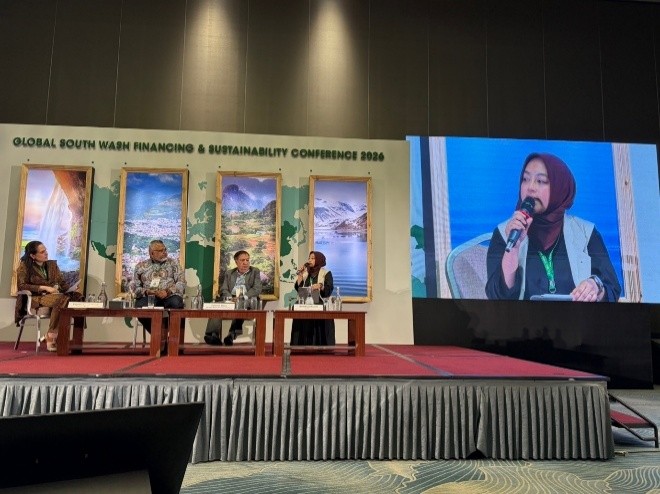
In the Financing Governance for Inclusive Sanitation Services, Dr. Dyah Wulandari Putri (ITB) examined how financing frameworks can enable or constrain inclusion. She drew on Indonesia’s experience in developing fecal sludge management (FSM) business models tailored to intermediary cities and small island contexts, echoing UCLG ASPAC’s call for viable local business models.
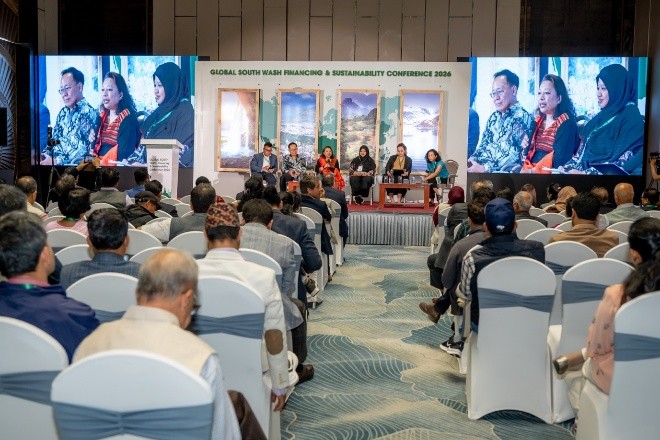
In parallel, Dr. Anindrya Nastiti (ITB) presented Indonesia’s CWIS Monitoring and Evaluation instrument, aligned with SDG indicators and minimum service standards, demonstrating how performance-based planning tools can support more effective and accountable public financing.
These contributions reinforced a central theme of the conference: strong data systems, governance capacity, and institutional clarity are prerequisites for sustainable and bankable WASH investments.
From Projects to Systems
The overarching message of the GSWASH 2026 dialogue was clear: sanitation financing must shift from isolated infrastructure projects to integrated, inclusive, and resilient service systems. It also reaffirmed that achieving SDG 6 will require not only mobilising more finance, but also redesigning financing systems to empower local governments, strengthen governance, and prioritise equity. UCLG ASPAC encouraged cities and local governments to translate these principles into practical solutions at the municipal level, where sanitation services are planned, financed, and delivered daily. It will continue to advance this agenda through regional collaboration, institutional capacity strengthening, and partnerships with academia and development actors across Asia-Pacific.