





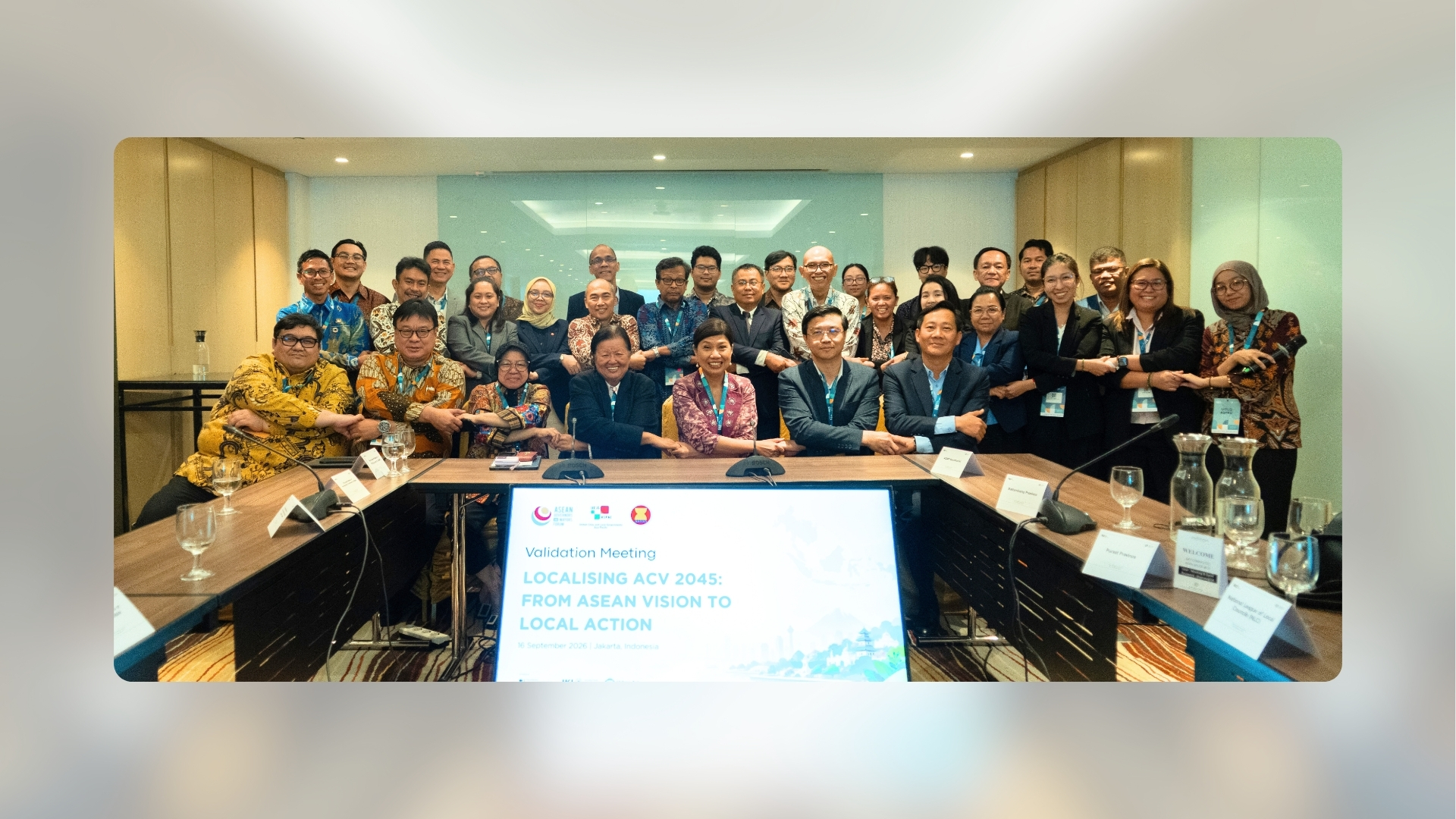
September 16, 2026 | UCLG ASPAC, under the framework of the ASEAN Governors and Mayors Forum (AGMF), convened a validation and consultation session on the draft Localisation Package for the ASEAN Community Vision (ACV) 2045, bringing together representatives of the Committee of Permanent Representatives to ASEAN (CPR), the ASEAN Secretariat, local governments, and academic and research institutions.
The session introduced the key components and functions of the proposed package, including the framework, guideline, indicator matrix, and monitoring tools, and invited participants to discuss how the package could be practical and applied in different local government contexts across the region. Their feedback will help further refine the package ahead of its formal launch at the AGMF 2026 in Manila on November 18–19, 2026.
Bringing the Vision Closer to Local Governments. In her opening remarks, Dr. Bernadia Irawati Tjandradewi, Secretary-General of UCLG ASPAC, noted that ACV 2045 was formulated by ASEAN Member States, and that localising it extends the same spirit of togetherness. She reminded participants that the package remains a draft and asked them to consider not only how well designed it is, but how actionable it would be in their own cities. The aim, she stressed, is to support local governments, not burden them.
H.E. Ambassador Evangeline T. Ong, Permanent Representative of the Republic of the Philippines to ASEAN, described localisation as a mandate of the Committee and a way to bring ASEAN closer to its people. She linked it to three priorities of the Philippines’ 2026 ASEAN Chairmanship: MSMEs, disaster resilience, and youth and digitalisation. Local governments, she said, are the means through which ASEAN’s goals are delivered on the ground.
Understanding the Localisation Package

The AGMF Secretariat, hosted by UCLG ASPAC, introduced the proposed Localisation Package, which seeks to address gaps between regional ambition and local action. The package brings together complementary tools to support the ACV 2045 translation through the Framework, implementation through the Guideline, and Evidence through the Monitoring Tool. Together, these components seek to connect ACV 2045 with the priorities and actions of cities and local governments, identify the support, resources and capacities that may be relevant to them, and make local contributions visible to support peer learning and regional policy discussions.
The indicators form an important part of the monitoring approach, providing a way to capture both local conditions and local contributions. They are intended to provide the basis for how local progress and contributions can be reflected and visualised through the proposed monitoring platform, helping to build a clearer picture of how local action relates to the broader objectives of ACV 2045.
In general, the package allows local governments to identify actions relevant to their own priorities and context before considering which indicators are most appropriate to reflect them, while allowing for differences in local mandates, priorities, and capacities.
It also builds on existing local plans, budgets and reporting systems. Participation is voluntary, mandate-sensitive and selective, which the presenters described as reflecting “the ASEAN Way”.
The discussion focused on how the proposed package is strategically sound, coherent, and feasible for governments at different levels. Participants considered how localisation could complement existing frameworks such as SDG localisation, national, provincial, and municipal development plans, while also providing value to local governments.
Experiences from Southeast Sulawesi, Vietnam, Dili Municipality, Jakarta, Kendari, and Pursat Province highlighted the different institutional and governance contexts in which local governments operate. Dr. Ha Thi Minh Duc, Counsellor of the Permanent Mission of Viet Nam to ASEAN, shared the country’s experience in translating the ASCC Blueprint through national and provincial planning processes, reflecting a context where coordination across levels of government plays an important role. Other participants shared perspectives from local governments working within their respective mandates and authorities, underscoring the need for the localisation package to accommodate diverse governance arrangements.
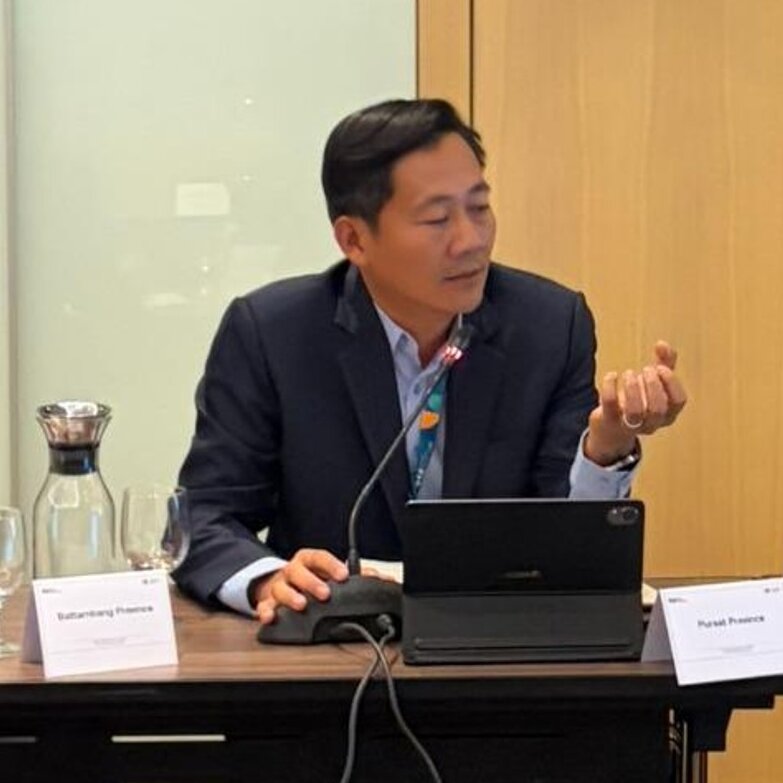
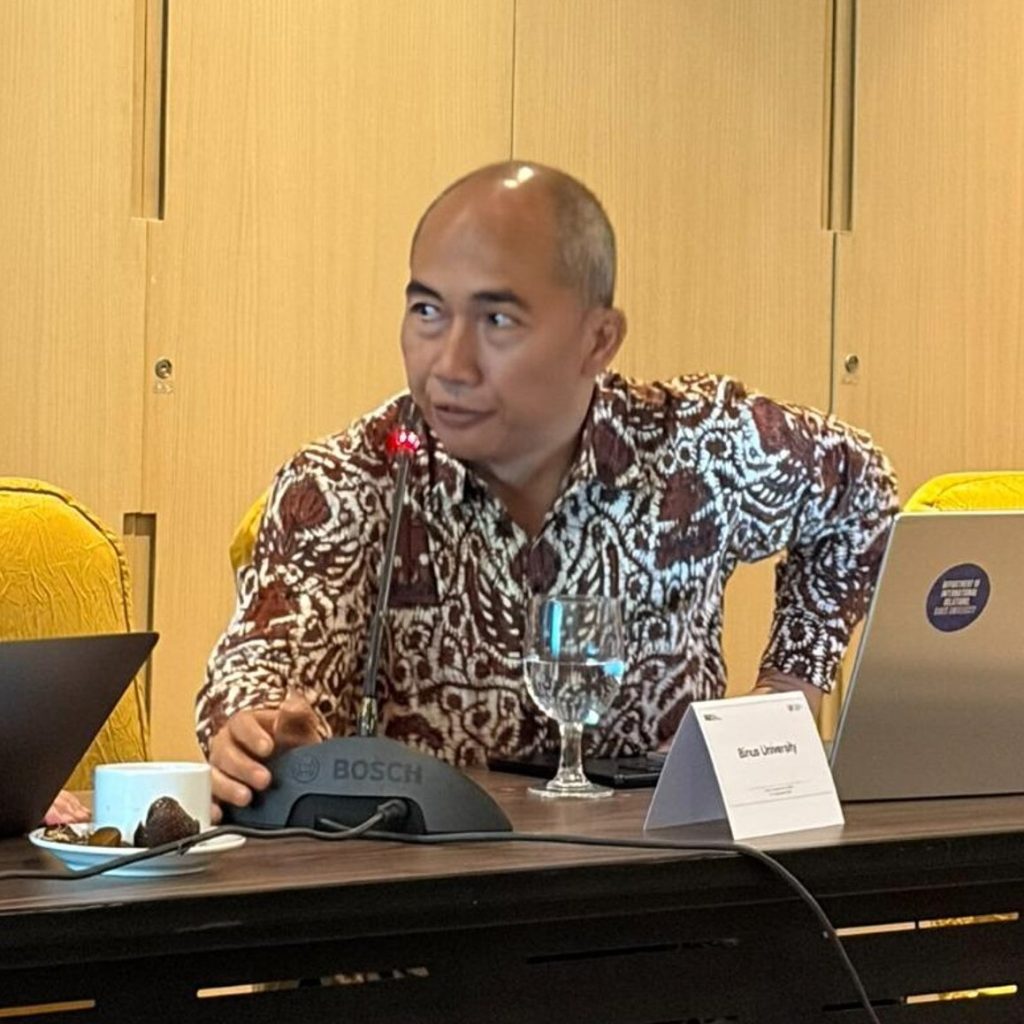
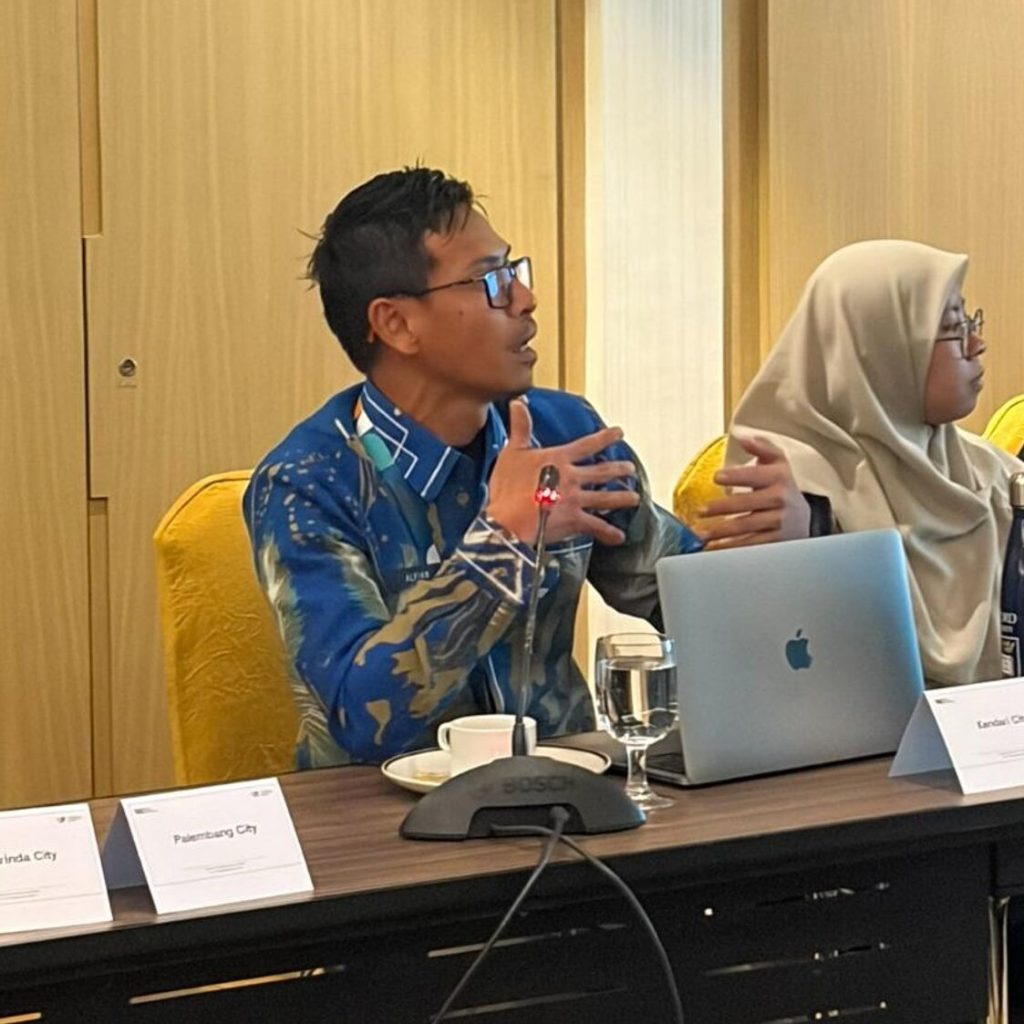

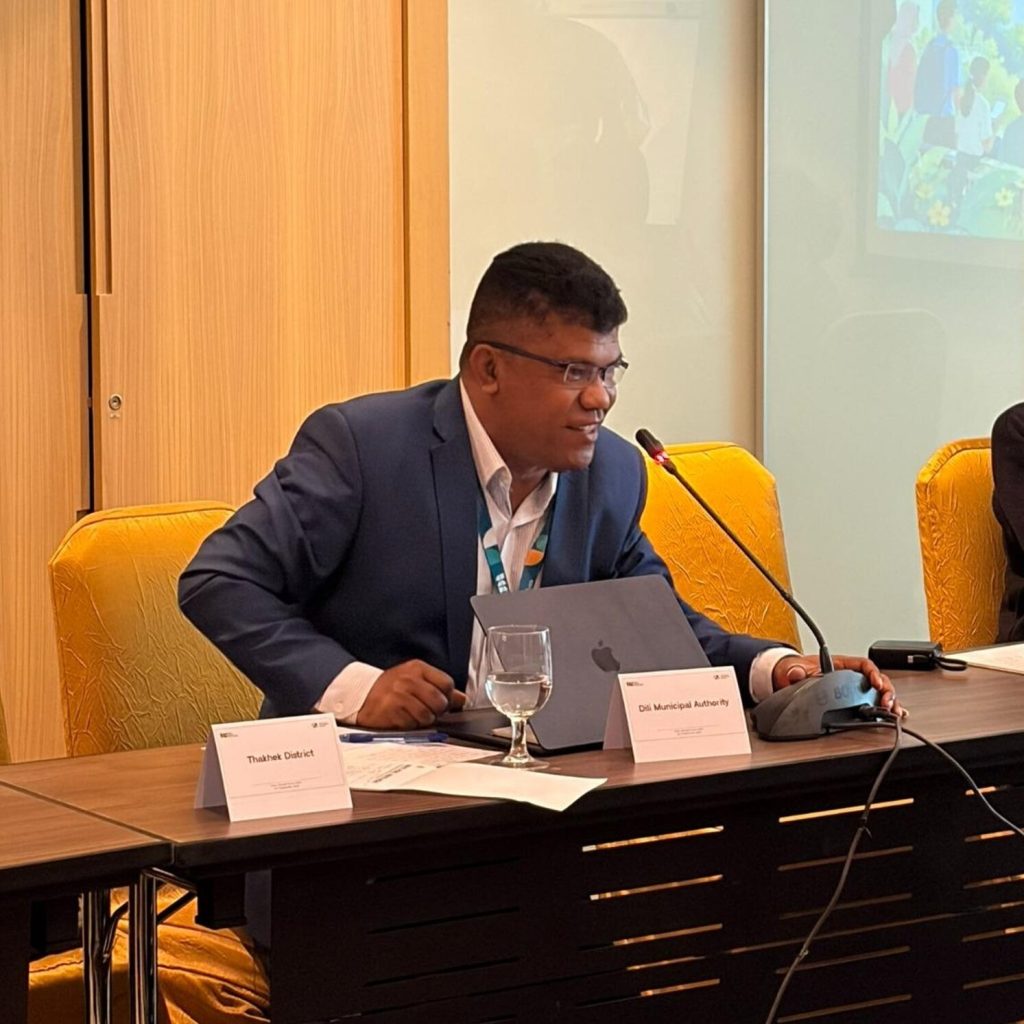
Participants also raised questions about how local contributions could be recognised at the regional level and how the localisation process could remain manageable for local governments. Experiences from Jakarta and Kendari drew on existing SDG localisation practices, where local priorities are identified according to their respective contexts and mandates. These exchanges provided further perspectives to inform the continued refinement of the proposed package.
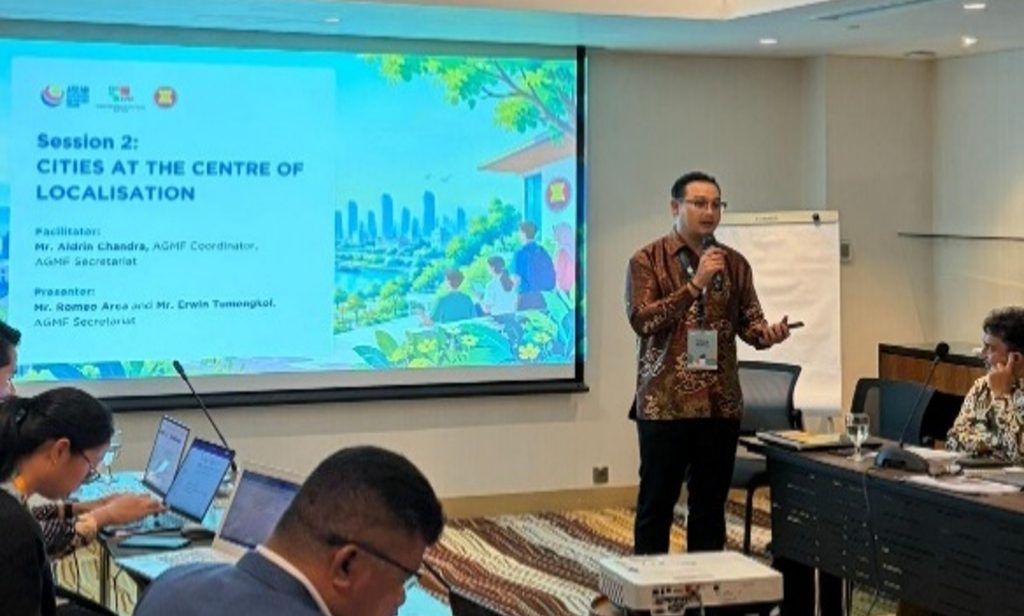
On a more operational level, the second session introduced the Localisation Web Platform to support local government participation and make local contributions more visible. The platform is envisaged to bring together information, local contributions, and relevant resources in one place, while providing a potential connection between local action and regional-level discussions. The AGMF Secretariat highlighted the platform’s potential connection with the ASEAN Smart Cities Network and reaffirmed AGMF’s facilitative role in supporting local governments as key actors in localisation.
The road to Manila
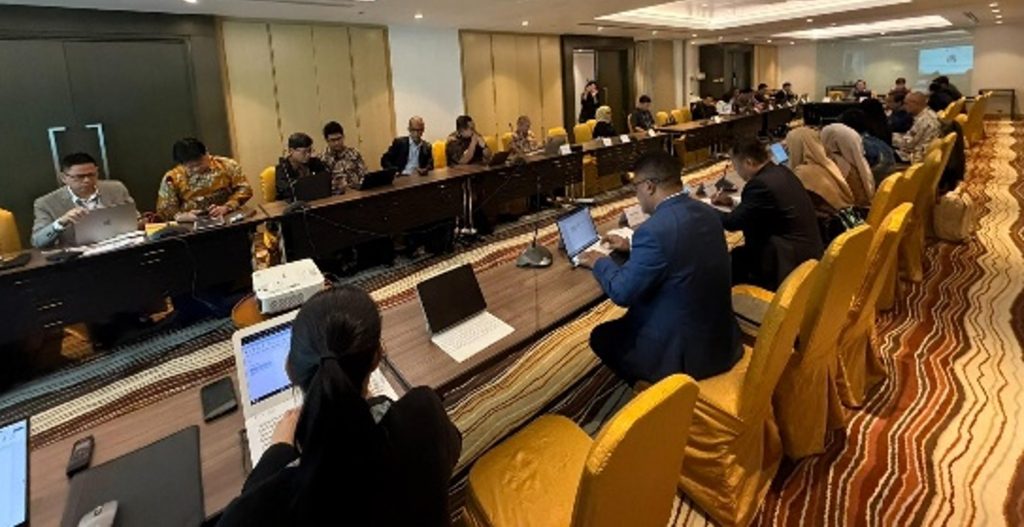
Closing the session, a representative from the ASEAN Connectivity Division acknowledged the AGMF’s role in initiating the localisation effort and shared perspectives on taking the proposed package forward,
In her closing remarks, the Secretary-General of UCLG ASPAC/AGMF highlighted the next step of consolidating the feedback and further refining the package ahead of its formal launch at AGMF 2026 to be held on 18 and 19 November in Manila. The proposed package will also be made available through a dedicated web platform, providing a reference point for local governments and partners as localisation moves forward.