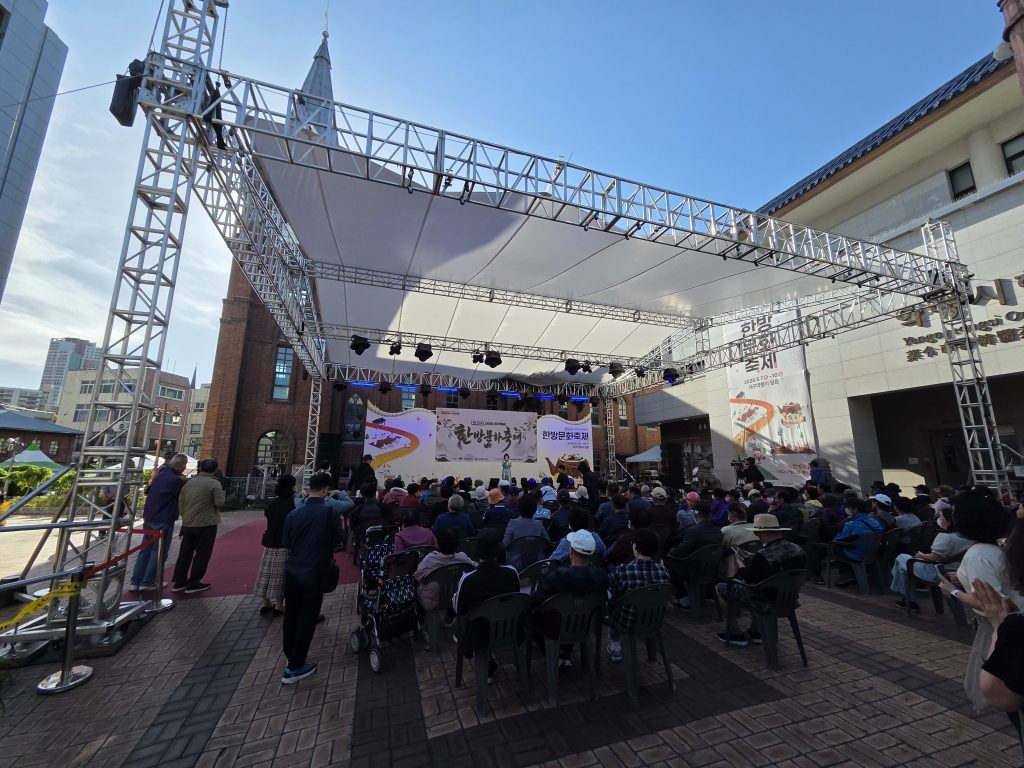





Daegu City has successfully integrated the city’s traditions into the rhythm of everyday life. This has been well expressed by one of the K2H Programme participants. K2H is an exchange programme held regularly for local government staff from abroad to learn about Korean culture and local government systems. The positive feedback reflects the successful implementation of the programme that contributes to the promotion of the city.
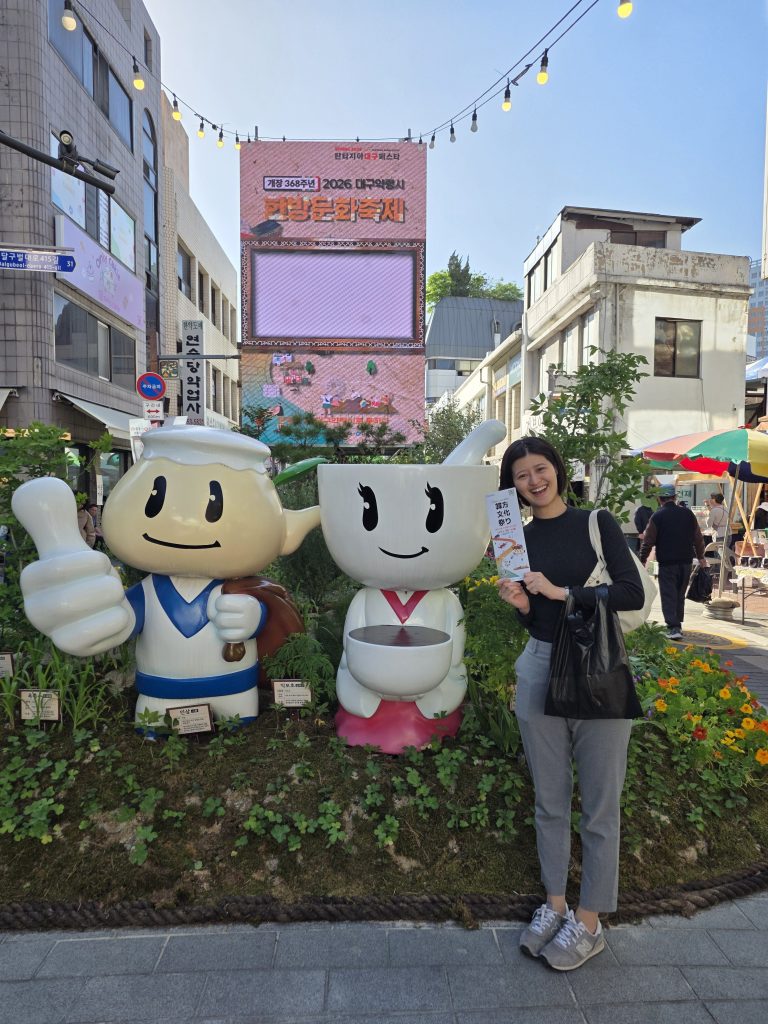
Ikeda Nodoka, joining K2H Programme in 2026, is from Hiroshima, Japan, and works for the Hiroshima City Government. Ikeda came to Daegu to join the K2H Programme. During the programme, Ikeda worked for the Daegu City Government as a trainee. As it was her first visit to South Korea, Ikeda also tried to visit many places and experience Korean culture as much as possible. Below is her experience.
1. A Fragrant Welcome into a Vibrant Community
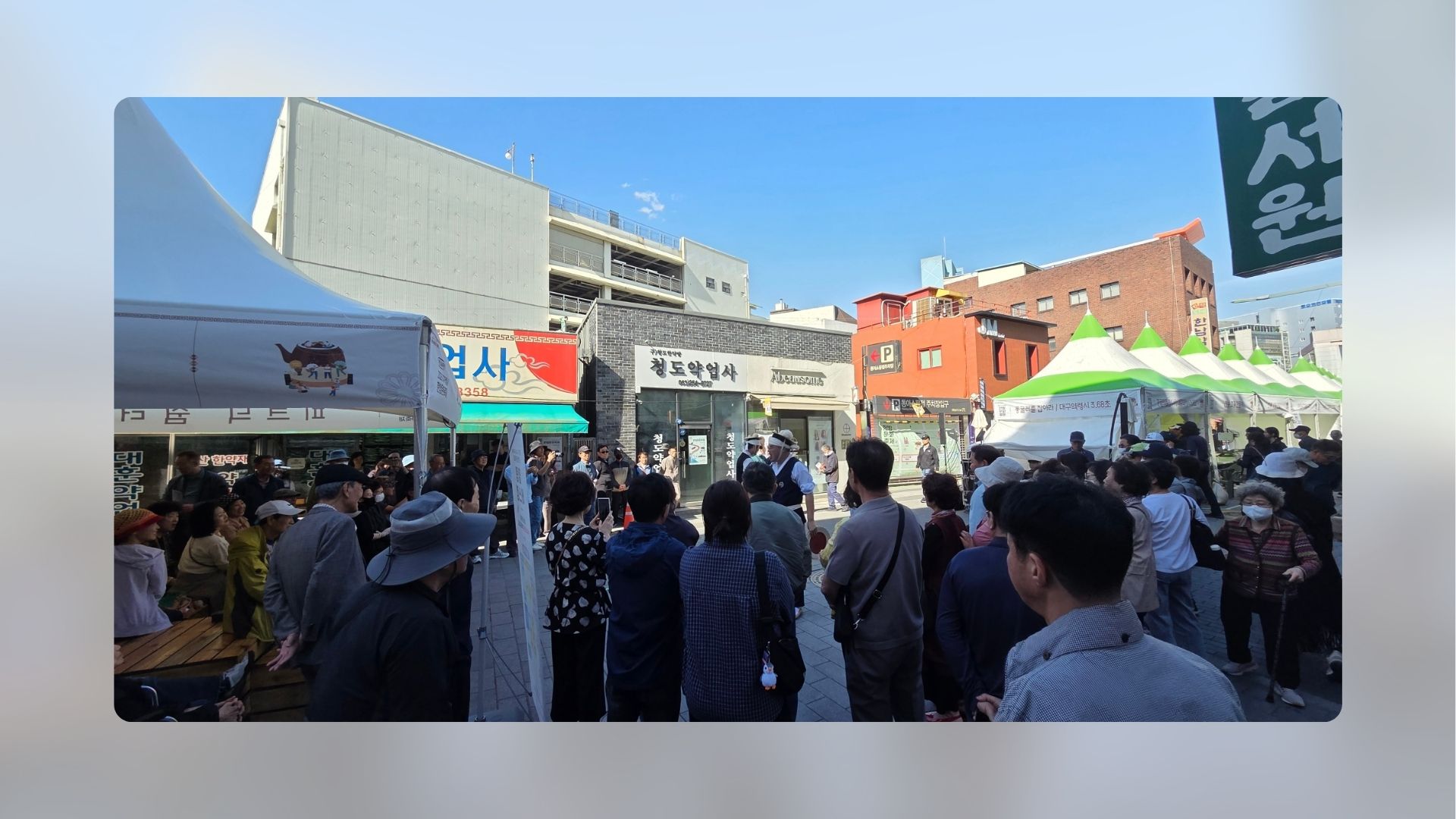
The moment I stepped onto the historic streets of Yangnyeongsi, the rich, earthy aroma of medicinal herbs wafted through the air. The local shops displayed their herbal remedies with the quiet confidence of a craft that has long outlived passing trends. Beyond the unique scents, what struck me most was the festival’s deeply social atmosphere. I observed countless people—particularly elderly residents—warmly conversing and laughing, treating the festival grounds as a familiar and beloved meeting spot. It felt less like a commercial, one-time event and more like a vital community space where citizens come together to connect, check in on one another, and simply enjoy each other’s company.
As I walked further, I was delighted to see that this sense of warmth extended across generations, with families and young people filling the entertainment and gourmet food zones with lively energy.
2. Stepping into Living History
International travellers often seek experiences that connect modern culture with time-honoured traditions. At Yangnyeongsi, the hands-on interactive booths provided an ideal gateway to heritage, allowing visitors to touch, taste, and experience the culture firsthand without the need for lengthy explanations.
The historic alleyways and vibrant displays created a traditional atmosphere often found behind museum glass—except here, the heritage felt vividly alive. Witnessing how deeply the local community values and preserves its past left a profound impression on me as a foreign visitor. It was an incredibly immersive experience that gave me a much deeper appreciation of Daegu’s historical roots.
3. Beyond Souvenirs: A Lasting Appreciation
What truly exceeded my expectations was the boundless kindness of the local people. Despite my inability to speak Korean, everyone I met guided me with patient gestures, offered quick translations, and made me feel entirely at home. By the end of the day, the festival had given me something far more meaningful than souvenirs or the lingering scent of herbs. I left with a deep appreciation for the way Daegu seamlessly preserves and celebrates its traditions within everyday life. It is my sincere hope that this festival continues to flourish, carrying its rich history and living heritage forward for future generations.