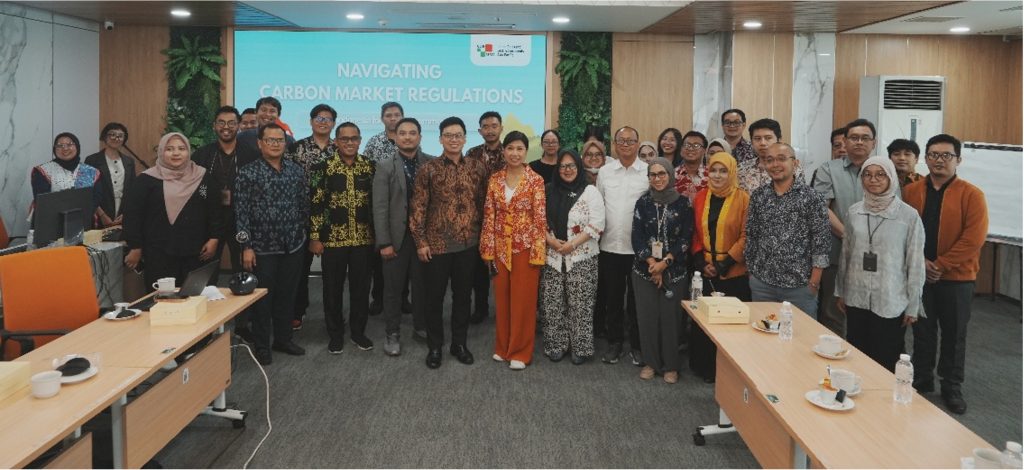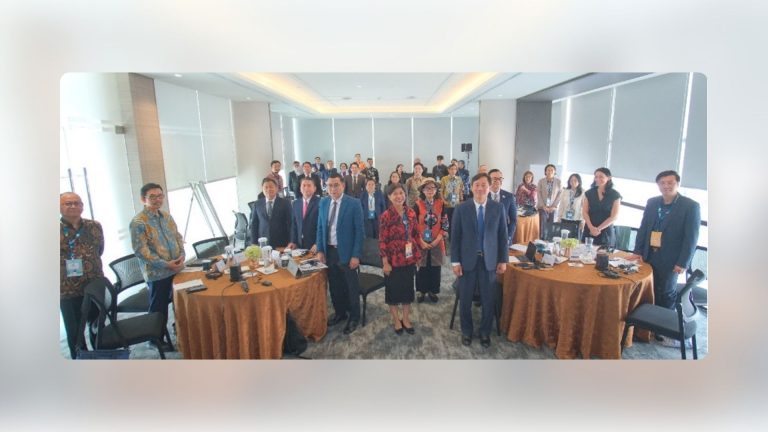





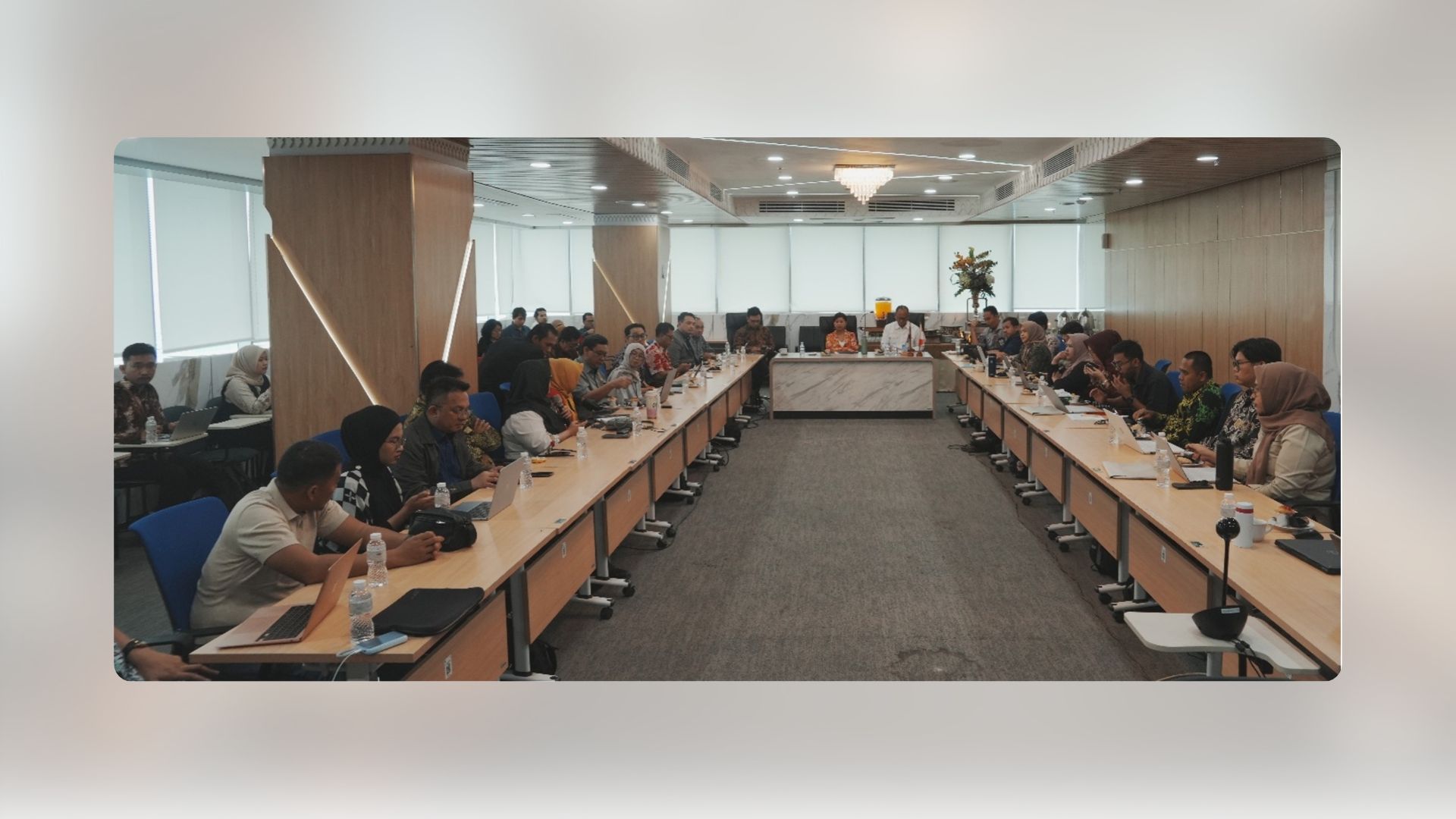
October 8, 2026 | UCLG ASPAC hosted a hybrid seminar titled “Navigating Carbon Market Regulations in Indonesia for Local Governments.” Held at the DKI Jakarta City Hall and broadcasted via Zoom, the event brought together Indonesian national ministries, financial authorities, and local government representatives to discuss Indonesia’s rapidly evolving carbon market architecture and unlock new climate financing opportunities for cities and regions.
Dr. Bernadia Irawati Tjandradewi, Secretary General of UCLG ASPAC, emphasised that carbon trading offers a vital financial alternative for local governments. As regional and national budgets face constraints, local leaders must proactively map their regional potential. She highlighted key sectors ready for carbon project development, including waste management, energy, transportation, agriculture, forestry, and nature-based solutions.
Technical Guidance from National Authorities
The seminar provided crucial guidance from national authorities to help local governments bridge the gap between local initiatives and the national carbon registry:
- Ministry of Environment: Mr. Haryo Pambudi, Director for Governance of Carbon Economic Value Implementation, outlined the three mandatory phases of carbon projects:Identification and Preparation; Execution and Registration (Monitoring, Reporting and Verification/MRV); and Unit Utilisation. He stressed that emission-reduction activities do not automatically qualify as carbon units; they must strictly adhere to official methodologies.
- Ministry of Forestry: Mr. Ilham, Director for Forest Utilisation Business Development, detailed carbon opportunities in forestry through Removal (reforestation) and Avoidance (preventing deforestation). He introduced the concept of “forestry multi-business”—combining carbon projects with eco-tourism or non-timber forest products to ensure community benefits.
- Ministry of Marine Affairs and Fisheries: The Ministry’s representative highlighted the massive potential of Blue Carbon in coastal regions through mangrove and seagrass ecosystems, while noting that clear land tenure and rigorous baseline data are essential to avoid double-counting.
From Projects to Revenue: Navigating the Financial Ecosystem
Transitioning from projects to revenue requires a deep understanding of the financial landscape:
- Financial Service Authority (OJK) and Indonesia Stock Exchange (IDX) Carbon: Mr. Luvaldi Hernanda of OJK advised that carbon projects require time, capital, and coordination, and urged regions to first assess financial feasibility first. Mr. Kristianto Wardyaputra of IDX Carbon explained that while local governments cannot yet trade directly on the carbon exchange, they can participate effectively through Regional Government-Owned Enterprises (BUMD).
- Bank of Indonesia (BI): Representatives from BI reaffirmed indirect support through green macroprudential policies and introduced the “Green Calculator” to help businesses measure their emissions.
Voices from Local and Regional Governments
Local government participants shared their readiness and practical challenges:
- Bogor Regency raised questions on community urban forests and waste-to-energy initiatives.
- Malang Regency highlighted its potential in managing 1,200 tons of waste per day.
- Tanjung Jabung Barat Regency presented 5,556 hectares of pristine mangrove potential.
- PT Sylva Kaltim Sejahtera (BUMD of East Kalimantan Province) shared its carbon journey since 2008 and its current transition to Perseroda status to more effectively manage green and blue carbon projects.
A common challenge identified was the high cost of MRV preparation and document formulation. To overcome this barrier, both the Ministries Environment and Ministry of Forestry strongly recommended “Project Bundling,” – a strategy where multiple small-scale regional projects or neighbouring regencies group initiatives to achieve economies of scale.
Next Steps
Closing the event, the Secretary General outlined UCLG ASPAC’s concrete action plan. UCLG ASPAC will conduct needs-assessment surveys and map out the specific carbon potentials and priorities of its member local governments. Through targeted capacity building and strategic project mentorship, UCLG ASPAC aims to transform carbon market discussions into tangible, sustainable actions across the region.