




September 20, 2026 | Wuhan – UCLG ASPAC supported the Global Mayors Dialogue Wuhan and the 2026 Wuhan International Friendship Cities Cooperation Conference, an event highlighting the growing importance of city-to-city cooperation in responding to shared challenges while creating opportunities for cities to learn from different approaches and explore new areas of collaboration.
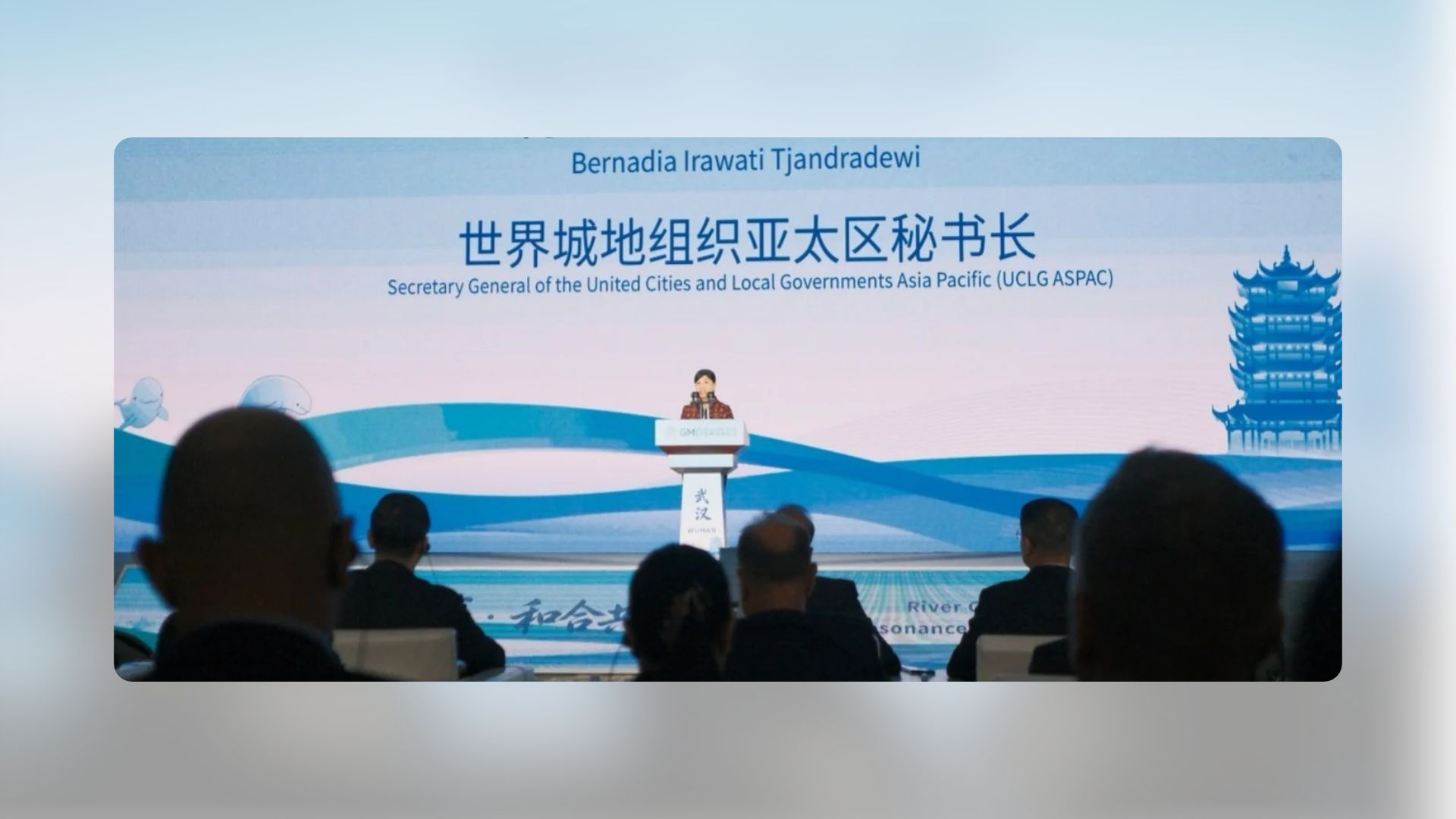
The Opening Ceremony featured remarks from Mr. Sheng Yuechun, Secretary of the CPC Wuhan Municipal Committee; Mr. Shaukat Ali, Lord Mayor of Manchester; Mr. Jordi Vaquer, Secretary General of the World Association of the Major Metropolises; and Dr. Bernadia Irawati Tjandradewi, Secretary General of UCLG ASPAC.
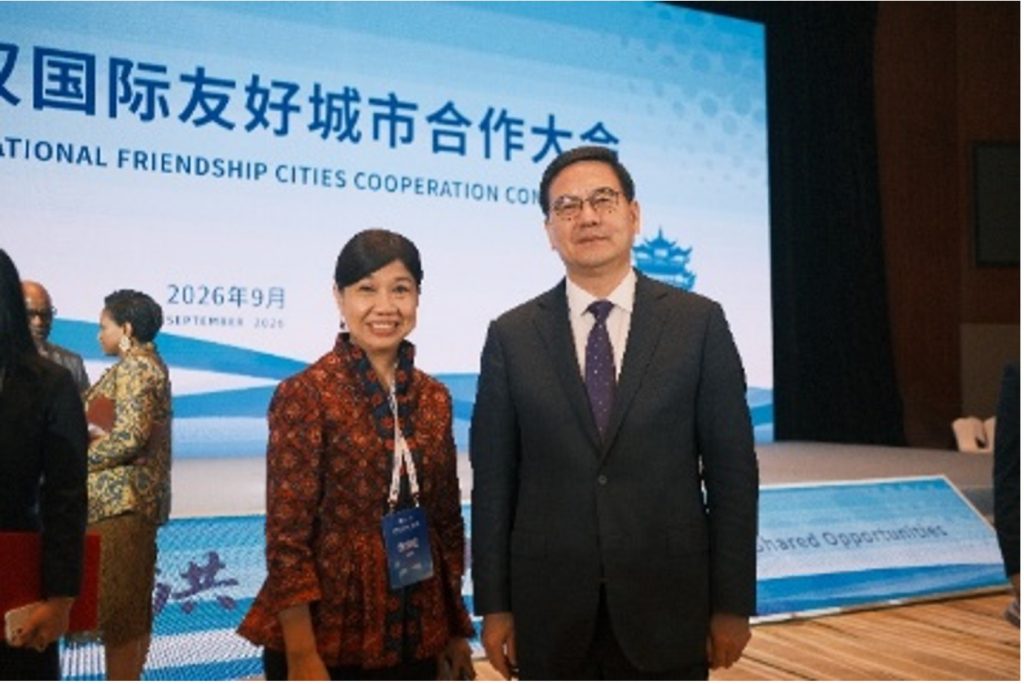
Mr. Sheng Yuechun highlighted Wuhan’s development as a centre of technological innovation, pointing to more than 50 world-class innovations, including high-precision chips, high-speed maglev transportation, hollow-core optical fibre and high-speed optical modules. He also highlighted Wuhan’s extensive network of international partnerships, which includes 30 international sister cities and 97 international friendship and exchange cities.
Dr. Bernadia Irawati Tjandradewi emphasised that city-to-city cooperation should go beyond simply sharing solutions, and should enable cities to learn from one another and adapt approaches to their own local contexts.
Cities Sharing Perspectives on Innovation and Urban Development
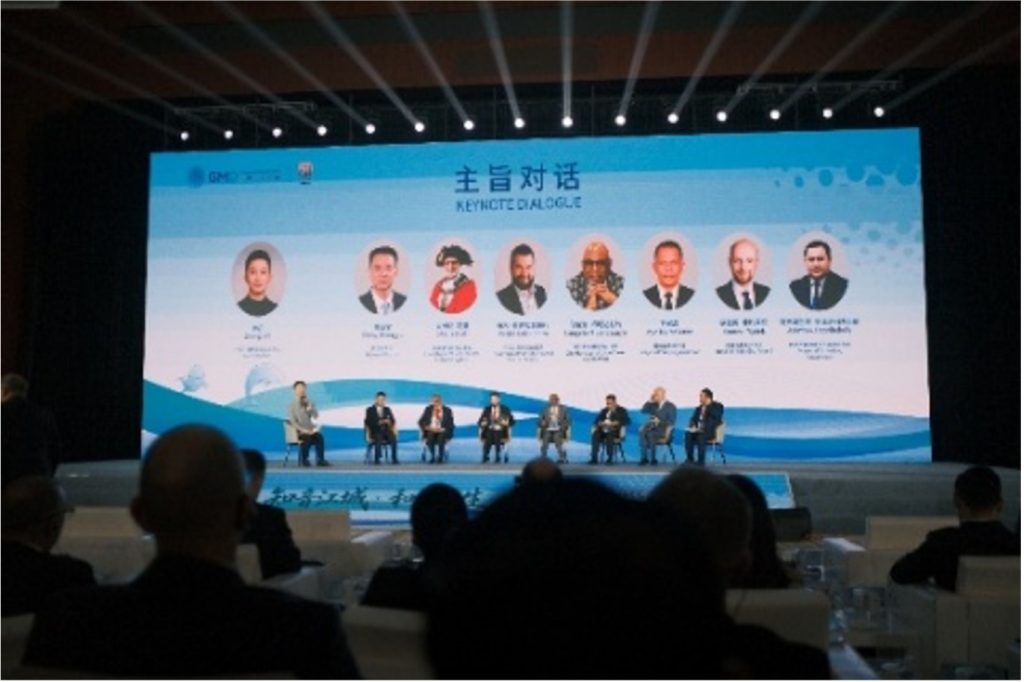
Local leaders from Wuhan, Manchester, Galați, Kemi, Cape Town, Yangon, Rzeszów, and Turkestan take the stage during a keynote session at the Global Mayors Dialogue in Wuhan
Mayor Xiong Zhengyu of Wuhan highlighted innovation, integration and openness as important elements of the city’s development.
From Yangon, Mayor Myo Myint Aung focused on the importance of integrated urban planning, including zoning and spatial data, in guiding the city’s future development.
The discussions also highlighted the broader value of international city networks and partnerships. By connecting local leaders and practitioners, these platforms create opportunities to exchange practical experiences, develop new partnerships, and identify areas where cooperation can support local development priorities.
Strengthening City-to-City Cooperation
The 2026 Wuhan International Friendship Cities Cooperation Conference further demonstrated how city-to-city partnerships can contribute to broader international cooperation. The programme included a Sister City Anniversary Celebration involving seven pairs of sister cities, including Wuhan and Manchester, Christchurch, Markham, Daejeon, Kemi, Tacoma, and Daegu. Ten cooperation agreements and arrangements were also signed between Wuhan and partner cities and institutions, covering people-to-people exchanges, education, scientific and technological innovation and wider city cooperation. The conference also introduced the Wuhan International Friendship City Cooperation Opportunity List and the Wuhan Initiative on International Friendship City Cooperation in the New Era.
Seeing Wuhan’s Urban Development in Practice
Beyond the conference discussions, the programme provided an opportunity to see several aspects of Wuhan’s urban development first-hand. Visits to the Optics Valley Skytrain, Xiaomi Smart Home Appliances Factory, HGTECH, Dongfeng Motor Global Innovation Centre, and Mengshi Automobile offered insights into the city’s approach to technological innovation, advanced manufacturing, research, and industrial development.

Global Mayors Dialogue delegations visiting advanced manufacturing, research, and industrial development sites in Wuhan
The programme also highlighted Wuhan’s efforts to balance technological and economic development with environmental stewardship. At the Yangtze Cetacean Breeding and Research Centre, the delegation learned about efforts to protect the Yangtze finless porpoise and preserve the river ecosystem. The visit offered a perspective on how environmental conservation can be pursued alongside economic and technological development.
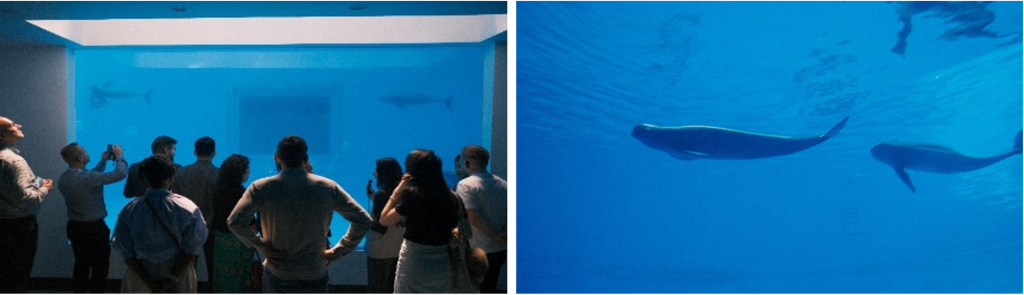
Delegates of the Global Mayors Dialogue visiting the Yangtze Cetacean Breeding and Research Center to learn about conservation efforts for the Yangtze finless porpoise
Wuhan’s cultural and public spaces provided another dimension to the programme. Visits to the Yellow Crane Tower and Zhiyin Pavilion offered an introduction to the city’s cultural heritage, while the East Lake Greenway demonstrated how green spaces, biodiversity, recreation and access to nature can be integrated into the urban environment.

Global Mayors Dialogue delegates exploring the historic Yellow Crane Tower and Zhiyin Pavilion, experiencing Wuhan’s rich cultural landmarks
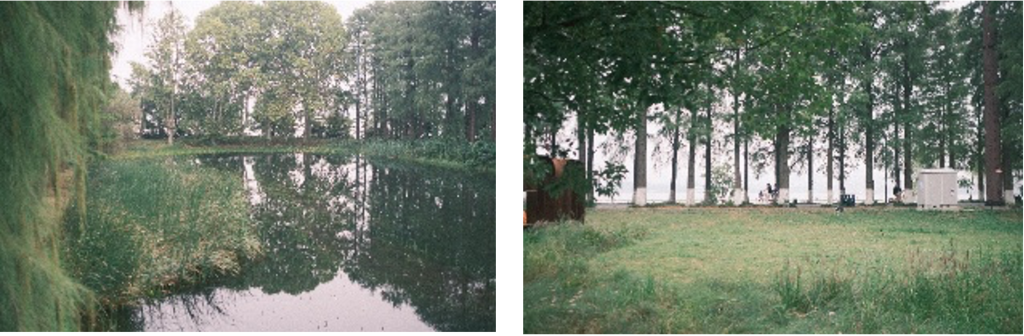
The East Lake Greenway integrates biodiversity, recreation, and sustainable urban planning into Wuhan’s urban environment
Connecting Cities, Experiences and Opportunities
exchange experiences, establish connections and explore practical opportunities for cooperation. For local governments across the Asia-Pacific region, such exchanges offer opportunities to look beyond their own contexts, identify relevant practices and consider how experiences from other cities can be adapted to local priorities. Ultimately, strengthening connections between cities can help turn international cooperation into practical exchanges that support more innovative, sustainable, and liveable urban development.