




Women Committee UPDATE
UCLG ASPAC Standing Committee on Women in Local Governments (SCWLG) held an online meeting with its members on September 14, 2026 with the following results:
- Updated status on the progress of the two key documents:
UCLG ASPAC GEDSI Strategy 2026–2030:- Draft already developed and now refined based on inputs from SCWLG members.
- Status Report on Women’s Representation in Local Governments in Asia-Pacific: in its first-draft stage (core methodology, analytical framework, preliminary regional findings and country analyses already in place).
- Members called for more practical capacity-building, peer learning and training-of-trainers approaches
- Interest in documenting and sharing success stories on women’s leadership, gender-responsive planning and budgeting, and local resilience.
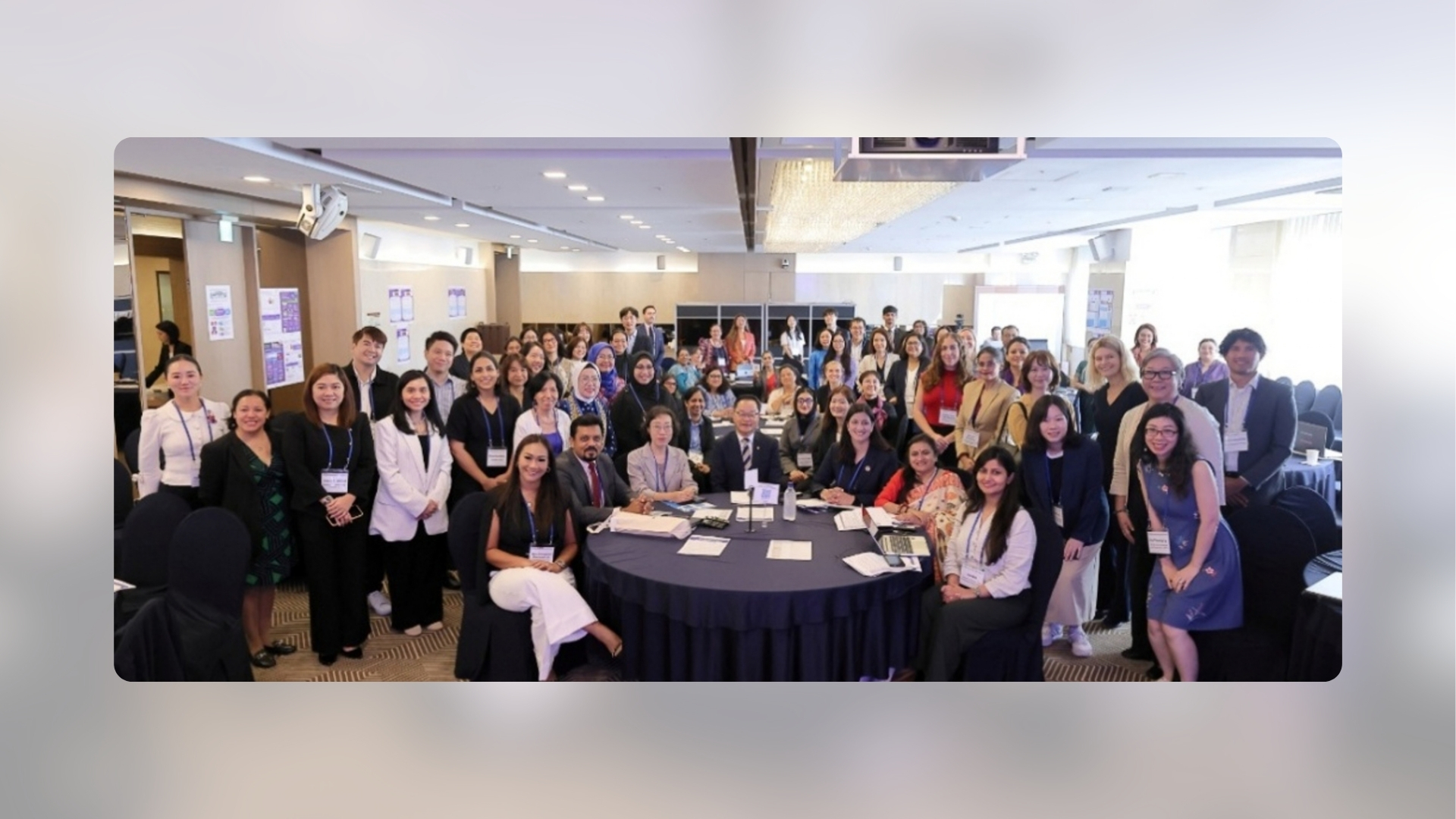
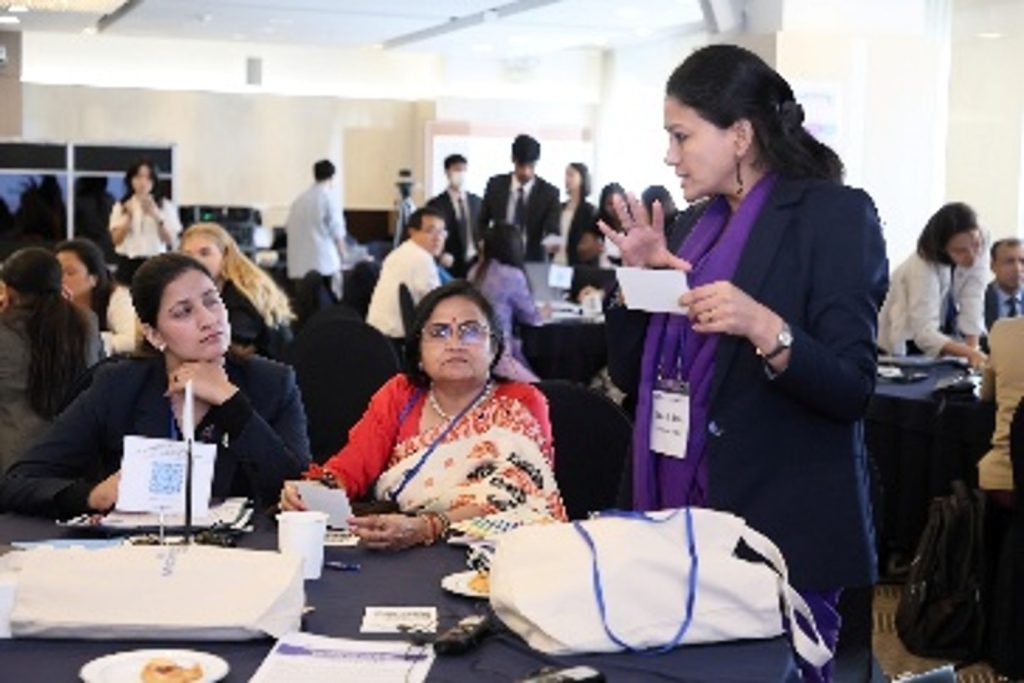
September 17-18, 2026 | Seoul – UCLG ASPAC, embracing the spirit to empower women, is pleased to supportthe Regional Workshop and High-Level Dialogue on Transforming Care Systems for Women’s Economic Empowerment, held in Seoul on September 17–18, 2026, bringing together governments, cities and partners to explore how care systems can support women’s economic empowerment and participation in public life. The event was organised by UN Women’s Regional Office for Asia and the Pacific and the UN Women Knowledge and Partnerships Centre, together with partners including UCLG.
A key message was that care is not only a private or household responsibility, but also a public and local governance issue, requiring “a whole-of-society approach”. This means that the way cities design public services, transport, public space, social protection, childcare, elder care and budgeting directly affects the way caregivers carry out their care duties (both paid and unpaid), and whether they, predominantly women, can participate fully in economic, political and public life.
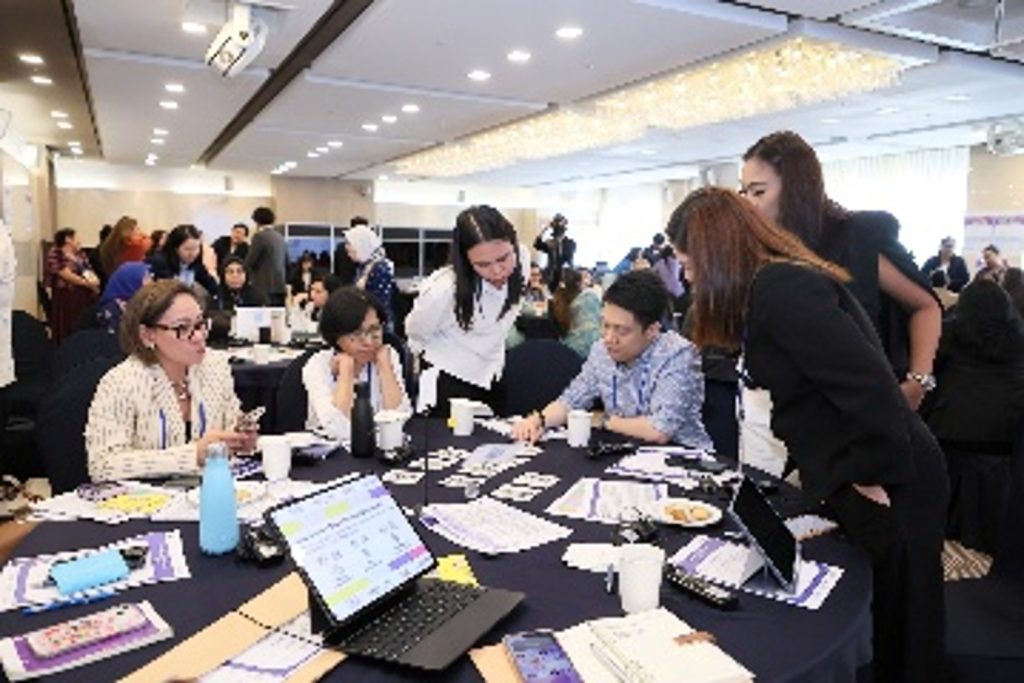
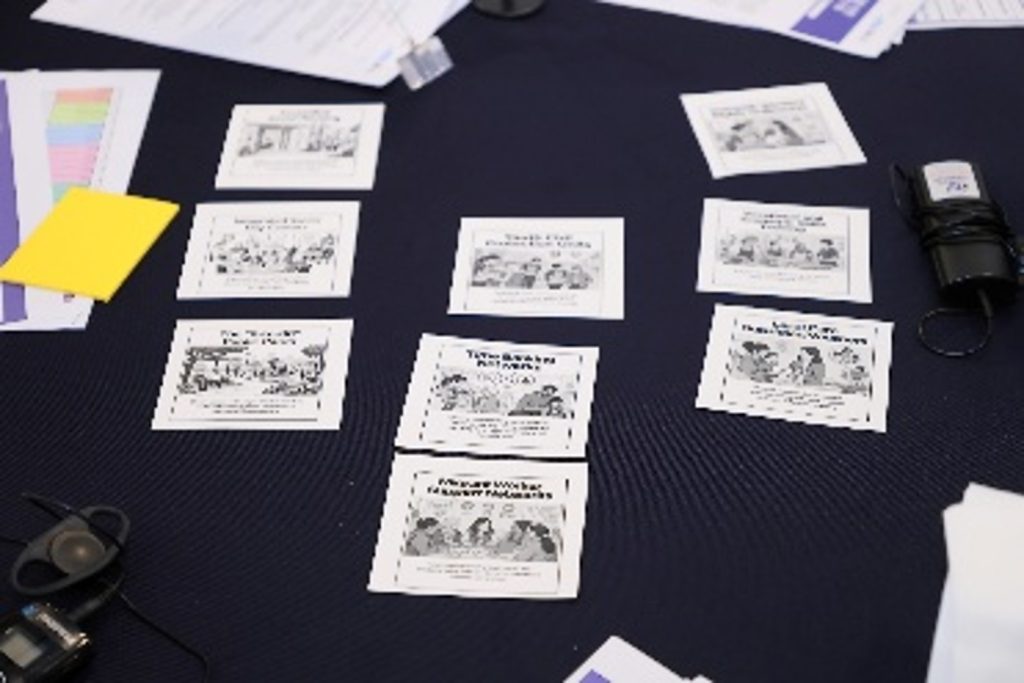
During the UCLG-led session on deepening caring approaches, participants were invited to look at care through a broader urban lens by exploring how physical, social, and institutional infrastructures come together to shape local care systems. Participants tested selected exercises from the Care and Local Governance learning module currently being developed by UCLG with the support of the WYDE | Women’s Leadership programme. The session provided an opportunity to gather feedback on the methodology and highlighted practical enablers for integrating care as a lens for local governance.
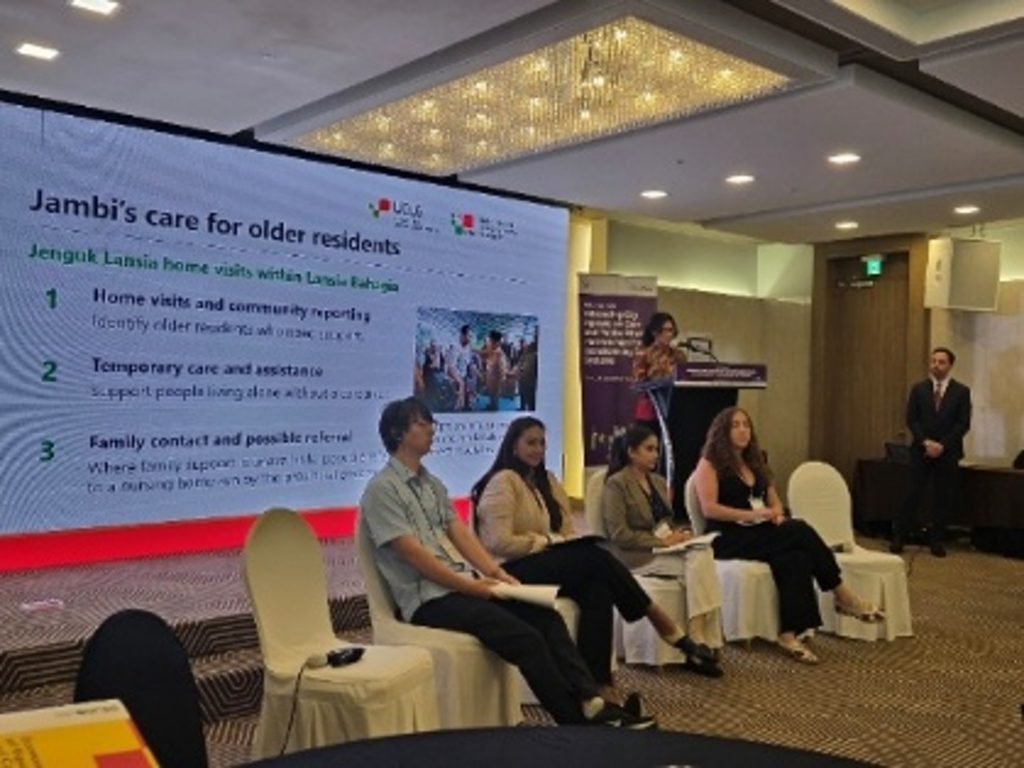
UCLG ASPAC contributed to the Policy Forum session on Caring Cities, sharing local experiences from Penang and Jambi. Penang illustrated how gender analysis and community participation can inform public spending and neighbourhood spaces such as the recreation park at PRR Ampangan, offering a practical connection to UCLG ASPAC’s Gender-Responsive and Participatory Budgeting (GRPB) work.
Jambi’s Lansia Bahagia (Happy Senior) programme and Jenguk Lansia (Senior Visit) home visits illustrated how municipal services can bring support closer to older residents through community reporting, assistance from the Social Affairs Office and coordination with provincial services.
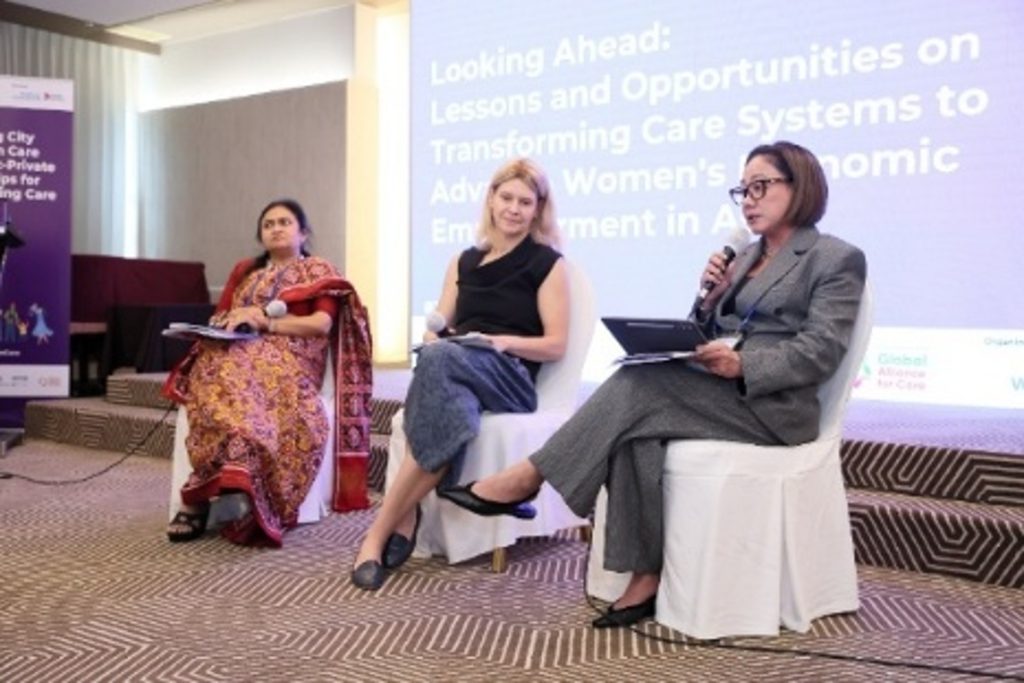
Their examples highlighted how gender-responsive budgeting, community-based services, inclusive planning, and local partnerships can help cities translate the care agenda into concrete policies and programmes that respond to different local realities.
Ms. Andrea Loriaga, Executive Director of the League of Municipalities of the Philippines (LMP), representing Ms. Danielle “Niña” Bernos, Mayor of La Paz and Secretary General of LMP, also shared lessons from the workshop, and highlighted the potential of a local care systems framework to connect existing services. She emphasised the need for adequate funding, staff and stronger coordination between national and local governments, particularly to support municipalities with limited resources.
The workshop also highlighted the importance of care data in shaping policies and investments that recognise, reduce, and redistribute care work, while ensuring it’s properly rewarded and represented; an increasingly urgent priority in Asia-Pacific in the middle of demographic shifts, urbanisation, and climate change.
As UCLG ASPAC continues to work on GEDSI, women’s leadership, GRPB and peer learning, such as through the Standing Committee of Women in Local Governments (SCLWG), the care agenda offers an area for future exploration. Bringing a care perspective into these efforts may help deepen the conversation on what inclusive governance means in practice, and how cities and local governments can better support people, communities, and systems that sustain everyday life.
Photo credit: UN Women/Kwanju Kim and UCLG