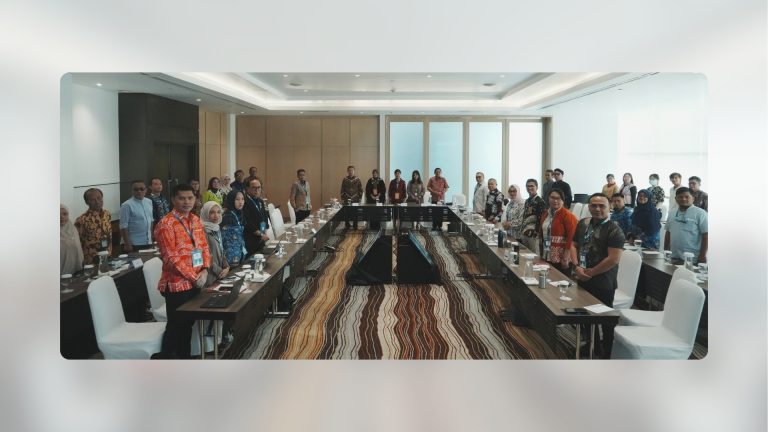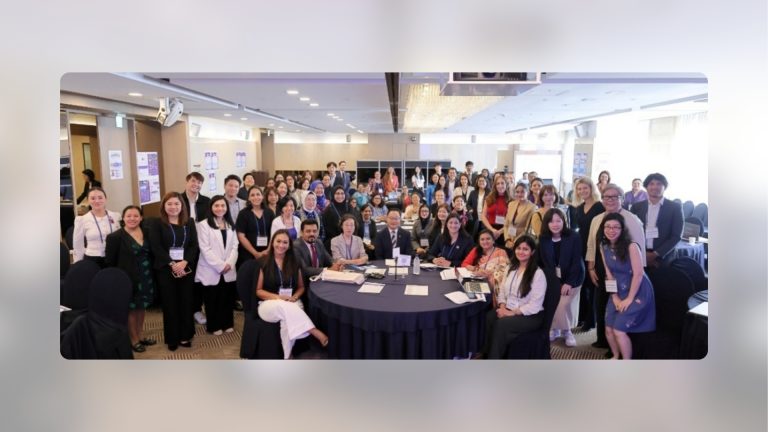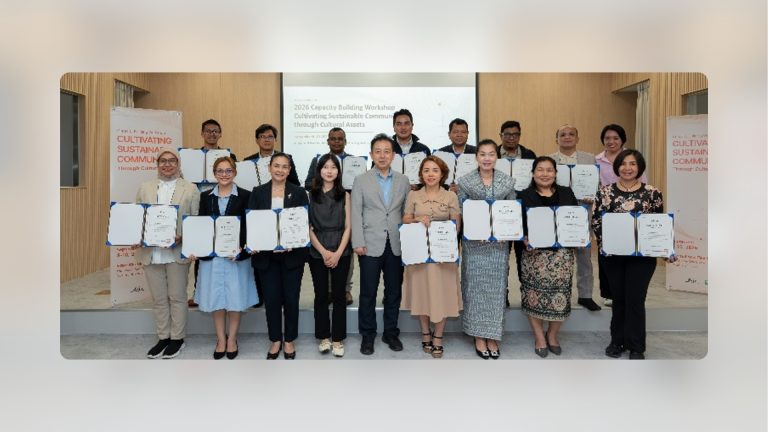





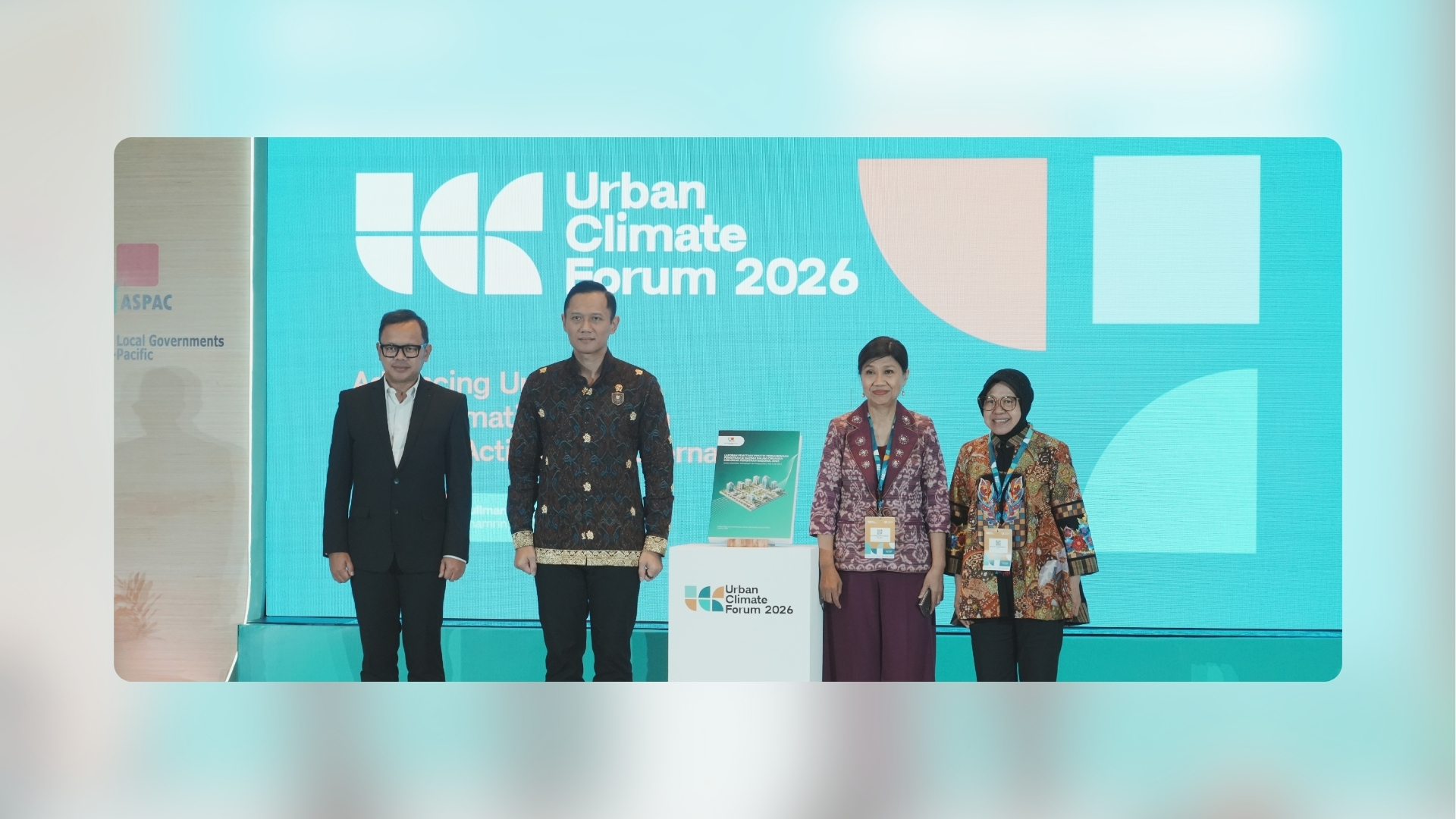
September 16, 2026 | UCLG ASPAC, in close partnership with several Ministries in Indonesia and partners, organised the Urban Climate Forum 2026, bringing together more than 300 participants, representatives from 15 ministries and government agencies, and delegations from 13 countries across the Asia-Pacific region to strengthen collaboration on sustainable, inclusive, and climate-resilient urban development. The Forum was held in Jakarta from September 16 to 17, 2026, bringing together high-level figures at the local and national levels, local government associations, international organisations, development partners, civil society organisations, academia, and the private sector to exchange experiences and explore practical approaches to advancing urban climate action.
Insights from Esteemed Speakers
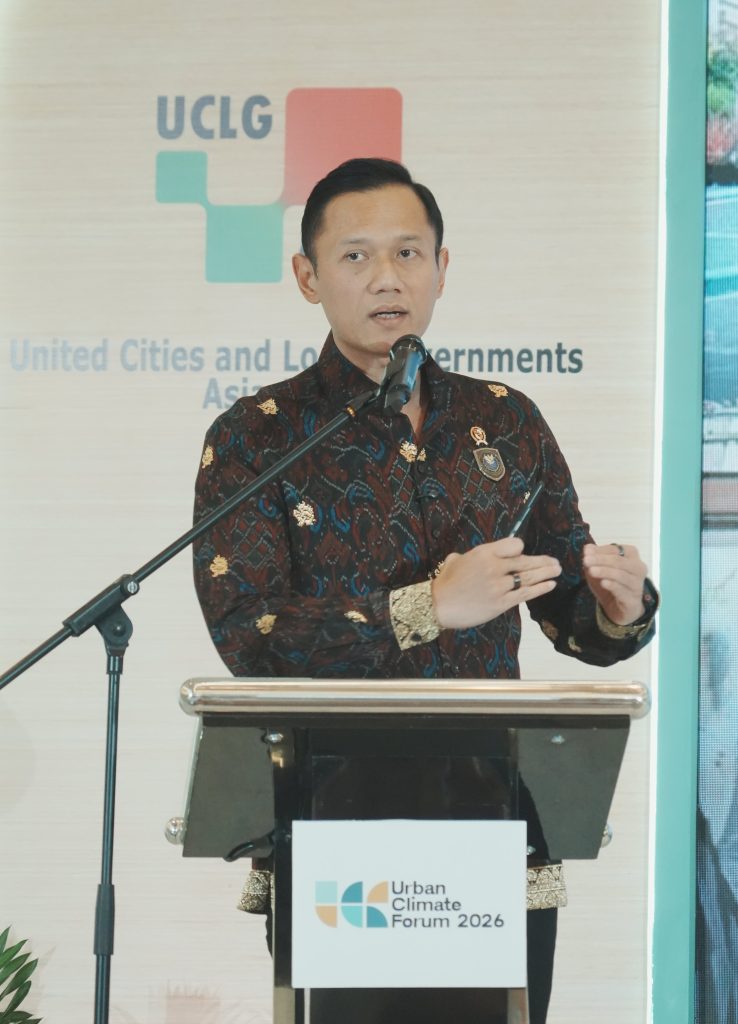
Agus Harimurti Yudhoyono (AHY), Coordinating Minister for Infrastructure and Regional Development of the Republic of Indonesia, stated, “Urbanisation is a trend that we cannot avoid. In Indonesia, the proportion of the population living in urban areas is projected to exceed 72% by 2045. … Urban development should not merely pursue progress and prosperity; it must also be liveable, inclusive, green, and resilient.”
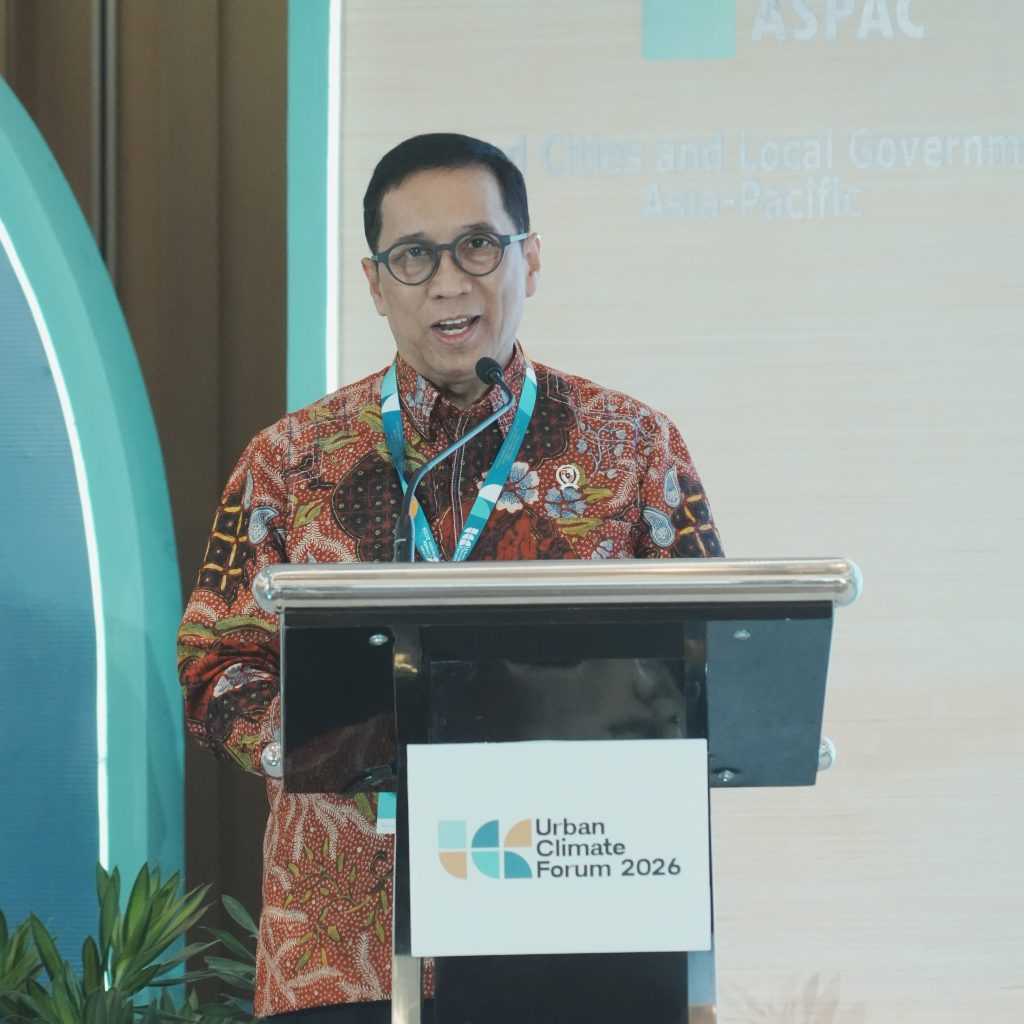
Febrian Alphyanto Ruddyard, Vice Minister of National Development Planning/Deputy Head of the National Development Planning Agency of the Republic of Indonesia, stated, “Cities will determine our productivity, the quality of jobs, and how people access housing, transport, education, healthcare, clean water, and public spaces. Increasingly, cities will also determine Indonesia’s ability to address climate change. That is why climate action must not be an afterthought in urban planning but must form part of every development and investment decision.”
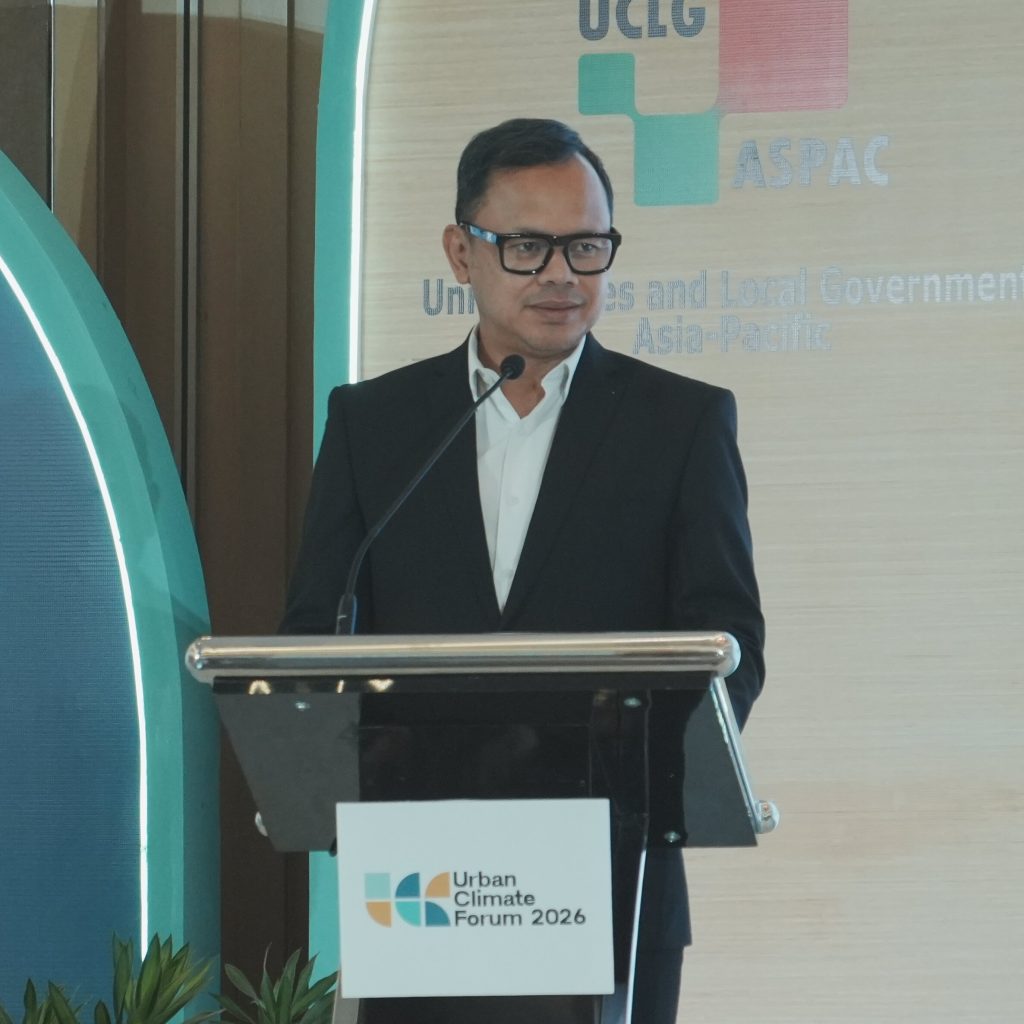
Bima Arya Sugiarto, Vice Minister of Home Affairs of the Republic of Indonesia, stated, “Economic growth must align with sustainable development principles and climate mitigation efforts. Local governments stand on the front line, as they possess the deepest understanding of their territories and play a critical role in translating national policies into actionable measures.”

Diana Kusumastuti, Vice Minister of Public Works of the Republic of Indonesia, stated, “Given that cities consume the majority of resources and energy, the expansion of urban areas and the building sector will significantly shape the trajectory of climate action. Therefore, urban growth must go hand in hand with resource efficiency and emissions reduction.”
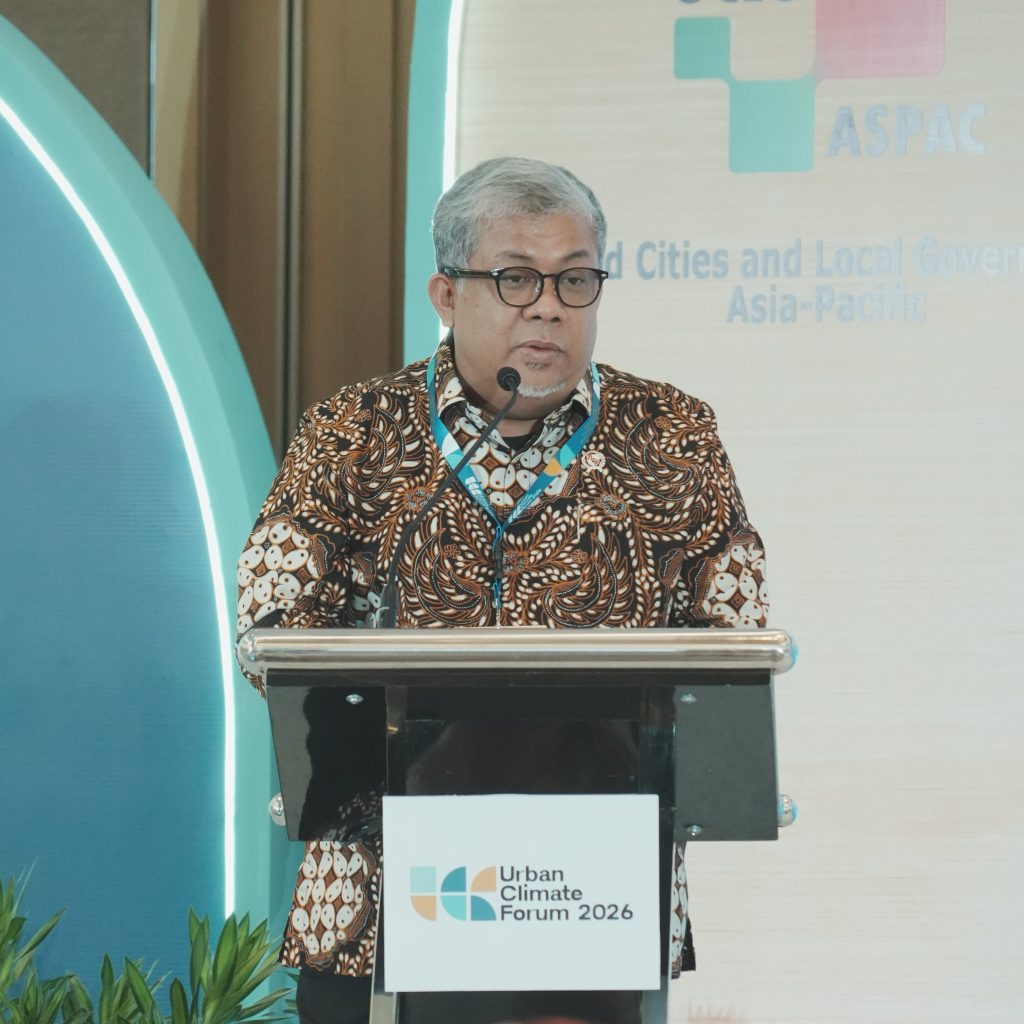
Fahri Hamzah, Vice Minister of Housing and Settlement Areas of the Republic of Indonesia, stated, “Adequate housing represents the front line of climate resilience, and the urban climate crisis is fundamentally a humanitarian housing crisis.”
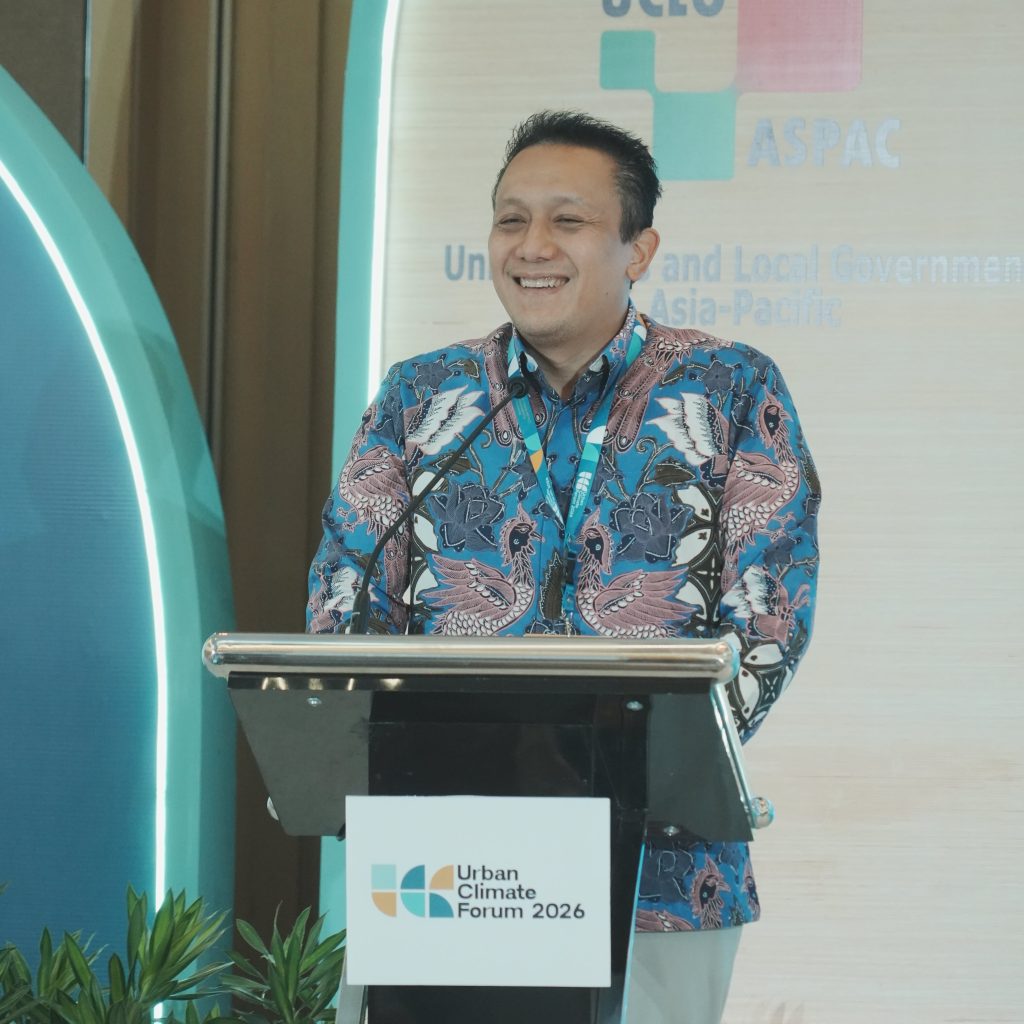
Diaz Faisal Malik Hendropriyono, Vice Minister of Environment of the Republic of Indonesia, noted that climate impacts, from rising temperatures and sea levels to intensifying hydrometeorological disaster risks, are already a reality. “These conditions compel us to redesign urban planning, including spatial planning, drainage systems, infrastructure, and housing, to withstand escalating risks. With growing populations and finite land, urban development must prioritise efficiency, adaptability, and sustainability.”
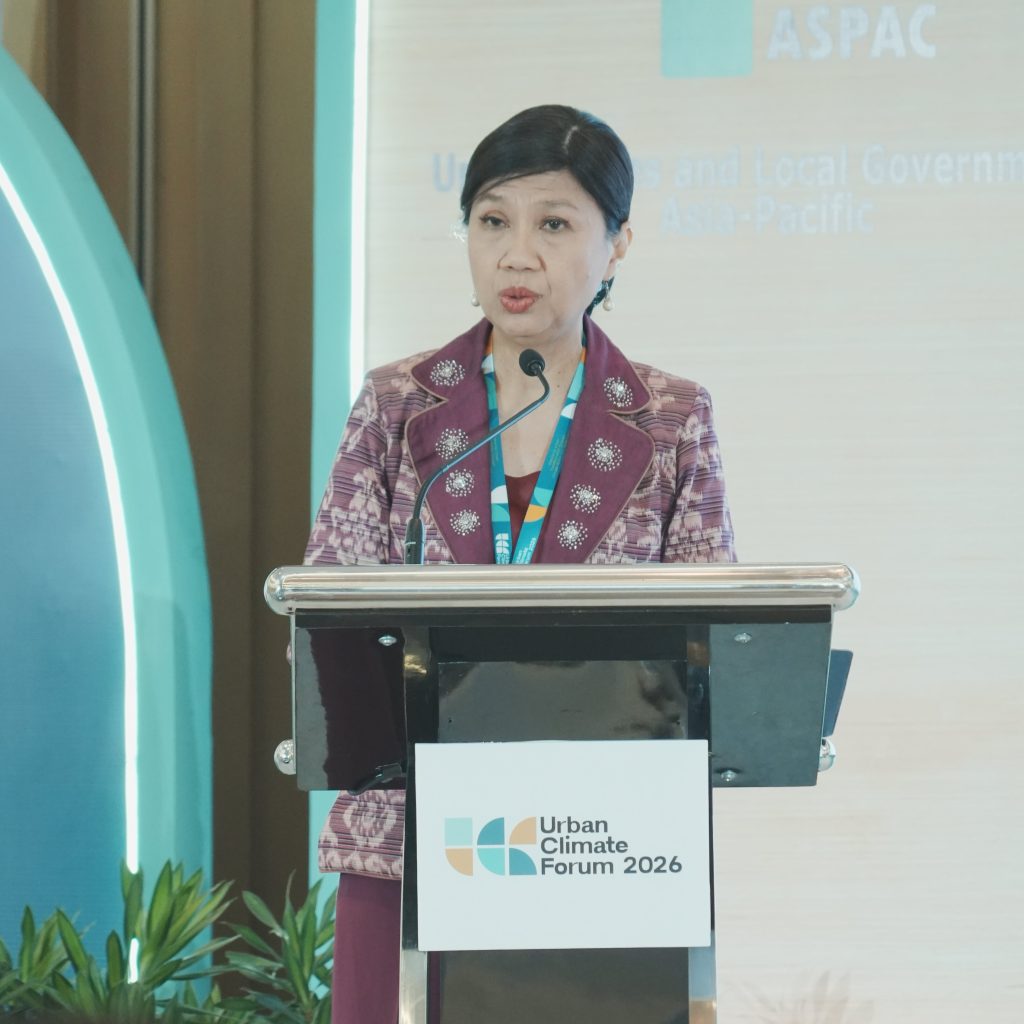
Bernadia Irawati Tjandradewi, Secretary General of UCLG ASPAC, stated, “As an organisation headquartered in Jakarta, UCLG ASPAC remains dedicated to supporting cities and local governments in Indonesia and beyond through capacity building, knowledge exchange, and regional cooperation. In partnership with relevant ministries, we envision the Urban Climate Forum 2026 strengthening the implementation of urban development and climate agendas at the local level, driving tangible improvements across all segments of society.”
High-level Dialogue
The first High-Level Dialogue highlighted the importance of translating commitments to sustainable urban mobility into practical action through stronger governance, adequate financing, and integrated transport planning. Drawing on the experiences of East Java Province (Vice Governor Emil Dardak), Semarang City (Mayor Agustina Wilujeng Pramestuti), and Bogor City (Mayor Dedie A. Rachim), speakers underlined that public transport should be treated as a public service rather than a profit-driven enterprise, supported by consistent public funding and policies that promote accessibility, particularly for vulnerable groups. Discussions also highlighted the need for stronger coordination among national, provincial, and local governments; improved last-mile connectivity through partnerships with ride-hailing platforms; and broader stakeholder collaboration to create more integrated, inclusive, and sustainable urban transport systems.
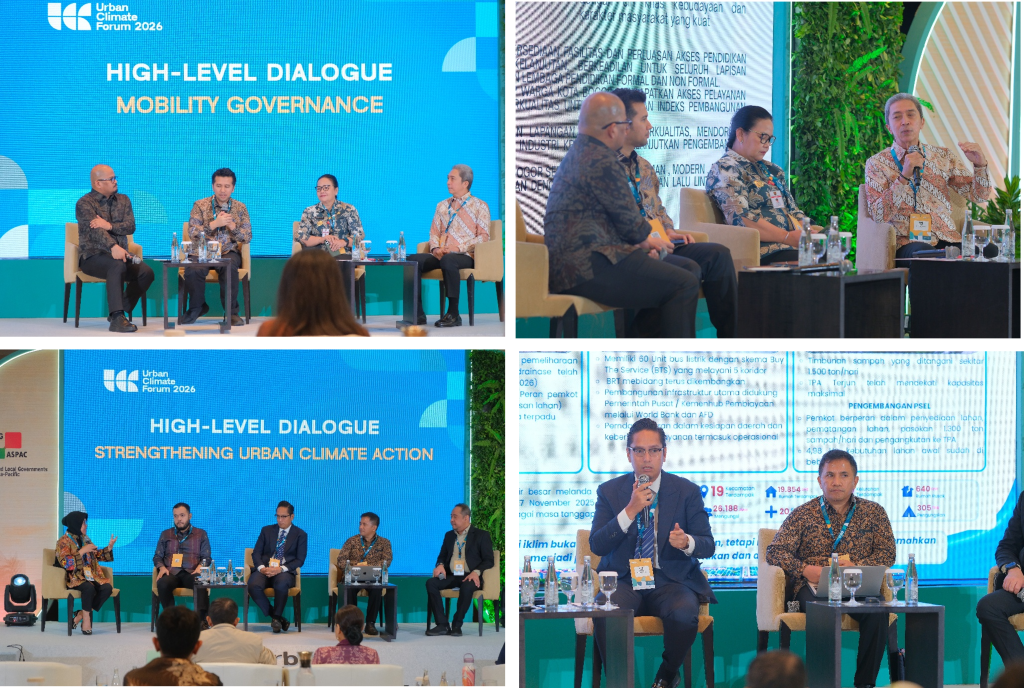
The second High-Level Dialogue explored strategies to accelerate urban climate resilience and adaptation, highlighting the importance of leveraging local assets, practical solutions, and multi-stakeholder collaboration. Drawing on experiences from Surabaya (Ms. Tri Rismaharini, Ambassador, United Cities and Local Governments Asia-Pacific), Padang (Mayor Fadly Amran), and Medan (Mayor Rico Tri Putra Bayu Waas), speakers shared approaches to addressing climate-related challenges through flood mitigation, coastal resilience, spatial planning reforms, river revitalisation, urban greening, waste management, and low-emission transport initiatives. National government representatives (Deputy Minister Teguh Sambodo of Bappenas, and Director Franky Zamzami of Ministry of Environment) reaffirmed support through regulatory frameworks, technical assistance, and access to international climate financing mechanisms, while the handover of Padang City’s Voluntary Local Review (VLR) underscored the role of local governments in advancing sustainable development. The session concluded with a shared commitment to move from sectoral to integrated planning, from administrative boundaries to ecosystem-based approaches, and from reactive disaster response to proactive risk management through strengthened multi-level and hexahelix collaboration.
Key Knowledge Products and New Initiatives
The Urban Climate Forum 2026 also marked the launch of several strategic knowledge products and initiatives, including the Mapping Report of Urban Practices within the National Urban Policy (KPN) 2045 Framework as well as the APLG Learning Platform, a dedicated space for knowledge exchange among local governments across the Asia-Pacific region. The Forum also announced the Urban Mobility Governance Award, a new initiative designed to recognise and promote leadership in integrated, inclusive, and sustainable urban mobility governance across Indonesia. The Forum also shared the results and progress of Urban-Act project implementation in Indonesia, highlighting how the programme has supported local governments and national partners in advancing integrated urban development and climate action.
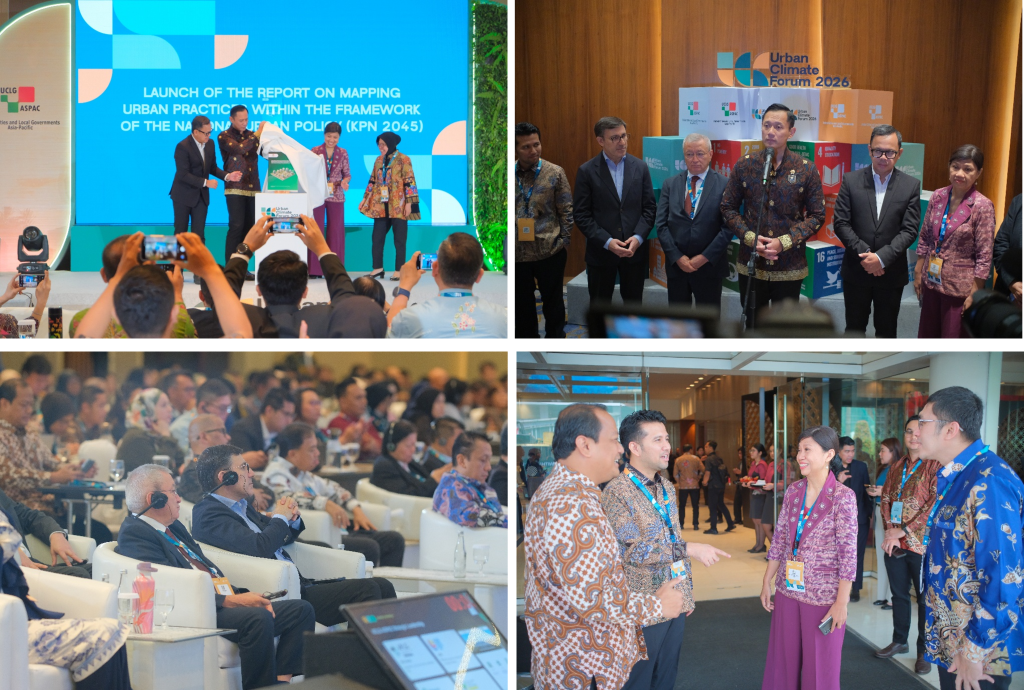
Event photos, presentation materials, and other resources from the Urban Climate Forum 2026 are available at the UCF 2026 resource folder.
Beyond the high-level keynotes and dialogues, the Forum featured a series of parallel sessions addressing key aspects of urban development and climate action. These included Strengthening Local Climate Planning and Action, which shared results from Urban-Act implementation in Indonesia; Energy Transition and Urban Mobility, a collaboration between Urban-Act and the Global Covenant of Mayors for Climate and Energy (GCoM), which included a technical visit to the TransJakarta office; Data Validation Session on the Localisation of the ASEAN Community Vision (ACV) 2045; the Asia-Pacific Local Government Coordinating Body (APLG) Meeting; and the 5th Urban Mekong Coordination Initiative (UMCI) Dialogue. Together, these sessions provided opportunities for participants to exchange experiences, strengthen partnerships, and explore practical approaches to advancing climate action and sustainable urban development across the Asia-Pacific region.
UCLG ASPAC highly appreciates the involvement of several Ministries and partners in making this event a great success.