



July 9-10, 2026 | Khon Kaen — UCLG ASPAC and GIZ Thailand co-organised the Urban-Act Peer-to-Peer Learning and Knowledge Exchange on connected urban green spaces and urban flood risk reduction, titled “Enhancing Urban Resilience through Connected Urban Green Spaces for Urban Flood Risk Reduction: A Pilot Initiative in Khon Kaen City.”
Hosted by Khon Kaen Municipality, the event brought together 12 cities and institutions from China, Indonesia, Lao PDR, Malaysia and Thailand to exchange experiences on Nature-based Solutions (NbS), explore Khon Kaen’s existing water-management system, and develop practical recommendations to support the city’s proposed Sponge City initiative.
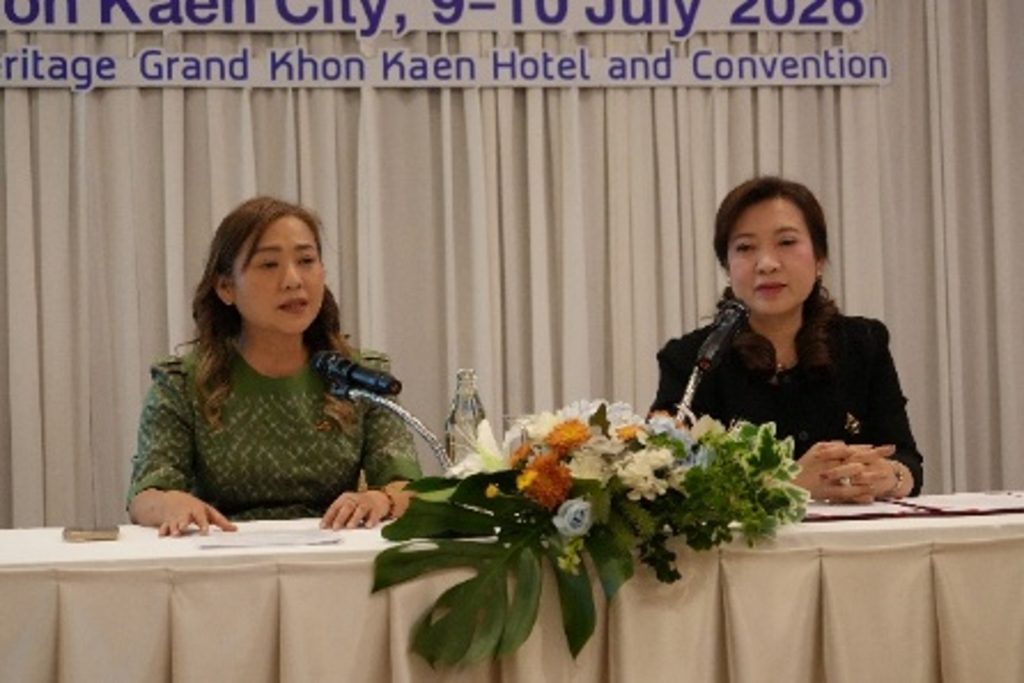
The event commenced with opening remarks from Ms. Nutchareewan Dondeeloet, Vice Mayor of Khon Kaen Municipality, followed by remarks from Ms. Wilasinee Poonuchaphai, Deputy Director of the Urban-Act Project Thailand at GIZ. In her video message, UCLG ASPAC Secretary-General Dr. Bernadia Irawati Tjandradewi emphasised that successful urban solutions cannot simply be replicated from one city to another. Instead, meaningful peer learning requires an understanding of why an approach succeeded, the challenges faced, and how it can be adapted to suit a city’s physical, institutional, financial, and community contexts.
Connecting Parks, Wetlands and Waterways: Khon Kaen’s Sponge City Vision
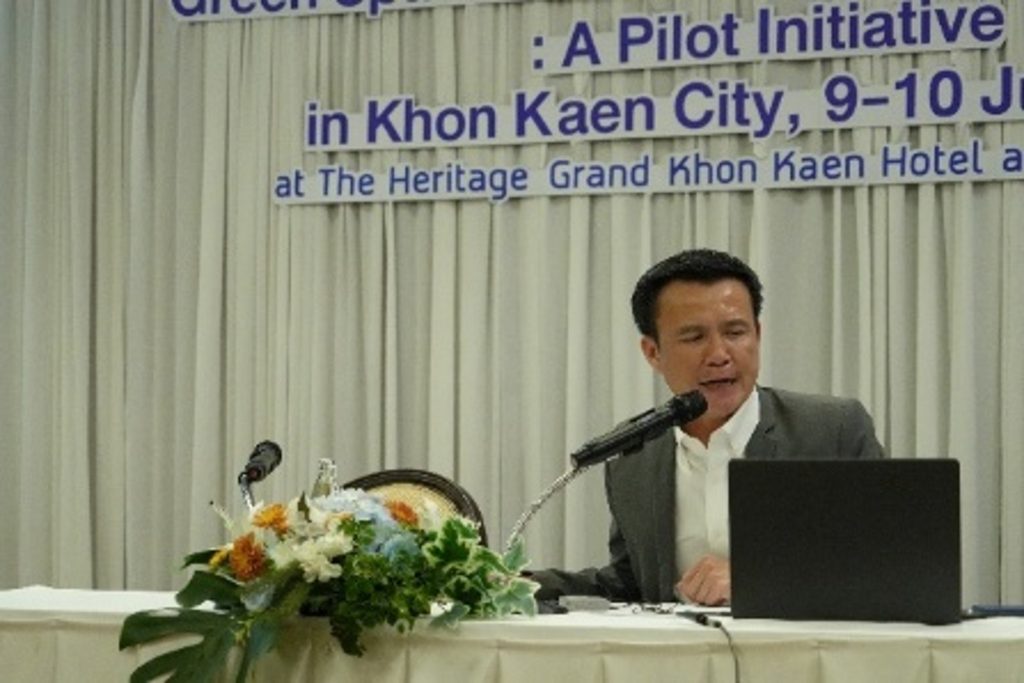
Mr. Tossapol Wong-asa, Director of the Engineering Office of Khon Kaen Municipality, presented the city’s flood and environmental challenges, as well as its proposed initiative to connect parks, wetlands, green corridors and stormwater systems. He explained that areas surrounding Buang Kaen Nakhon retention pond were once rice fields and other permeable landscapes that naturally absorbed and retained rainwater. However, rapid urbanisation and the conversion of permeable land into housing and built-up areas have increased surface runoff, while shorter and more intense rainfall events are placing greater pressure on roads, canals, and drainage infrastructure. Khon Kaen therefore sought peer inputs on how its existing assets could be transformed into a more integrated and multifunctional blue-green network.
Diverse Pathways to NbS
Participants from different cities exchanged experiences, highlighting that NbS can take diverse forms depending on local contexts, challenges, and capacities.
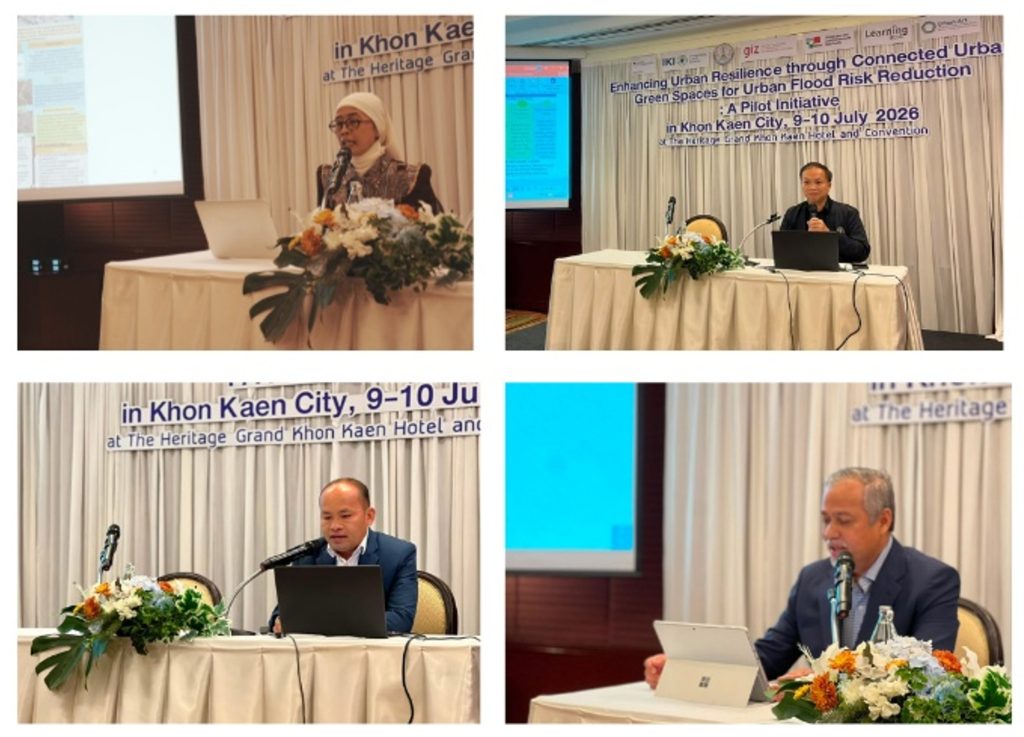
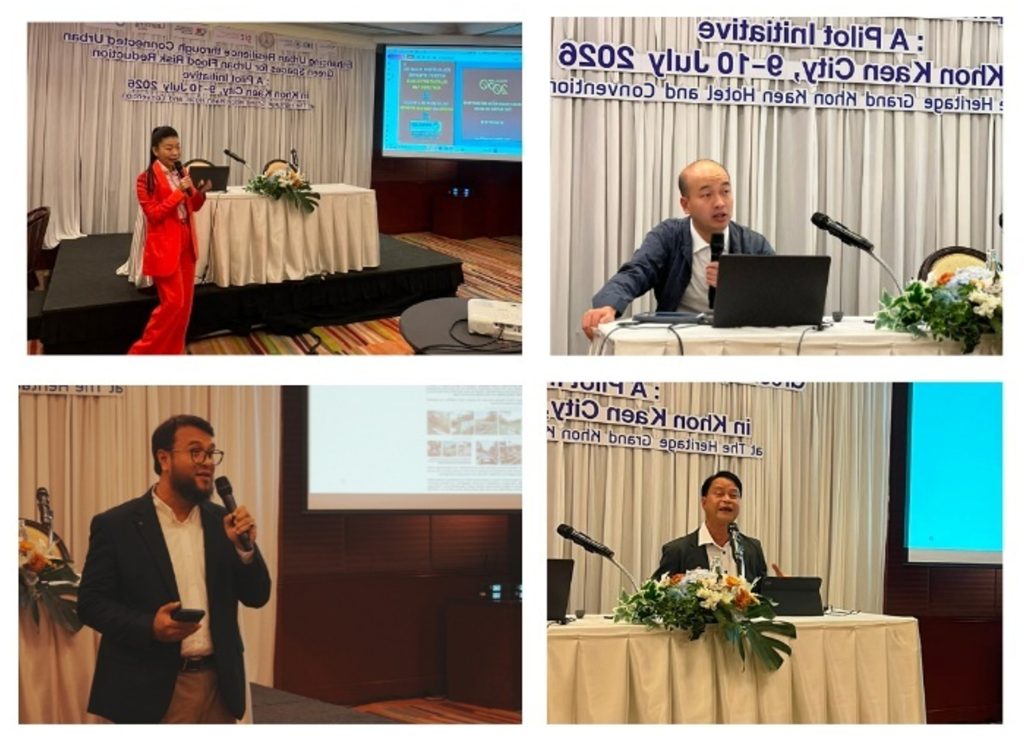
- Shanghai (China) presented its Sponge City approach, which combines blue-green infrastructure, conventional drainage systems, planning controls, and hydrological modelling.
- Jambi (Indonesia) shared its development of a nine-hectare retention pond designed to reduce flood risks while creating public space and supporting local economic opportunities.
- Hat Yai (Thailand) presented a hybrid flood-management approach that combines engineered flood protection, a community-based early warning system, and the Thai Kaem Ling, or “monkey cheek” concept for water retention.
- Vientiane and Luang Prabang (Lao PDR) highlighted efforts in river protection, drainage data management, wastewater management and urban parks, while emphasising the importance of balancing urban growth with environmental and heritage protection.
- Penang (Malaysia) showcased how climate adaptation is integrated into land-use planning and heritage conservation through pocket parks, tree-lined streets, urban agriculture, and connected blue-green corridors. Meanwhile, Klang shared its Sponge City approach, which integrates wetlands and blue-green infrastructure to reduce urban flood risk while restoring biodiversity.
Overall, these examples demonstrated that NbS are most effective when embedded in long-term planning frameworks, supported by partnerships, and adapted to local conditions rather than directly replicated.
Site-Visit: Understanding Khon Kaen’s “Monkey Cheek” Retention System

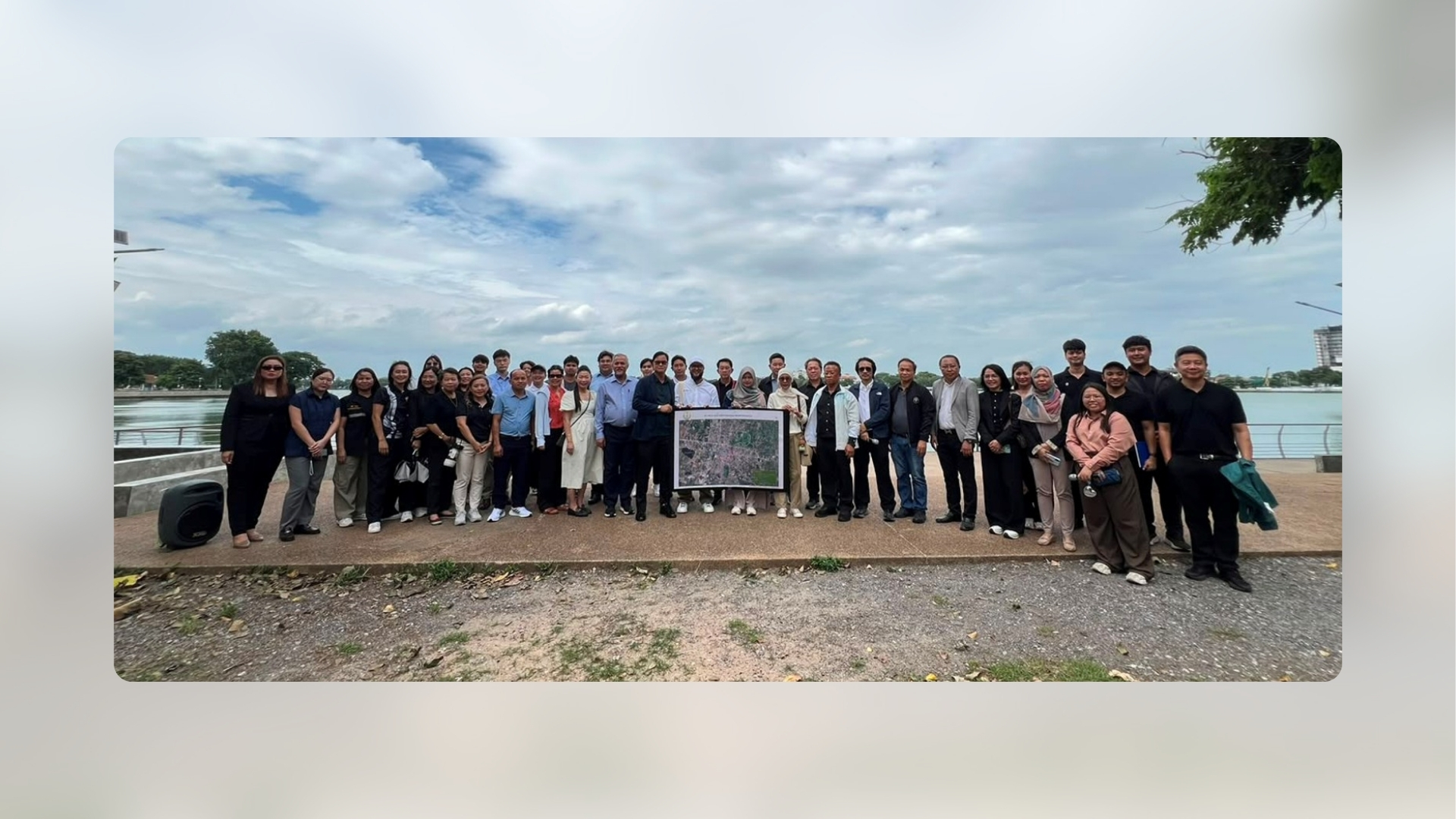
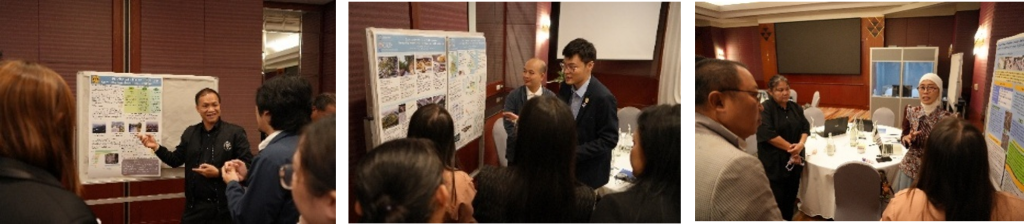
Participants visited City Gate Park, Bueng (swamp) Thung Sang and Bueng Kaen Nakhon to observe how lakes, wetlands, canals, weirs, and wastewater infrastructure operate as an interconnected water-management system, functioning collectively as retention areas rather than isolated ponds.
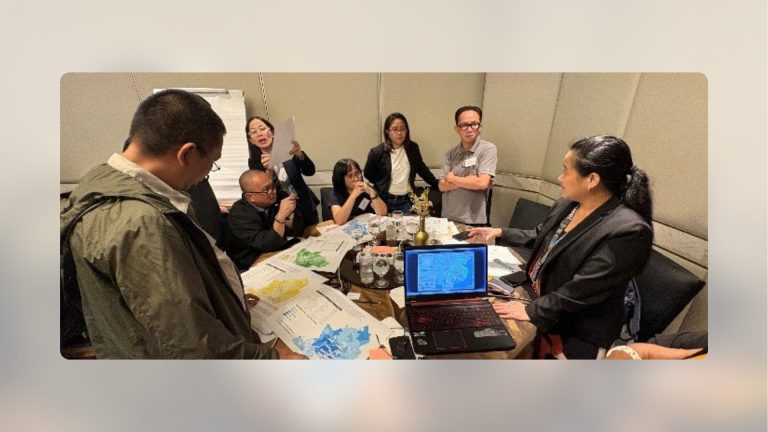
On-site discussions among Urban-Act knowledge and learner cities explored key challenges, including water-quality monitoring, sedimentation management, wetland maintenance, land-use changes, and the need to adapt systems for increasingly intense rainfall events, particularly high-intensity, short-duration rainfall. Khon Kaen explained that municipal resources currently support routine operation and maintenance, while larger interventions such as dredging and diversion works require further feasibility studies, additional investment, and potential external funding support.
From Shared Learning to Contextual Recommendations for Khon Kaen
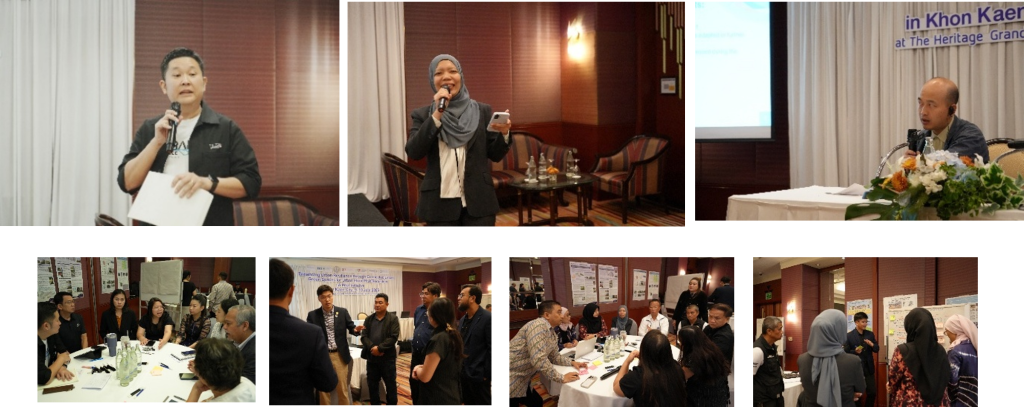
Discussions under the first theme, policy, planning, and institutional integration, highlighted the importance of positioning Khon Kaen’s Sponge City initiative as a city-wide planning approach. Participants recommended strengthening coordination with neighbouring municipalities and river-basin institutions, while improving shared data systems, risk assessment, and early-warning mechanisms. Community capacity and participation were also identified as essential components of long-term resilience. Young people, in particular, were recognised as important partners in raising awareness, supporting environmental monitoring, and fostering sustained behavioural change.
The second theme, the Sponge City Approach, explored how Khon Kaen could build upon its existing natural assets by managing them as an interconnected blue-green network. Participants suggested that the initiative could begin by revitalising public green spaces, pocket parks, and permeable surfaces to temporarily absorb or store rainwater. Continued collaboration with Khon Kaen University on hydrological modelling, feasibility studies, and water-level management was considered critical to support evidence-based planning and implementation.
The third theme, financing, examined how Khon Kaen could transform the Sponge City concept into an implementable and financially sustainable programme. Participants recommended embedding NbS projects within city development and climate action plans, aligning them with Thailand’s National Adaptation Plan, and diversifying financing sources through national funds, development partners, local businesses, and the private sector such as the Khon Kaen Development Company. Robust economic analysis was highlighted as essential to developing an investment-ready proposal, while locally generated revenue could help support long-term operation and maintenance.
Recommended next steps included developing a phased project package, preparing baseline and cost-benefit analysis, identifying suitable funding opportunities and partners, and progressing towards pre-feasibility studies and investment proposals.
Following this, Dr. Kittwoot introduced the City Climate Finance Gap Fund and its potential support for feasibility studies to transform three proposed sites in Khon Kaen into multifunctional green spaces that combine flood mitigation, urban cooling, biodiversity conservation, recreation, and drought resilience.
After Khon Kaen Municipality presented its proposed NbS project plan, participants applied insights from the rotating discussions to identify priority recommendations, potential responsible and supporting partners, and immediate-to medium-term actions.
Building on the recommendations, Vice Mayor Nutchareewan Dondeeloet, on behalf of Khon Kaen Municipality, welcomed the inputs and reaffirmed the city’s commitment to further refining the initiative with support from relevant partners. The workshop concluded with a shared commitment to continue technical exchange, strengthen city-to-city cooperation, and translate the lessons generated through the peer-learning process into practical next steps for Khon Kaen’s Sponge City development.