

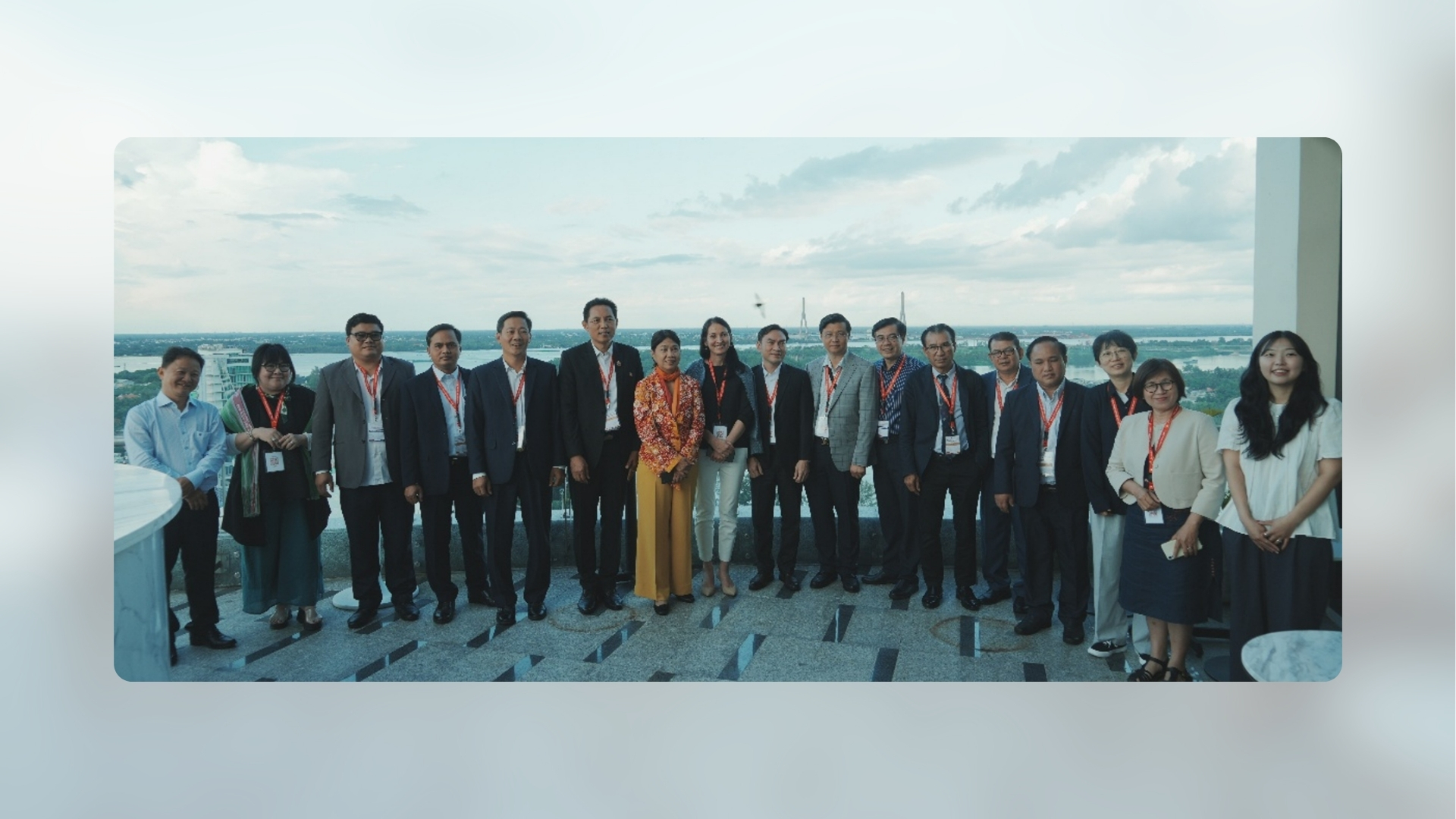
May 22-23, 2026 | Cần Thơ – UCLG ASPAC engaged its city network in the Fourth Urban Mekong Corridor Initiative (UMCI) Dialogue, held under the theme “Connecting Rapidly Growing Towns and Cities for Inclusive Green Development.” The dialogue took place on May 22–23, 2026, bringing together stakeholders to advance regional urban cooperation and promote sustainable, inclusive development across the Mekong region.
Co-hosted by the Cần Thơ City People’s Committee, Cities Alliance, and the Mekong Institute of Cần Thơ University, the fourth UMCI Dialogue focused on advancing solid waste and plastic management, promoting nature-based solutions to address shared urban challenges, and strengthening transboundary cooperation across the Mekong River.
Day 1: Strengthening Partnerships and Building a Shared Urban Vision
The Dialogue opened with welcoming remarks from Chairman of the People’s Committee of Cần Thơ City, Mr. Truong Canh Tuyen, UCLG ASPAC Secretary General Dr. Bernadia Irawati Tjandradewi, and Director of the Mekong Institute at Cần Thơ University, Assoc. Prof. Dr. Van Pham Dang Tri. The speakers highlighted the growing challenges confronting Mekong cities, including climate change, flooding, environmental degradation, waste management, and rapid urbanisation. They underscored the importance of collaborative action, regional partnerships, and sustainable urban development in addressing these shared challenges.Partnerships in Action: How Cities and International Partners Shape the Mekong Corridor
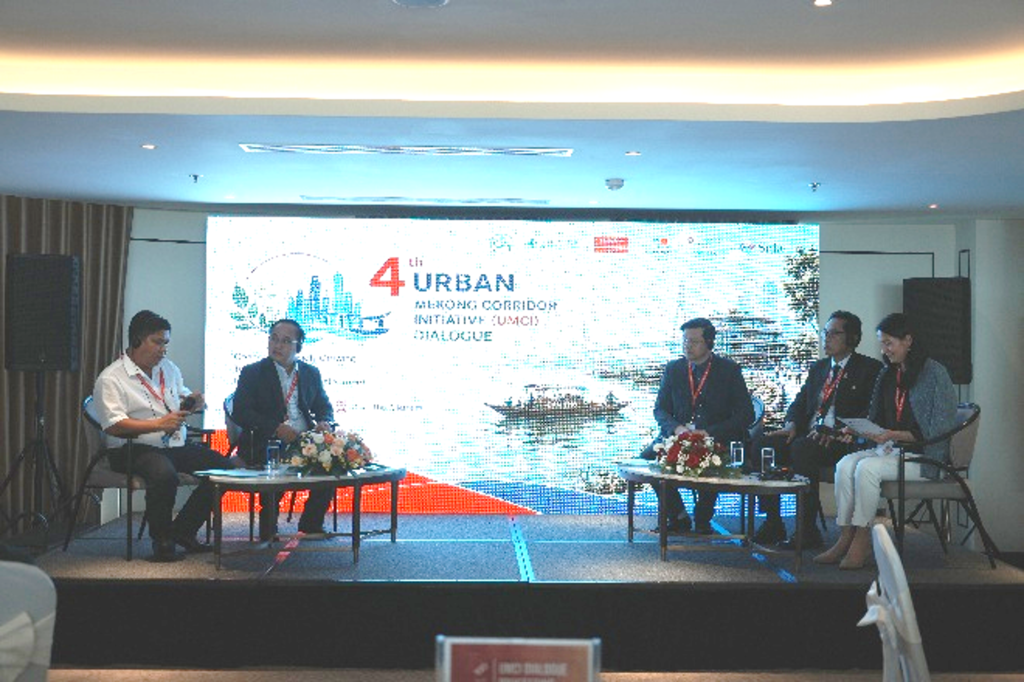
The first session highlighted the importance of collaboration in advancing sustainable urban development across the Mekong region. “Cities and international partners help shape the Mekong corridor by promoting economic integration, infrastructure development, and regional cooperation. Their collaboration is essential to creating a connected, sustainable, and inclusive future for the Mekong region,” said Mr. Soukvisai Sisomvang, Mayor of Pakse City.
While each city shared its own priorities and local context, the discussion revealed a range of common challenges faced across the region. The exchange reinforced the importance of continued knowledge sharing, practical collaboration, and long-term partnerships to foster more resilient, inclusive, and sustainable communities.
Dialogues for a Joint Vision: Why Transboundary City Cooperation Matters
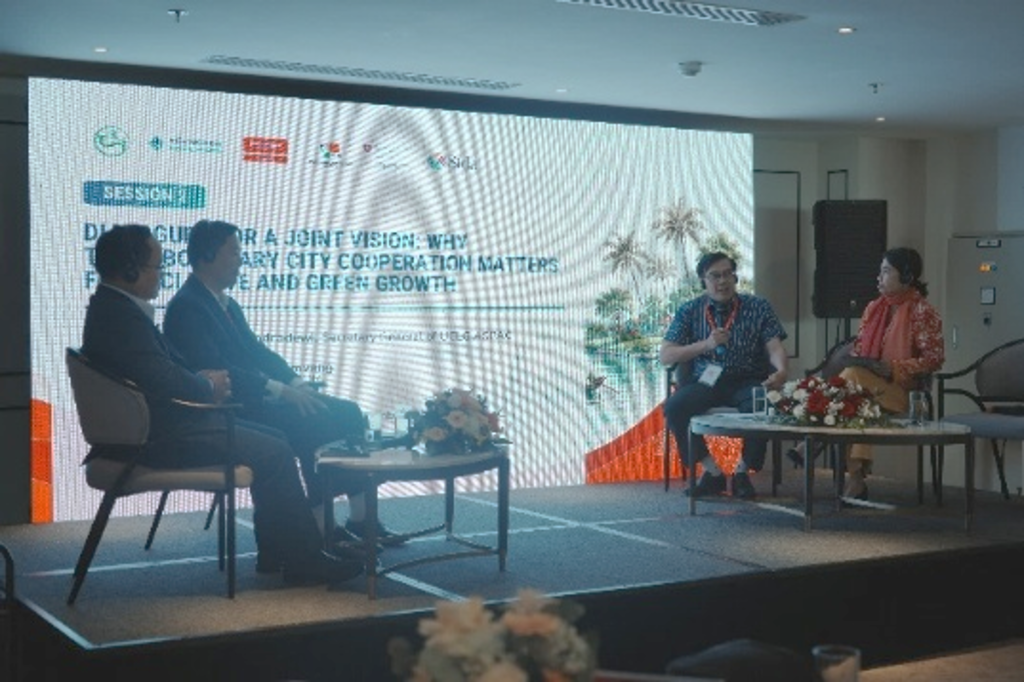
Border areas are increasingly evolving into interconnected economic corridors, where development opportunities and environmental challenges are closely linked. The session highlighted shared challenges, including air pollution, flash floods, municipal waste, and river basin governance, which require coordinated action beyond administrative boundaries.
The discussion emphasised that stronger cross-border cooperation enables cities to exchange knowledge, share practical experiences, and advance green urban planning, climate resilience, and circular economy initiatives while avoiding duplication of efforts. Participants agreed that sustained collaboration among local governments not only strengthens trust and regional stability but also creates a foundation for mobilising green finance, developing shared data platforms, and attracting long-term investment to support a more resilient Mekong region.
Cần Thơ’s Journey Towards Climate-Resilient Urban Development
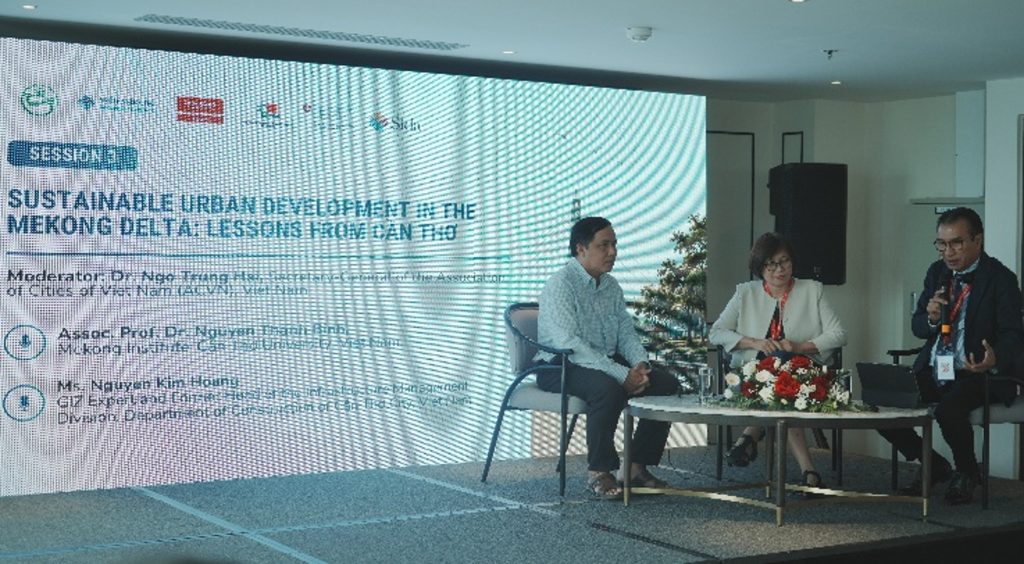
Cần Thơ’ has shifted toward climate-resilient urban development by combining traditional engineering approaches with nature-based solutions. Moving beyond conventional flood defence measures, the city is implementing an integrated approach guided by its resilience strategy to balance sustainable economic growth with long-term systemic resilience. The discussion highlighted a key takeaway: effective climate adaptation extends far beyond physical infrastructure, requiring integrated planning, sustained investment, and active community participation.
The Role of City Associations in Shaping the Mekong Urban Agenda
Representatives from the Association of Cities of Viet Nam (ACVN) and Cambodia’s National League of Local Councils (NLC) highlighted their roles in promoting decentralised governance and strengthening municipal capacity. Beyond advocating for local interests, both associations emphasised their role in connecting local priorities with national and regional development agendas, They serve as important platforms for cross-border collaboration and peer learning, empowering cities to enhance institutional capacity, coordinate urban development efforts, and advance a greener, more resilient, and inclusive future for the Mekong sub-region.
Day 2: Learning from Local Innovation
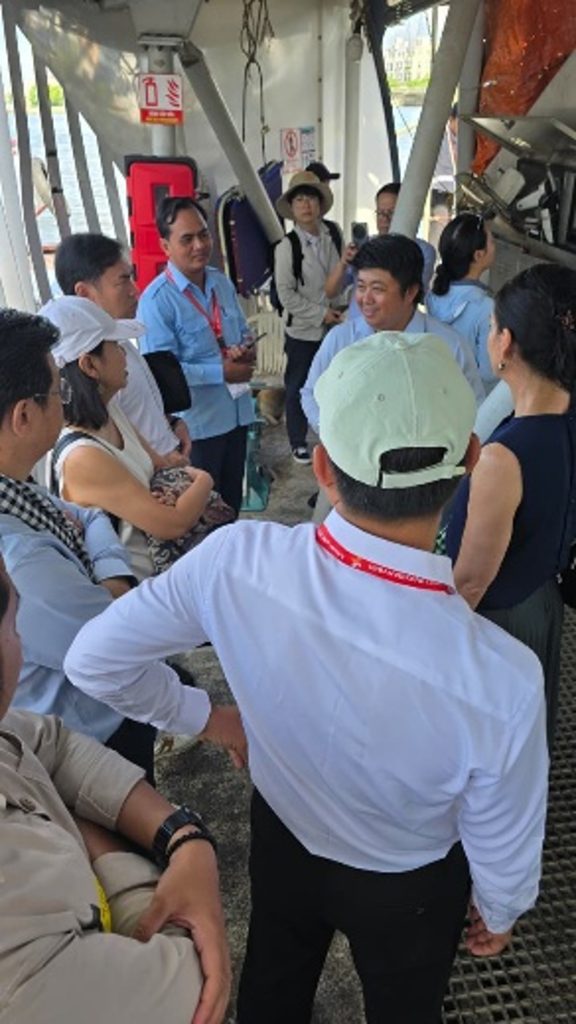
The second day featured a field visit organised by the Cần Thơ City Government, providing participants with opportunities to observe practical examples of sustainable urban development in action.
Cần Thơ River Floating Trash Collection System
Participants visited the Cần Thơ River automatic floating trash collection system (Interceptor 003), an innovative initiative designed to prevent plastic and solid waste from entering the Mekong River system. The visit demonstrated how technological innovation can support cleaner waterways and enhance environmental management.
Green Infrastructure Solutions at Thoi Nhut Park
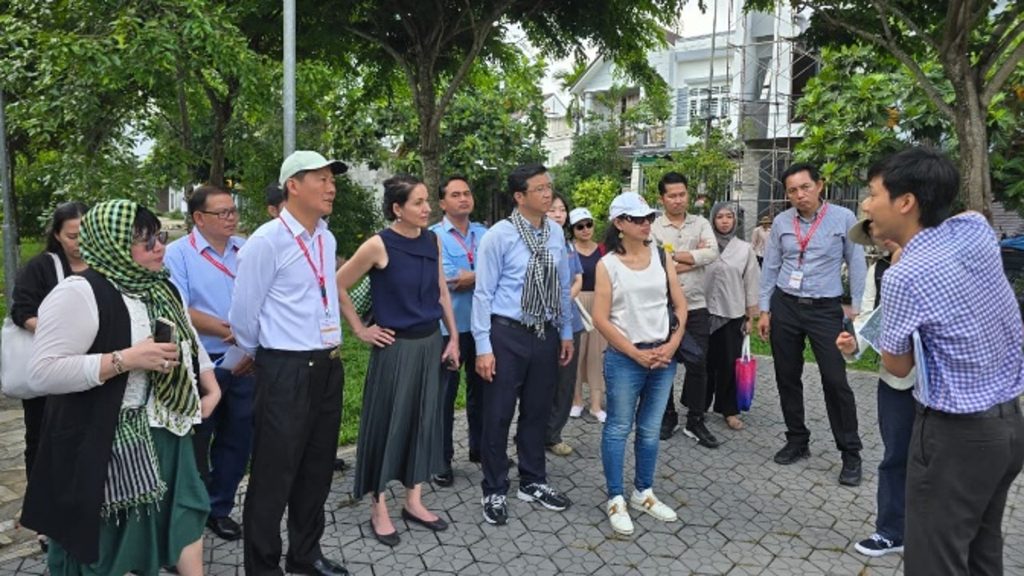
The second site visit showcased the Thoi Nhut Green Infrastructure Park, where ecological landscapes, water retention systems, green spaces, and community facilities have been integrated to improve flood management and environmental quality. The project demonstrated how nature-based solutions can strengthen urban resilience while enhancing community well-being.
Conclusion: Advancing the Urban Mekong Corridor
The Fourth UMCI Dialogue underscored the critical importance of regional cooperation in addressing the interconnected urban and environmental challenges facing the Mekong Basin. Participants reaffirmed that local governments are at the forefront of driving inclusive green growth and strengthening climate resilience.
The dialogue fostered stronger connections among cities, local government associations, academia, and development partners. Participants shared a commitment to deepening collaboration and transforming UMCI into an action-oriented platform that supports resilient and sustainable urban future across the Mekong region.