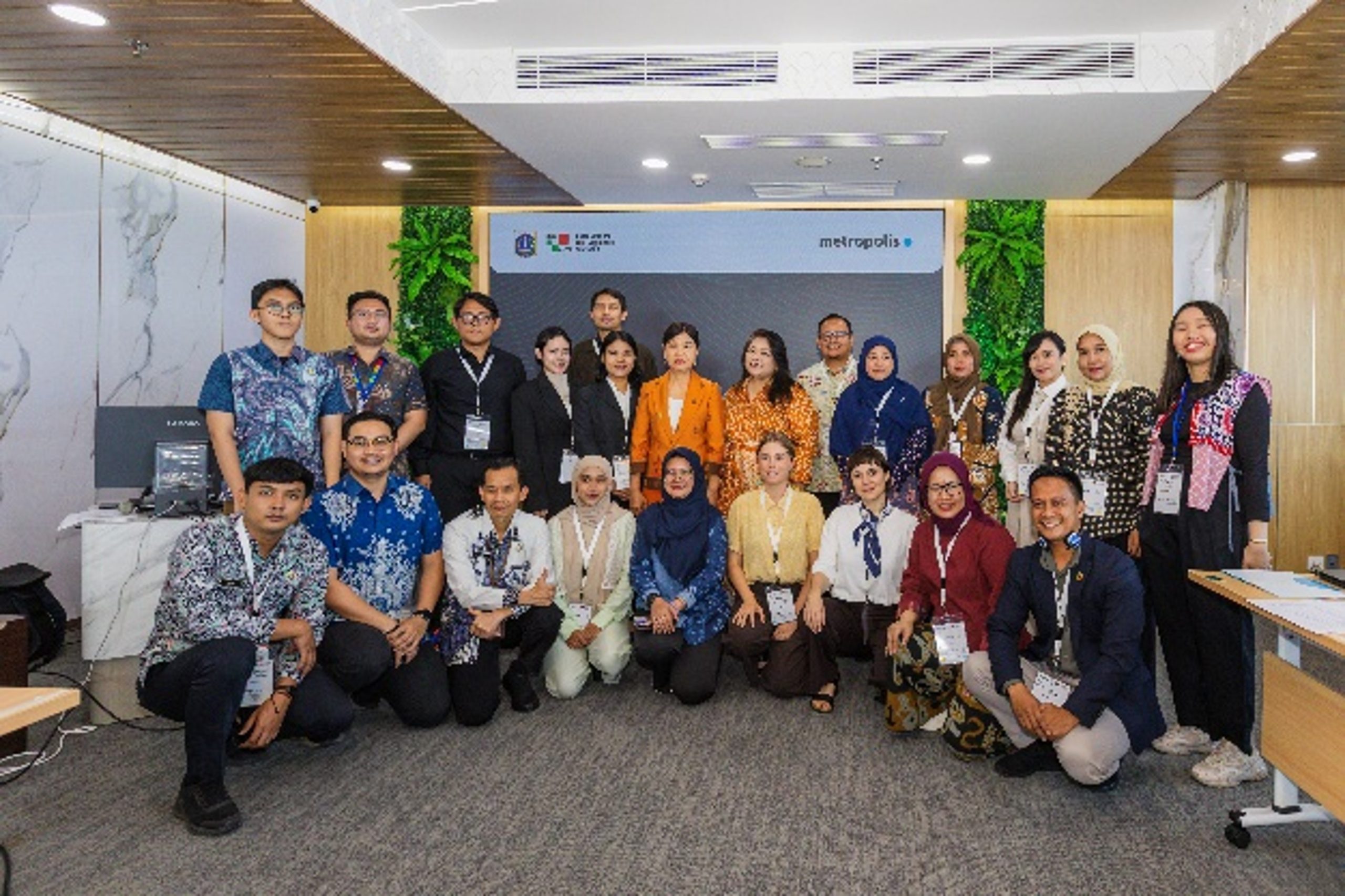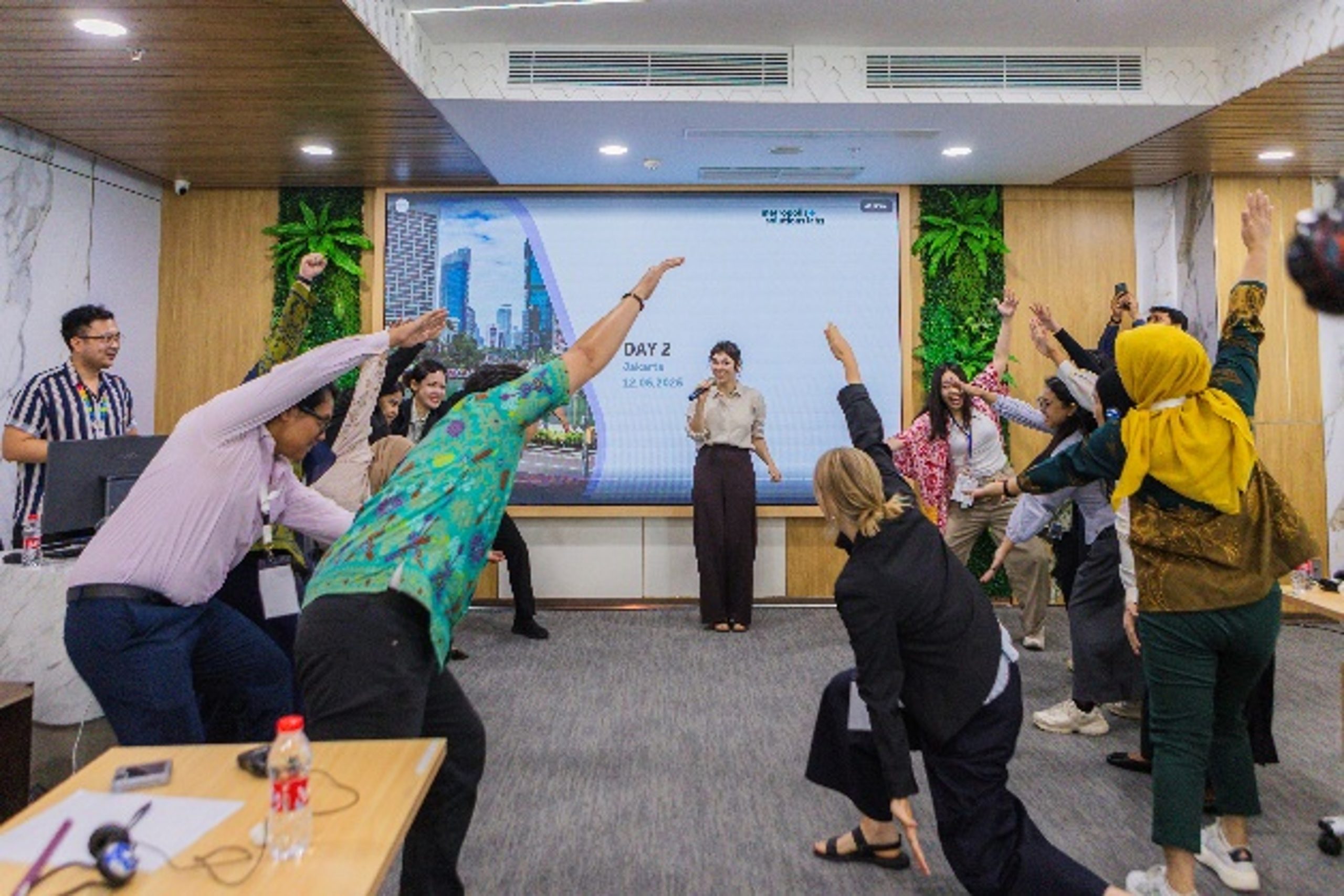





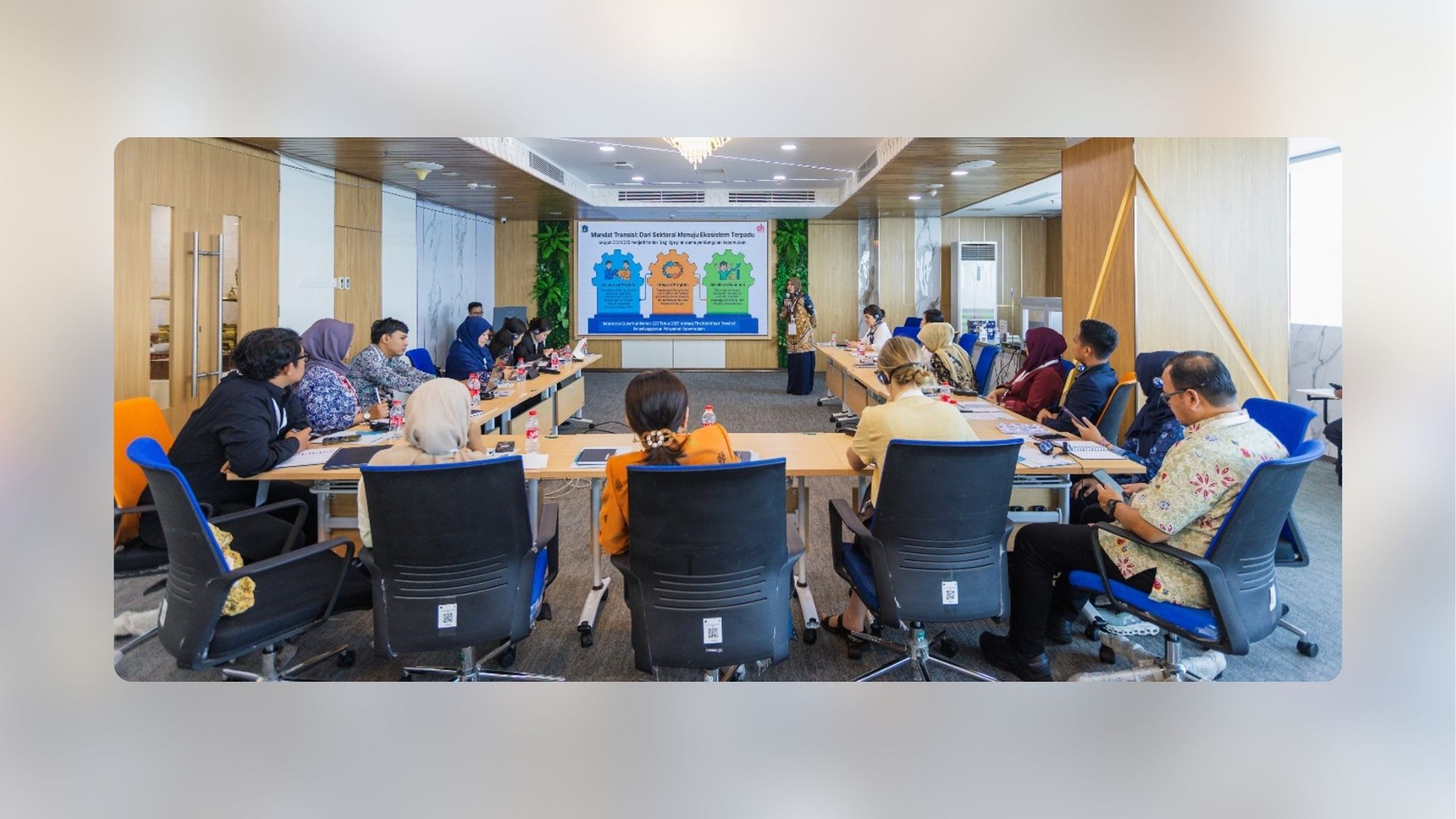
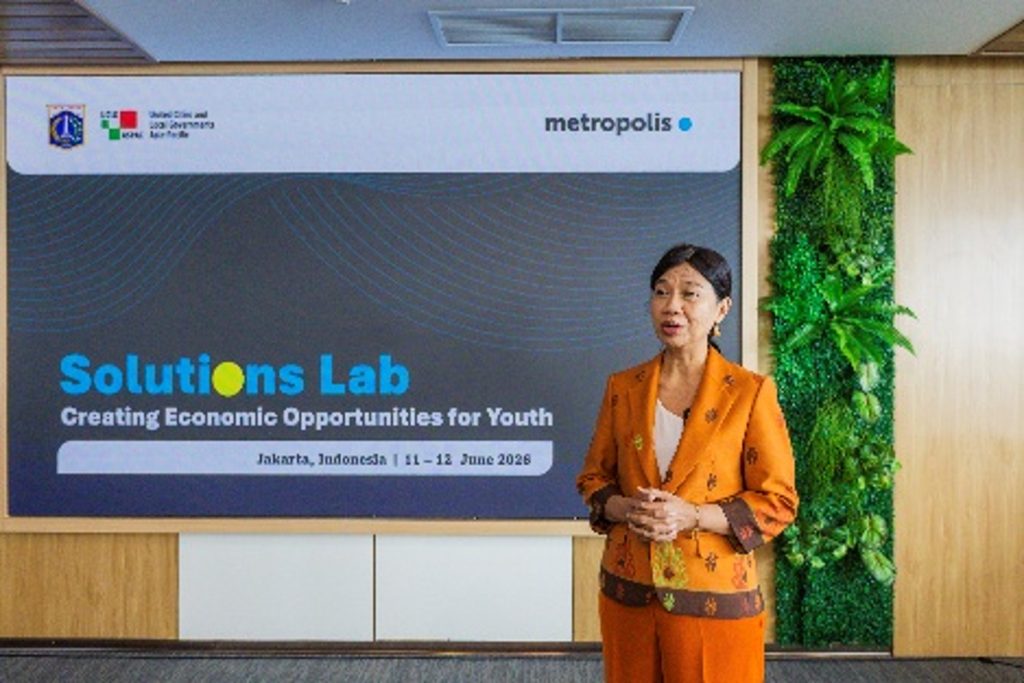
June 11-12, 2026 | Jakarta – UCLG ASPAC, in close collaboration with the Metropolis, organised “Solutions Lab: Creating Economic Opportunities for Youth” forum. Proudly hosted by the Jakarta Provincial Government, this prestigious two-day summit was organised in response to the need for actionable, cross-border strategies resulting from the escalating challenge of high youth unemployment faced by cities.
Serving as a dynamic, high-level platform for policy exchange and grassroots innovation, the forum successfully brought together urban policy experts, and youth delegates from a diverse array of Southeast Asian cities. Representatives from Jakarta, Bangkok, Bogor, Palembang, Tangerang, Makassar, and Bandar Lampung, gathered not merely to discuss the symptoms of youth unemployment but to actively forge scalable solutions.
Youth at the Centre of Urban Strategic Development
Ms. Tona Hutauruk, Head of the Regional Cooperation Bureau of the Jakarta Provincial Government, in her opening remarks, reaffirmed the host city’s unwavering commitment to placing young people at the absolute centre of its urban development strategy. Highlighting a bold new initiative, Ms. Hutauruk introduced an innovative funding mechanism inspired by Indonesia’s renowned scholarship scheme, designed specifically to facilitate international work placements for vocational school graduates in Jakarta.
“This step aims to break down the formidable visa and relocation cost barriers that so often become stumbling blocks for our high-potential youth. We want to ensure that financial limitations do not stifle global talent,” she explained to the assembly.
Dr. Bernadia Irawati Tjandradewi, Secretary General of UCLG ASPAC, drew the audience’s attention to the massive demographic dividend currently unfolding across the Asian region, a phenomenon that offers a narrow window of opportunity for unprecedented economic growth if managed correctly.
“The aim of our discussion here is not merely to compile a list of problems or to complain about the current state of the labour market,” asserted Dr Bernadia. “Rather, we are here to rigorously identify practical, innovative solutions that can be implemented and scaled up through tangible, day-to-day co-operation between our local governments.”
Exchanging Blueprints: From Blockchain to Integrated Ecosystems
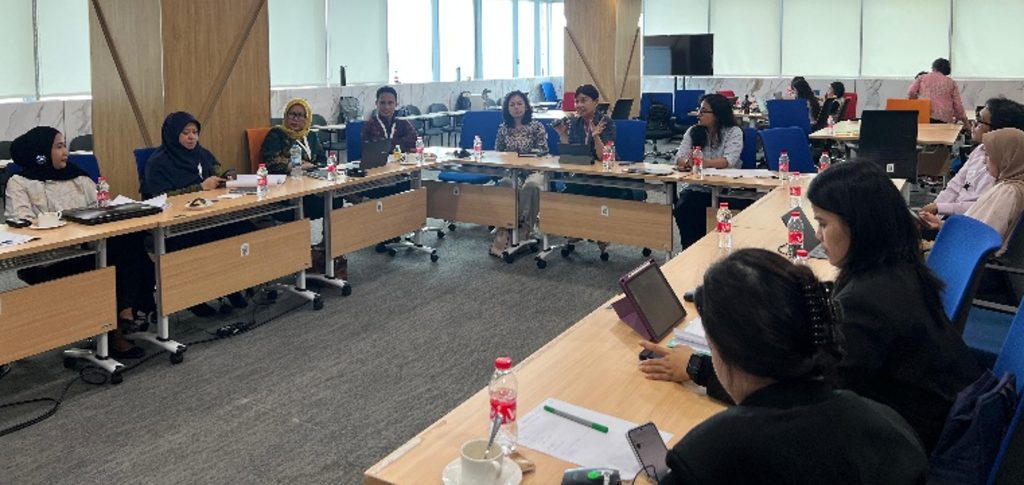
A core pillar of the Solutions Lab was the intensive city-to-city policy exchange, where municipalities pitched their flagship programmes and received inputs from the public policy experts.
Bangkok captured the delegates’ attention by outlining a transformative, large-scale initiative that involves over 1,000 young people acting as direct policy co-creators. This highly inclusive approach is further modernised by the city’s implementation of a blockchain-based district election system, ensuring transparency and deep civic engagement among the younger demographic.
Jakarta demonstrated its comprehensive dedication through its Regional Action Plan (RAD) for Youth Services. The host city is currently building an integrated entrepreneurial ecosystem designed to incubate and support resilient young entrepreneurs, providing them with mentorship, funding access, and regulatory support needed to survive in a competitive market.
Bogor presented its ambitious long-term vision to become a “Creative Science City” by 2045. Advancing towards a highly transformative level of urban maturity, Bogor highlighted its Youth Musrenbang (Youth Development Planning Forums), an inclusive platform that actively involves young people and vulnerable groups in the city’s development planning, transitioning towards more evidence-based policymaking.
Other participating cities, such as Palembang, Tangerang, Makassar, and Bandar Lampung, have also contributed valuable local perspectives, illustrating that successful youth economic policies must be tailored to the unique cultural and economic landscapes of each city.
Expert Insights: Moving from Vision to Execution
Following the city presentations, Dr. Marcelino Pandin provided a comprehensive maturity assessment and crucial recommendations for all participating cities. Summing up the overarching strategy for success, the general idea is that cities must bridge the gap between ambitious planning and practical execution by strengthening implementation capacity and adopting evidence-based approaches.
To achieve this, Dr. Marcelino strongly recommended integrating robust risk management into all youth programmes and establishing Project Management Offices (PMOs) equipped with clear dashboards, milestones, and performance indicators. He further emphasised the necessity of ensuring initiatives directly respond to actual labour market demands and making a clear distinction between supporting “entrepreneurship by necessity” versus “entrepreneurship by opportunity.” Ultimately, translating strong visions into sustainable economic outcomes requires solid execution mechanisms and continuous monitoring.
The Crucial Role of Social Protection in a Digital Age
The forum was not solely focused on enterprise and digital innovation; it also tackled the precarious nature of modern employment. Representatives from the ASEAN Youth Forum (AYF) Secretariat provided critical thematic insights. They delivered a poignant reminder to local governments that the pursuit of a digital economy must not outpace the establishment of robust social safety nets.
They highlighted the growing gig economy, a sector heavily populated by young people who frequently lack basic employment rights, healthcare, and digital security. The AYF representatives stressed that any future-proof economic vision must include comprehensive social protection for these informal and gig workers, ensuring that economic growth does not come at the cost of human rights and security.
Diving into Jakarta’s Creative Ecosystem
To bridge the gap between theoretical policy and tangible execution, delegates were taken out of the conference room and immersed in Jakarta’s vibrant urban landscape. An extensive site visit was conducted to the Jakarta Creative Hub (JCH) and the bustling Blok M creative district.
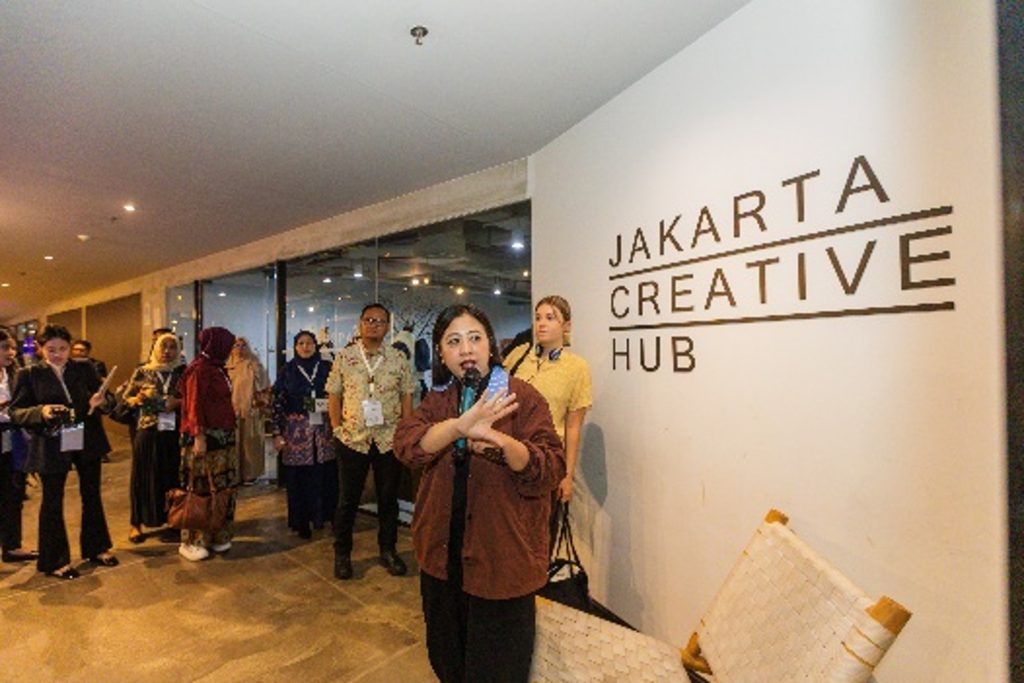
At the Jakarta Creative Hub, the participants observed the remarkable operational efficiency of the facility. Despite being driven by a surprisingly small and agile team, the hub successfully manages premier maker spaces, collaborative co-working areas, and wide-reaching strategic partnerships. The delegates noted how effectively the JCH upscales local small and medium enterprises (SMEs) by providing access to high-end equipment and professional networking that would otherwise be out of reach for young creators. The subsequent tour of Blok M further showcased how public spaces can be organically reclaimed and transformed into thriving, youth-driven economic and cultural centres.
The Solutions Lab culminated in a highly interactive and collaborative final workshop facilitated by Metropolis. Utilising a strategic “backcasting” method, participating cities worked backwards from a shared ideal future to the present day. Together, they drafted a comprehensive Vision 2040 Blueprint. During this intensive session, the cities mapped out vital, actionable milestones for the years 2028, 2032, 2035, and ultimately 2038. This shared blueprint guarantees a unified regional approach to building a resilient, inclusive, and highly adaptive youth economic ecosystem.