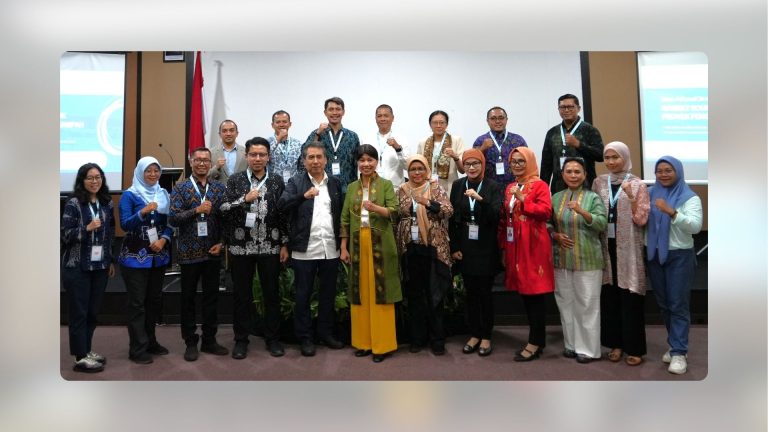





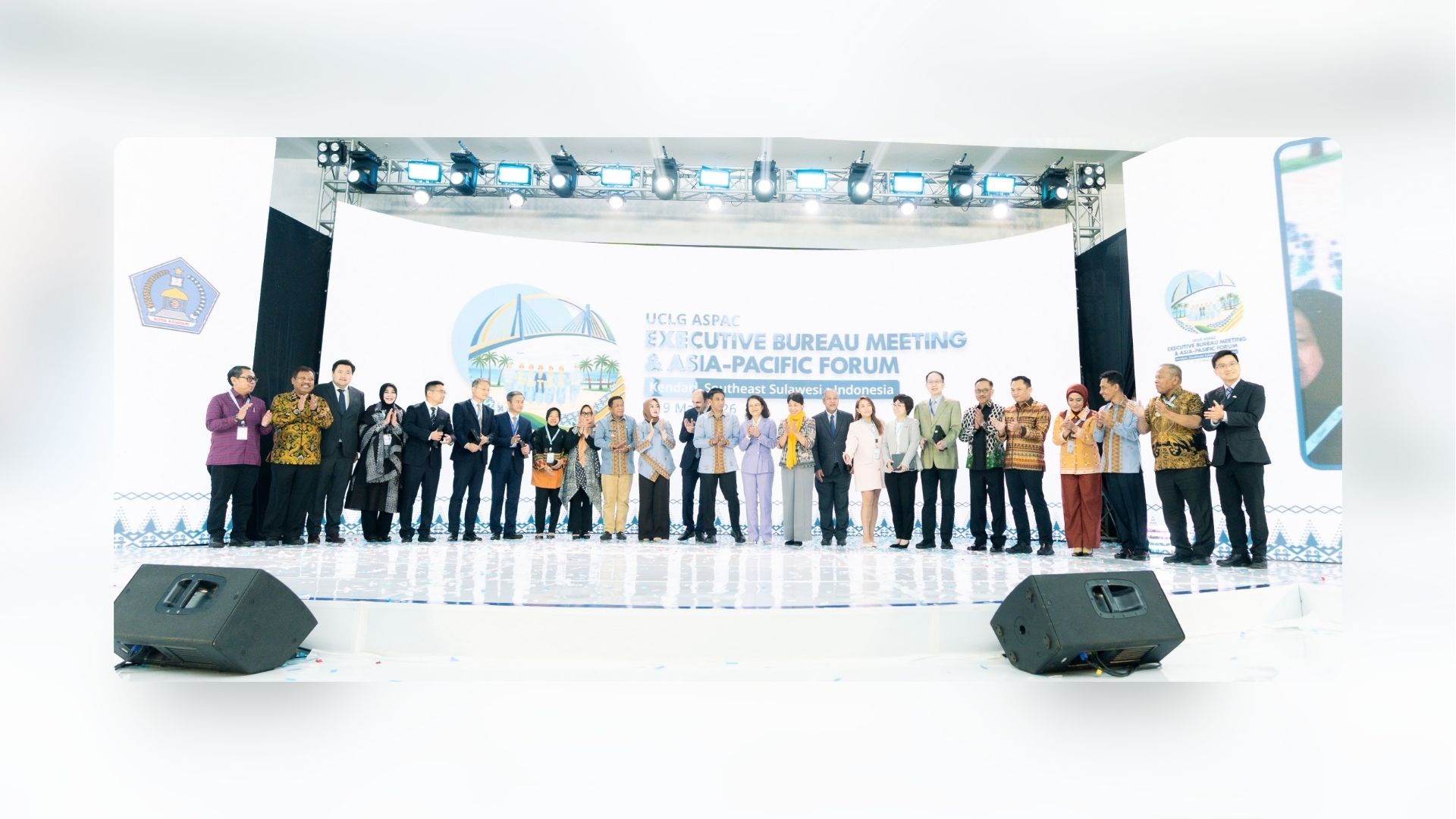
May 7-9, 2026 | Kendari – UCLG ASPAC held the First Session of the 2026 UCLG ASPAC Executive Bureau Meeting and Asia-Pacific Forum in Kendari, Southeast Sulawesi, Indonesia, taking theme “Advancing Sustainable Tourism for a Resilient Future and Inclusive Economic Growth”.Gathering more than 500 delegates representing 50 cities and local governments from across the Asia-Pacific region and beyond, including participants from West Asia and Europe, this event stimulated insights sharing among city leaders and experts on how cities strategise to ensure their tourism not only thrives but also gives back more than it takes, benefiting the people, the planet, and the future.
In her welcoming remarks, Mayor of Kendari, Siska Karina Imran, expressed the city’s pride in becoming a meeting point for regional cooperation and future partnerships.
“We gather here with a shared commitment to advance sustainable tourism as a foundation for a resilient and inclusive future.”
This message was reinforced by the Secretary General of UCLG ASPAC, Bernadia Irawati Tjandradewi, who emphasised that local governments are actively shaping practical solutions to climate change, economic uncertainty, and rapid urbanisation.
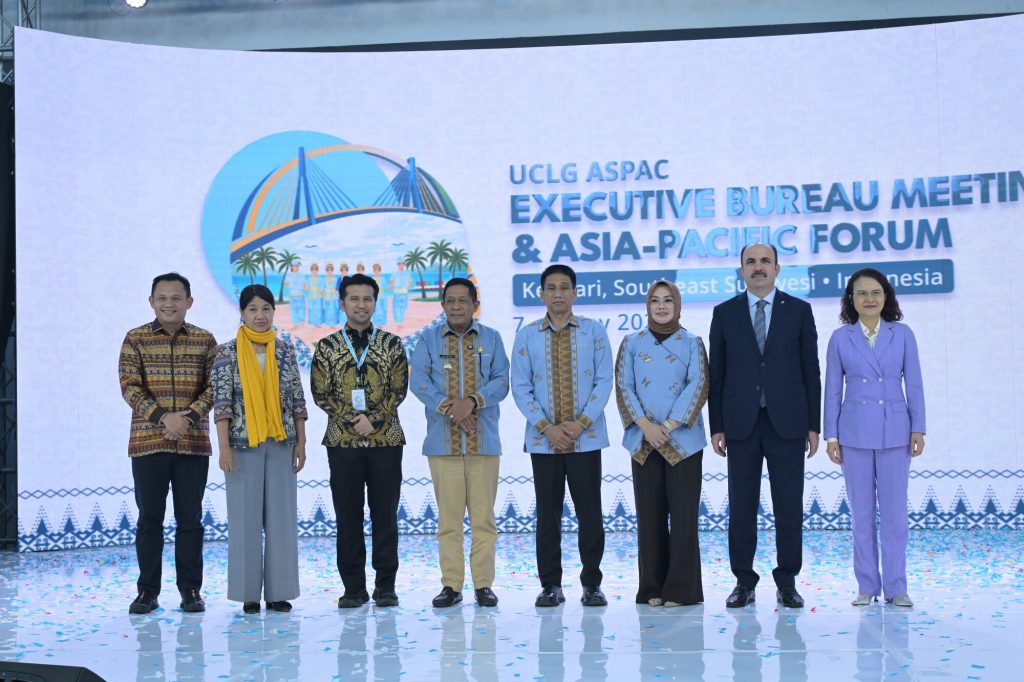
The First Session of the 2026 UCLG ASPAC Executive Bureau Meeting and Asia-Pacific Forum was officially opened with insightful remarks from respected speakers: Ms. Siska Karina Imran, Mayor of Kendari City; Dr. Bernadia Irawati Tjandradewi, Secretary General of UCLG ASPAC; Gov. Dakila Cua, President of UCLG ASPAC; Mr. Uğur İbrahim Altay, Executive President of UCLG and Mayor of Konya Metropolitan Municipality; Mr. Hugua, Vice Governor of Southeast Sulawesi; and Mr. Akhmad Wiyagus, Vice Minister of Home Affairs of the Republic of Indonesia; Mr. Herry Rachmat Widjaja, Director of the Makassar Tourism Polytechnic, Ministry of Tourism of the Republic of Indonesia.
“Sustainable tourism should be understood not merely as an economic driver, but as a tool for local development that connects communities, culture, environment, and local economies.”
Adding to the discussion through a video message, UCLG ASPAC President Dakila Carlo Cua highlighted that sustainable tourism should no longer be viewed solely as an economic sector, but rather as an integral part of resilient and inclusive local development.
Congratulatory remarks were also delivered by Mr. Uğur İbrahim Altay, Executive President of UCLG and Mayor of Konya Metropolitan Municipality, who stressed that sustainable tourism must generate tangible benefits for local communities while preserving culture, identity, and the environment.
“Sustainable tourism should not only increase visitor numbers, but also strengthen local identity, social inclusion, and community participation.”
Representing the host province, Vice Governor of Southeast Sulawesi Province Hugua underscored sustainable tourism, the blue and green economy, and climate resilience as key priorities for the province. He also noted the importance of the forum as a platform for collaboration and knowledge exchange across the Asia-Pacific region.
“The Forum is an important platform for knowledge exchange, partnership building, and advancing practical collaboration on sustainable tourism, marine conservation, and inclusive local economic development across the Asia-Pacific region.”
Officially opening the event, Indonesia’s Vice Minister of Home Affairs Akhmad Wiyagus praised Kendari for successfully hosting an international-scale event by leveraging local resources and demonstrating the readiness of local governments to engage globally.
“Appreciation to Kendari City Government for successfully organising an international event by optimising local resources. This demonstrates the capability and readiness of local governments in welcoming the world.”
The opening ceremony concluded with a keynote speech from the Minister of Tourism of the Republic of Indonesia, delivered by Herry Rachmat Widjaja. The speech highlighted the importance of integrating the Blue, Green, and Circular Economy framework into tourism development to ensure sustainability and competitiveness.
“The Blue, Green, and Circular Economy framework supports sustainable and competitive tourism development by balancing economic growth, ecosystem conservation, and community wellbeing.”
Sustainable Tourism at the Heart of the Agenda
A major priority set by UCLG ASPAC for the Asia-Pacific forum was the promotion of sustainable tourism as a driver of resilient economies and inclusive growth. Discussions focused on how cities can develop tourism sectors that create jobs, empower communities, preserve local culture, and protect the environment.
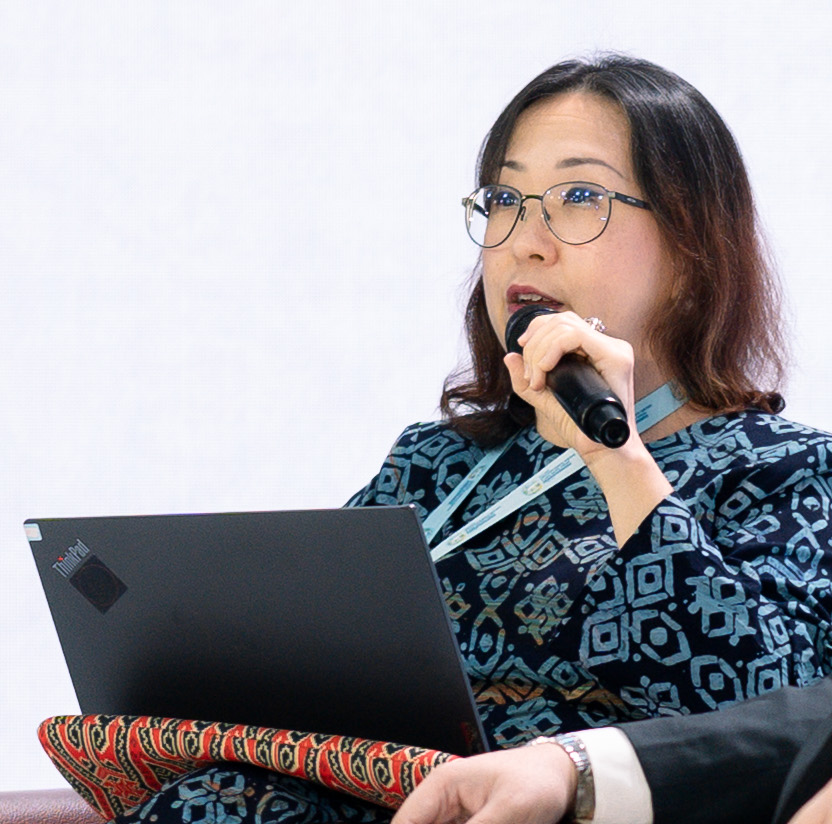
Dr. Christina Yeo Ken Yin, Undersecretary of Malaysia’s Ministry of Tourism, Arts and Culture, highlighted that sustainable tourism requires long-term commitment, community ownership, and continuous innovation beyond international recognition.
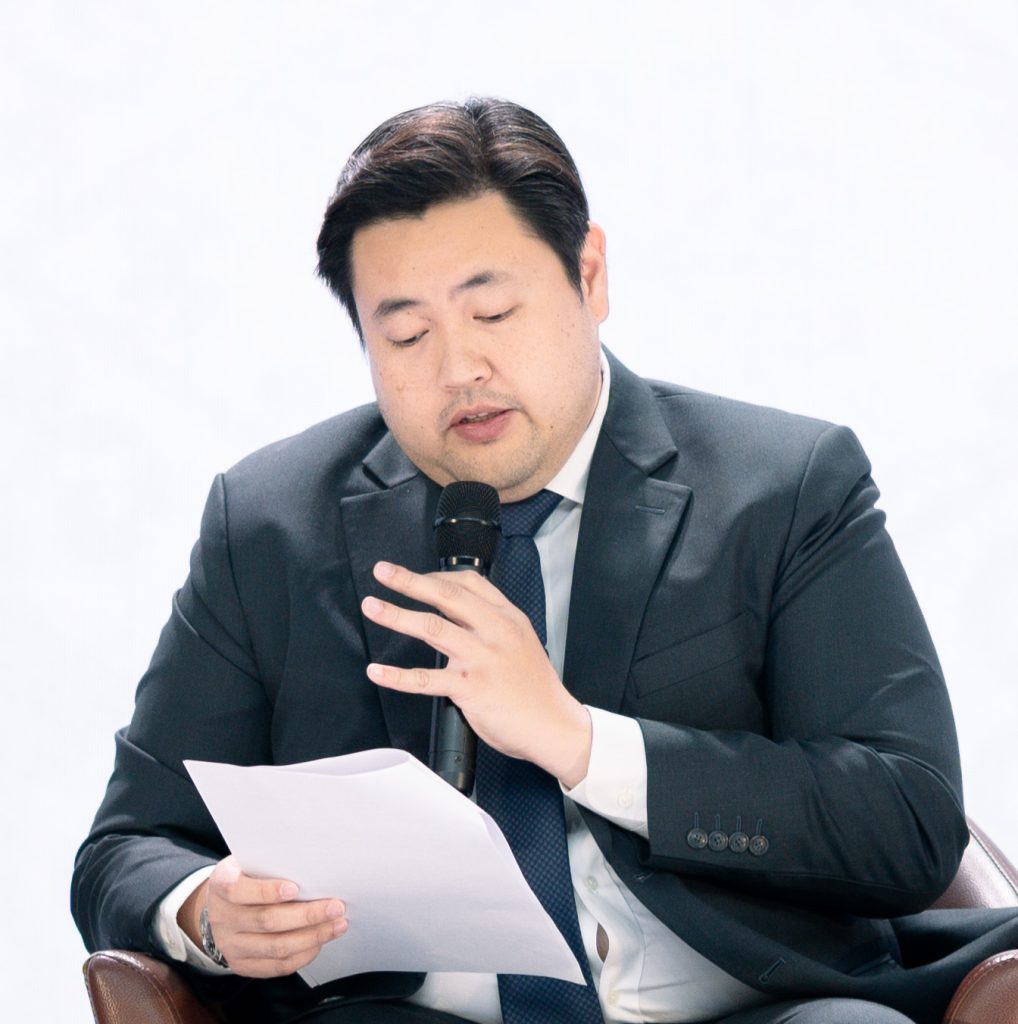
Mr. Jake Vincent S. Villa, Governor of Siquijor Province, Philippines, highlighted that local communities should actively shape, manage, and benefit from tourism growth.
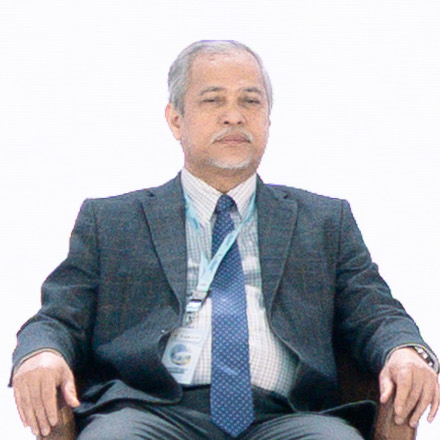
Datuk Abdul Hamid Hussain, Mayor of Klang Royal City Council and President of MALA, shared Klang’s experience in balancing heritage preservation, economic growth, and climate resilience has led the city to sustainable tourism, supported by integrated urban.
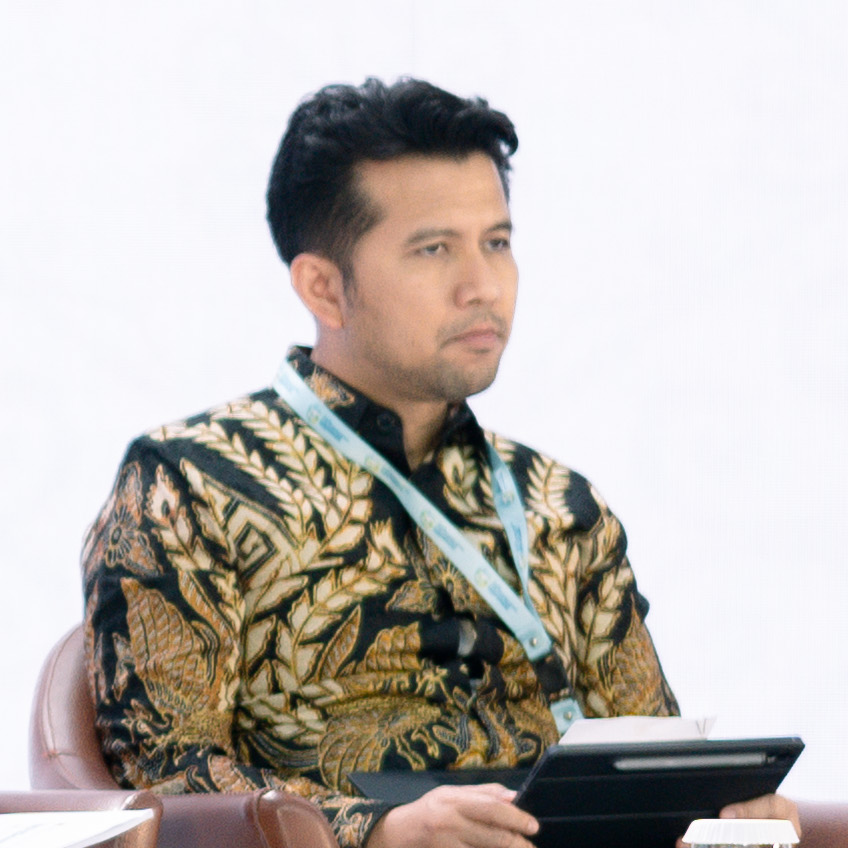
Dr. Emil Elestianto Dardak, Vice Governor of East Java, emphasised the importance of managing tourism growth responsibly to protect natural ecosystems and ensure long-term destination sustainability. planning, smart city approaches, and river revitalisation.
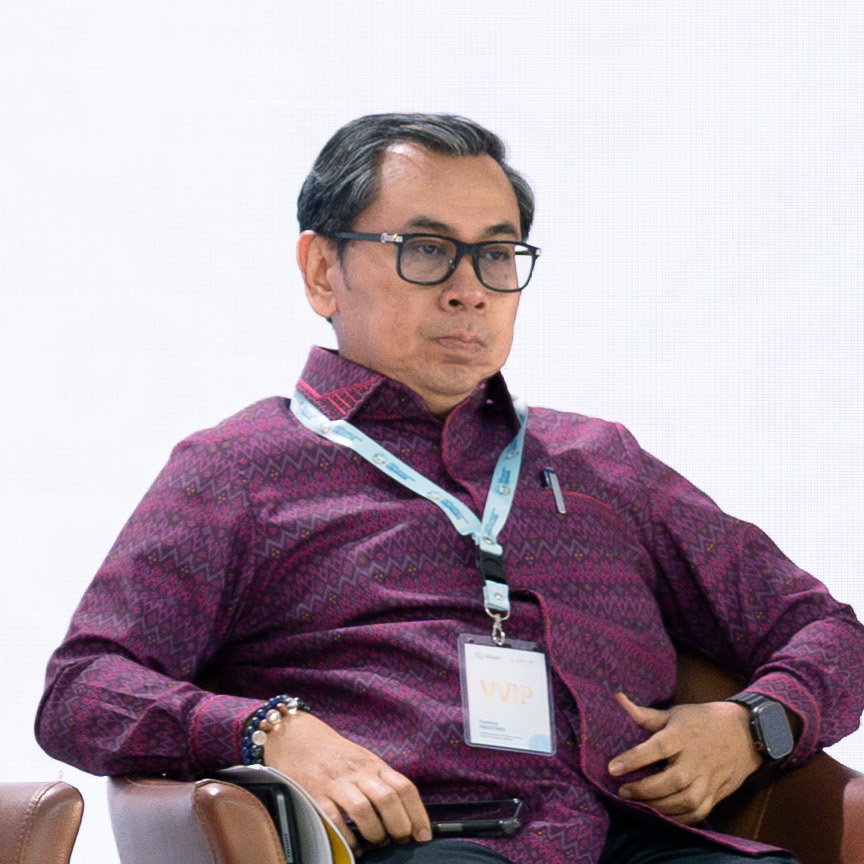
Mr. Yustinus Prastowo, representing the Vice Governor of Jakarta, highlighted Jakarta’s transformation of tourism into a platform for inclusive, competitive, and sustainable urban development.
All speakers agreed on the importance of strengthening regional collaboration and adopting sustainable tourism approaches that not only support economic growth, but also enhance environmental sustainability, social inclusion, and long-term regional resilience.
Sub Forum Session 1: Promoting Local Economic Development through Sustainable Tourism
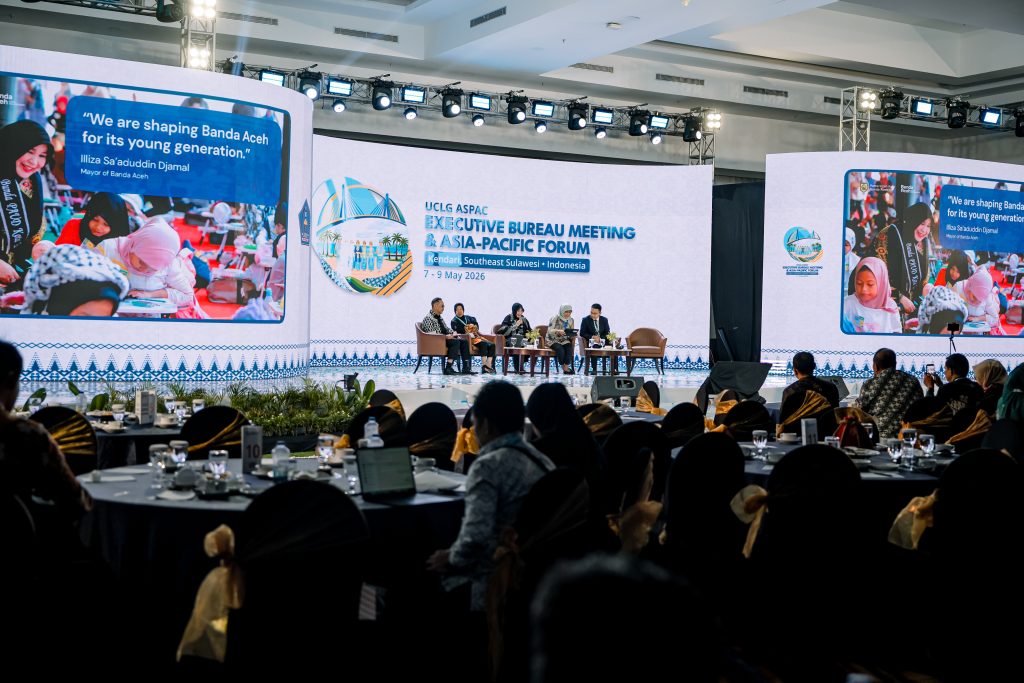
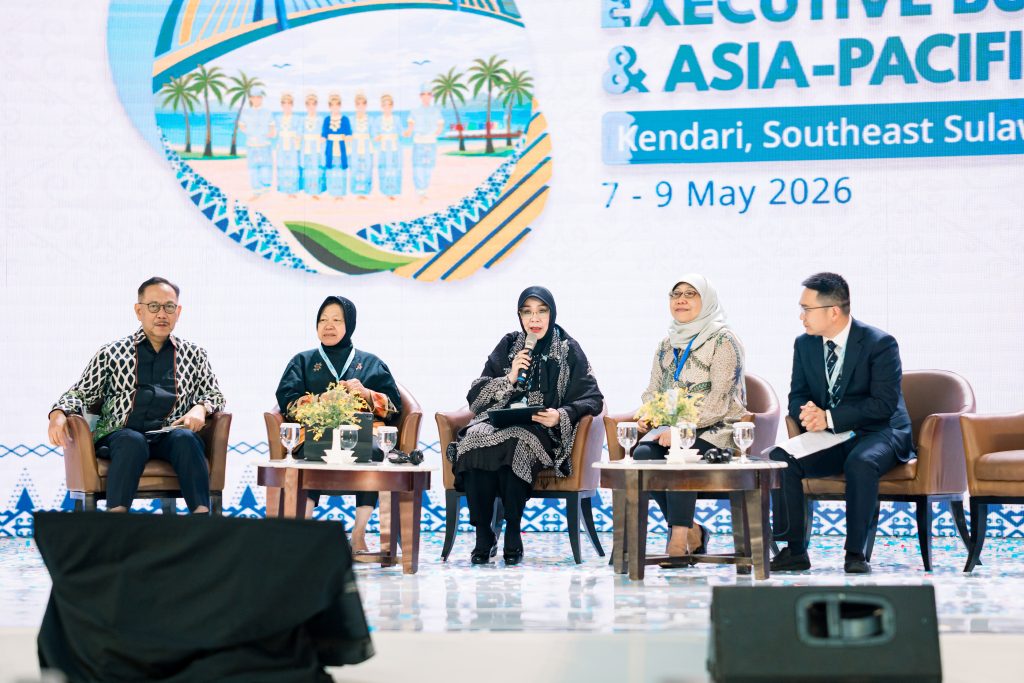
The session explored how tourism can stimulate entrepreneurship, strengthen community-based initiatives, and generate long-term economic benefits through inclusive and sustainable practices.
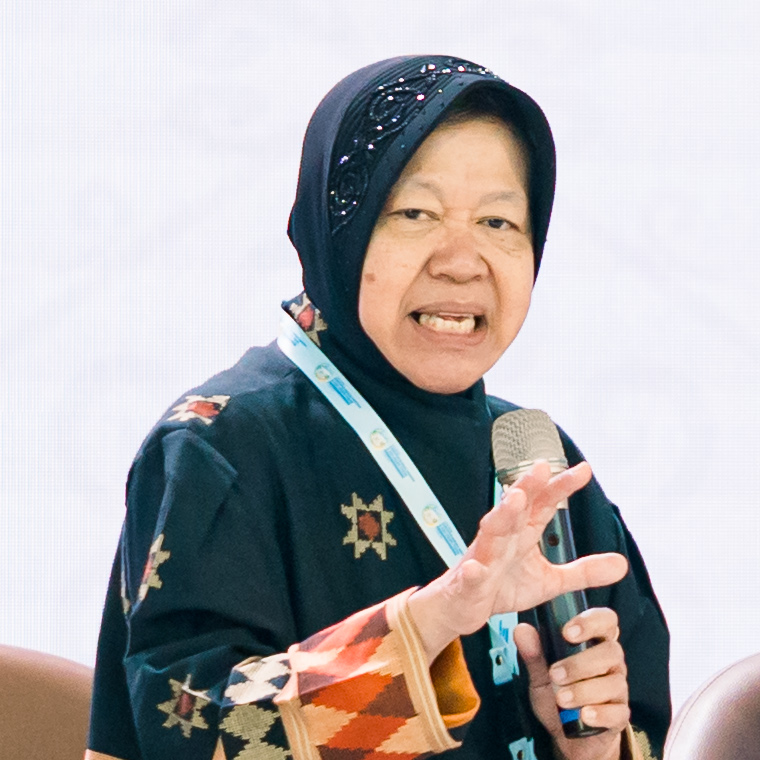
Dr. Tri Rismaharini, Ambassador of UCLG ASPAC and former Minister of Social Affairs of the Republic of Indonesia, highlighted that “Tourism development must place communities at the centre, where local residents become active economic actors, decision-makers, and beneficiaries, not merely spectators.”
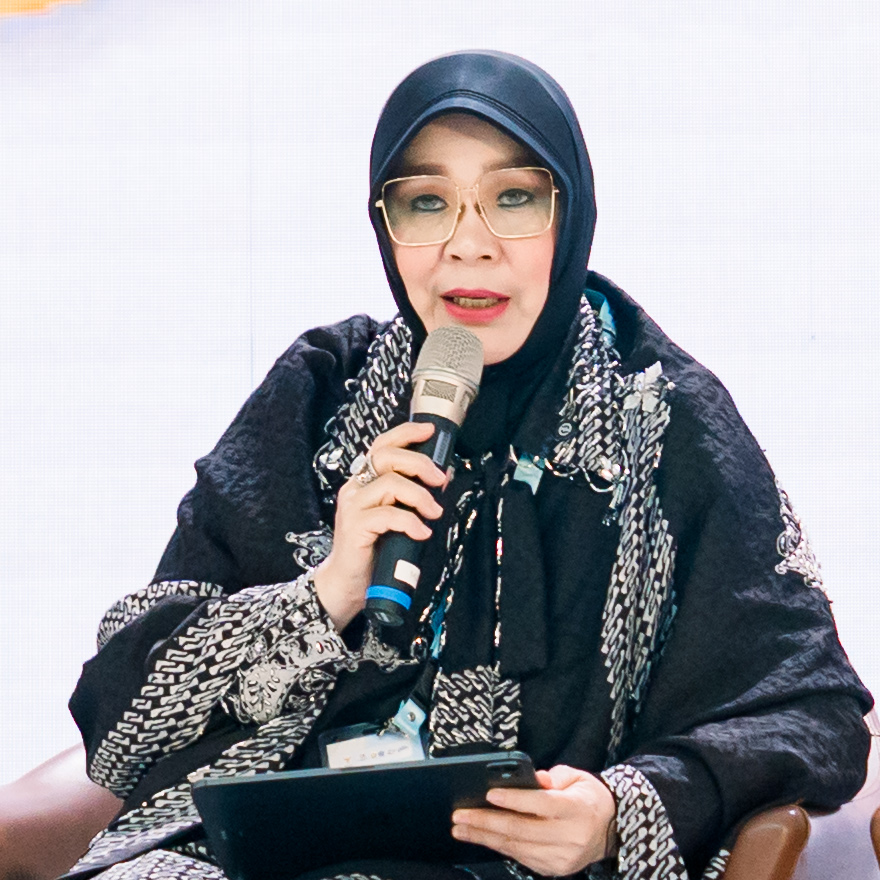
Ms. Illiza Sa’aduddin Djamal, Mayor of Banda Aceh, shared Banda Aceh’s post-tsunami transformation and emphasised the role of collaboration, community participation, and cultural identity in driving inclusive tourism growth and local economic resilience.
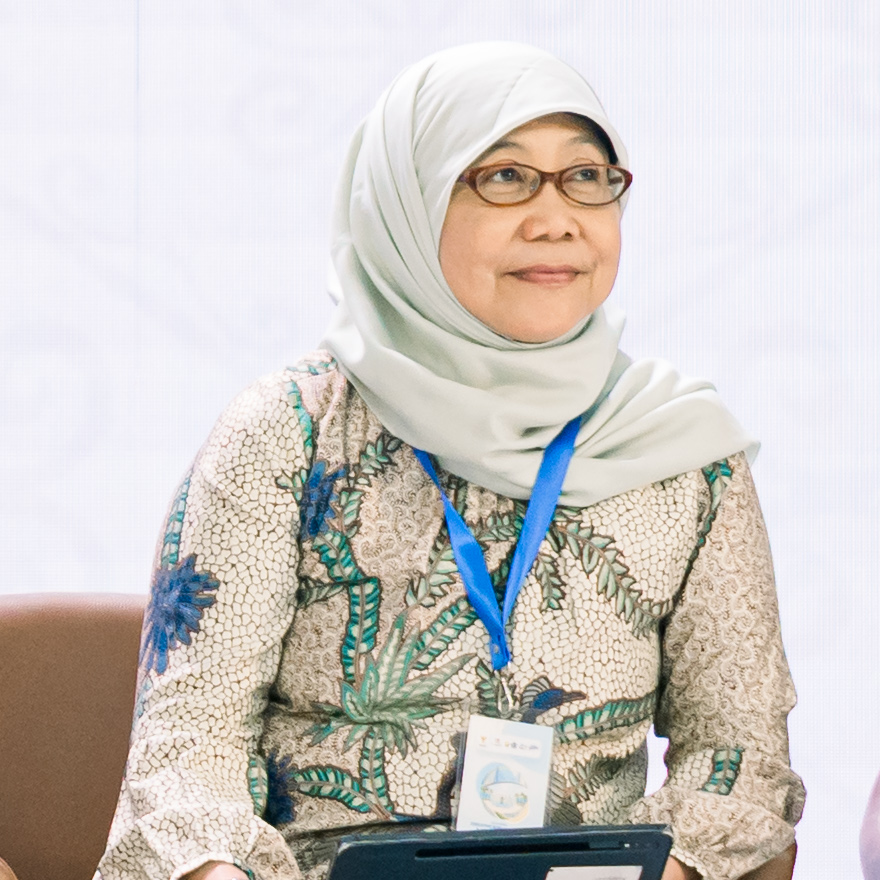
Ms. Suharini Eliawati, Undersecretary for Economic and Finance of Jakarta Capital City Government, highlighted Jakarta’s inclusive tourism strategy, which combines cultural heritage, MSME empowerment, accessibility, and community-based tourism to support sustainable urban development.
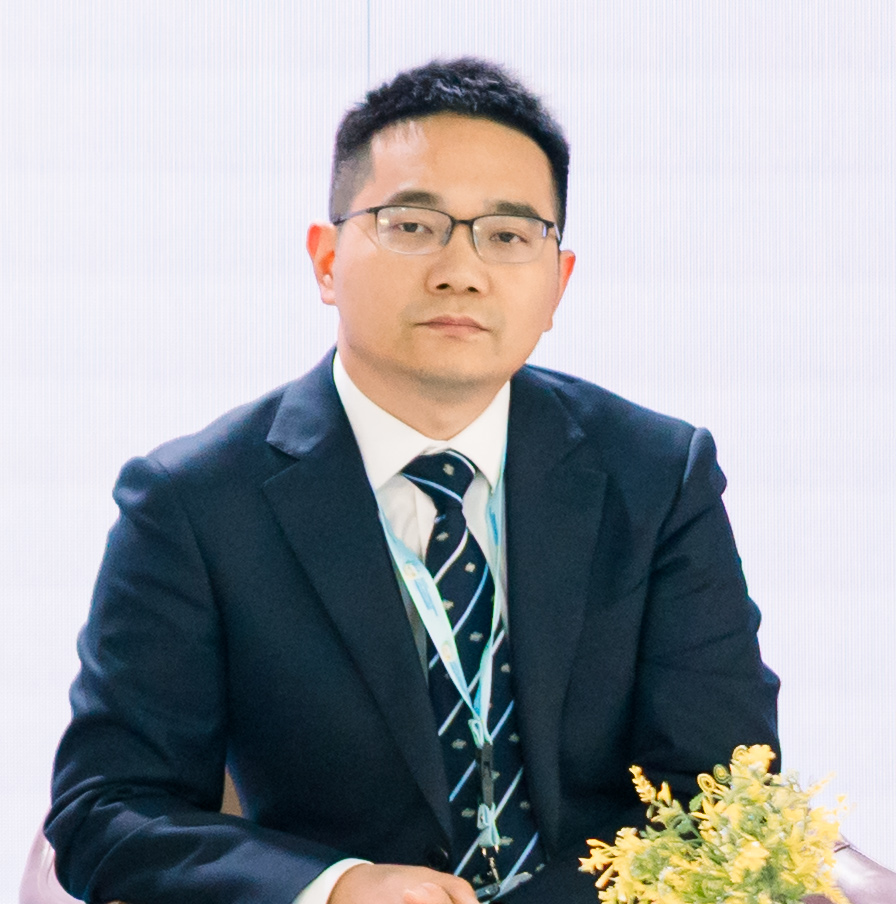
Mr. Wang Liang, Deputy Director of the General Office of Yiwu Municipal People’s Government, highlighted Yiwu’s experience in integrating trade, tourism, gastronomy, and cultural exchange to drive local economic development and international cooperation.
The discussion highlighted the important role of local governments in ensuring tourism-driven economic growth remains inclusive, community-oriented, and environmentally sustainable. Speakers also emphasised the importance of empowering local communities and fostering partnerships among stakeholders to maximise the social and economic benefits of tourism development.
Sub Forum Session 2: Building Climate Resilience through Sustainable Tourism
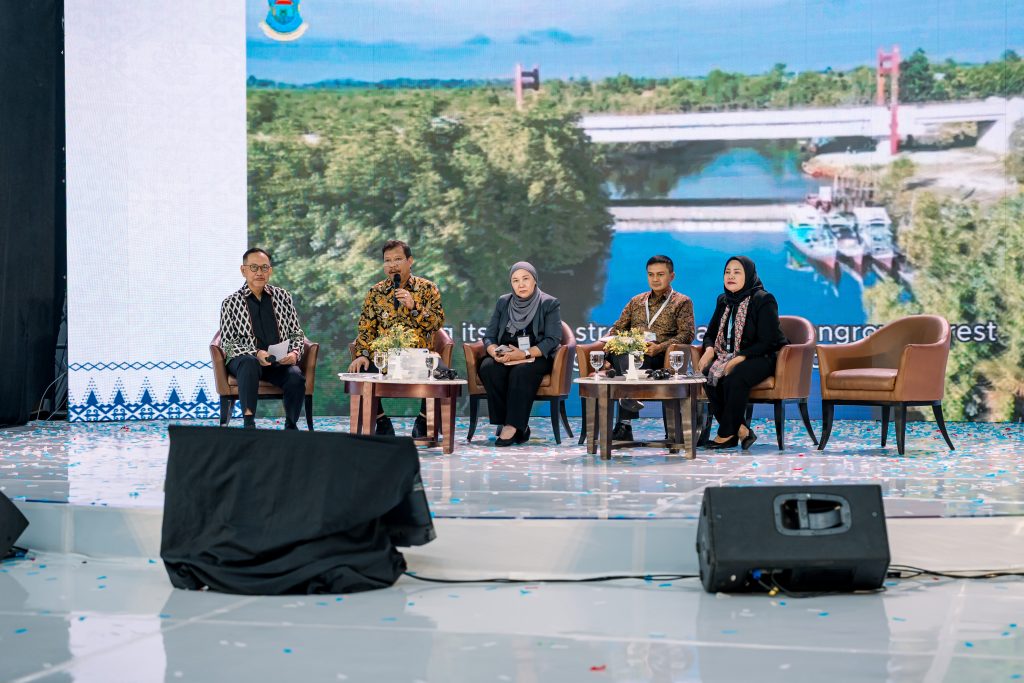
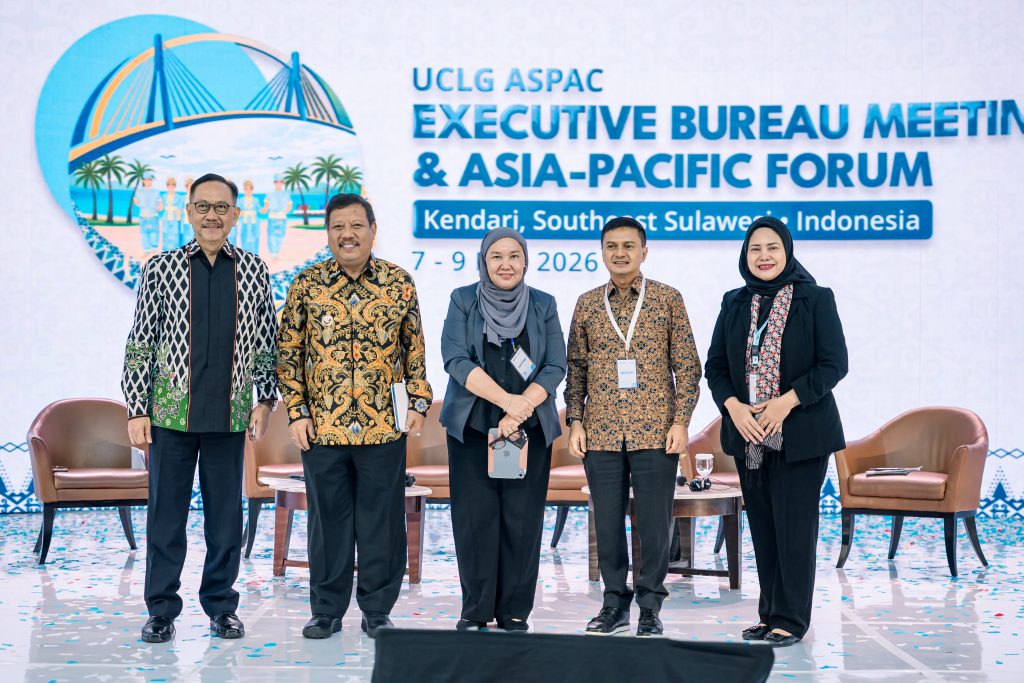
Discussion focussed on strengthening climate resilience through sustainable tourism by exploring strategies to address the impacts of climate change on tourism and local communities.
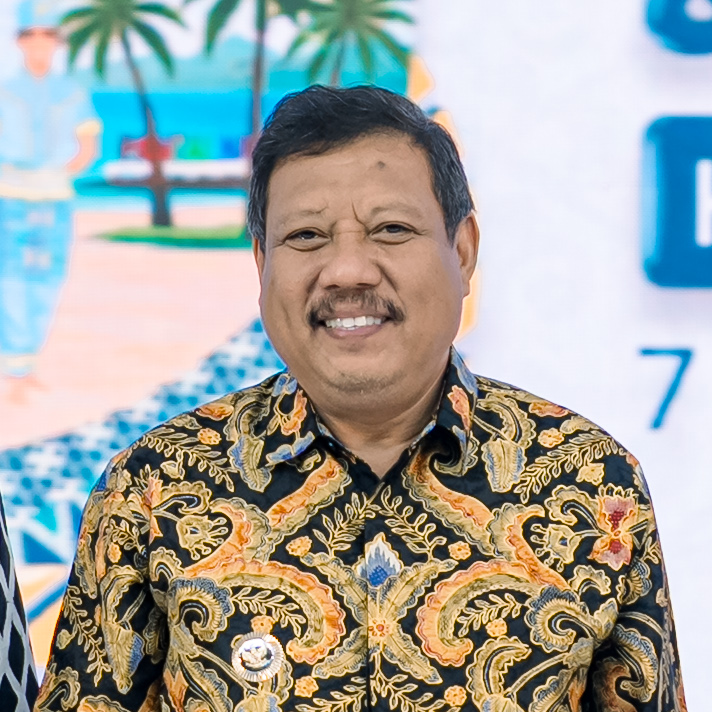
Prof. H. Saparudin, Mayor of Pangkal Pinang, shared how coastal cities can turn climate and environmental challenges into opportunities for sustainable tourism.
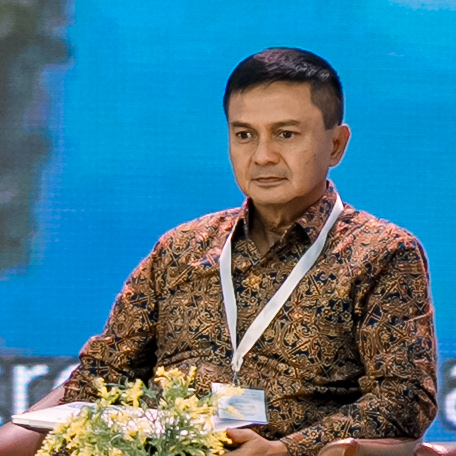
Mr. Didi Ariyadi, representing Padang City Government, highlighted Padang’s commitment to linking tourism development with disaster risk reduction and coastal resilience.
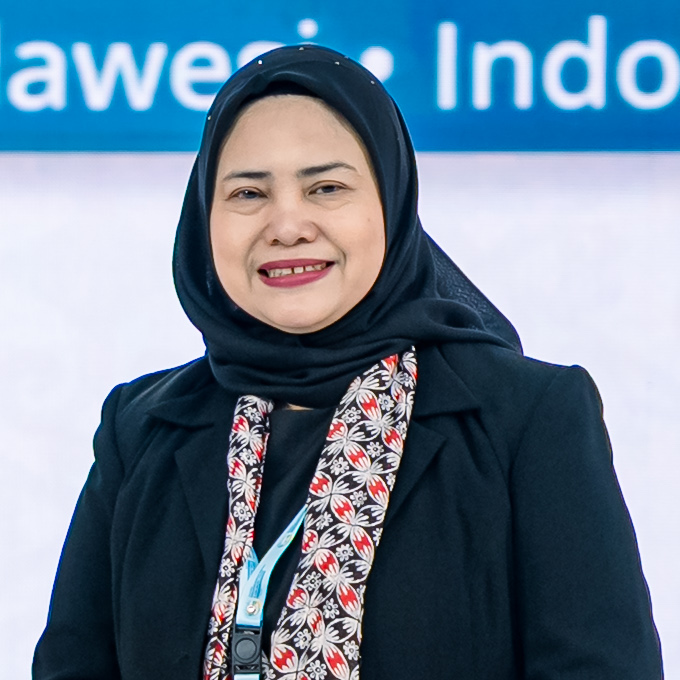
Ms. Shinta Nindyawati, Head of Tourism and Creative Economy of Central Jakarta, shared “Jakarta is strengthening climate resilience in tourism through eco-friendly practices, mangrove conservation, low-emission zones, and sustainable urban infrastructure.”
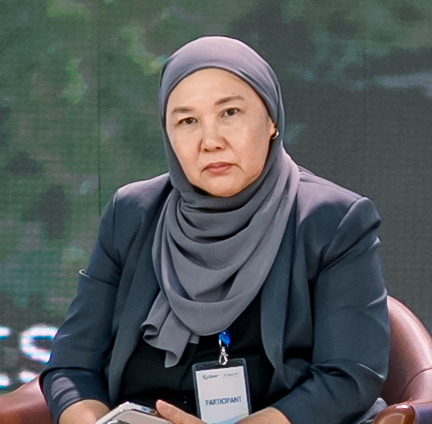
Ms. Norliza Hashim, CEO and Board Director of Urbanice Malaysia, emphasised “Climate-proofing our cities requires integrated policies, resilient infrastructure, strong local governments, and localised SDG implementation.”
The discussion highlighted the importance of climate-responsive tourism policies, resilient urban planning, and collaborative local actions in strengthening environmental sustainability and community resilience across the Asia-Pacific region. Speakers stressed that sustainable tourism should not only contribute to economic growth, but also support climate adaptation efforts, protect local ecosystems, and enhance the resilience of communities facing environmental challenges.
City-to-City Cooperation
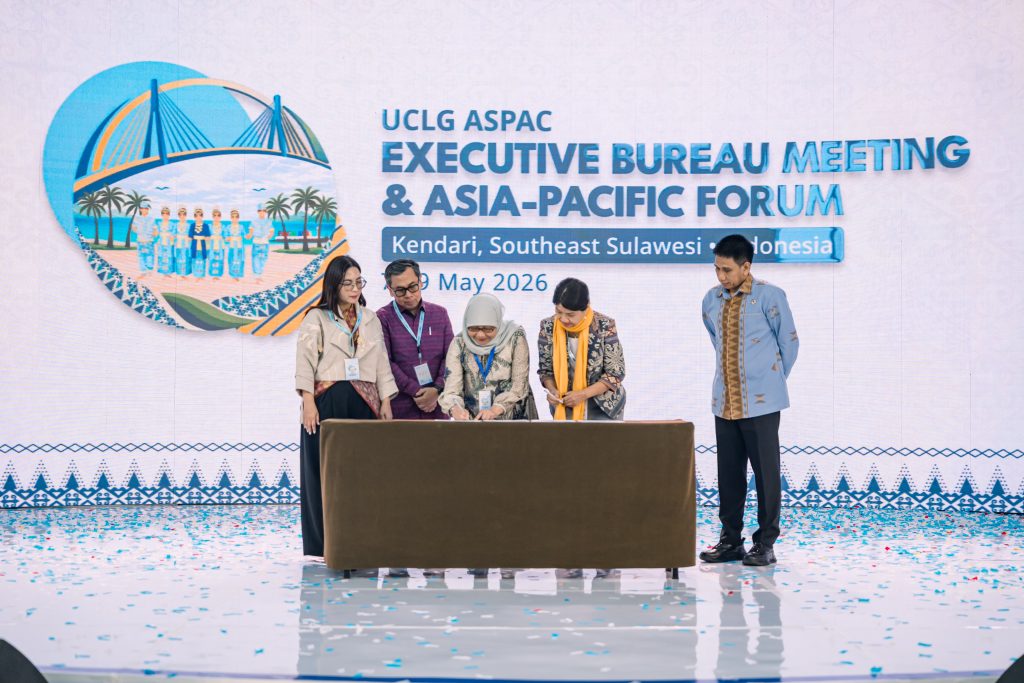
One of the key highlights was the signing of a Letter of Intent for a sister city partnership between Kendari and Yiwu City, Zhejiang Province (China), opening opportunities for cooperation in: trade and investment, tourism promotion, cultural exchange, industry and innovation, and human resource development.
Tree-Planting Diplomacy for a Greener Future
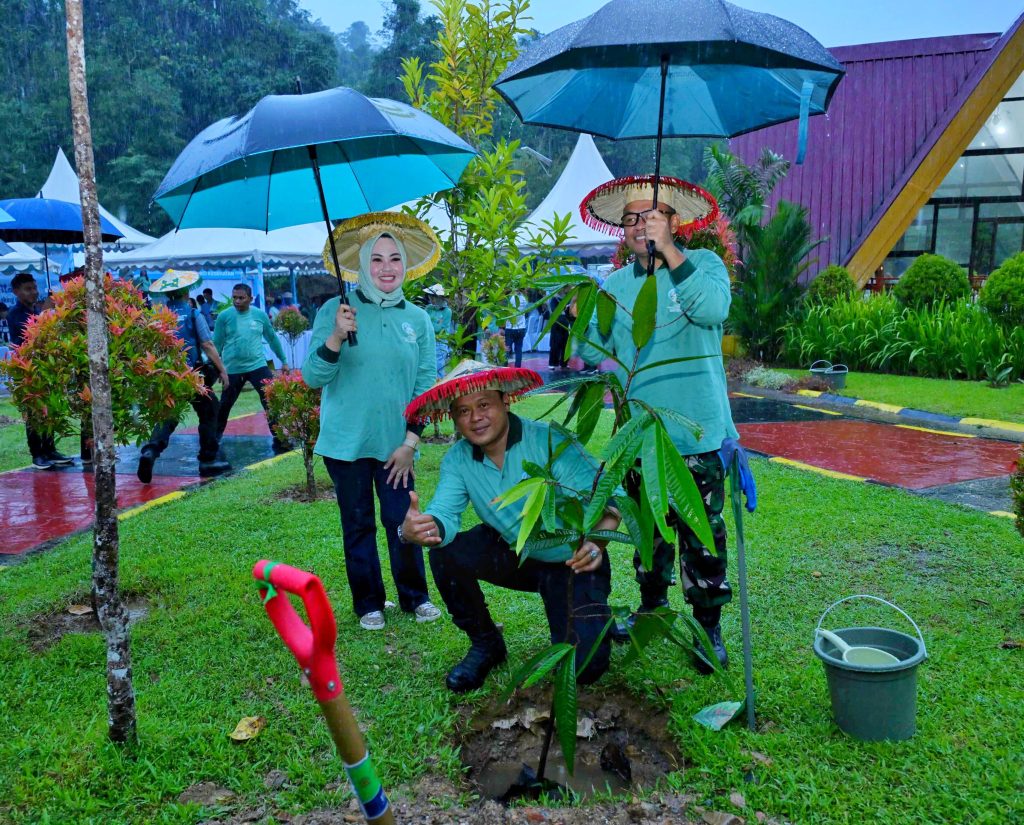
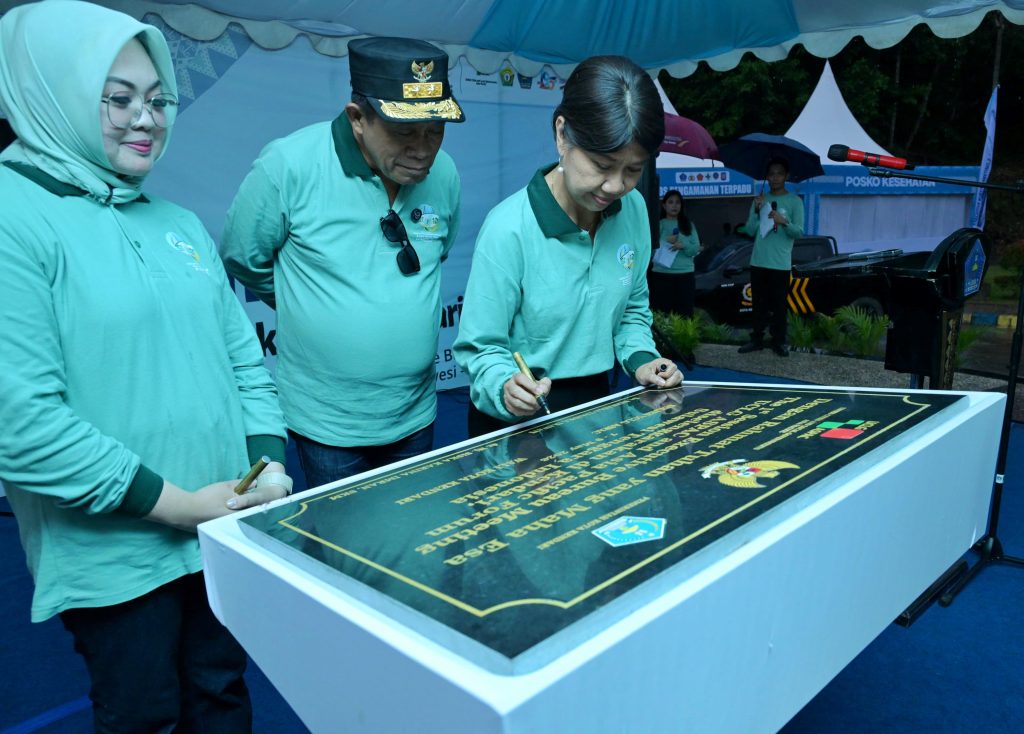
UCLG ASPAC also involved delegates to join a tree-planting activity at the Kendari Botanical Garden, where more than 50 endemic trees from Southeast Sulawesi were planted. “Planting trees is a simple action that carries a strong message—that we care not only about people, but also about the environment and our planet,” said Secretary General Bernadia.
Welcoming New Members to the UCLG ASPAC Network and Preparing for Upcoming UCLG ASPAC Gatherings
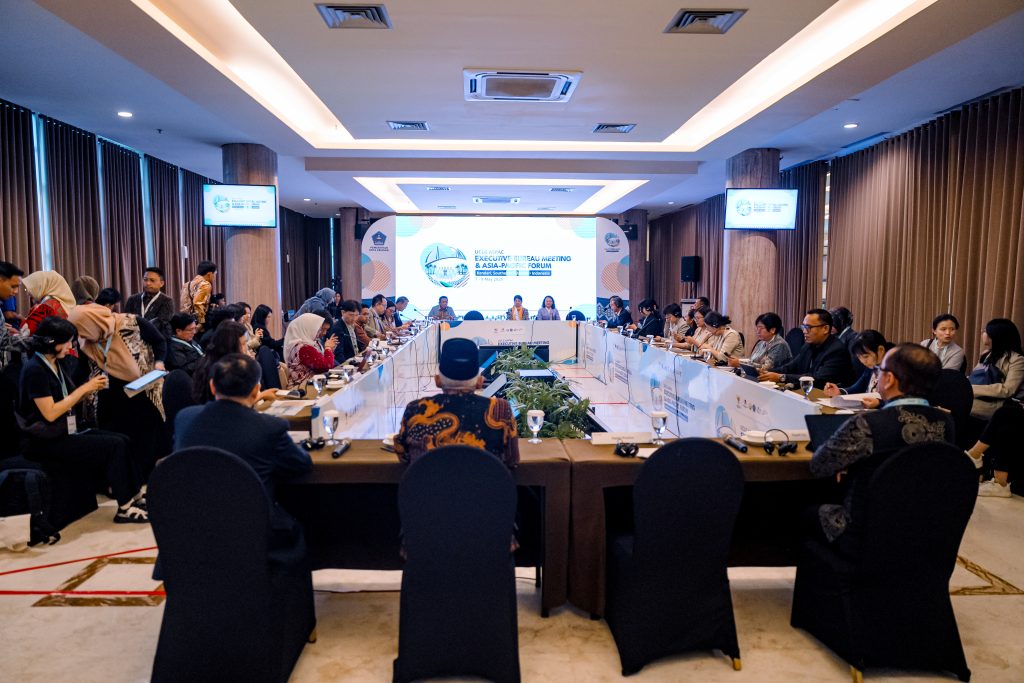
During the Executive Bureau Meeting, UCLG ASPAC welcomed nine new members into its growing regional family: Central Java, Depok, Pontianak, Uijeongbu, Gadhimai Municipality, Kalika Rural Municipality, Likhu Rural Municipality, Neelkantha Municipality, and Siquijor.
The meeting also received an update from the Haikou Municipal People’s Government on preparations for the 2026 UCLG ASPAC Council Meeting, scheduled for 28–30 October 2026. The event is expected to bring together around 400 delegates, including approximately 100 international participants. In addition, the Executive Bureau welcomed a presentation from the Jakarta Capital City Government on preparations for the 11th UCLG ASPAC Congress in 2027. Held in conjunction with Jakarta’s 500th anniversary celebration, the Congress will highlight key themes including Net Zero Emission and Green Urbanism, Inclusive Creative Economy, Circular Economy, Smart Governance, Urban Heritage, and Regional Synergy. The programme will also feature MSME networking opportunities, exhibitions, seminars, and various side events.
UCLG ASPAC considered this First Session of 2026 Executive Bureau Meeting as another strong step forward in building a more connected, resilient, and inclusive future for cities across the region. UCLG ASPAC Secretariat highly appreciated positive contributions of local government of Kendari as the host as well as all distinguished speakers and participants in making this event a great success.
Knowledge Forum: Youth Role in Building Resilient Cities
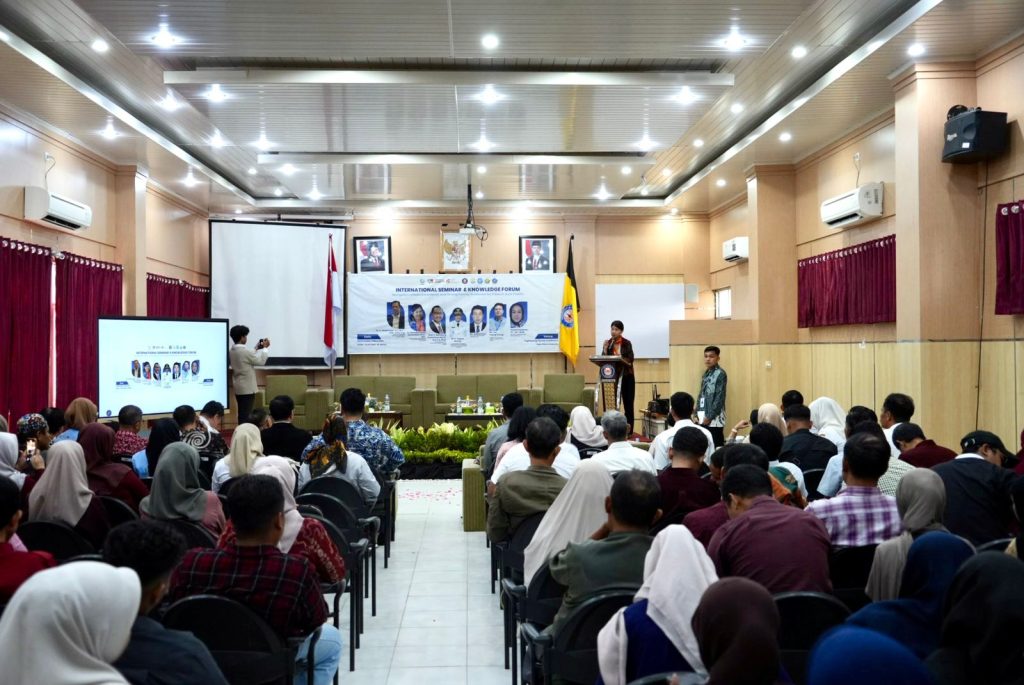
UCLG ASPAC also held the International Seminar and Knowledge Forum titled “Navigating Urban Uncertainty and Strengthening Resilience for Cities in Asia Pacific” at the Faculty of Engineering, Halu Oleo University, Kendari on May 6, 2026. Gathering 100–150 participants from academia, government, practitioners, and students, with speakers from Indonesia, Singapore, and the Republic of Korea sharing insights on urban resilience and sustainable development.
Committee Meetings
In this occasion, the Tourism Committee Meeting led by Xi’an Municipal People’s Government and the 21st Century Maritime Cooperation Committee Meeting led by Fuzhou Municipal People’s Government were also held to strengthen cooperation among UCLG ASPAC members by promoting knowledge exchange, city-to-city collaboration, and shared strategies on sustainable tourism, maritime development, coastal resilience, and inclusive regional growth.