


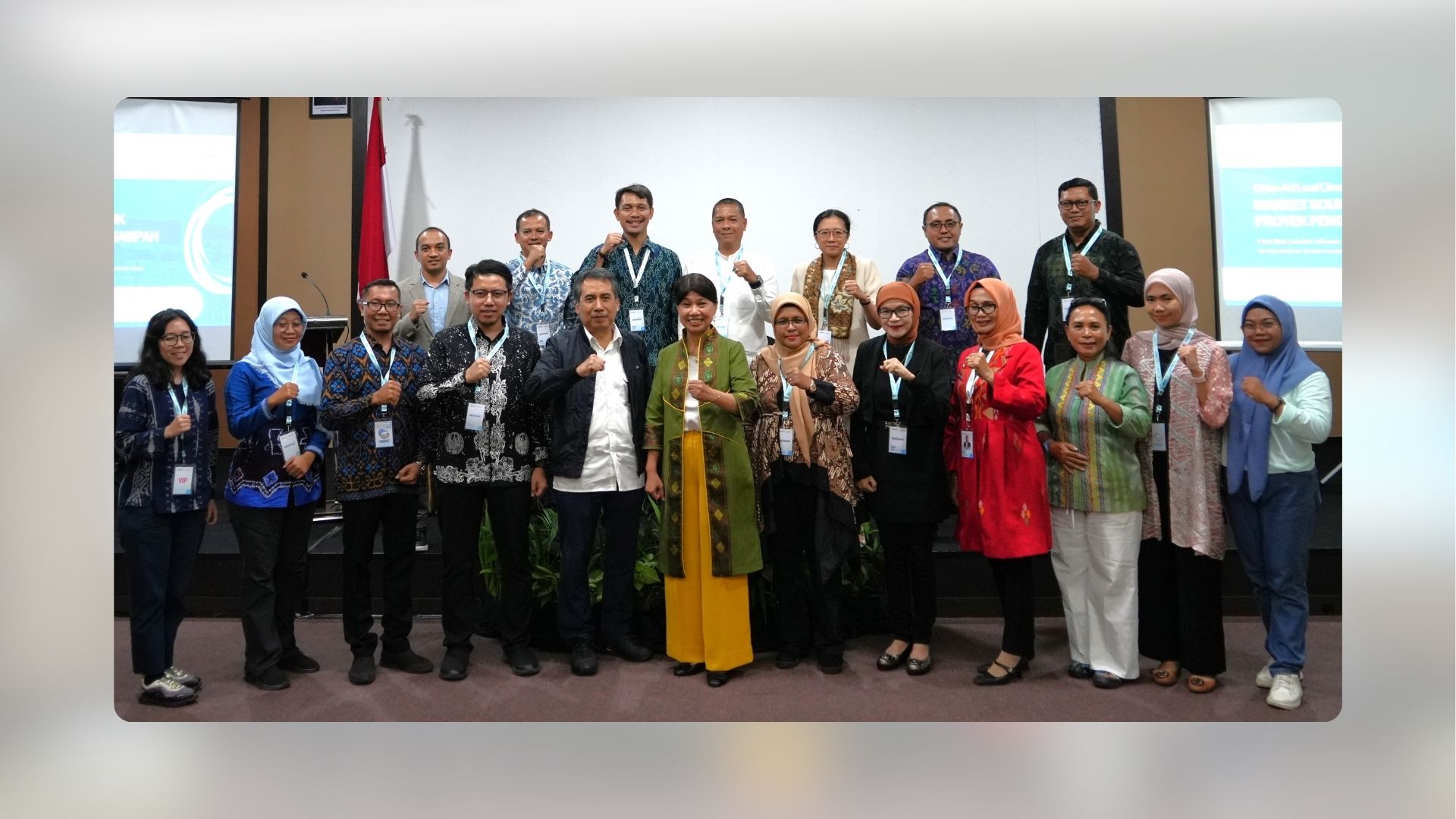
May 7, 2026 | Kendari – UCLG ASPAC, the national coordinator of the Urban-Act Programme in Indonesia, organised a session titled “Local Climate Financing: Market Sounding for Solid Waste Management Projects” to strengthen local governments’ capacity to develop investment-ready solid waste management projects and improve their understanding of climate financing opportunities.
UCLG ASPAC Secretary General Dr. Bernadia Irawati Tjandradewi highlighted waste management as an increasingly urgent urban issue amid rapid urbanisation across the region. She emphasised that local governments need to view waste management not only as a public service responsibility, but also as a sector with potential for investment and long-term financing. Projects need to be designed not only from technical and environmental perspectives, but also with clear financial structures, feasible business models, and sufficient project readiness to attract investment from financial institutions and private sector partners.
Positioning Solid Waste Management Projects for Financing
Ms. Astrid Wiyanti from Indonesia’s Ministry of Finance presented financing instruments for solid waste management projects. She explained various climate financing sources accessible to local governments, as well as practical requirements and financing schemes that cities and districts need to understand to access funding opportunities.
Dr. Elisabeth Rianawati, a solid waste management expert supporting the Urban-Act team at UCLG ASPAC, discussed the positioning of waste management projects at the local level and shared several case studies integrating climate value-added components. She also provided recommendations on project development approaches and financing structures. Examples presented included the Public-Private Partnership (PPP) Build-Operate-Transfer (BOT) model implemented at the Benowo Landfill in Surabaya City, as well as vertical collaboration between national and local governments with support from international donors for the Eco-Friendly Waste Processing and Education Facility (Tempat Pemrosesan Akhir Berbasis Lingkungan dan Edukasi) in Banyumas Regency.
The Urban-Act Project in Indonesia aims to enhance project concepts for urban climate action investments through the Market Sounding Session. This Market Sounding serves as one of the foundational steps in shifting from funding to financing— focusing not just on how projects are funded or receive capital, but on designing projects to be bankable, viable, and attractive to investors.
Advancing Project Readiness through Interactive Discussion
The session included a preliminary pitching session involving the local governments of Padang and Medan (Urban-Act pilot cities in Indonesia), as well as Pangkal Pinang, Kendari, Mataram, and Malang Regency. The session allowed participants to present their waste management project concepts, particularly regarding financing needs and potential financing schemes, in the presence of representatives from PT Sarana Multi Infrastruktur (PT SMI), the National Development Banks Urban Climate Action (NUCA) Programme, and the Ministries of Home Affairs, Environment, and Public Works of the Republic of Indonesia.
Padang City presented its plan to develop Integrated Resource Recovery Centres (IRRCs) in three potential locations to strengthen midstream waste management using black soldier fly (BSF) and composting technologies. Medan City introduced its plan for an Integrated Solid Waste Management Facility (Tempat Pengelolaan Sampah Terpadu – TPST), focusing on organic waste management at Pasar Induk Lau Cih. Kendari City presented its proposal for TPST development at the Puuwatu landfill area, while Malang Regency shared its plan to establish a Material Recovery Facility (MRF) by scaling up its experience implementing an IRRC in Pujon. Mataram City outlined its integrated waste management plan for the Mandalika area, covering traditional markets, bus terminals, and commercial areas. Meanwhile, the Mayor of Pangkal Pinang attended the session in person and presented the city’s circular economy initiative, which includes a digitalisation component.
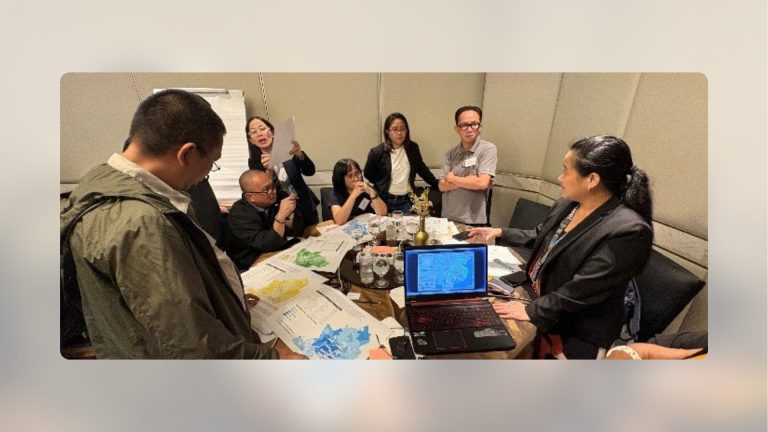
An interactive discussion and question-and-answer session followed, during which local governments received direct feedback on their project concepts and explored opportunities to strengthen project preparation and financing strategies.
One key takeaway from the discussion was that many local governments still tend to rely on grant-based approaches for project implementation. The session also highlighted the importance of strengthening local governments’ capacity and readiness to access broader financing mechanisms, including loans, blended finance, and Public-Private Partnerships (PPP). Improving project bankability, financial planning, and institutional readiness will be essential for local governments seeking to scale up sustainable waste management solutions in the future.
UCLG ASPAC highly appreciated the enthusiasm shown by participating local governments in advancing their waste management initiatives, as well as the constructive inputs provided by financing institutions, national government ministries, and development partners. The event enhanced local governments’ understanding of investor expectations and financing requirements, while also providing practical feedback to strengthen project preparation.
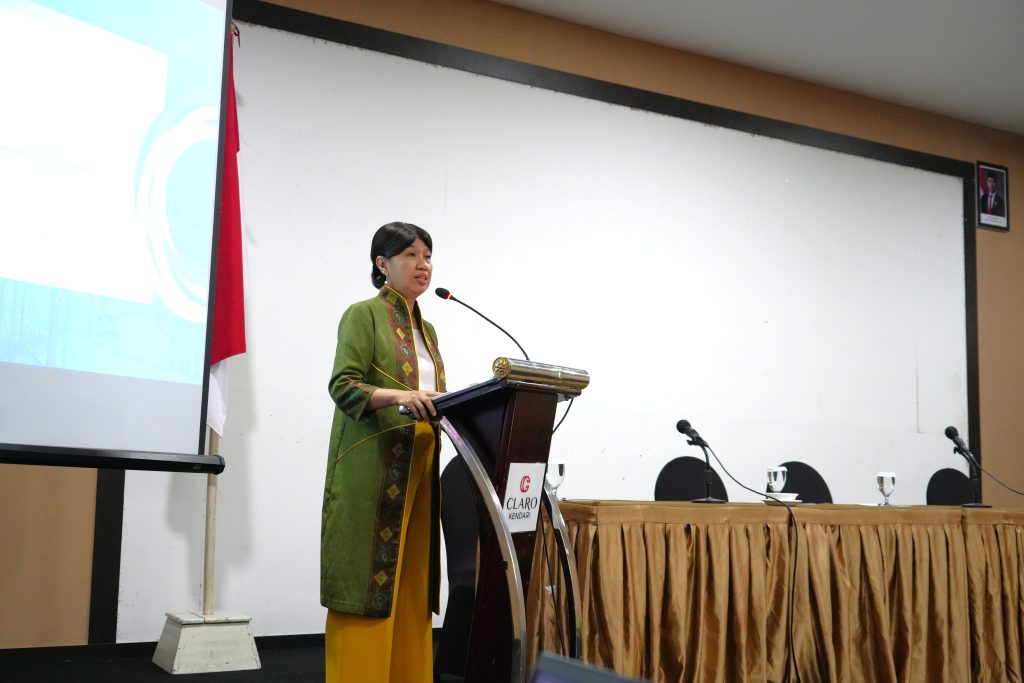
Opening Speech by UCLG ASPAC Secretary General
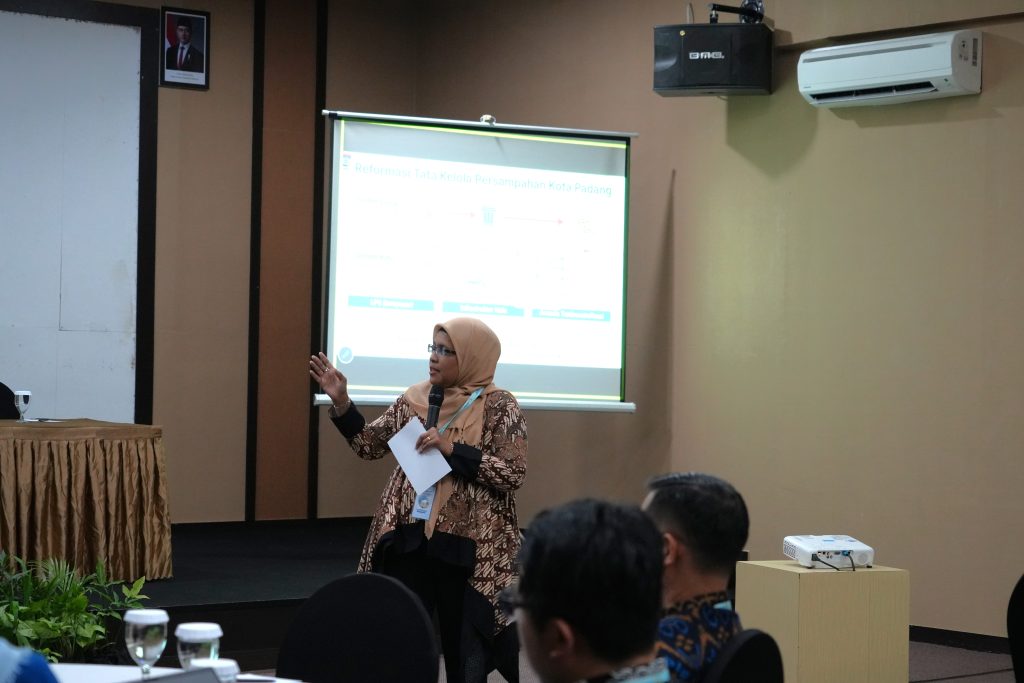
Project Concept Presentation by Padang City
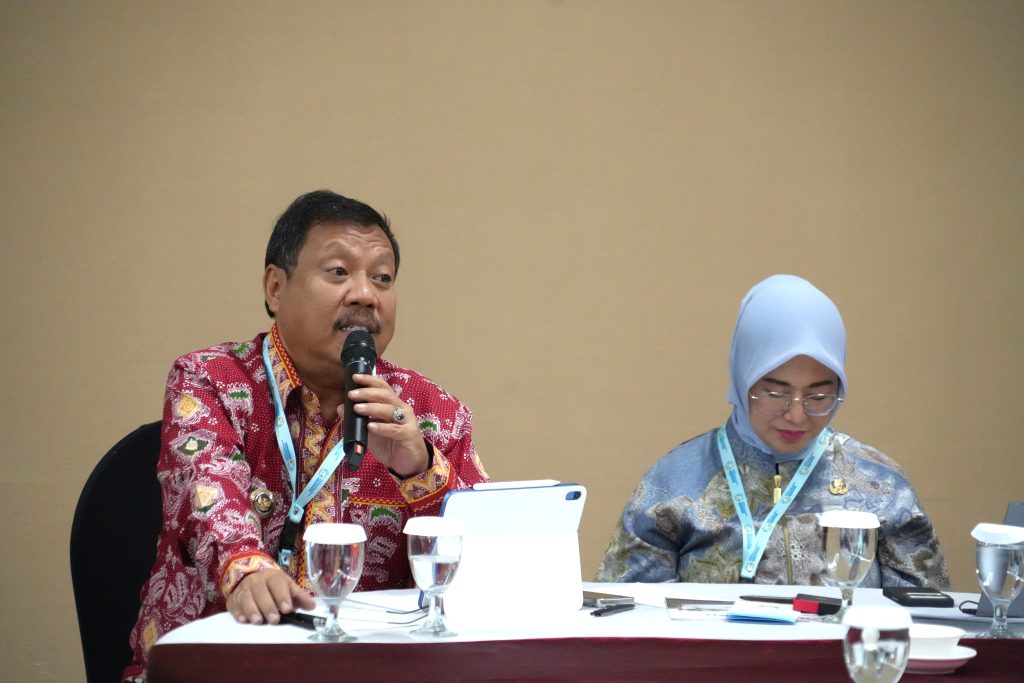
Pangkal Pinang City Mayor Responding to Feedback
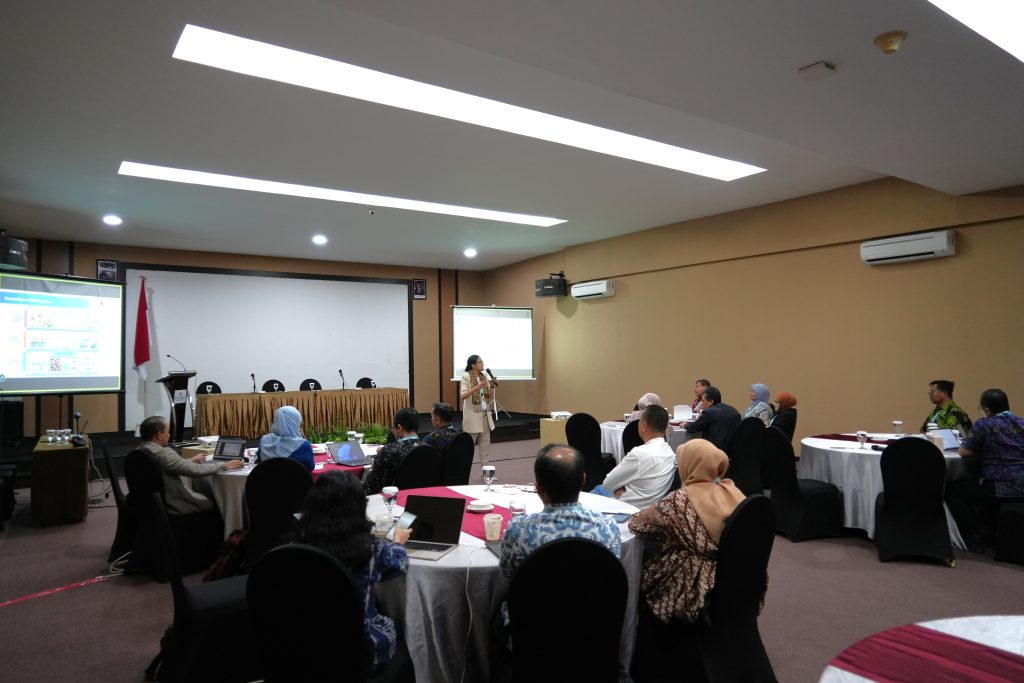
Setting the Context Presentation by SWM Expert
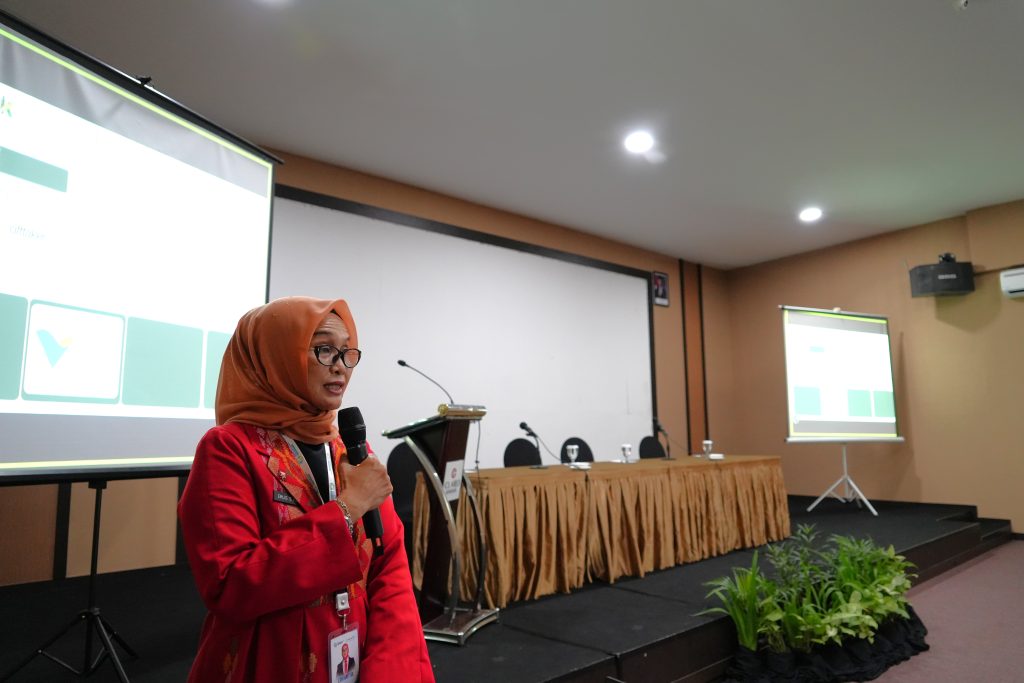
Project Concept Presentation by Kendari City
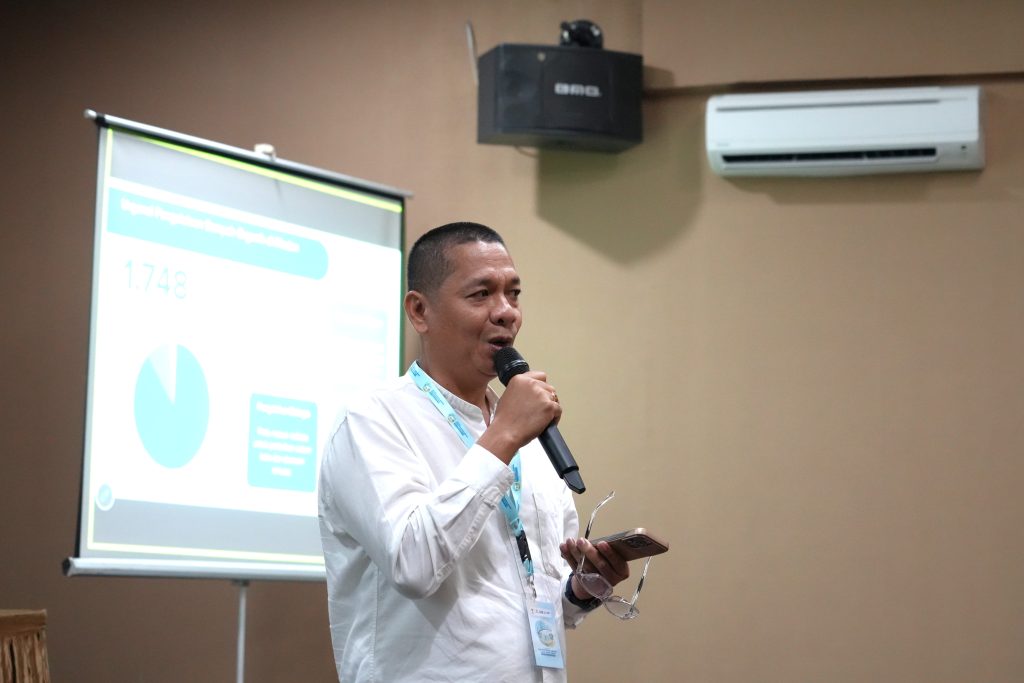
Project Concept Presentation by Medan City
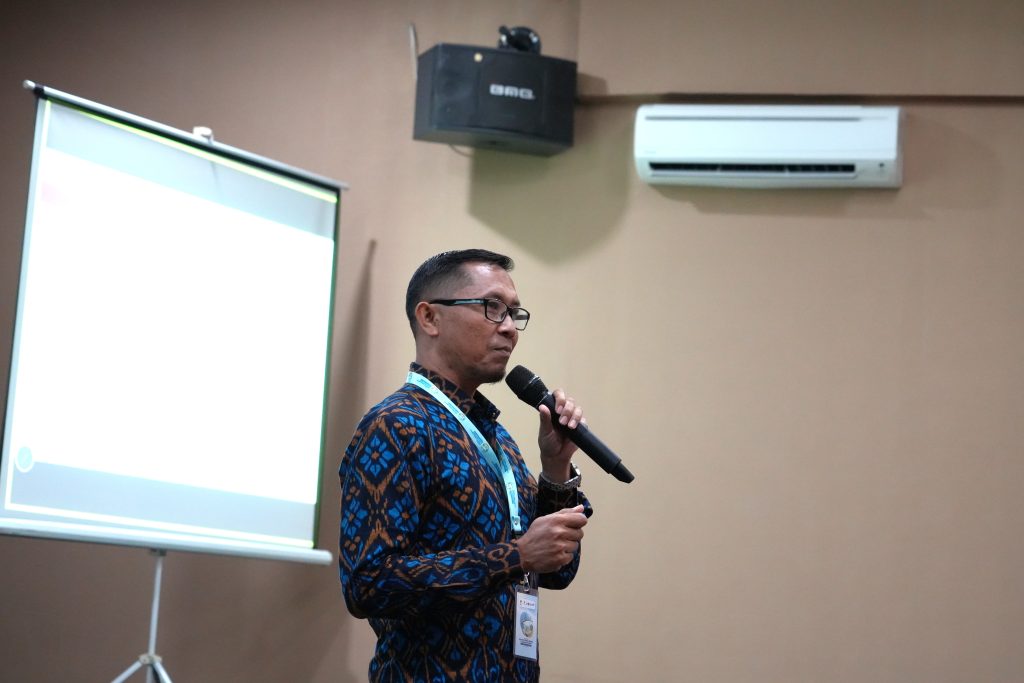
Project Concept Presentation from Mataram City
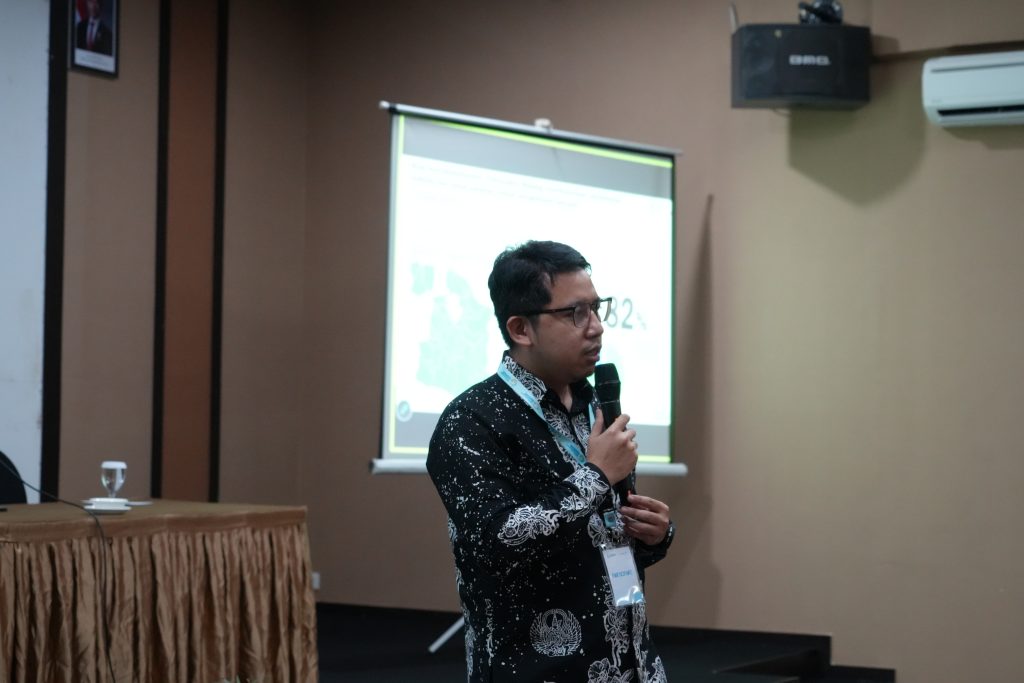
Project Concept Presentation by Malang Regency
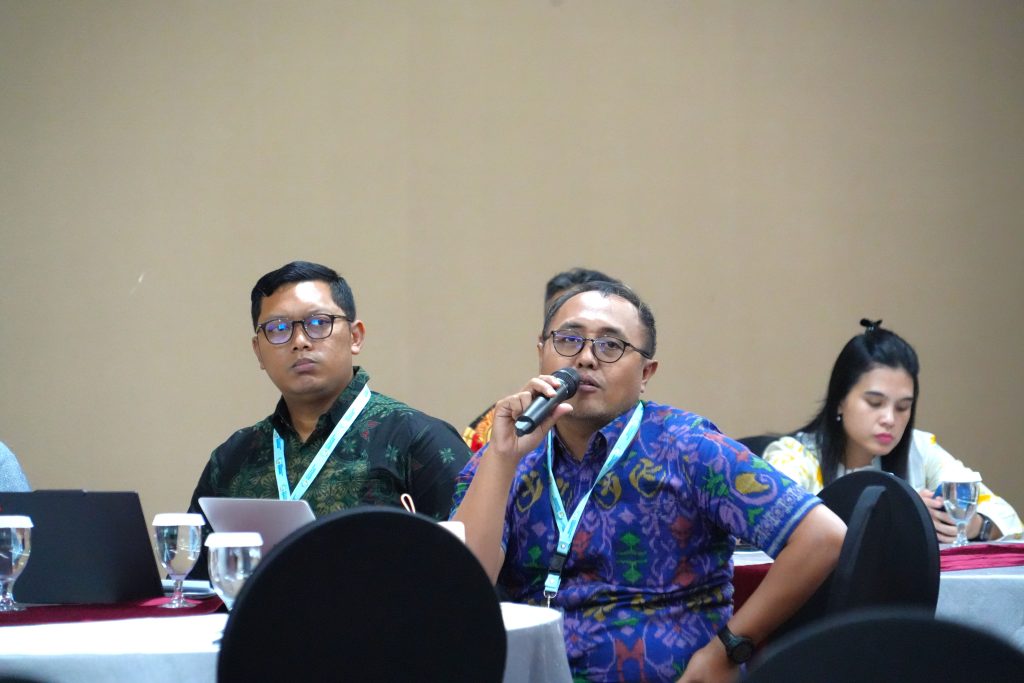
Feedback from PT SMI
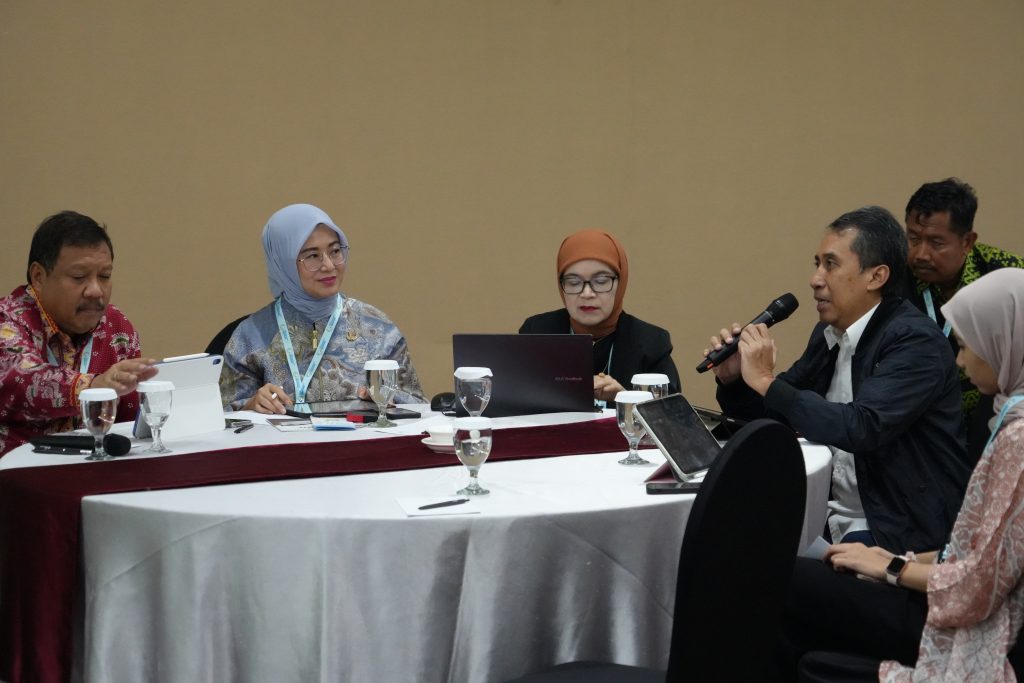
Feedback from National Government Ministries