



As the world navigates the challenge of an ageing population, New Taipei City has turned the challenge into an opportunity, gaining international recognition for its innovative long-term care model. The number of elderly people in New Taipei has exceeded 816,000, accounting for 20.20% of the city’s total population. To safeguard the quality of life for those in their later years, the city government has long been promoting diverse and novel long-term care services, striving to create age-friendly communities. Currently, the Social Welfare Department has helped establish 640 community care and outreach centres, 469 community development associations, and numerous senior clubs throughout the city, forming a comprehensive local support network.
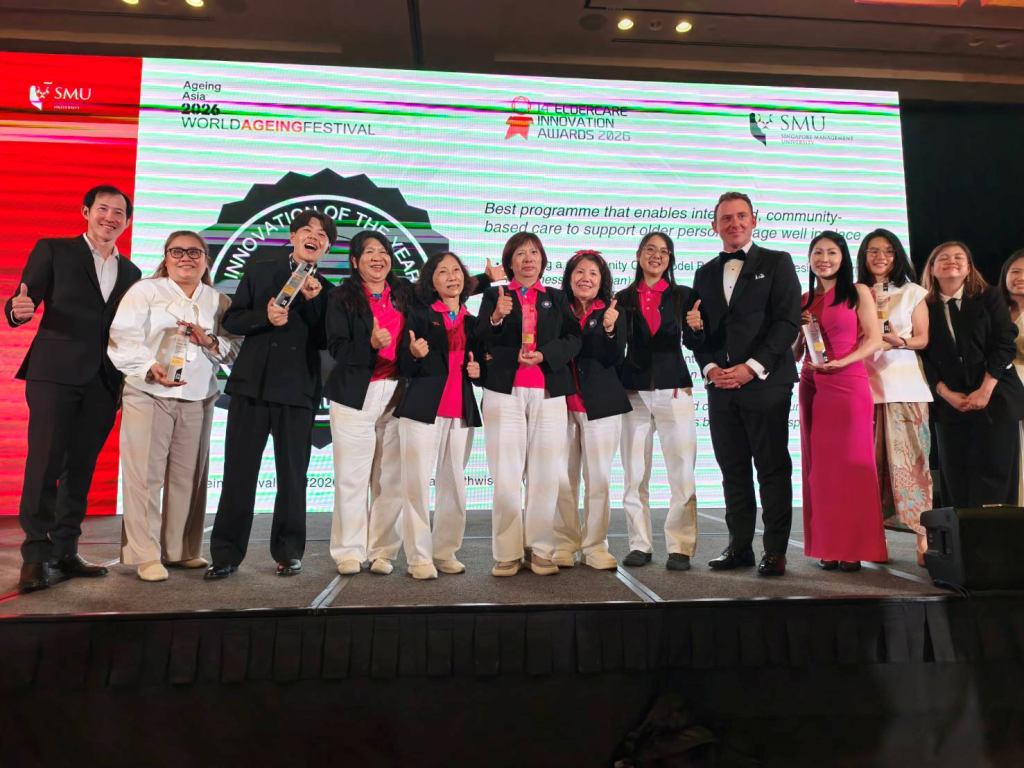
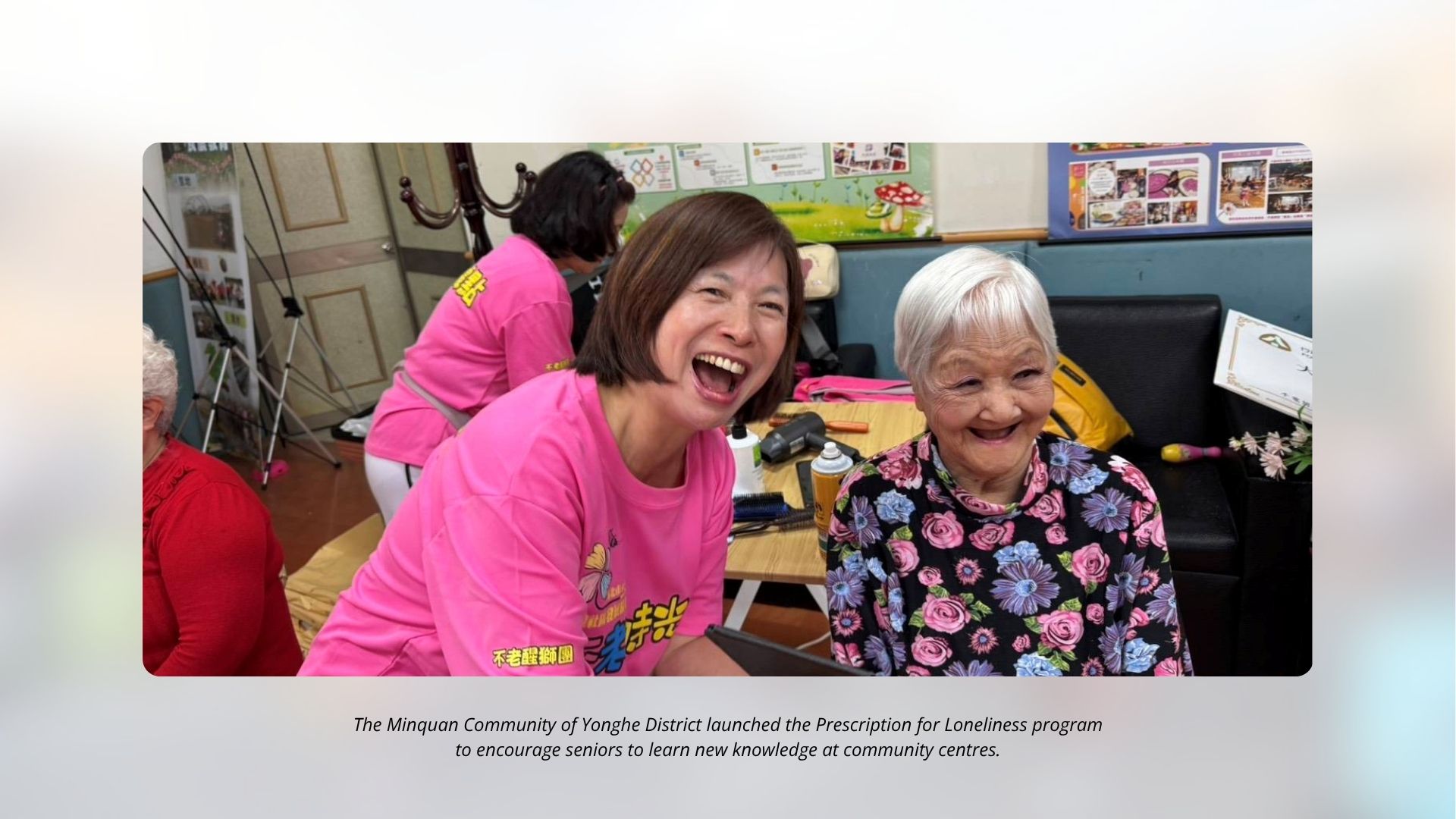
Among them, the “Intergenerational Co-living Community and Senior Empowerment Model” implemented by the Minquan Community Development Association of Yonghe District won Community of the Year at the 14th “Asia Pacific Eldercare Innovation Awards” held in Singapore this year. The model pioneered the “Grands & Cubs Paradise Centre,” which empowered 57 seniors to become qualified caregivers, effectively alleviating the pressure of urban caretaking. Furthermore, the “Prescriptions for Loneliness Programme” encourages active seniors to intently care for high-risk neighbours, resulting in a 10% decrease in the overall loneliness index in the community. Meanwhile, through a collaborative bakery social enterprise managed by senior citizens and residents with mental disabilities, 67% of the participants achieved financial self-sufficiency—an outstanding achievement for community inclusion.
Hosted by Ageing Asia, the “Asia Pacific Eldercare Innovation Awards” are hailed as “the Oscars of the ageing sector.” This accolade not only highlights New Taipei’s achievements in long-term care policy but also reflects the city government’s guiding principle of “thriving together,” which empowers the elderly to move from being “care receivers” to “care givers.” Apart from reducing the burden on the long-term care system, these efforts also effectively alleviate the pressure on family care, while enhancing the dignity and self-worth of seniors.
In addition, New Taipei City’s Health Department actively implements the “Silver New Future City Project” in Sanchong District, creating an all-inclusive park that combines the three major functions of “medical care, elderly care, and sports centres.” It integrates age-friendly housing, day care centres, long-term care institutions, medical facilities, sports spaces, childcare centres, and commercial services to comprehensively improve the quality of life for the elderly and drive the development of surrounding areas.
For seniors with mobility impairments and dementia, the city government has long implemented a variety of revitalisation and support programmes. Through exercise and leisure activities, these programmes promote physical and mental health. By incorporating international exchange experiences, the city government continues to improve dementia-friendly policies and complete the care and support system, in order to strengthen the city’s overall resilience and safeguard the health and safety of seniors.
New Taipei City remains committed to fostering a livable and inclusive urban environment and continuously enhancing the quality of public services to ensure that residents feel the warmth of its policies. In the future, the city will also deepen international exchanges and cooperation, taking concrete actions to implement humanistic care and sustainable governance. The city’s goal remains to build a wonderland where seniors can live with dignity, adults can fulfil their potential, and the youth can grow and thrive.
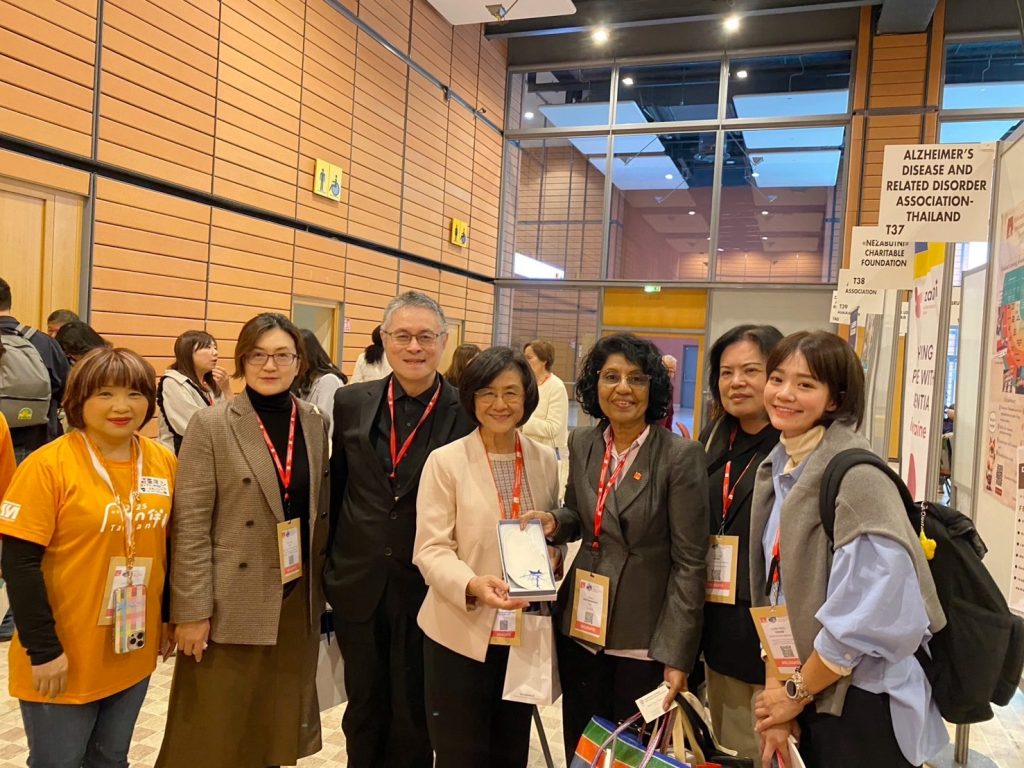
A delegation from the New Taipei City Government participates in the Alzheimer’s Disease International (ADI) Global Conference and exchanges views with ADI Chair, Meera Pattabiraman.
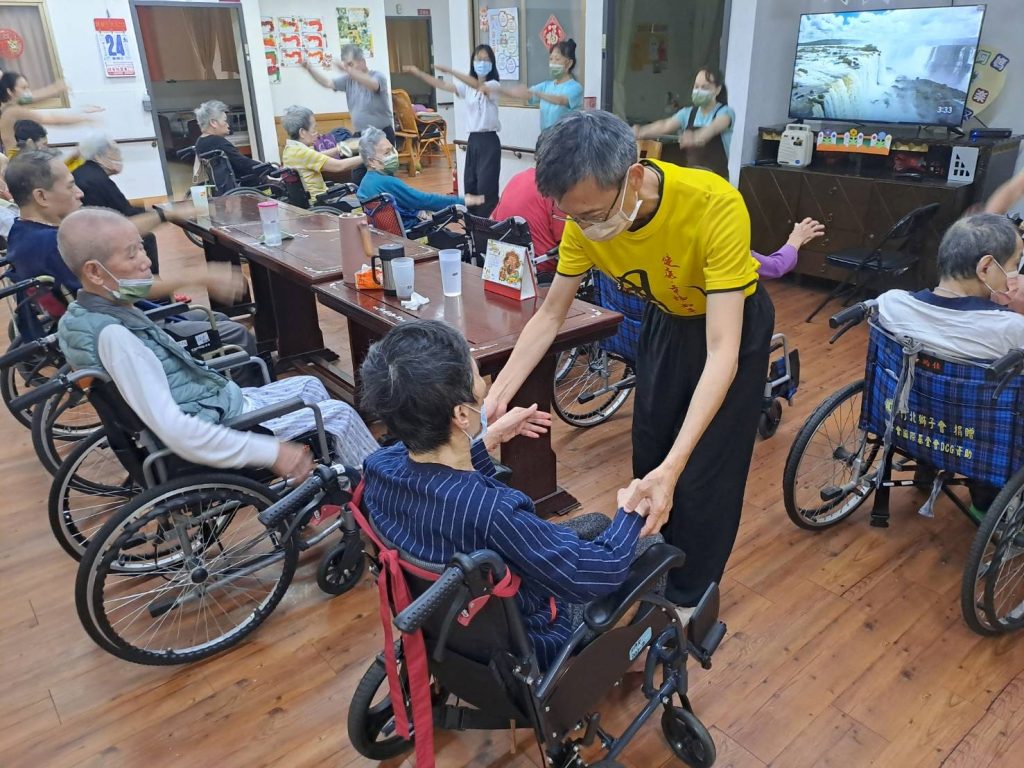
Seniors in long-term care facilities practice Meimen Pingshuai Qigong exercises.