


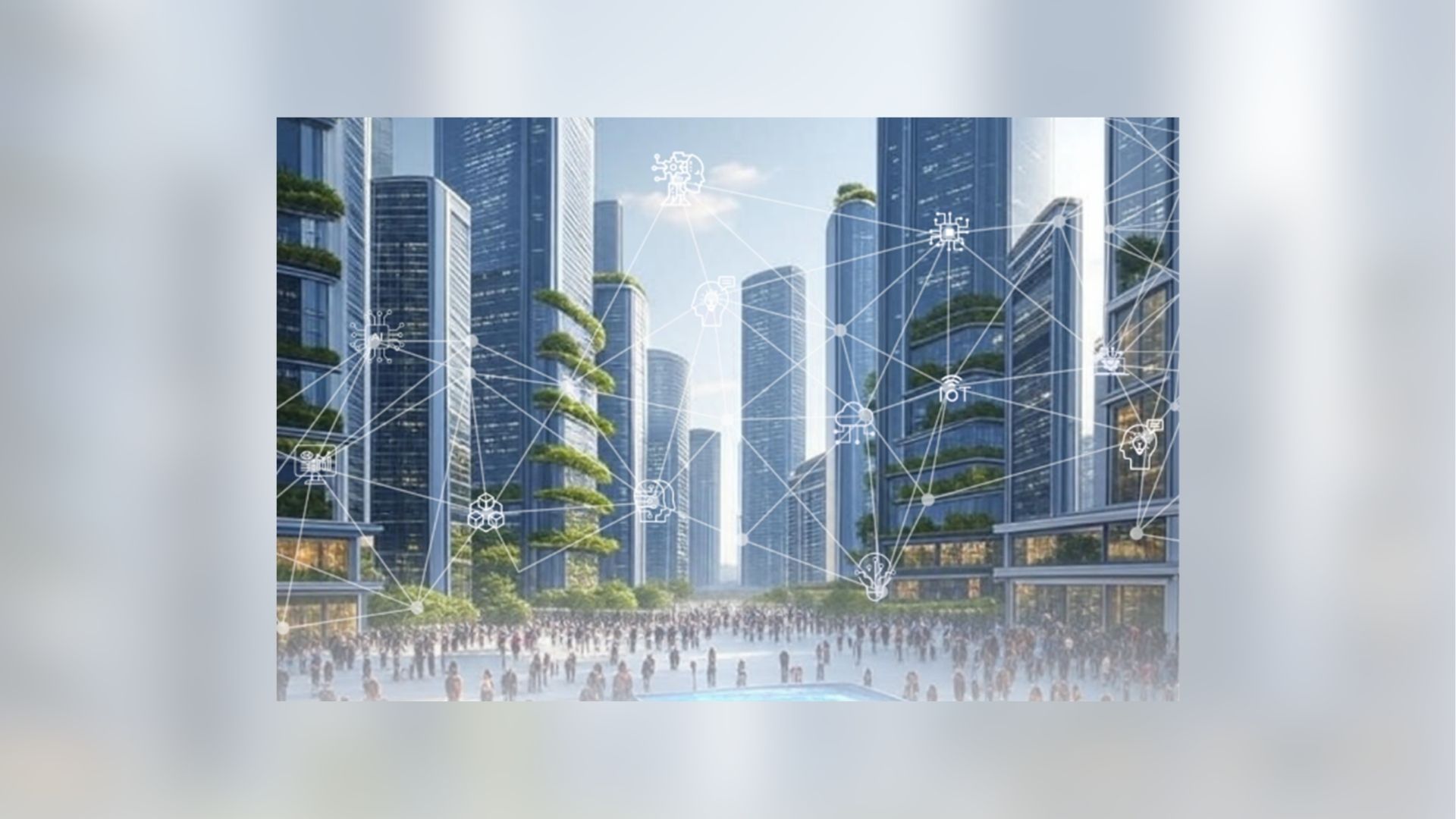
In September 2025, the Guangzhou Institute for Urban Innovation and the Metaverse Institute jointly released the Use Cases of People-Centered “Citiverse” Report. The report brings together digital innovations from 12 cities in areas such as spatial governance, public services, and civic engagement. It underscores a core principle echoed throughout the broader Citiverse discourse: technology must serve real human needs. By improving transparency, enhancing service accessibility, and narrowing digital divides, cities can ensure that digital transformation genuinely benefits residents.
In this context, the “Citiverse” described in the report is not an abstract or distant concept. Rather, it refers to practical tools such as 3D visualisation, digital twins, and data-sharing platforms that make urban systems more visible and more understandable. Buenos Aires’ “Ciudad 3D” initiative is a strong example. By placing information on urban planning, land use, and permitting processes into a 3D digital environment, the city has made these procedures more transparent and easier for both residents and professionals to navigate—advancing openness and efficiency in urban governance.
This edition of the column takes “Ciudad 3D” as a starting point to explore how digital tools are helping this South American metropolis streamline planning processes and better respond to citizens’ needs.
Buenos Aires, Argentina: Ciudad 3D——A Tool for Urban Development
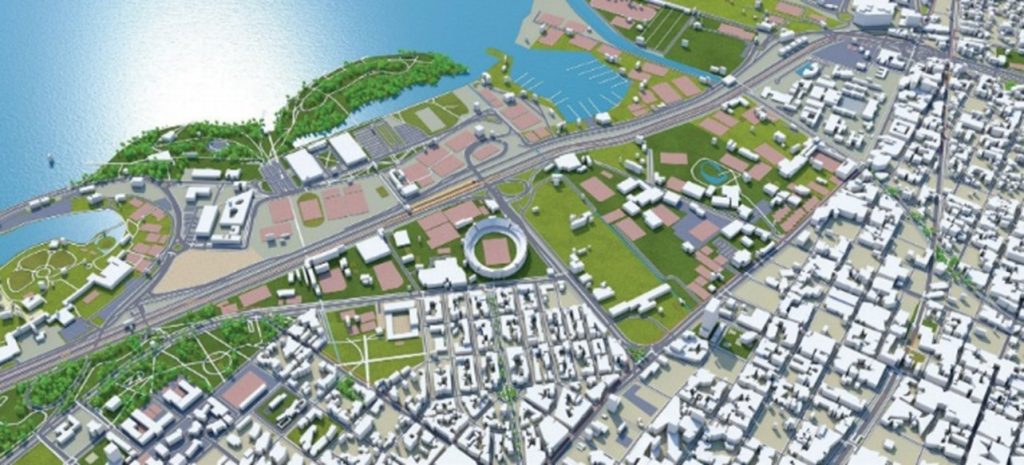
Buenos Aires, the vibrant capital of Argentina, is located on the southeastern coast of South America. With over 3 million residents, it is the largest city in the country and serves as its economic, cultural, and political hub. The city covers an area of 200 square kilometres and faces various urban development challenges, including the need for streamlined processes and improved transparency.
In 2021, Buenos Aires launched the Ciudad 3D initiative, aimed at transforming urban development within the city. Ciudad 3D is a digital platform that provides three-dimensional representations of urban development across various neighbourhoods. Its primary goal is to offer comprehensive information about building plans, construction procedures, land use, and tax calculations, while simplifying the application of the Urban Code—a set of regulations governing urban planning and development in Buenos Aires.
This initiative is groundbreaking as it introduces innovative technologies into urban development, representing a novel approach in Argentina. It signifies a paradigm shift in the use of digital tools for urban planning and emphasises transparency and citizen accessibility to information. The city employs an open-source model, making the platform’s source code available for others to build upon.
Ciudad3D has already achieved significant progress, notably reducing approval times for construction projects and increasing website traffic from 6,000 to over 13,000 users. It empowers city residents to better understand their environment. It assists architects, planners, and designers, ultimately improving the efficiency of the urban development process and contributing to a higher quality of life in the city. The city aims to build upon this success to create a “metaverse” city, where predictive and knowledge-generating urbanism becomes a practical reality.
This initiative represents a digital revolution in urban development for Buenos Aires. Its innovative use of 3D technology and commitment to transparency highlight the potential for technology to transform urban planning and development. This initiative aligns particularly with Sustainable Development Goals (SDGs) 9 (Industry, Innovation, and Infrastructure), 11 (Sustainable Cities and Communities), and 16 (Peace, Justice, and Strong Institutions).
Call for Submissions for the 7th Guangzhou Award
Initiatives like the one in Buenos Aires reflect the kind of human-centred digital innovation long highlighted by the Guangzhou International Award for Urban Innovation. The Award aims to collect and share practical use cases in public services, governance, sustainable development, and social inclusion, helping cities around the world learn from one another.
The 7th Guangzhou Award is now open for submissions. Cities with mature practices in digital governance, public service delivery, green development, or civic participation are invited to apply and share their experience with the international community. The Award’s official website provides past use cases, eligibility requirements, and submission guidance to support city teams in preparing their applications.
The final submission deadline is April 30, 2026. Cities that submit materials before March 31, 2026 will receive early expert feedback to refine and strengthen their presentation. We look forward to seeing outstanding initiatives showcased on the Guangzhou Award stage, contributing to global learning and advancing people-centred urban innovation. CLICK HERE to Download the full report, or CLICK HERE for more information about the Award.