




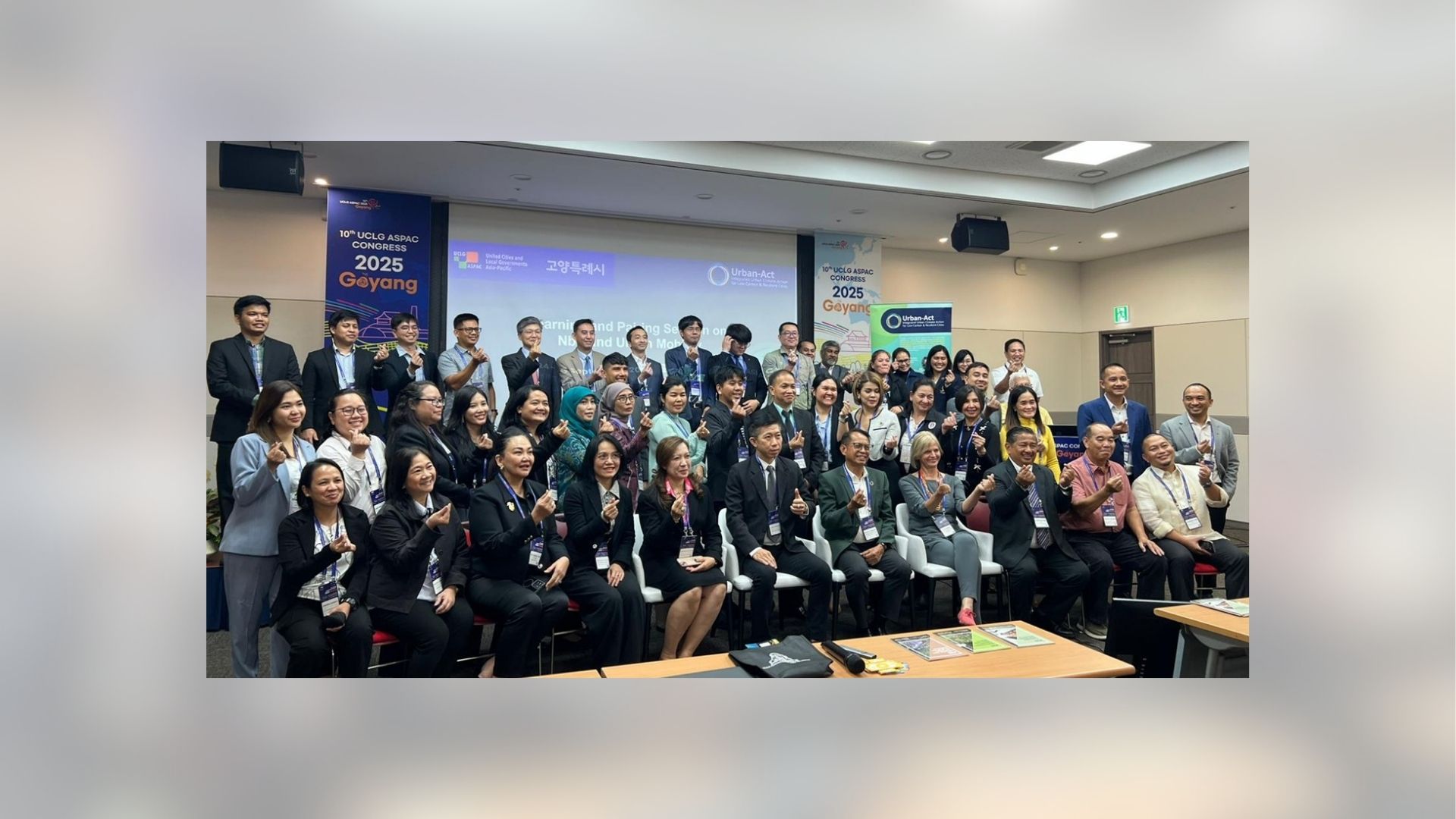
September 24, 26, 2025 | Goyang – UCLG ASPAC, in partnership with Urban-Act Project consortium partners GIZ and UNESCAP, organised a Learning and Pairing Session on Nature-based Solutions (NbS) and Urban Mobility, twin pillars of urban transformation, from cooling cities with green infrastructure to rethinking public transport for low-carbon living. The session is a continuation from the 1st Learning and Pairing Session on Waste Management in Kuala Lumpur held in August 2025, creating a platform for exchange where ideas turned into partnerships, and innovation met local action. The session connected learning and knowledge cities of Urban-act project, focusing on how to make cities more liveable, low-carbon, and resilient through practical, people-centred solutions. More than 50 participants joined the learning and pairing session and explored how local leadership can accelerate climate goals in line with the Paris Climate Agreement and the 2030 Agenda for Sustainable Development.
Day 1 – September 24, 2025 (Expert and Best Practices Presentation)
The discussion focused on how intermediary cities in Asia can plan sustainable urban growth through Nature-based Solutions (NbS), public transport, and innovative financing. Experts on Urban Mobility, Mr. Madan B. Regmi (UNESCAP) stressed that intermediary cities should avoid repeating mistakes of large metros by prioritising public and active transport systems early in their development.
Examples of Urban Mobility:
- Indore (India) and Surabaya (Indonesia) have experimented with eco-friendly bus systems, including plastic waste exchange for fares.
- Cities like Medan (Indonesia) are exploring electric buses, but face challenges in balancing affordability and profitability; subsidies and partnerships are often needed.
Expert on NbS, Dr. Vacharaporn Soonsin from Chulalongkorn University, highlighted that many intermediary cities are surrounded by natural areas, yet they still face urbanisation and climate-related challenges such as flooding, pollution, and loss of green space. Cities should not take nearby natural resources for granted, but integrate them into urban planning through NbS (parks, water retention systems, green roofs). NbS provide long-term benefits, such as improved air quality and resilience, but often require initial investment and community engagement.
Examples of NbS:
- In Singapore and Seoul, green building design and flood control use NbS. In Bangkok, universities and municipalities have created urban parks that also function as flood management zones.
- Community-driven projects in the Philippines (open-space restoration through homeowners’ associations) demonstrate affordable, participatory NbS.
Best practice from Hamamatsu City was presented by Mr. Furuhashi Hiroki, Assistant Chief, International Affairs Division, Planning and Coordinating Department, on how Hamamatsu is turning climate ambition into concrete action. The city first declared its Zero-Carbon City goal in 2020, committing to achieve carbon neutrality by 2050. In 2025, it revised its roadmap with an even bolder target: A 73% reduction in greenhouse gas emissions by 2040, surpassing Japan’s national target of a 46–50% reduction by 2030. This decisive move reflects Hamamatsu’s belief that local leadership is key to global climate action. Hamamatsu is also innovating in biomass energy to create a circular, low-waste economy. A biomass power plant operated by Hamamatsu BioPower Ltd. now processes 180 tons of biodegradable waste per day, generating around 19,000 MWh of electricity annually through methane fermentation.
Main recommendations from experts:
- Plan cities around public transport instead of private car use.
- Promote the concept of the “15-minute city”, where residents can access daily needs through walking, cycling, or public transit.
- Integrate land-use and transport planning to prevent unnecessary travel demand.
- Avoid overreliance on expensive, prestige projects (MRT/metros) and focus instead on efficient bus or shared mobility systems.
Day 2 – September 26, 2025 (Project Idea Presentation and City Pairing)
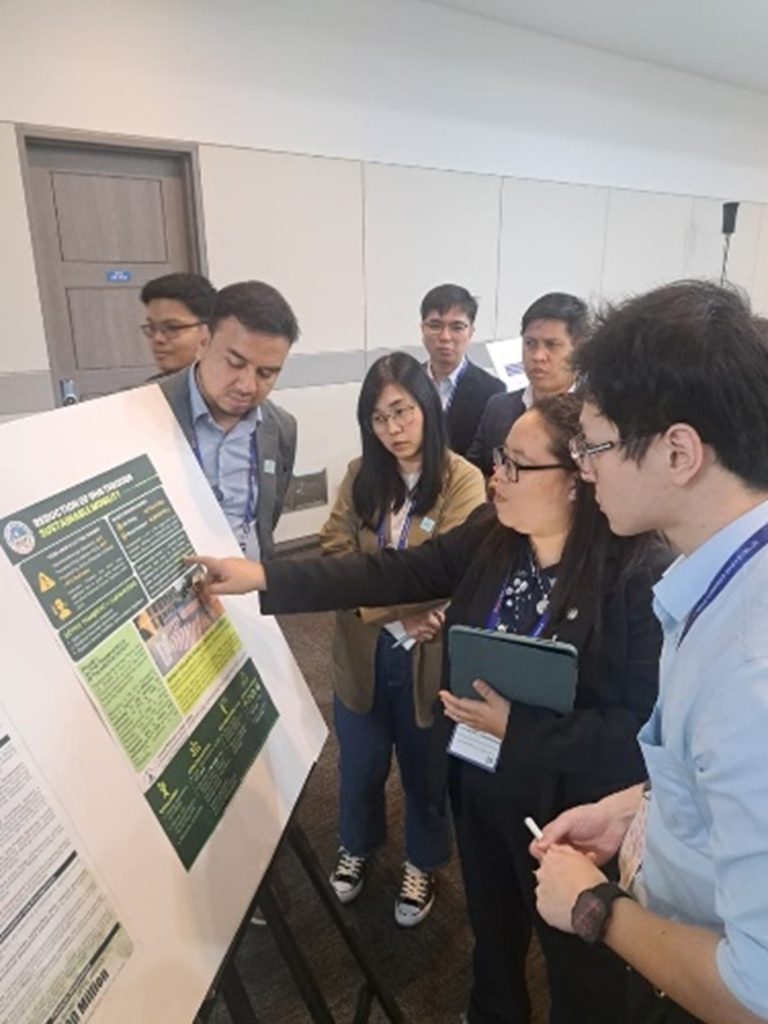
The highlight was the city presentation and pairing segment, where five pilot cities of the Urban-Act project: Chiang Mai, Khon Kaen, Antipolo, Bacolod, and Tagbilaran shared their project ideas:
- Chiang Mai (Thailand): Introducing smart and green mobility systems to reduce congestion and air pollution in the heritage city.
- Khon Kaen (Thailand): Repurposing unused land for sustainable urban growth, linking development with climate resilience and community needs.
- Antipolo (Philippines): Developing a low-carbon city centre through active transport, blue-green infrastructure, and smart mobility design.
- Bacolod (Philippines): Creating a greenway network for electric mobility and pedestrian safety, aligned with national decarbonisation goals.
- Tagbilaran (Philippines): Transforming its heritage district into a walkable, climate-resilient space to combat extreme heat and emissions.
These presentations demonstrated that innovative, locally led climate actions can make global sustainability agendas tangible and relevant for citizens.
Pairing for Progress: City-to-City Learning in Action
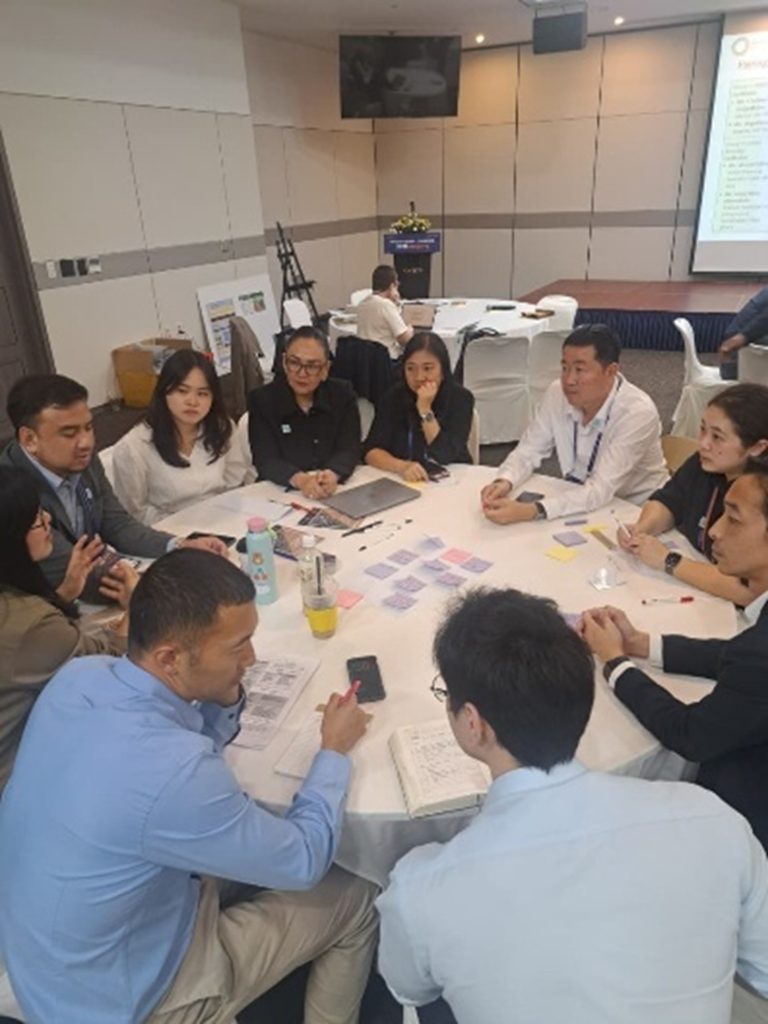
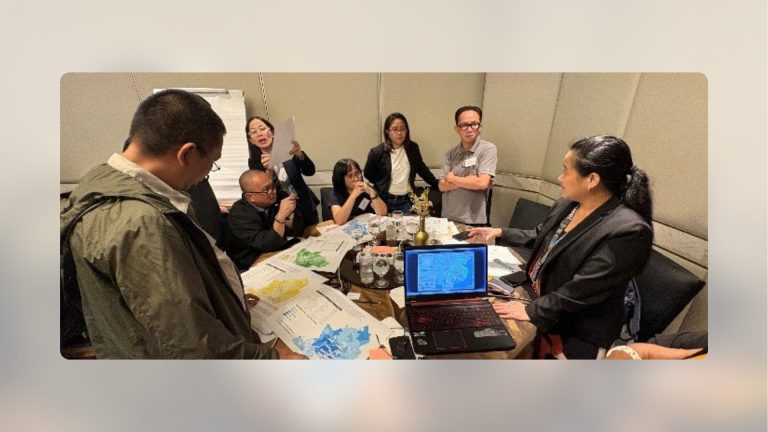
The session facilitated city pairing and discussion, encouraging cross-border collaboration between local governments. Cities from China (Shenzhen), Indonesia (Surabaya, Jambi), Japan (Hamamatsu), Korea (Goyang, Seoul), Thailand (Hat Yai, Chiang Mai), and the Philippines (Baguio) joined as knowledge partners and shared their experiences in smart mobility, digital twin technologies, and green infrastructure offering valuable insights and partnership opportunities for their Southeast Asian counterparts. For example:
- Antipolo City and Tagbilaran City have expressed interest in learning from Goyang’s smart mobility model.
- Bacolod City has looked to Shenzhen’s electric bus transformation as a benchmark for clean public transport.
- Khon Kaen City has explored collaboration possibilities with the Seoul Metropolitan Government for NbS, sustainable land, and water management.
- Chiang Mai City has explored the potential cooperation with Shenzhen Bus Group (SBG) on the electric bus system.
With the support of the Urban-act project, UCLG ASPAC will facilitate the potential technical cooperation, strengthening the decentralised cooperation framework in 2026. Further, pilot cities representatives of the Urban-act reaffirmed their commitment to developing and turning their capstone project ideas into investment-ready projects. The next phase will focus on supporting cities in developing pre-feasibility studies, pilot interventions, and financing strategies for the showcased concepts. “What we’ve seen here is more than a collection of city projects; it’s a movement of local governments learning from each other and leading the way toward a resilient urban future,” one participant remarked. As the UCLG ASPAC Congress 2025 concluded, one message echoed strongly: Sustainability starts locally, but its impact can be global when cities act together.