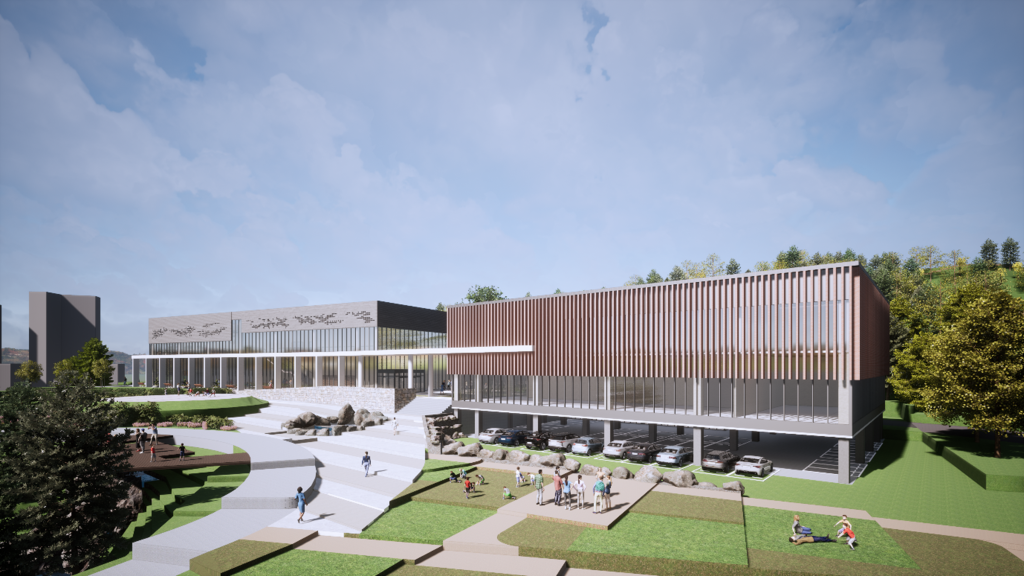


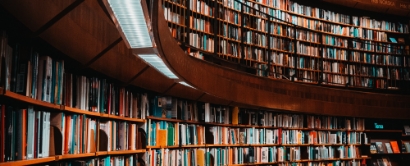
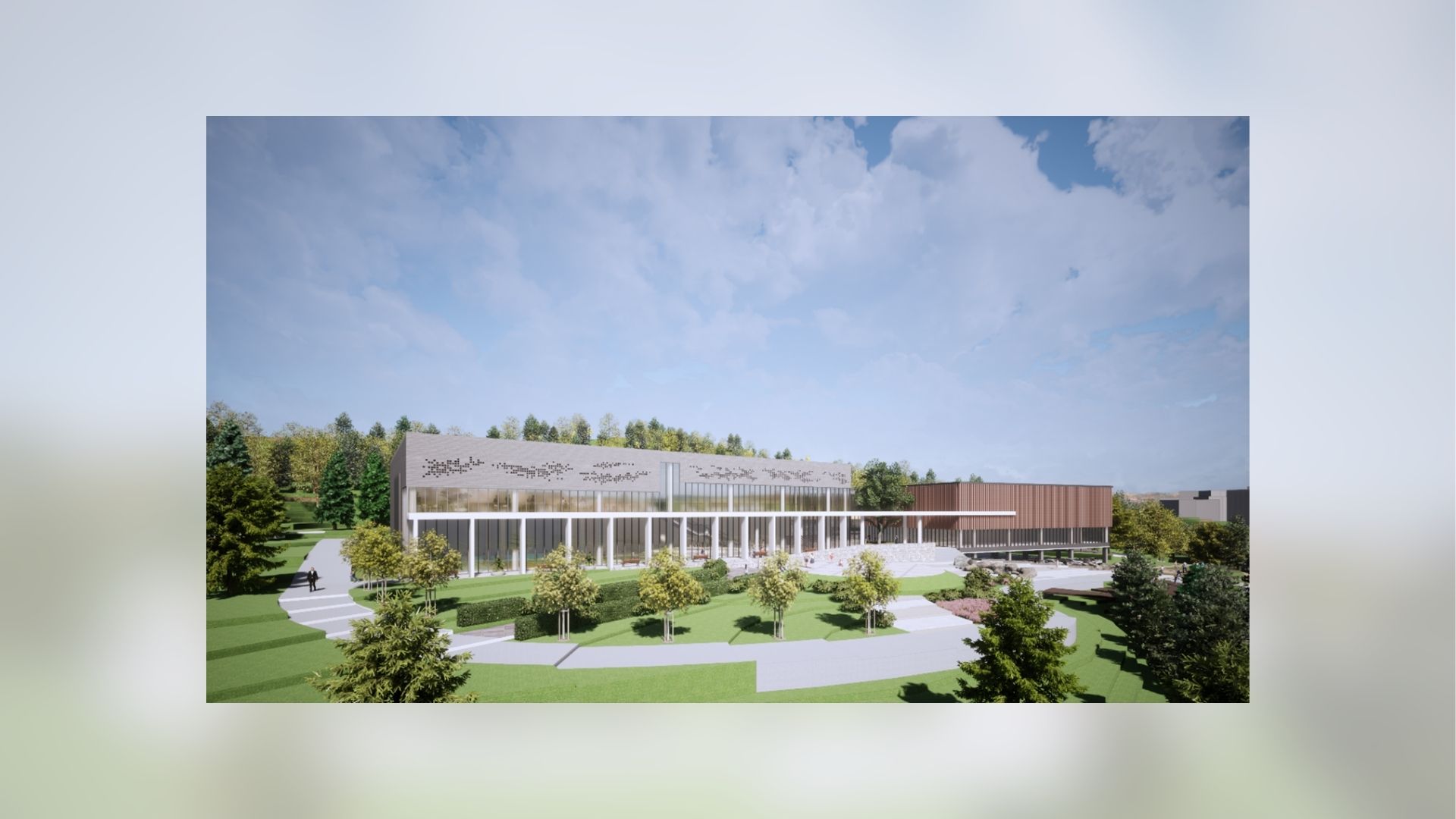
Sejong City, in collaboration with the Multifunctional Administrative City Construction Agency (MACCA) and LH Corporation, is planning to open the Sejong City Museum in 2027. This museum will serve to preserve and exhibit various cultural heritage and artifacts unearthed and collected during the city’s development process. As Korea’s administrative capital, Sejong has accumulated a wide range of cultural materials through excavations and research, including ancient relics, folk artifacts, and historical records. These collections offer valuable insights into Sejong’s history and cultural roots, from prehistoric times to the present.
Scale and Exhibition Content
The museum is built within Gowoon Neighbourhood Park with a total floor area of approximately 10,000㎡, making it the largest public museum in the central region of Korea. With an investment of 47.3 billion KRW, it will showcase artifacts spanning from the prehistoric era, through the Bronze Age and the Three Kingdoms period, to the modern day. It will also exhibit records documenting the city’s development as an administrative capital.
Permanent Exhibition
The permanent exhibitions are divided into three parts:
- Part 1 highlights artifacts excavated from ancient urban sites and burial grounds, covering relics from the prehistoric to the medieval periods, including Joseon-era ceramics and historical documents.
- Part 2 focuses on the daily lives of residents who originally lived in the area, featuring traditional artifacts related to housing, clothing, food, religious practices, and seasonal customs.
- Part 3 showcases records and materials documenting the decision-making process behind establishing Sejong as the new administrative capital and the city’s subsequent development.
Special Exhibition Hall
The museum will also feature a 757㎡ special exhibition hall designed to host a variety of domestic and international exhibitions, providing visitors with diverse and high-quality cultural experiences. A children’s experience zone will help younger audiences engage with and understand Sejong’s history and culture in a more accessible way.
In line with recent trends in museum management, the Sejong City Museum will function as a multifunctional cultural complex equipped with spaces for lectures, performances, educational programs, and seminars. As Sejong City continues to grow as Korea’s second administrative capital and a hub for future-oriented strategies, the museum aims to serve as a centre for preserving and sharing the city’s unique history and culture.