



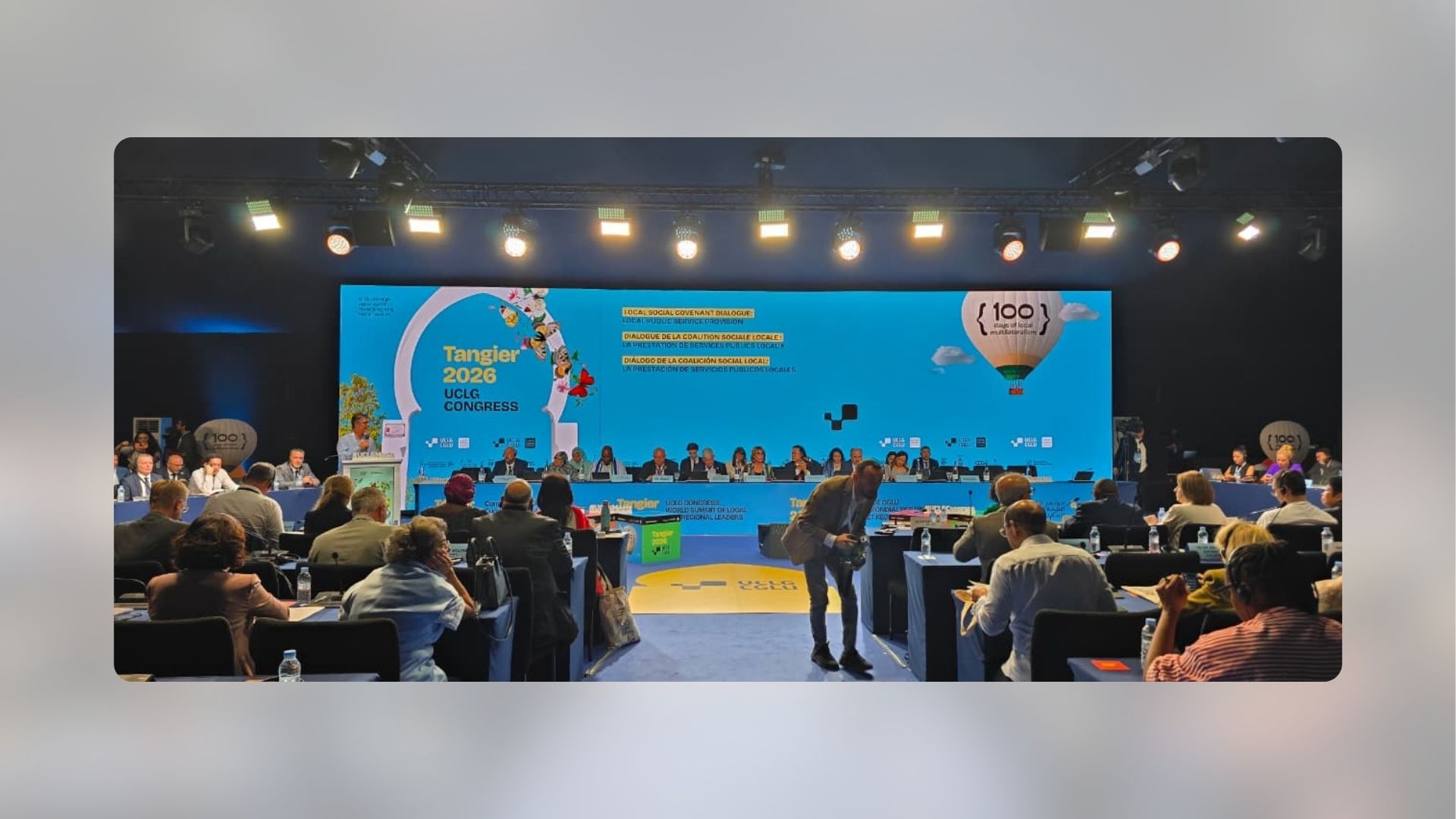
Dr. Joune James Esau Ganda, Regent of North Minahasa Regency, Indonesia (in the dialogue on Local Multilateralism for Peace) emphasised the importance of preventing interreligious conflict through inclusive governance, proactive dialogue, and community-based trust-building.
June 22–25, 2026 | Tangier – UCLG ASPAC actively participated in the UCLG World Congress 2026, held in Tangier, Morocco, from June 22 to 25, 2026.
UCLG ASPAC coordinated the participation of more than 100 delegates representing cities, local governments, and local government associations from across the region to actively engage in the four-day meeting agenda – from participation in the governing body election to interventions in policy discussions.
“For UCLG ASPAC, the Congress provides an opportunity to bring the voices, innovations, and priorities of Asia-Pacific local governments to the global stage while reinforcing our shared commitment to sustainable, inclusive, and resilient development,” said Dr. Bernadia Irawati Tjandradewi, Secretary General of UCLG ASPAC.
ASPAC Caucus: Building a Strong and Unified Asia-Pacific Voice
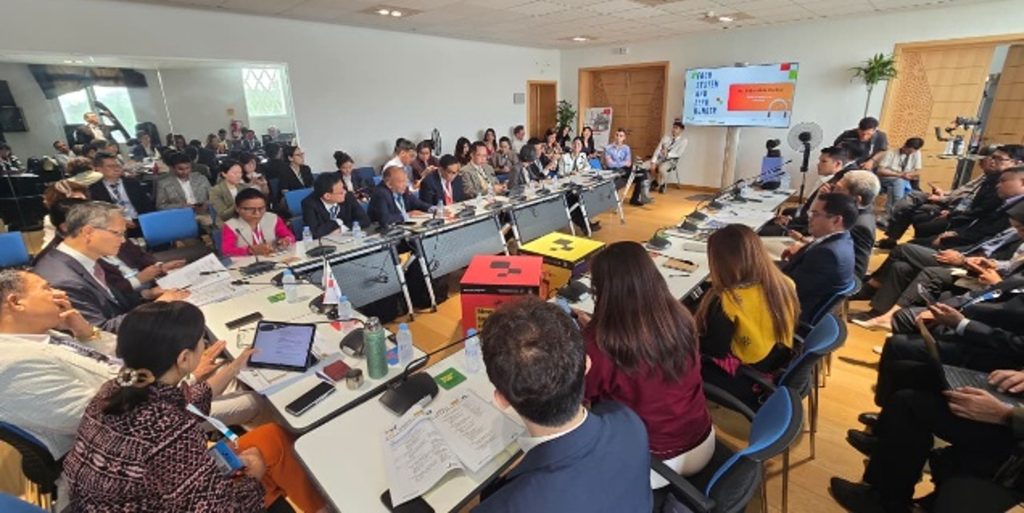
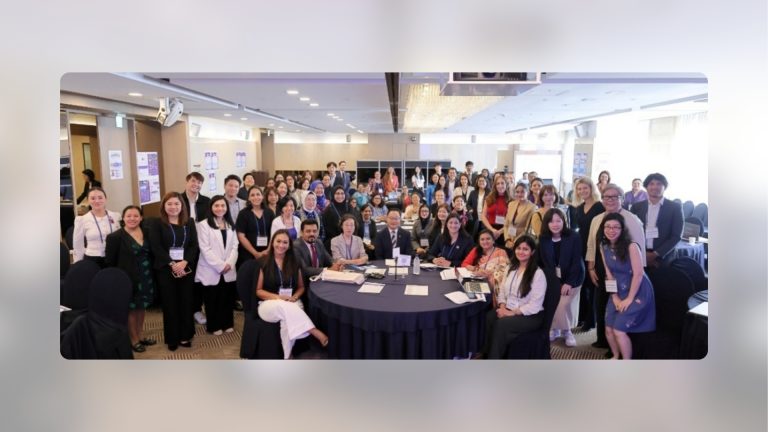
To strengthen regional coordination ahead of the statutory meetings, UCLG ASPAC convened the ASPAC Caucus, the principal coordination platform for Asia-Pacific delegates, enabling members to discuss strategic issues, align regional positions, and prepare for the elections of UCLG’s Governing Bodies and Presidency.
The Caucus highlighted that membership has continued to expand across the region, particularly in Indonesia, China, the Republic of Korea, and Nepal, with membership fee collection reaching 96.4 percent—the highest level in the Section’s history.
During the meeting, members also emphasised the need for stronger decentralisation and local democracy, innovative financing for local governments, digital transformation and artificial intelligence, climate resilience, disaster risk reduction, and greater representation of regional sections within UCLG’s governance structure.
ASPAC Representation in The World Organisation
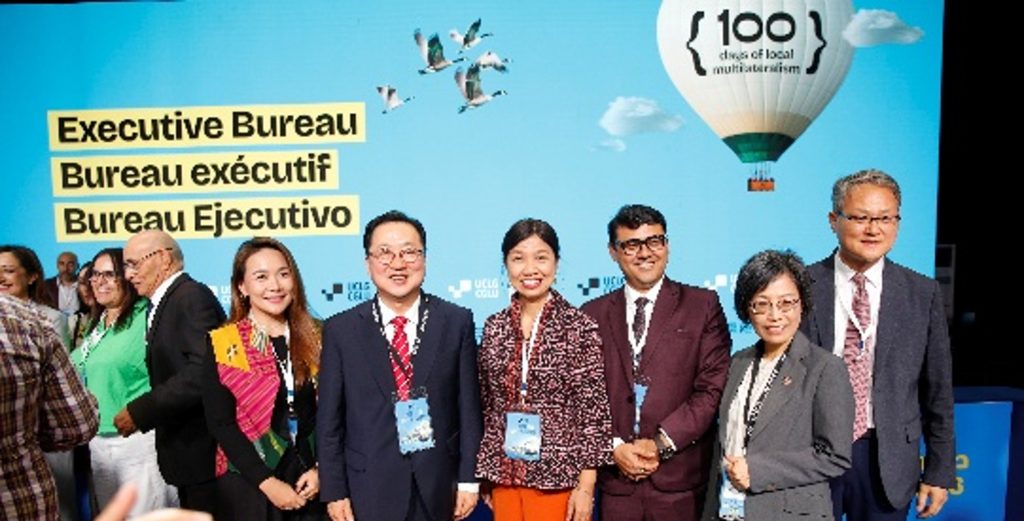
Outcome of UCLG’s Governing Bodies: 62 nominees from UCLG ASPAC were appointed to serve as members of the UCLG World Council for the 2026–2029 term. The newly appointed World Council also confirmed the composition of the Executive Bureau for the 2026–2029 mandate. As part of this process, the 24 nominees submitted by UCLG ASPAC were appointed as members of the Executive Bureau.
Asia-Pacific Perspectives in the Global Dialogue
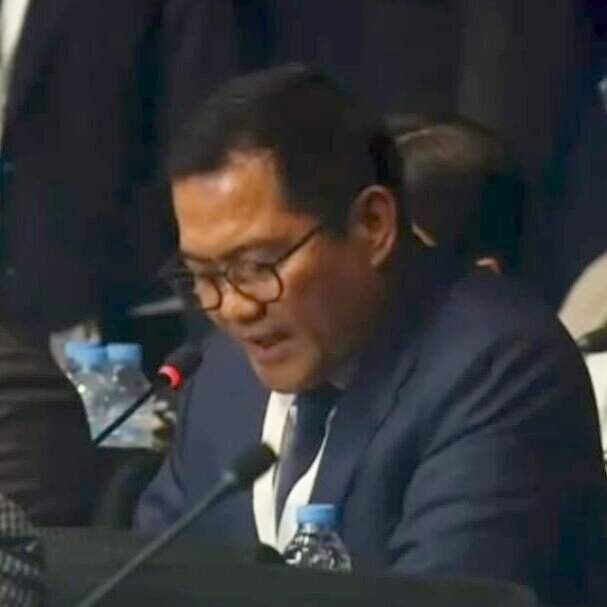
Dr. Joune James Esau Ganda, Regent of North Minahasa Regency, Indonesia (in the dialogue on Local Multilateralism for Peace) emphasised the importance of preventing interreligious conflict through inclusive governance, proactive dialogue, and community-based trust-building.
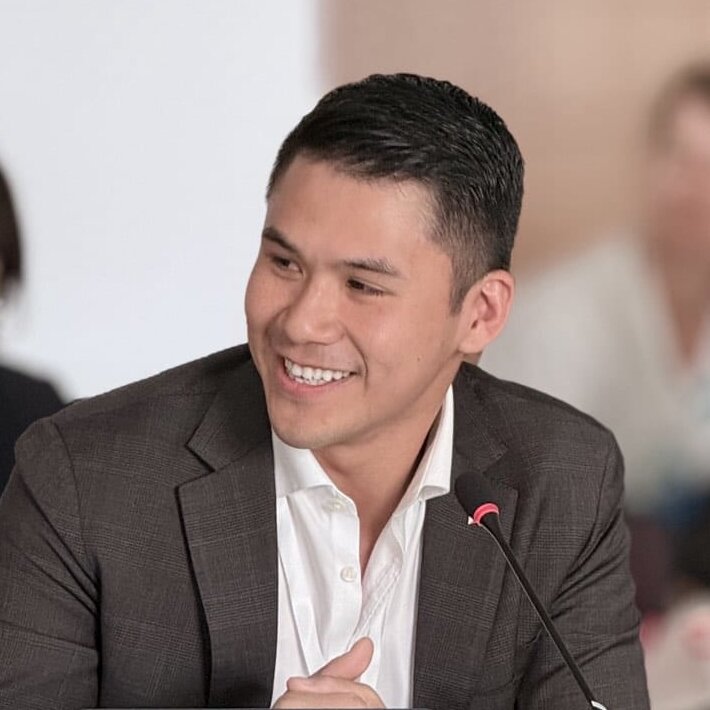
Mr. Faustino “Inno” A. Dy V, President of the League of Municipalities of the Philippines (LMP) and Mayor of Echague, Isabela, Philippines (in the Coalitions for Local Innovation session) highlighted the importance of food security as a fundamental pillar of sustainable local development. He underscored the critical role of local governments in strengthening agricultural resilience, supporting local farmers, and fostering collaborative approaches that ensure food systems remain sustainable, inclusive, and responsive to the needs of communities.
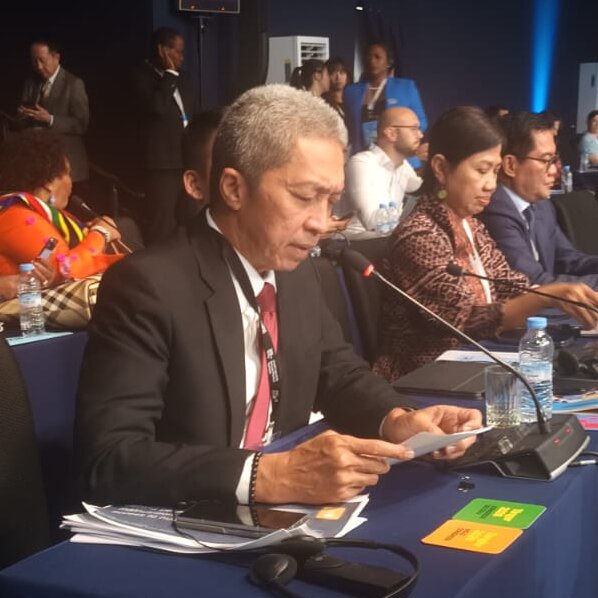
Mr. Dedie A. Rachim, Mayor of Bogor City, Indonesia, on behalf of the Asia-Pacific region, emphasised that the region is simultaneously navigating climate change, rapid urbanisation, demographic shifts, digital transformation, economic restructuring, and growing global uncertainty.
Mayor Dedie further urged UCLG to prioritise three strategic actions over the coming mandate: accelerating climate action through greater access to climate finance and locally led adaptation; empowering local governments through fiscal decentralisation, capacity development, digital innovation, and integrated data systems; and reinforcing multilevel governance and decentralised cooperation through city-to-city partnerships, peer learning, Voluntary Local Reviews (VLRs), and local diplomacy. He concluded by reaffirming UCLG ASPAC’s commitment to ensuring that local governments are adequately empowered, financed, and recognised so that local voices continue to shape global decisions and that no territory is left behind.
Renewal of UCLG’s Global Leadership
Marking the conclusion of the renewal of the World Organisation’s Governing Bodies and political leadership was the election of the new UCLG Presidency for the 2026–2029 mandate.
The World Council elected Mayor Uğur İbrahim Altay of Konya, Türkiye, as the new President of UCLG. He will be supported by five Co-Presidents representing UCLG’s regional sections: Mr. Bheke Stofile, President of the South African Local Government Association (SALGA), representing Africa; Mr. Aysen Nikolaev, Head of the Sakha Republic, representing Eurasia; Mr. Jan van Zanen, Mayor of The Hague, representing Europe; Mr. Cristian Zamora, Mayor of Cuenca, representing Latin America; and Mr. Berry Vrbanovic, Mayor of Kitchener, representing North America.
The World Council also elected Ms. Fatimetou Abdel Malick, President of the Nouakchott Region, Mauritania, as Chair of the UCLG Standing Committee on Gender Equality, while Ms. Fatiha El Moudni, Mayor of Rabat, Morocco, as Treasurer of UCLG.
The Congress also endorsed the Tangier Outcome Document, which sets out UCLG’s shared political vision and priorities for the 2026–2029 mandate. Anchored in the Local Social Covenant, the document reaffirms the commitment of local and regional governments to advancing inclusive, rights-based, and people-centred development through strengthened multilevel governance, decentralised cooperation, and universal access to essential public services. It also outlines several strategic initiatives, including the establishment of a Housing Justice Academy, a Women’s Council for Equality, an Intergenerational Council, a Board on Decentralised Cooperation, and a Global Facility for Innovation in Local Public Services, which will guide UCLG’s work over the coming years.
Looking Ahead
UCLG ASPAC welcomed the newly elected leadership and the adoption of the Tangier Outcome Document, reaffirming its commitment to working closely with the Presidency, the Governing Bodies, and fellow regional sections in advancing the interests of cities and local governments worldwide. The new mandate provides an important opportunity to strengthen collaboration across regions and further elevate the role of local and regional governments in addressing global challenges through inclusive, resilient, and sustainable development.