





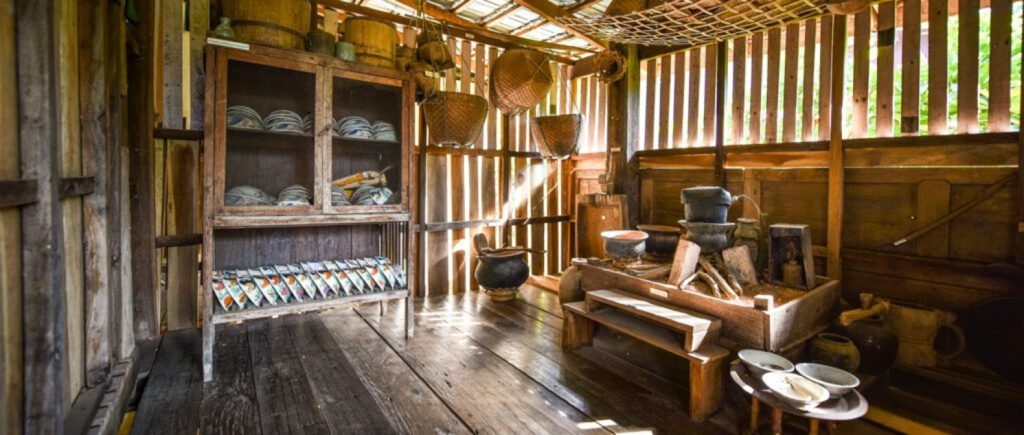
Bo Suak Village is located in Nan Province, Thailand. At the heart of Bo Suak is its strong Lanna cultural heritage, characterised by distinctive traditions, art, and architecture. The area retains its rural “slow life” with the livelihood centred on agriculture and artisanal crafts such as weaving, pottery, and bamboo work.
In line with Thailand’s national strategy to integrate the Sustainable Development Goals (SDGs) into tourism policy, the Designated Areas for Sustainable Tourism Administration (DASTA) explored ways to develop Bo Suak for sustainable tourism. DASTA didn’t apply a top-down model. Instead, the strategy revolves around participatory, area-based approach rooted in co-thinking, co-planning, co-acting, co-responsibility, co-benefiting, and co-ownership.
Roles of DASTA/Government
- Conducted comprehensive research on local resources and sensitivities.
- Shared findings with local authorities and village leaders to assess interest in tourism development.
- Worked closely with local occupational groups to transform traditional livelihoods into experiential learning bases.
Engine of Success: Capacity Building and Knowledge Sharing
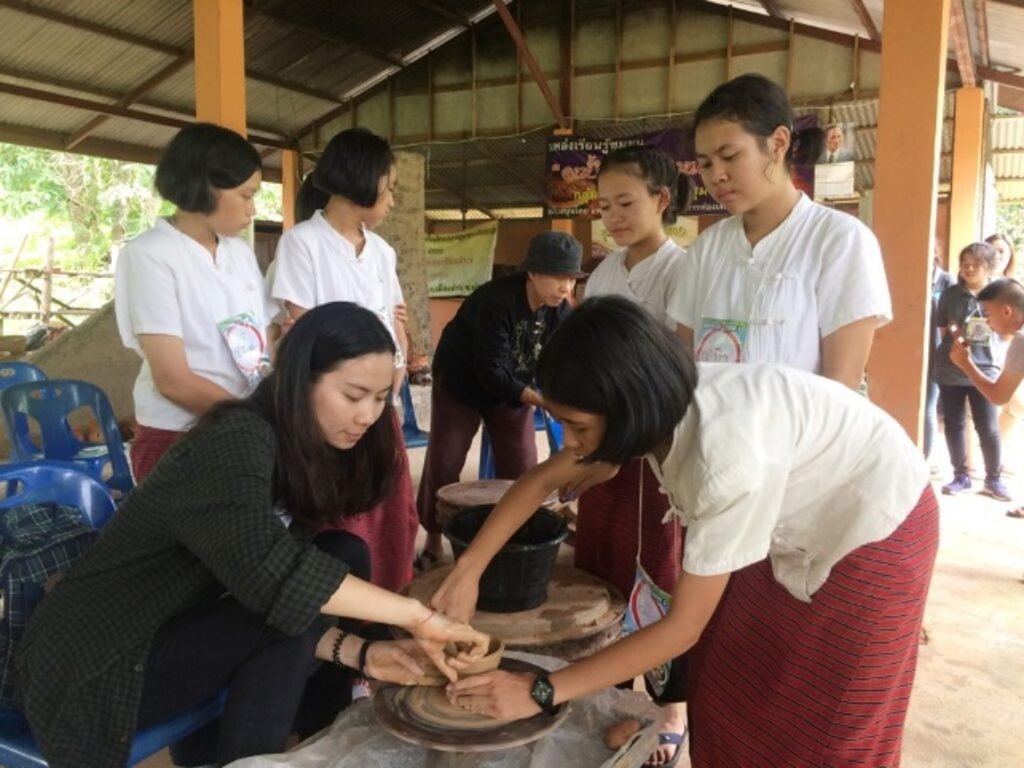
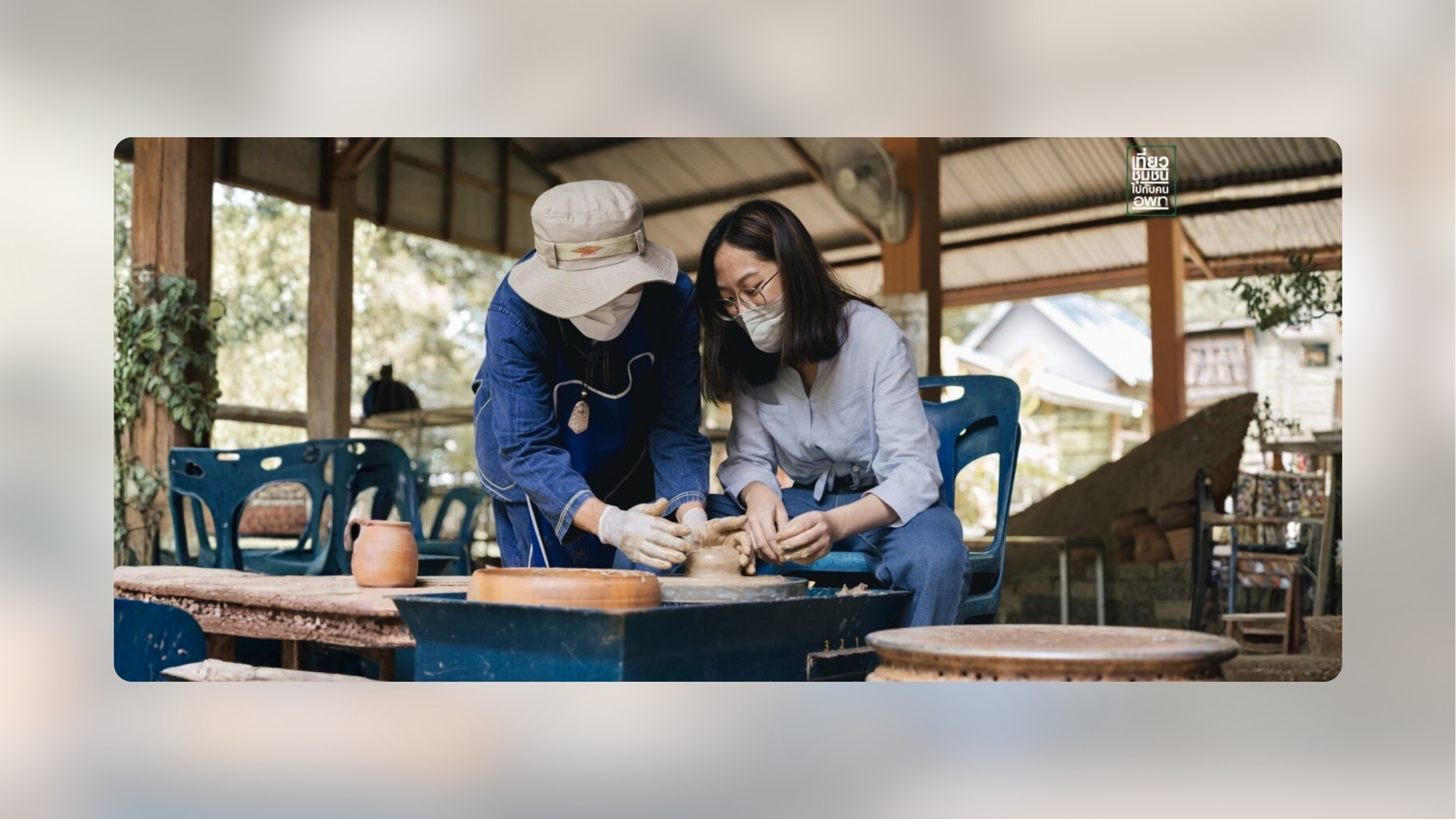
- Local people were supported to design and deliver hands-on workshops, such as weaving, pottery, and craft-making.
- Training included building communication confidence, enabling community members to act as knowledgeable local guides and facilitators.
- Local people were trained in Thailand’s Global Sustainable Tourism Council (GSTC)-recognised Community-Based Tourism standards (covering areas such as governance and administration, socio-economic management, cultural preservation, environmental stewardship, and service quality)
Results:
- Visitors engage in hands-on activities such as pottery, bamboo weaving, and textile weaving, creating meaningful exchanges between hosts and guests while adding value to local craftsmanship.
- Rather than simply producing goods for sale, artisans became storytellers, sharing the meaning, history, and cultural significance behind their crafts.
- The formation of the Bo Suak Community-Based Tourism Promotion Club, composed of weaving groups, craft cooperatives, culinary groups, and other key sectors. The Club became the community’s management and decision-making hub, ensuring that tourism development remained community driven.
Impact:
Since its development in 2012, Bo Suak has achieved transformative results, including:
- Tourism activities created new employment opportunities, diversified income sources, and contributed to a steady increase in visitors, from around 1,000–2,000 annually in the early post-COVID period to approximately 50,000 in 2023.
- Improved roads, lighting, and water systems, delivering benefits well beyond the tourism sector.
Recognition:
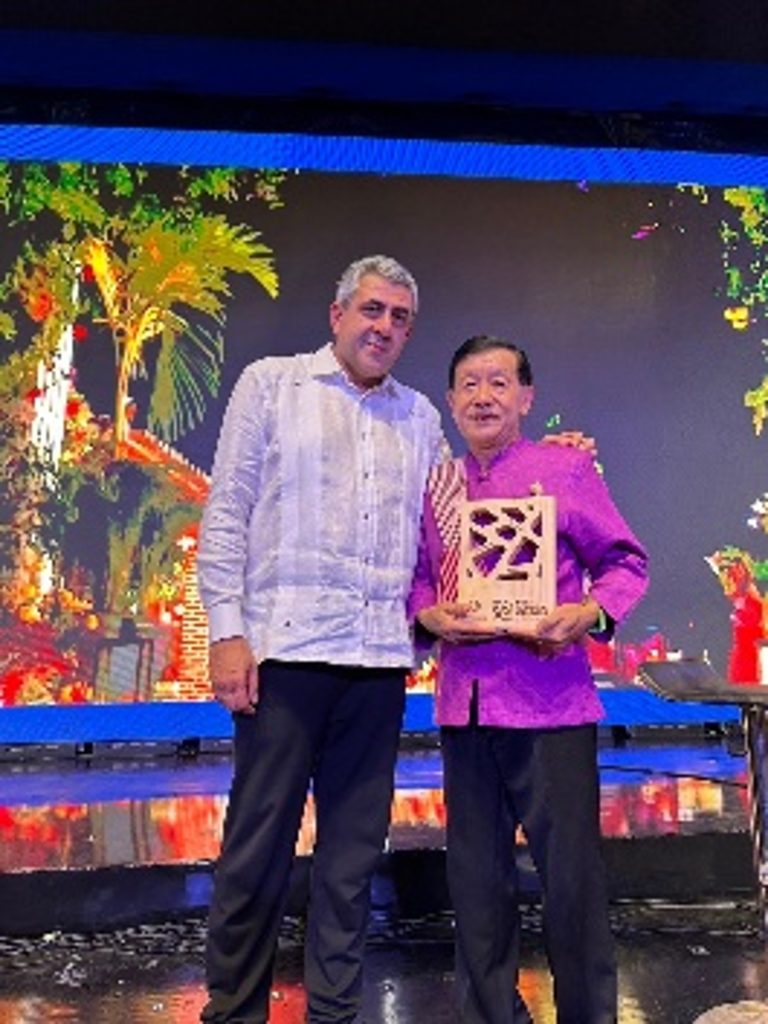
- The UN Tourism Best Tourism Village award in 2024.
- As a leading case study within DASTA’s portfolio sharing its experience through national and international knowledge-exchange networks.
Sources:
https://www.asean.or.jp/sustainable-tourism/cat_thailand/from-cultural-assets-to-global-acclaim-how-thailands-bo-suak-village-achieved-sustainable-tourism-excellence/
https://mekongtourism.org/bo-suak-a-cultural-gem-in-nan-thailand-awarded-and-authentic/
https://fanclubthailand.co.uk/discover-the-charm-of-north-thailand-at-bo-suak-village-nan/