


The rapid development of artificial intelligence (AI) is reshaping the landscape of urban governance and public services. New Taipei City has continued to integrate AI into various fields, including land administration, social welfare, transportation, and education, moving from policy frameworks to practical applications, and exploring how technology can deliver more convenient and inclusive public services.
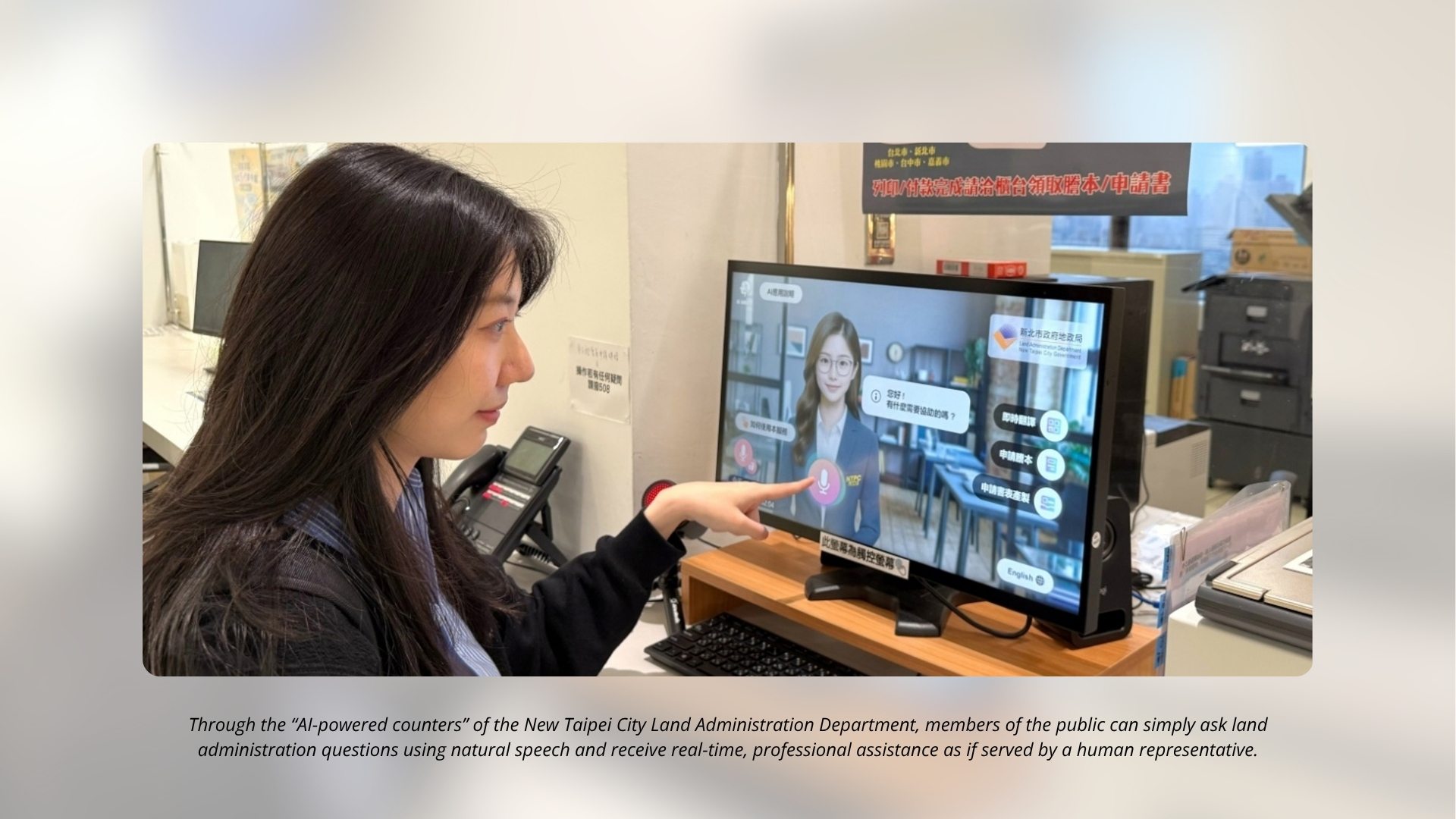
In land administration, the New Taipei City Land Administration Department launched the first “AI-powered counters” across its nine regional land offices in April 2026. Combining generative AI, voice interaction, and virtual avatar customer service, the counters offer land consultation, real-time two-way translation, transcript requests, and application form generation services. Members of the public can interact with the AI using natural voice commands to retrieve information and complete certain applications, thus making digital public services more accessible.
AI applications have also expanded into social welfare services. In July, the New Taipei City Social Welfare Department launched “AI-Powered Welfare Subsidies Inquiry Hotline.” Utilising speech recognition and generative AI, the system helps citizens check eligibility, application status, and approval progress for senior health insurance subsidies, thereby allowing seniors and their families to access personalized information directly over the phone. Handling roughly 200 inquiries a day, the AI system not only makes services more convenient, but also handles some of the more routine queries, freeing frontline staff to focus on cases requiring attention and support from a dedicated human agent.
In transportation, New Taipei City is taking AI integration further by combining generative AI with public transit data. Launched in July, the “Taipei–New Taipei AI Bus Station Manager” provides route information, estimated arrival times, and stop locations on a single platform. By scanning a QR code at bus stops, commuters can simply talk to the AI Bus Station Manager and ask about routes, transfers, and where to get off. This service converts complex transit data into an intuitive, conversational interface, significantly improving the accessibility of public transportation information.
In education, AI has demonstrated new possibilities for assisting government departments’ internal processes as well as teaching professionals’ work. Through its “AI Smart Team,” the New Taipei City Education Department is empowering educators and administrative staff to use generative AI based on their real-world needs to facilitate their administrative and teaching tasks. Currently, two calls for submissions, “AI Idea King” and “Creating AI Companions,” have accumulated 88 creative applications, covering areas such as parent–teacher communication, looking up laws and regulations, processing official documents, designing teaching materials, and student emotion analysis. The Education Department has also built over 700 smart AI agents to assist with data retrieval and administrative collaboration, helping frontline staff gradually accumulate experience in AI applications.
Beyond government-led applications, New Taipei City is leveraging open data and civic technology to invite private-sector collaboration in exploring how AI can address urban needs. The “2026 New Taipei and Taipei Codefest” brought together developers to propose innovative ideas to address key issues, such as smart commuting, disaster resilience, environmental sustainability, food safety and health, labor welfare, and cultural inclusion, thereby bringing tech talent closer to the actual requirements of urban governance.
For New Taipei City, AI is not a one-time technology rollout, but a governance tool requiring continuous exploration and learning. From establishing AI governance frameworks and security verification mechanisms, to driving cross-departmental applications and partnering with citizen developers for co-innovation, New Taipei City is steadily building experience in AI governance. In the future, New Taipei City will continue exploring how to leverage AI to help the government deliver more convenient and efficient public services, while balancing safety, trust, and human-centered values, thereby creating even more possibilities for city governance.
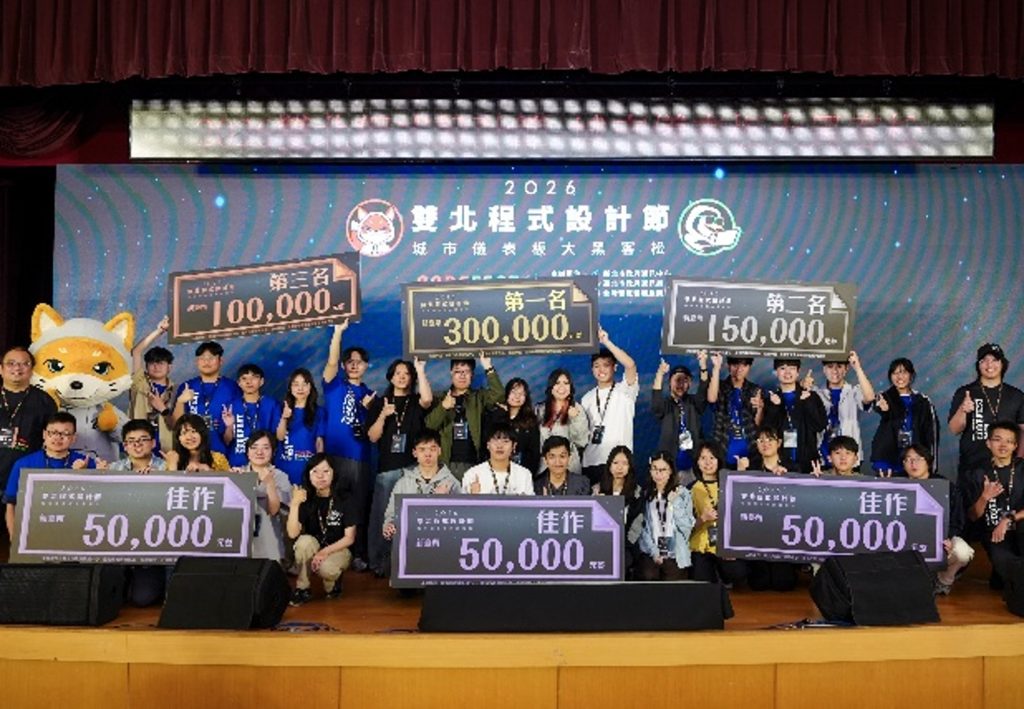
Winning teams at the 2026 New Taipei and Taipei Codefest showcased achievements in AI-driven data governance and open data applications across the Taipei–New Taipei metropolitan area.
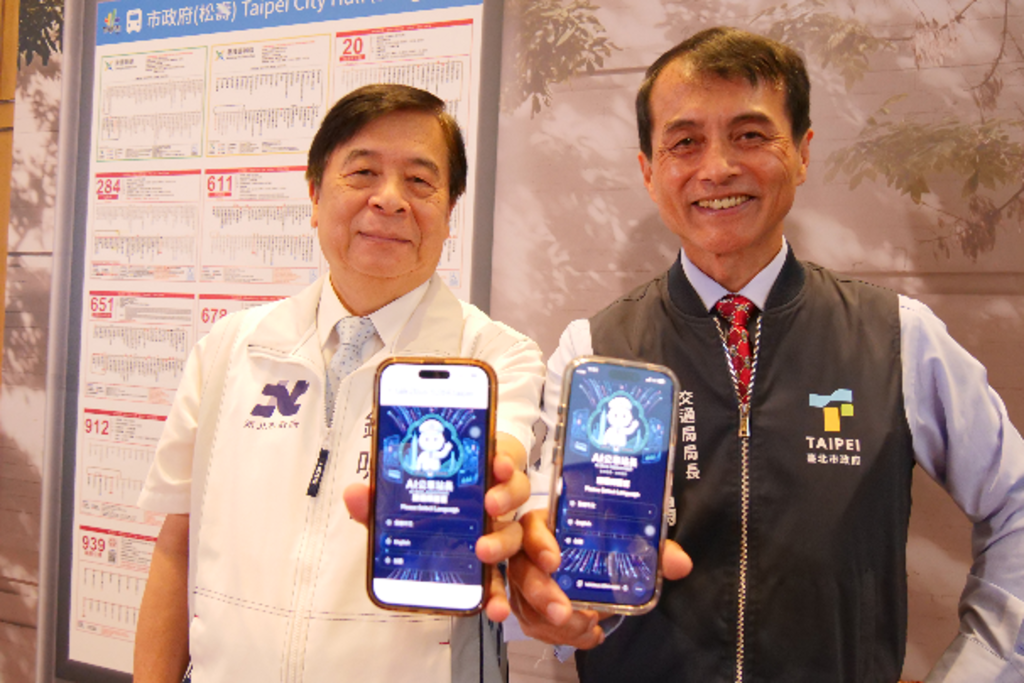
Members of the public can directly “chat” with the “Taipei–New Taipei AI Bus Station Manager” to easily access bus information.