




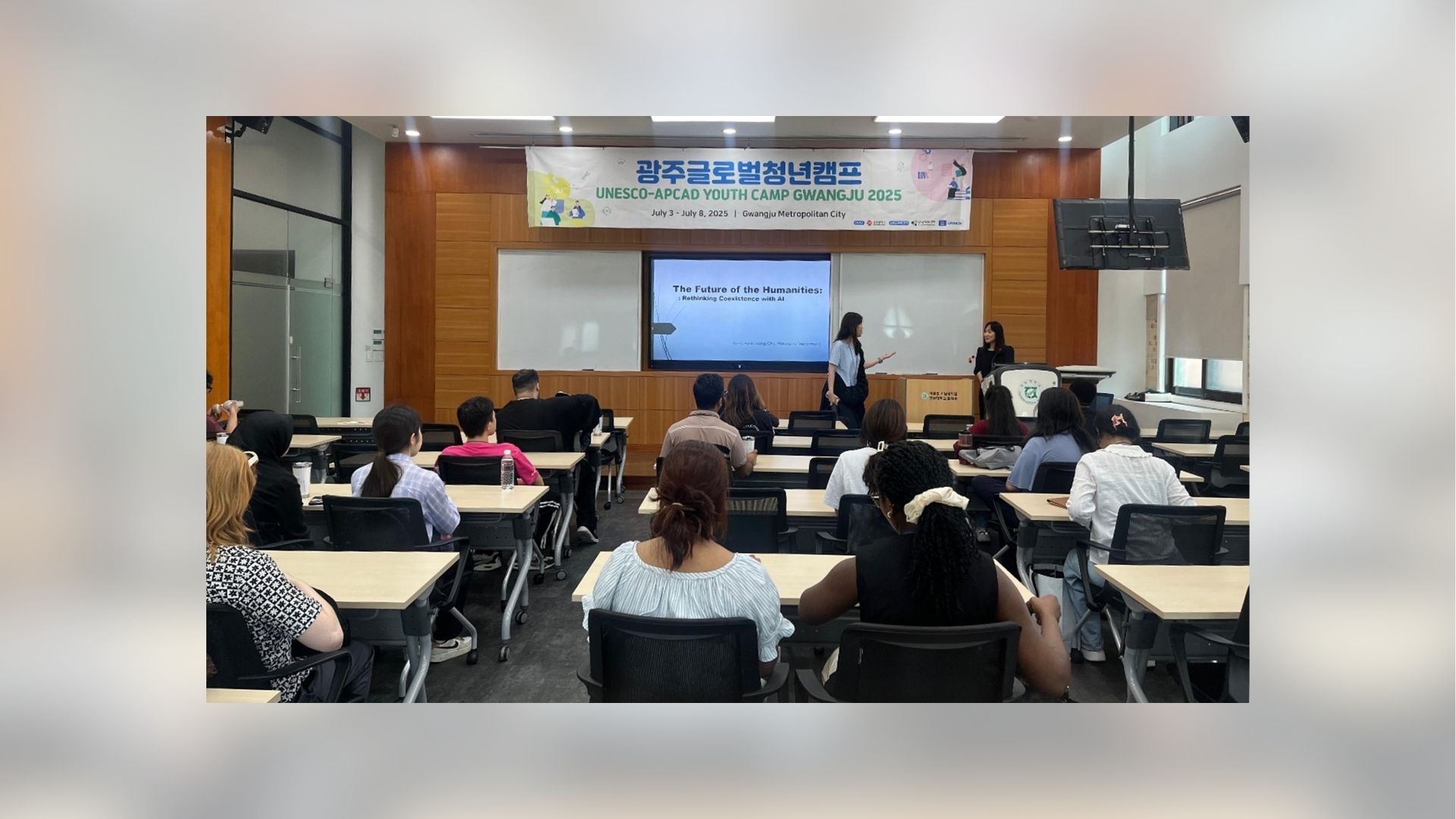
July 3 to 8, 2025 | Gwangju – UCLG ASPAC member, Gwangju reaffirmed its historical legacy as a global beacon of democracy and human rights—this time by becoming a platform for youth voices shaping the ethical future of artificial intelligence (AI). The UNESCO Asia-Pacific Cities Against Discrimination (APCAD) Youth Camp, held under the theme “AI for All: Upholding the Value of Inclusion,” brought together 20 young participants from across the globe to explore the complex intersections of technology, ethics, and inclusion.
Organised by the Gwangju International Centre with the support of the United Nations Educational, Scientific and Cultural Organisation, UCLG ASPAC, and the Gwangju Metropolitan Government, the Camp provided more than just a structured programme of lectures and workshops. It became a vibrant and transformative space where knowledge met conscience, where innovation was grounded in empathy, and where youth were recognised not as future leaders—but as present ones.
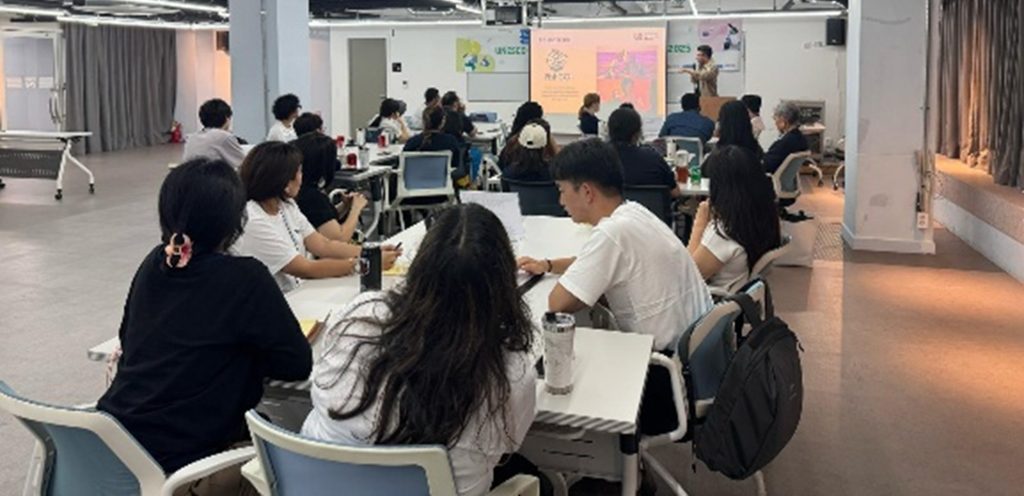
Representing UCLG ASPAC Secretariat, Mr Agung Zulhatta, Research and Learning Officer, joined the programme as a facilitator and mentor. In the session, “Youth Participation Strategies for Sustainable Cities,” he shared experiences from across Asia and the Pacific, demonstrating how young people are using technology not only to raise awareness but to influence urban governance. Mr. Zulhatta also supported participants in developing their team projects, particularly during collaborative sessions at Chonnam National University, where ideas for AI-driven solutions were conceived with a clear sense of ethical responsibility and local relevance.
Throughout the week, participants engaged in conversations that moved beyond technical understanding. They examined how bias can be embedded in algorithms, how marginalised voices are often excluded from AI discourse, and how power dynamics shape technological access and impact. The Camp emphasised that inclusion must not be an afterthought, but a design principle. It underscored that local governments—by virtue of their proximity to communities—have a unique role to play in ensuring that digital development is inclusive, participatory, and just.
The visit to the May 18 National Cemetery offered a powerful reminder that the pursuit of justice in the digital age must remain rooted in historical awareness. Innovation must be conscious of memory; progress must remain accountable to people. This fusion of remembrance and foresight shaped the spirit of the Camp: forward-looking yet deeply grounded in human values.
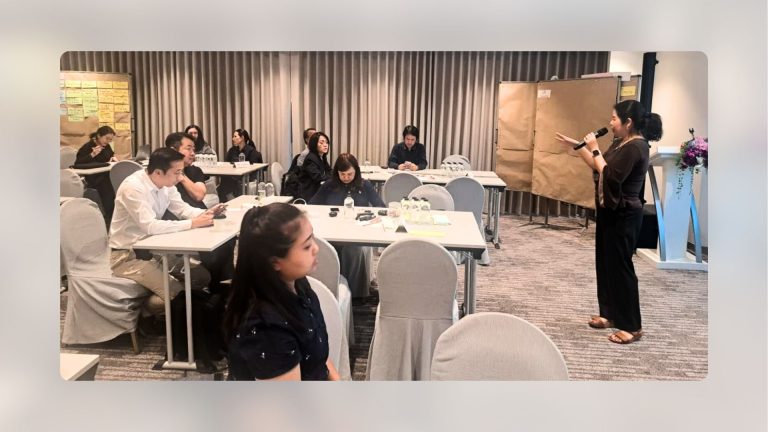
As the programme ended, the participants presented team projects addressing issues ranging from inclusive education to AI ethics for local government services. Their proposals reflected not only creativity but conviction—a genuine commitment to making technology work for all. These were not abstract solutions, but rooted responses to real-world challenges, shaped by diverse perspectives and collective effort.
The final day of the Camp saw participants presenting project ideas on topics ranging from education accessibility to community-based AI ethics. These youth-led solutions reflected a commitment to designing technologies that serve people—not the other way around. For UCLG ASPAC, this engagement reaffirmed the Organisation’s belief that a truly smart city or local government is one that listens, includes, and learns—especially from its youth. The Camp was not merely a showcase of knowledge but a call to action: to centre people in policy, to build cities that care, and to ensure that the future of AI is not only innovative, but just. From this Youth Camp, we are reminded—and reassured—that the future of our cities still exists. It lives within the ideas, convictions, and actions of today’s youth. The passion they carry, the questions they raise, and the solutions they imagine offer hope that the cities of tomorrow will be more just, more inclusive, and more human—because they are shaped today by the conscience and courage of young people.