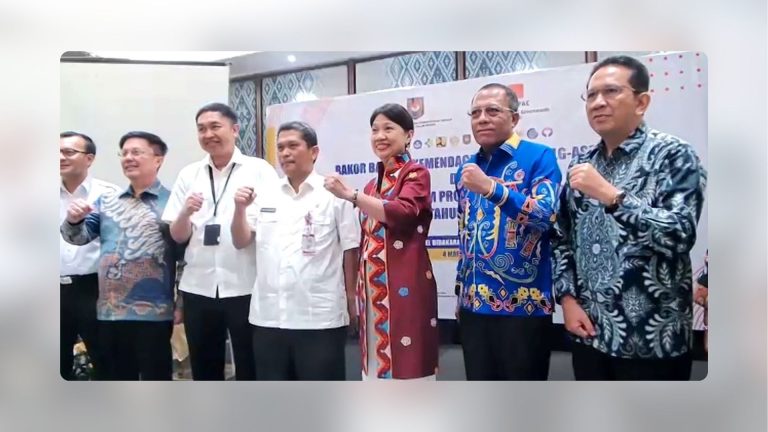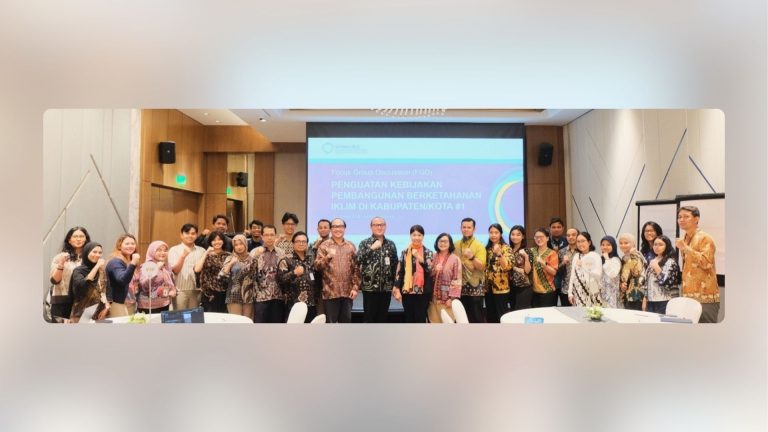





UCLG ASPAC, the national coordinator of the Urban-Act Programme in Indonesia, supported the Indonesian government in ensuring that its national policy direction is effectively implemented at the subnational level. In collaboration with GIZ, UCLG ASPAC organised an evaluation of the vertical integration of climate policies and an examination of the City Enabling Environment on Environmental Climate Governance (CEE-ECG) during the first Focus Group Discussion (FGD), titled “Strengthening Climate-Resilient Development Policy in Indonesia,” organised on February 20, 2026.
UCLG ASPAC also organised a Climate Action Plan (CAP) Coaching Clinic and City Pairing Session on February 9, 2026, in Jakarta to strengthen institutional capacity, enhance peer learning, and support cities in translating climate commitments into implementable actions, particularly in the priority sectors of urban mobility and solid waste management. CLICK FOR MORE INFO
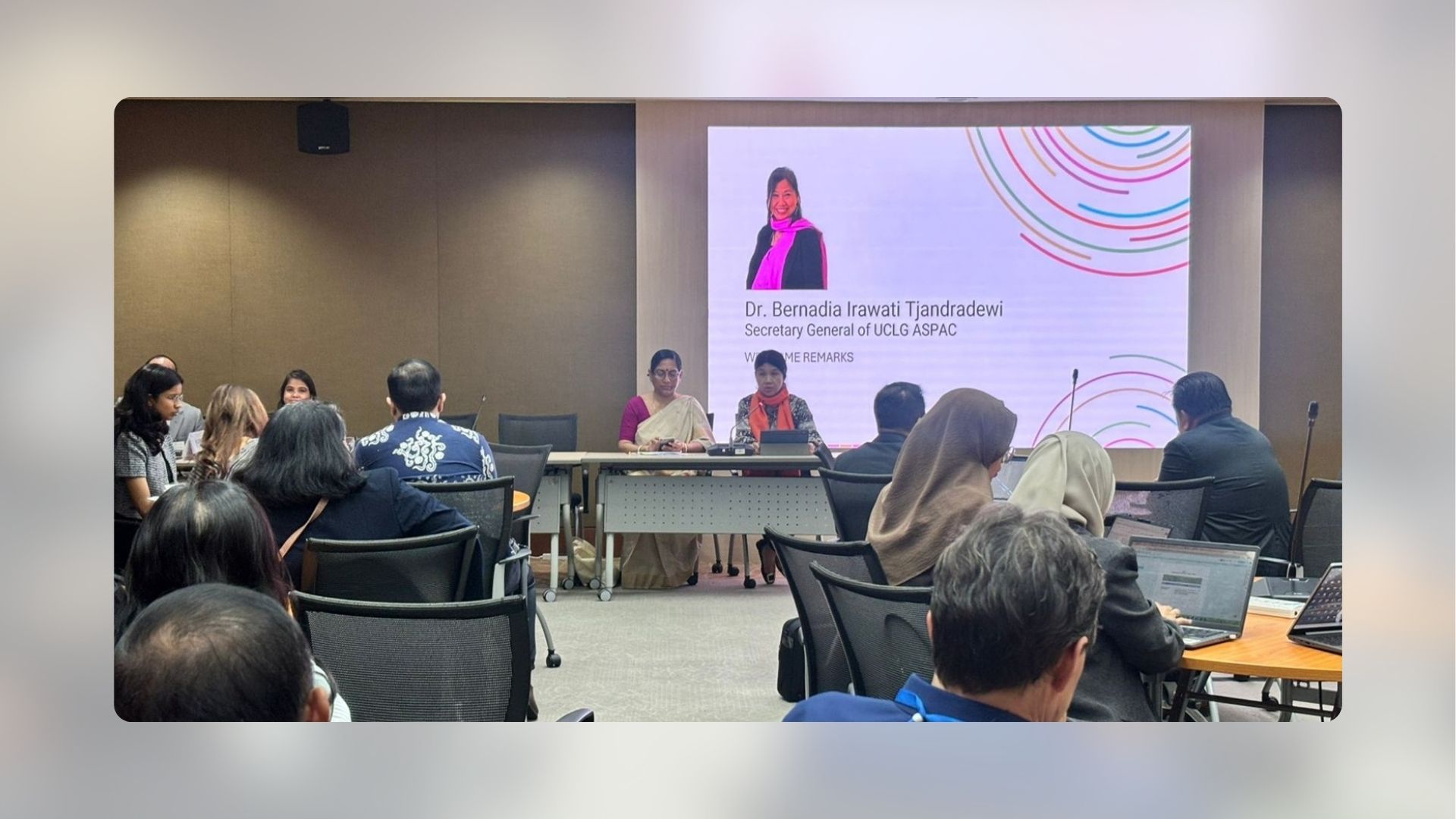
February 24-27, 2026 | Bangkok – UCLG ASPAC, under the framework of Urban Act Project, co-organised a side event entitled “Enabling Environment for Climate-Resilient Cities in Asia-Pacific: Lessons from India and Indonesia” at the APFSD 2026. The session highlighted the urgent need to strengthen governance systems, financing mechanisms, and institutional coordination to accelerate climate action in rapidly urbanising cities across the region. The event was jointly co-organised by the National Institute of Urban Affairs (NIUA), India, with partners GIZ India and ESCAP. The Urban-Act project supported this session by promoting low-carbon and resilient urban development in several Asian countries through the City Enabling Environment on Environmental and Climate Governance (CEE-ECG) assessment, which evaluates national and local frameworks related to policy, institutions, financing, and governance. The event brought together national and local government representatives, experts, and city leaders, and it emphasised that effective climate action requires a strong enabling environment, including supportive policies, institutional coordination, and financial mechanisms.
Dr. Bernadia Irawati Tjandradewi and NIUA Director, Dr. Debolina Kundu opened the session with a keynote presentation delivered by Dr. Leonardo Adypurnama Alias Teguh Sambodo, Deputy for Food, Natural Resources, and Environmental Affairs/ Ministry of National Development Planning (Bappenas), Indonesia. Dr. Leonardo presented the CEE-ECG assessment result, indicating a relatively strong regulatory framework for climate action, with national policies supporting local government authority and public participation. However, coordination across sectors and institutions remains a challenge, highlighting the need for a stronger national coordinating mechanism to integrate climate, disaster, and biodiversity policies. Indonesia has integrated climate governance into its long-term development agenda, including the National Long-Term Development Plan (2025-2045) and the National Cities Policy 2045, promoting sustainable, inclusive, and resilient urban development. These frameworks aim to mainstream green economy principles, improve environmental quality, strengthen disaster resilience, and support integrated urban planning and financing mechanisms.
Local Implementation and City Experiences
Local governments shared how Sustainable Development Goals (SDGs) are translated into local action. Tools like Voluntary Local Reviews (VLRs) help cities align local development priorities with global sustainability targets while strengthening accountability and monitoring. For example, Baguio City in the Philippines uses a liveability index and VLR process to prioritise SDGs such as SDG 11 (Sustainable Cities and Communities) and SDG 13 (Climate Action) and integrate climate action into governance, planning, and community engagement. Vice Mayor of Jambi City, Mr. Diza Hazra Aljosha shared the city’s practice on Community-Based Development through engagement with youth groups, artisans, performers, and local MSMEs to accelerate the SDGs local target. Vice Mayor of Jambi also highlighted the SDG 11 target in line with urban challenges (climate risks, waste management, economic inequality, social fragmentation). He emphasised that Community-Based Development shifts the centre of gravity; instead of designing solutions for communities, it designs solutions with communities. Further, Jambi City has empowered the community or grassroot level and has embedded climate resilience to the foundation of the city, especially through improved drainage, sanitation and neighbourhood level adaptation. Ms. Saraswathi Rangasamy, Joint Director of Municipal Administration and Director of Tamil Nadu Institute of Urban Studies, presented several common challenges across Indian cities, including:
- Fragmented coordination among government institutions
- Limited technical capacity at the local level
- Data and monitoring gaps for climate reporting
- Limited access to climate financing for cities, especially smaller municipalities
- Lack of Gender Equality, Disability, and Social Inclusion (GEDSI) principles in all levels of development and planning.
Dr. Mizan Bustanul Fuady Bisri, UCLG ASPAC expert on city enabling environment assessment from Urban Act pilot countries, including India and Indonesia, presented the CEE-ECG result, and in 2026, UCLG ASPAC will update the rating score, emphasising the following:
- Strengthen multi-level governance and coordination between national and local governments
- Improve local access to climate finance, including blended finance and municipal bonds
- Invest in data systems and monitoring frameworks for climate action
- Build the capacity of local governments to plan and implement climate initiatives
- Encourage community participation and city-to-city peer learning