



December 3 – 4, 2025 | UCLG ASPAC continued its support for sustainable urban development in the Mekong Region through the convening of the 3rd Urban Mekong Corridor Initiative (UMCI) Dialogue, held on December 3rd and 4th, 2025, in Vientiane, Lao PDR. Hosted by the Mekong River Commission (MRC) Secretariat and Vientiane Capital Administration, and co-organised with Cities Alliance, with the support of the Swiss Agency for Development and Cooperation (SDC), the Dialogue built on the momentum of the first and second UMCI Dialogues convened in 2024, further strengthening regional collaboration and shared learning among Mekong cities.
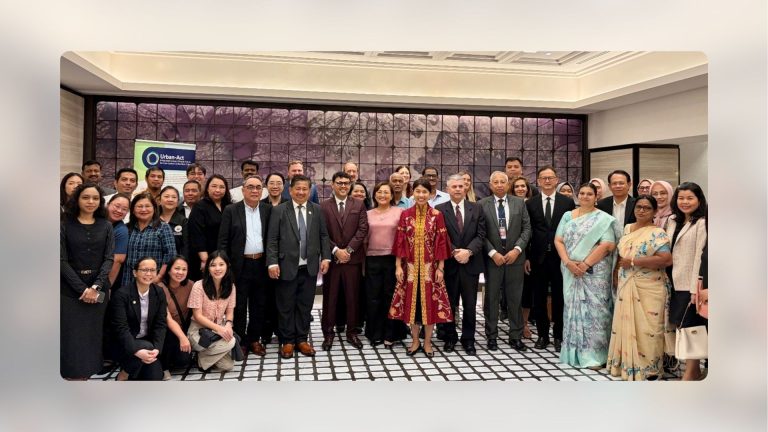
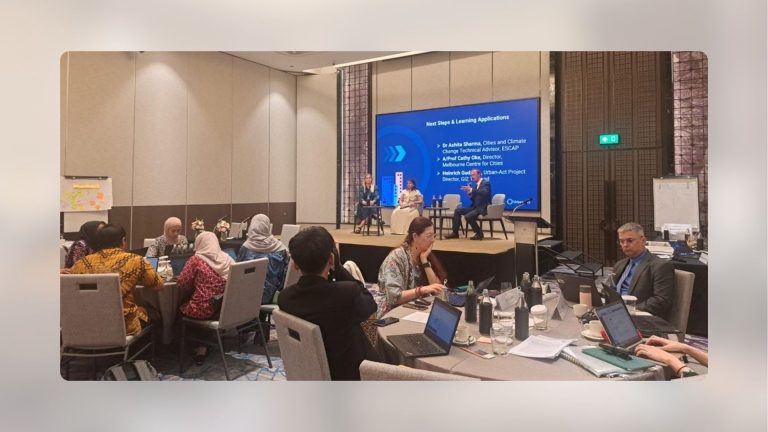
The 3rd Dialogue brought together more than 120 participants, including Governors and Mayors, representatives of national and local governments, academics, civil society organisations (CSOs), development and financial partners from across the Mekong region, who engaged in open and constructive exchanges on circular economy approaches, solid waste management, and nature-based solutions (NbS) for water and heat, alongside people-centred strategies to strengthen community resilience in rapidly urbanising cities.
Day 1: Enabling Conditions for Inclusive Green Urban Development
The first day of the Dialogue focused on the structural and systemic conditions required to advance inclusive green urban development. Discussions underscored that while cities across the Mekong region have been experimenting with innovative solutions, their impact depends on strong partnerships, enabling policy environments, and access to sustainable finance.
- Partnerships in Action: Turning Collaboration into Results
The session illustrated how collaboration among cities, national governments, and international organisations can translate shared ambitions into tangible outcomes. City and national leaders from Phnom Penh (Cambodia), Nong Khai (Thailand), and Vientiane Capital (Lao PDR), together with representatives from the MRC Secretariat, shared long-term development visions grounded in circular economy principles, environmental stewardship, and social inclusion. The discussion also acknowledged persistent challenges, particularly infrastructure gaps and limited institutional capacity for sustained operation and maintenance.
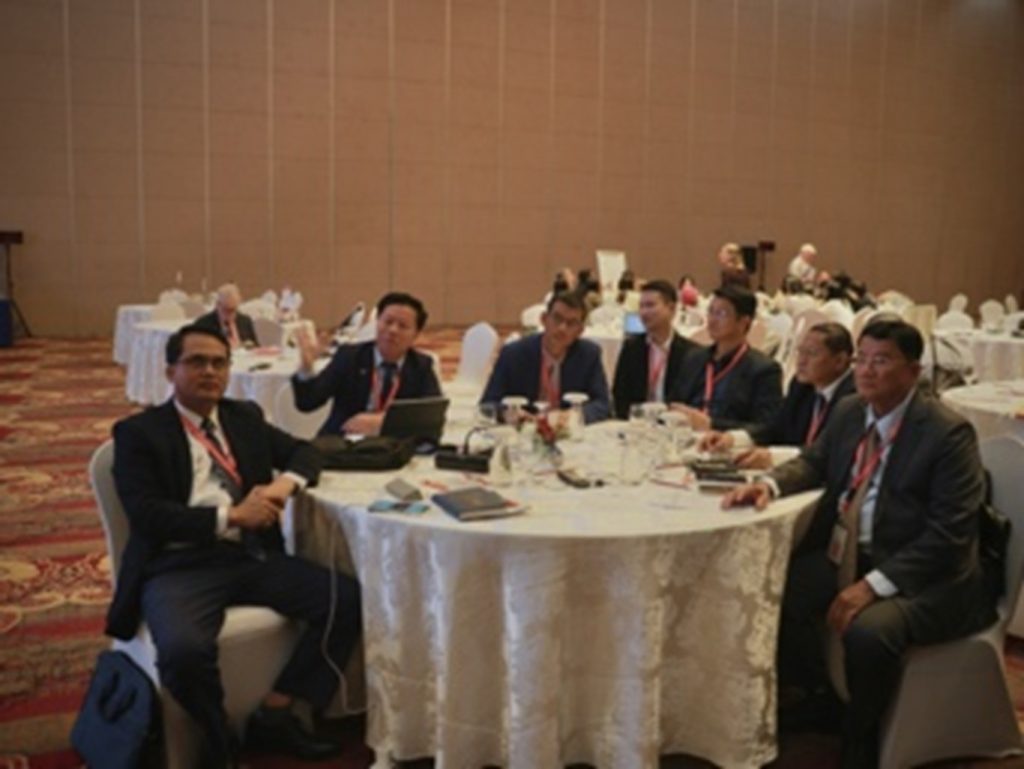
- Official launch: The Urban Mekong Corridor: Strengthening Regional Cooperation on Waste and Plastic Pollution in the Mekong River System
The day also marked the official launch of The Urban Mekong Corridor: Strengthening Regional Cooperation on Waste and Plastic Pollution in the Mekong River System, a report jointly developed by Cities Alliance and the Mekong River Commission. It underscored how unmanaged urban waste directly affects river health, livelihoods, and regional resilience, and called for stronger alignment between urban waste management systems and regional environmental governance frameworks.
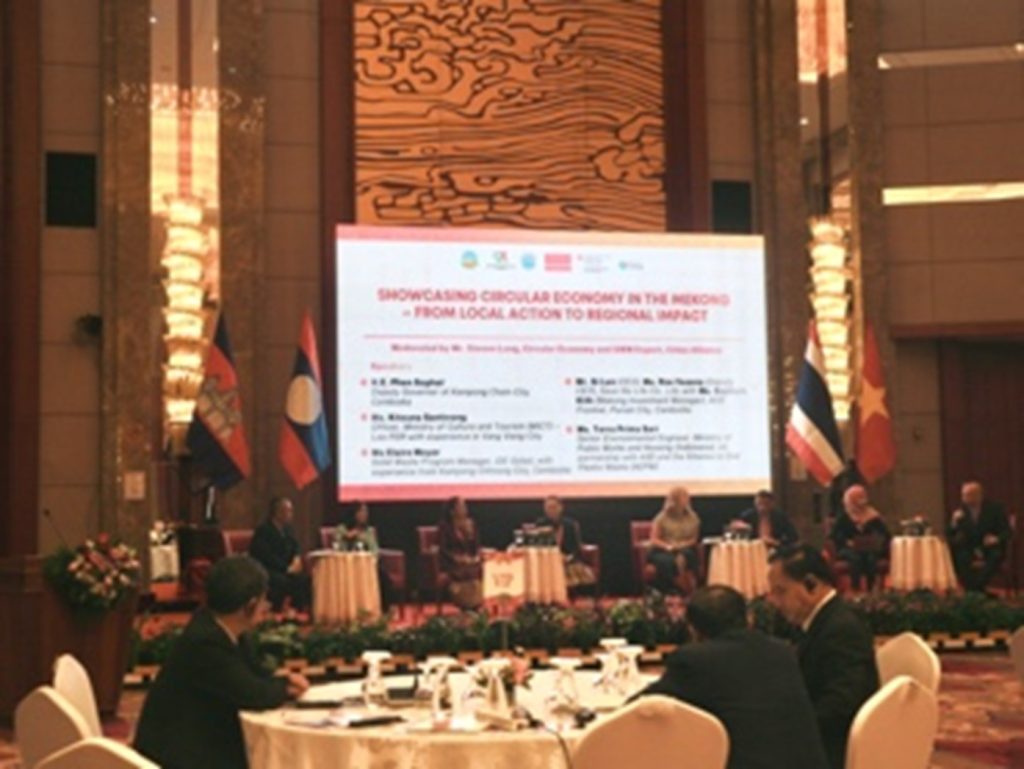
- Circular Economy in Practice: From Local Action to Regional Impact
Participants examined concrete examples of circular economic initiatives across the region, demonstrating how waste can be transformed from a growing liability into a source of economic opportunity and social value. Case studies from Vang Vieng, Kampong Cham, Pursat, and Indonesia demonstrated successful, locally driven circular economy initiatives.
- Designing Scalable Circular Projects
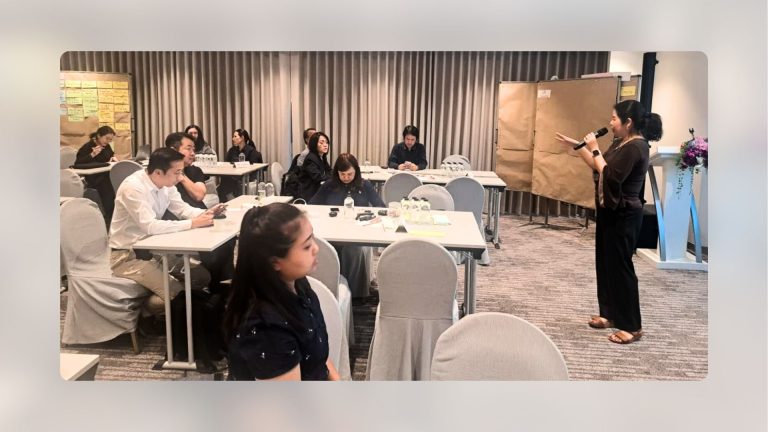
Moving beyond experience-sharing, an interactive co-creation session invited participants to reflect on what makes urban projects scalable and investment-ready. Rather than focusing solely on funding gaps, discussions emphasised the importance of sound project design, institutional capacity, and long-term viability, reinforcing the need to build robust and credible projects before seeking finance.
Day 2: People, Place, and Nature at the Centre of Urban Resilience
Discussion on the second day shifted attention to people-centred and place-based approaches, recognising that inclusive urban development depends on empowering communities, addressing social inequalities, and working with nature.
- Recognising the Role of Civil Society and Women’s Leadership
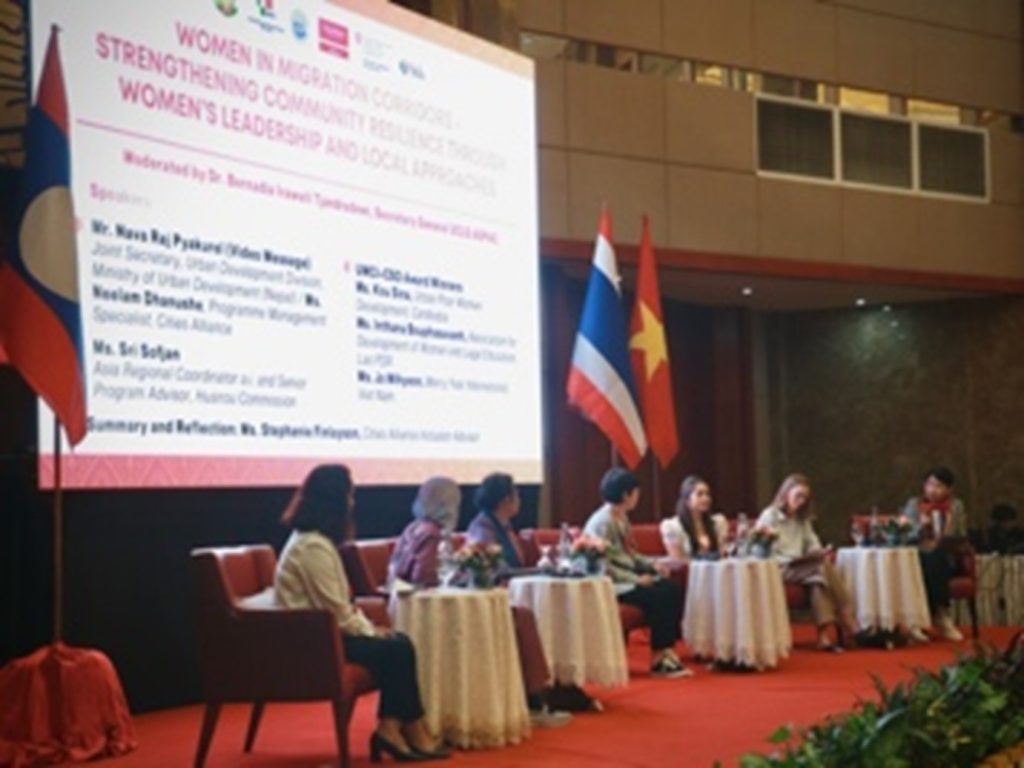
Day 2 opened with the 2025 UMCI–CSO Awards Ceremony, which celebrated the vital contributions of civil society and women-led grassroots organisations in advancing inclusive and resilient cities. This was followed by a dedicated session on Women in Migration Corridors: Leadership from the Ground Up, highlighting women’s leadership at national, local, and community levels.
- Building Community Resilience Through Nature-Based Solutions
Attention then turned to nature-based solutions as practical tools for addressing flooding, urban heat, and environmental degradation. Examples from across the Mekong region showed how integrating nature into urban planning can deliver multiple benefits, including cooler neighbourhoods, improved water management, and stronger community cohesion.
The day concluded with parallel group discussions on gender-responsive approaches and nature-based solutions, highlighting how both are crucial to creating cities that are resilient, socially cohesive, and responsive to migration dynamics.
Conclusion: Forging a Common Vision for Inclusive and Green Urban Development
The 3rd UMCI Dialogue provided an important space for cities and partners across the Mekong Corridor to reflect, learn, and align on shared priorities. Through open exchange and collective reflection, the Dialogue underscored the central role of community engagement and the integration of nature-based solutions into urban planning in shaping inclusive and resilient urban development grounded in local realities. As Mekong cities continue to navigate rapid urban transformation and migration pressures, the insights and partnerships emerging from the Dialogue will guide local action and strengthen regional cooperation in the lead-up to the 4th UMCI Dialogue in 2026, scheduled to be held in Vietnam.