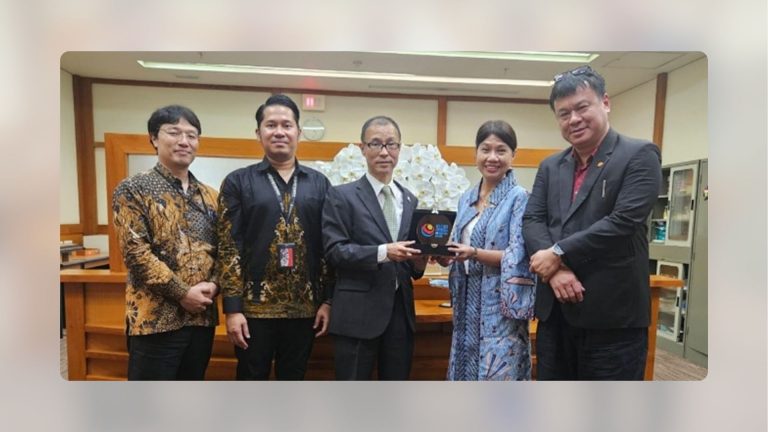





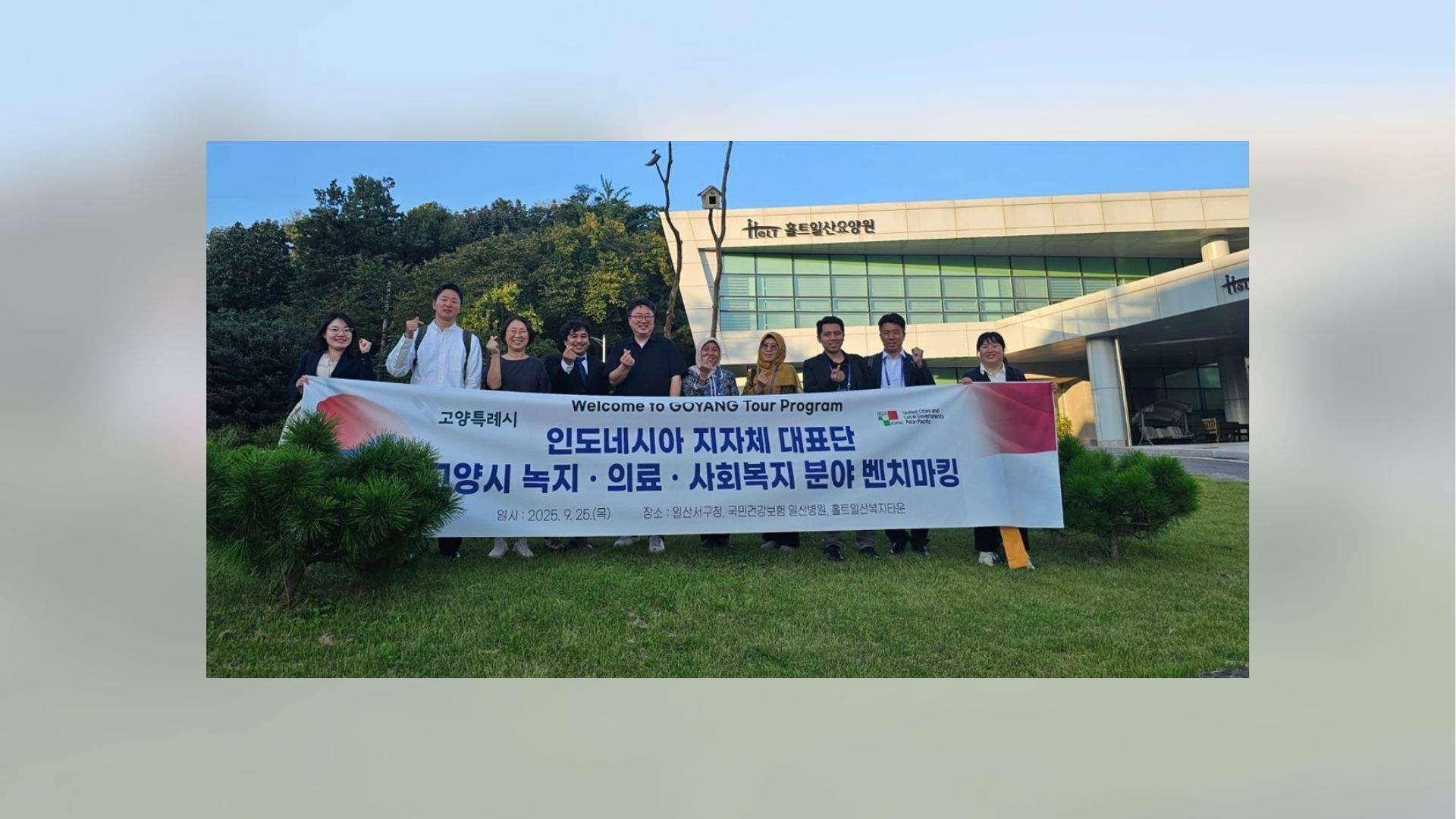
September 25-26, 2025 | Goyang and Seoul – UCLG ASPAC organised a two-day study visit for local governments in Indonesia, its host country, to support the improvement of their public service delivery. This study visit brought representatives of East Java Province and Malang Regency to Goyang Special City and Seoul Metropolitan Government to observe, consult, and learn firsthand how both cities are creating green, smart, and inclusive urban environments. Over two days, the delegation explored how technology, innovation, and strong community engagement shape South Korea’s approach to sustainable regional development and management. This support is part of UCLG ASPAC’s collaborative programme with the Indonesian Ministry of Home Affairs to continuously build the capacity of local governments in Indonesia to attain (at least) the Minimum Standards for Public Services Delivery or Standar Pelayanan Minimum (SPM). This study visit builds closer connections and creates a stronger pathway for Indonesian cities and local governments to engage in further learning sessions.
Goyang: Where Innovation Enhances Public Service Quality
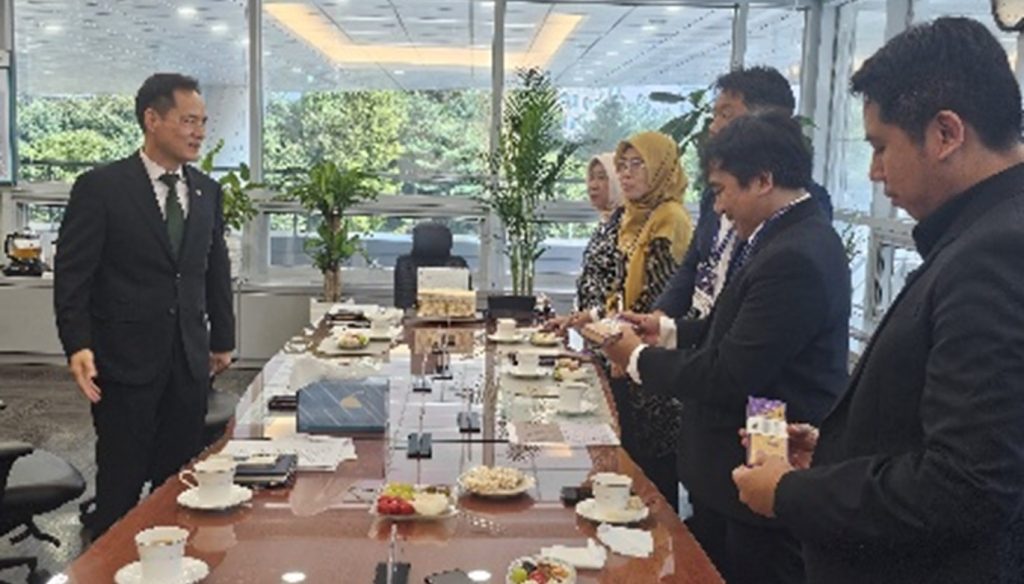
In Goyang Special City, participants were warmly welcomed at the Ilsan-seo District Office by District Mayor Mr. Shin Young-ho. There, they learned about the Building Energy Management System, a smart technology that monitors and controls lighting and energy use to reduce emissions and operational costs. Through the study visit, participants were able to closely observe and consult on how Goyang implements its sustainability commitment through green architecture, featuring natural ventilation and tree-lined surroundings. The experience provided valuable insights for Indonesian local governments seeking to develop eco-friendly public buildings.
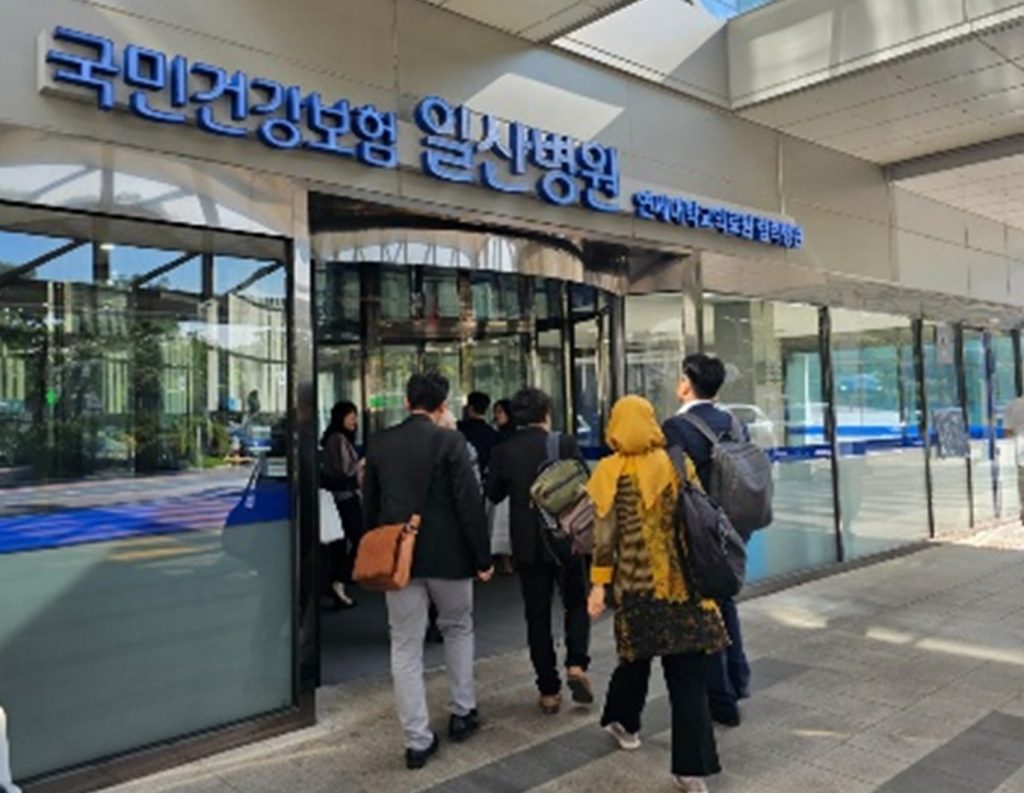
The delegation also visited the National Health Insurance Service (NHIS) Ilsan Hospital, where they gained insights into how a model public hospital integrates medical services, research, and national health insurance management. They also observed the use of autonomous service robots to deliver medicine, laboratory samples, and patient meals, an efficiency-driven innovation that remains highly relevant in the post-pandemic era.
At Holt Ilsan Welfare Town, the group learned about Goyang’s long-standing efforts to provide inclusive care and empowerment for people with disabilities. Established in 1959, the welfare town offers residential facilities, rehabilitation programmes, and vocational training supported by partnerships between local government and non-profit organisations. Delegates applauded the model as a strong example of how social welfare can be integrated into local development.
Seoul: A Smart and Sustainable Metropolis
In Seoul, participants learned how the city manages innovation and sustainability hand in hand. The first example was the Digital Companion Plaza, managed by the Seoul Digital Foundation, which helps senior citizens and digitally vulnerable groups improve their digital literacy. Through hands-on learning and smart technology demonstrations, participants saw how Seoul ensures inclusivity in its smart city transformation.
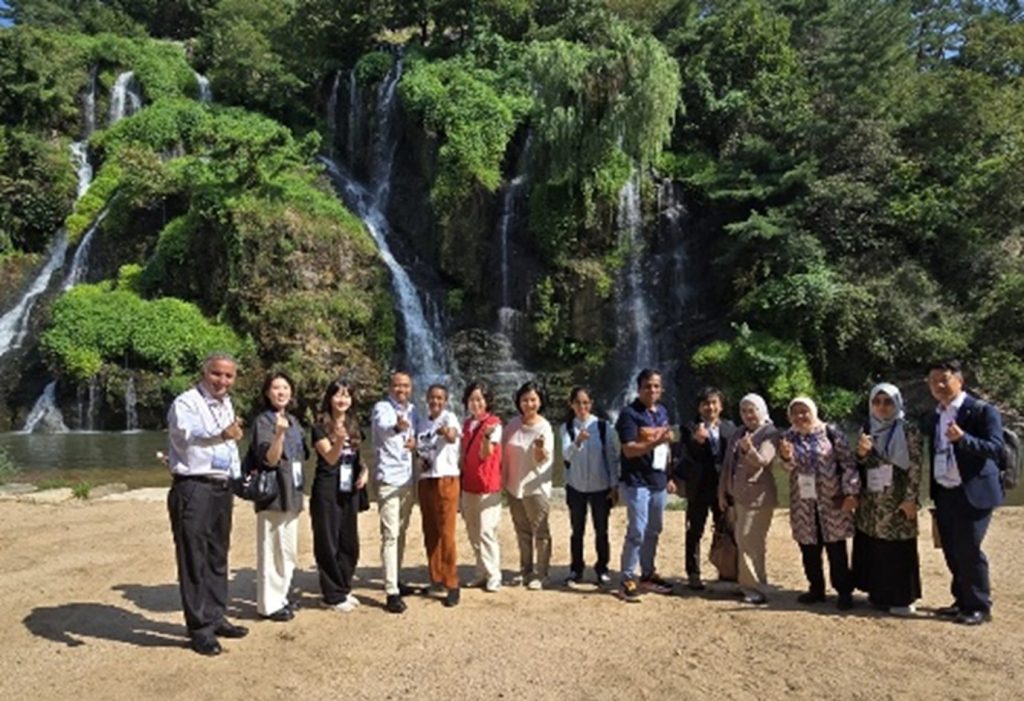
Next, the group explored the Hongjecheon Waterfall Terrace, a site that was once neglected but has since been restored and now serves as a community green space. The area has been revitalised with rain gardens, walking trails, and eco-friendly infrastructure that supports water conservation and flood control. The delegation noted how local people actively participate in maintaining the space, reflecting Seoul’s strong culture of community involvement.
Participants were also able to learn how Seoul transformed a massive landfill into a beautiful ecological park with vast grasslands, native plants, and wind-powered lighting by visiting World Cup Park (Sky Park), part of the Mapo environmental restoration project. Today, Sky Park stands as a symbol of Seoul’s journey from waste to sustainability, a transformation that inspired participants to consider similar nature-based regeneration projects in Indonesian cities.
Reflections and Next Steps
The two-day learning experience highlighted how strong leadership, innovation, and citizen participation can transform urban challenges into opportunities for sustainability. Participants gained practical insights on green buildings, digital inclusion, public health innovation, and environmental regeneration—all directly relevant to Indonesia’s local governance context.
For Indonesian local governments, the site visit provided not only inspiration but also practical examples of how to translate innovation into better public service delivery. South Korea’s best practices demonstrated how digital solutions, smart infrastructure, and community participation can help ensure that essential services—from health and environment to social welfare—are delivered more efficiently, inclusively, and sustainably.
Moving forward, UCLG ASPAC, in close collaboration with Indonesia’s Ministry of Home Affairs (MOHA), will continue to support local governments in enhancing their capacity to meet SPM through learning exchanges, technical assistance, and peer-to-peer cooperation. Lessons and good practices from Goyang and Seoul will be integrated into UCLG ASPAC’s flagship SDGs localisation and city-to-city cooperation programmes, aiming to enable Indonesian local governments to apply innovative, people-centred approaches in their own contexts. The visit reaffirmed that through strong partnerships, innovation, and leadership, local governments can deliver better services and a higher quality of life for their citizens.