




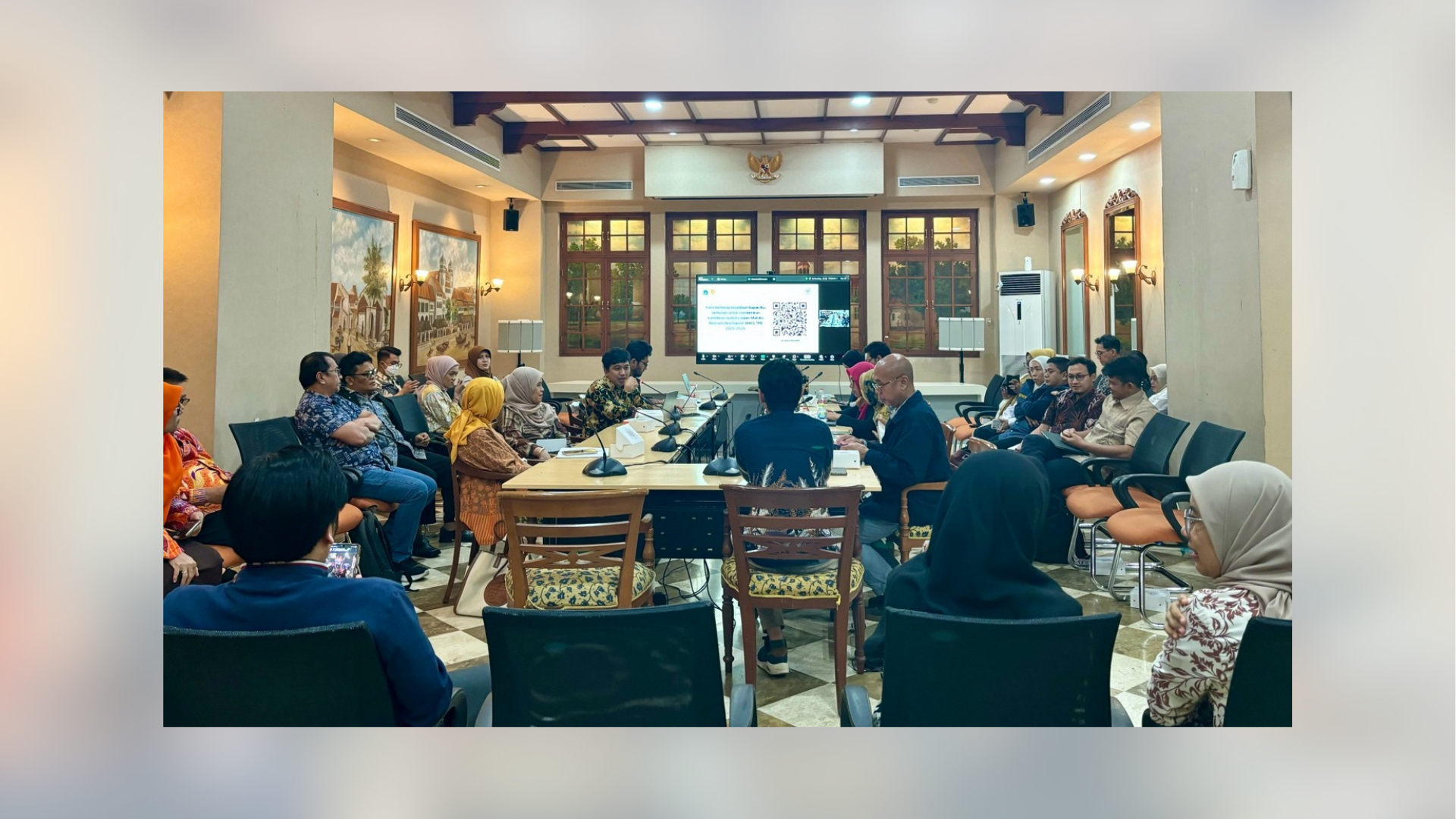
August 28, 2025 | UCLG ASPAC host city, Jakarta, sets an example of what it takes for a city to grow into a global capital. At the recent Coordination Meeting of Non-State Actors (NSA), initiated by the local government of Jakarta, for the evaluation of the SDGs and the drafting of Jakarta’s 2025–2029 SDGs Local Action Plan (Rencana Aksi Daerah Tujuan Pembangunan Berkelanjutan – RAD TPB), the answer includes collaboration across sectors, meaningful public participation, and evidence-based policies.
The meeting gathered diverse voices, from community representatives and youth networks to academia and international partners, underlining the spirit of co-creation. Jakarta, home to the Secretariat of UCLG ASPAC, holds a strategic position in linking local priorities with global agendas. This connection ensures that Jakarta’s progress resonates not only within Indonesia but also with broader regional and international commitments such as the SDGs, Paris Agreement, and New Urban Agenda.
During the discussions, UCLG ASPAC emphasised the importance of embedding essential public services into Jakarta’s action plan, while strengthening transparency and collaboration with non-state actors. Recommendations included reviving the Jakarta Development Collaboration Network (JDCN) as a hub for joint initiatives, expanding citizen feedback platforms such as JAKI Crew, and formalising participatory regulations that mandate public involvement in policymaking. JAKI is a super-app/integrated public service platform launched by Jakarta Smart City (a public agency of DKI Jakarta) in September 2019.
Other contributors echoed the call for stronger foundations. Academics highlighted the urgency of an integrated data hub to ensure accurate, real-time policy design. Teachers’ associations raised concerns about fair remuneration and literacy support. Youth groups demanded institutionalised programmes to transform enthusiasm into sustained contributions. These perspectives underscored the shared ambition for Jakarta to lead by example in inclusive governance.
Closing the meeting, Jakarta’s leadership reaffirmed that every aspiration voiced will be considered in shaping the RAD TPB. This commitment reflects the city’s determination to transform beyond being an economic magnet into a truly inclusive and globally competitive capital.
As a member of UCLG ASPAC, Jakarta’s journey illustrates how local governments in Asia-Pacific can align city strategies with global commitments, while ensuring that progress is rooted in collaboration, data, and the power of its people.