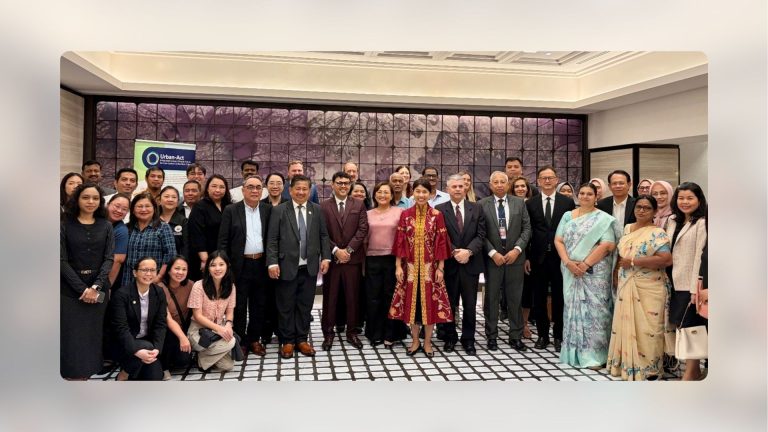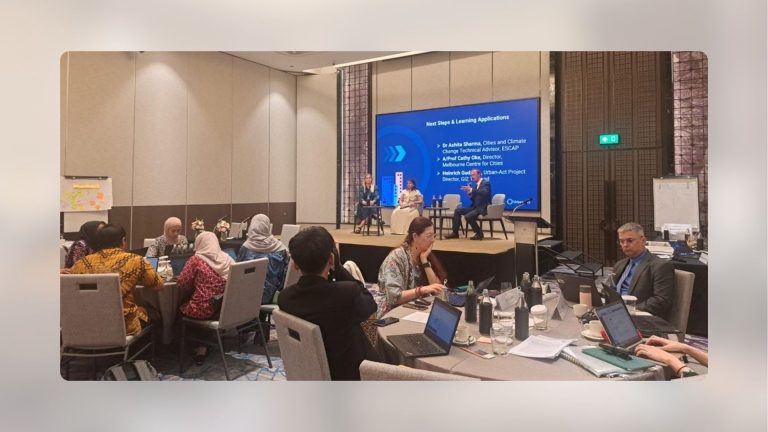




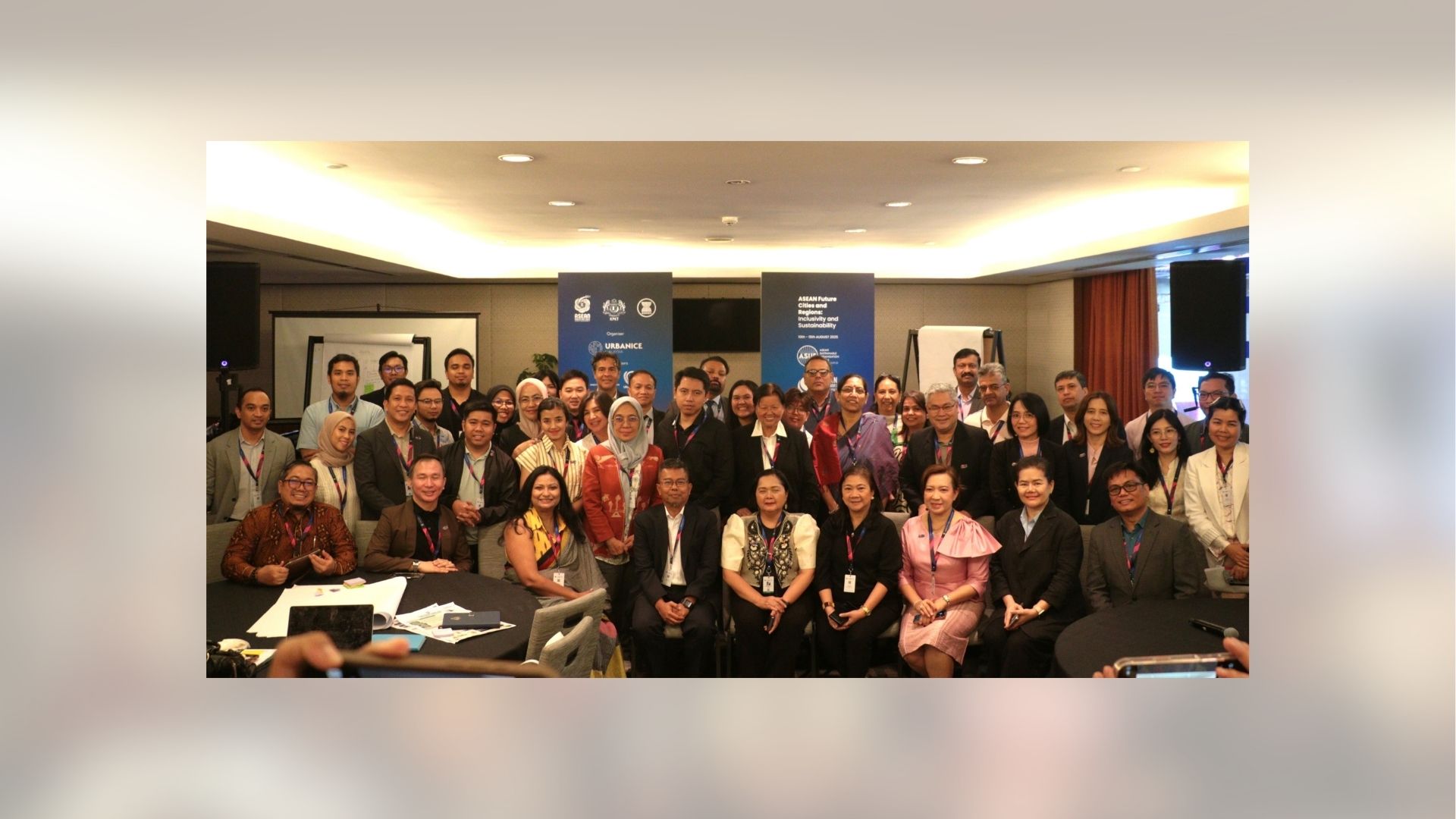
August 12–14, 2025 | Kuala Lumpur – UCLG ASPAC, under the initiative of Urban-Act Project in collaboration with Deutsche Gesellschaft für Internationale Zusammenarbeit GmbH/GIZ, and the United Nations Economic and Social Commission for Asia and the Pacific (ESCAP), co-organised a three-day Learning and Pairing Session on Waste Management in Kuala Lumpur, Malaysia, held alongside the ASEAN Governors and Mayors Forum (AGMF) 2025. The session successfully engaged more than 80 participants from 20 cities, bringing together Urban-Act pilot and knowledge cities from different countries to strengthen regional collaboration and explore concrete strategies for improving solid waste management at the local level.
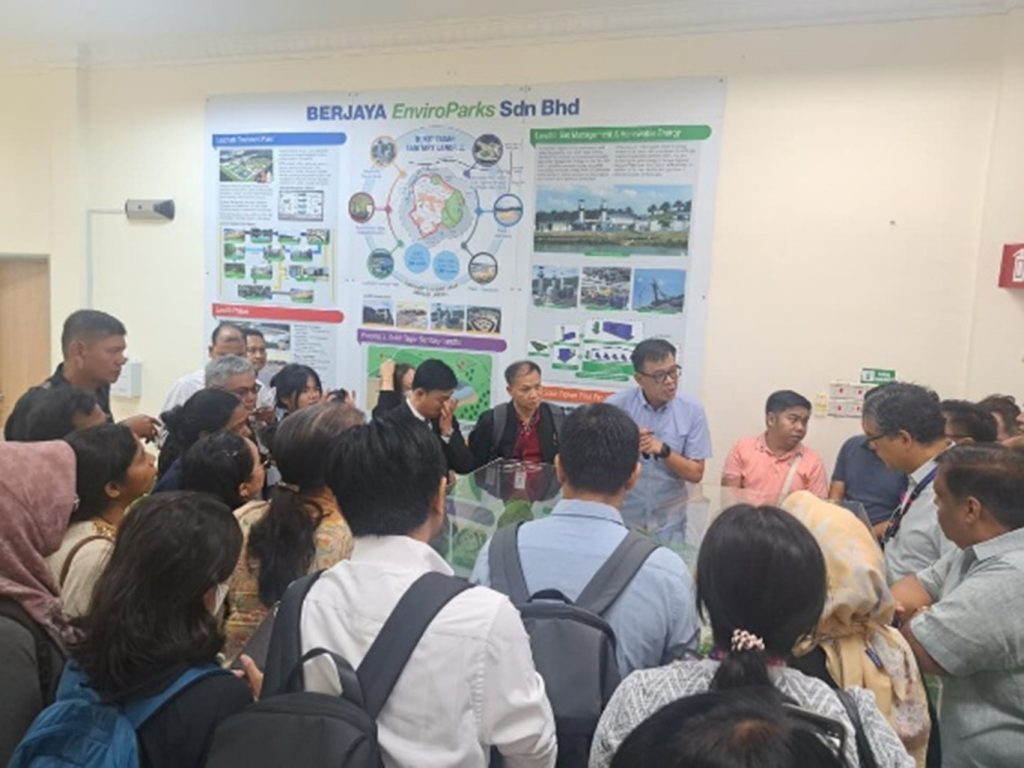
The learning and pairing session focused on waste management as one of the identified capstone project ideas from Urban-Act pilot cities. With rising populations and living standards driving higher levels of waste generation worldwide, participants emphasised the urgency of scaling local innovations that contribute to climate goals and inclusive urban development. The event featured a field visit to Bukit Tagar Enviro Park (BTEP), a sustainable waste management facility sitting on 659 acres sized land. BTEP is surrounded by 1,000 acres of permanent buffer zone, has exported more than 400 million kWh of green electricity into the grid, and has been recognised as the largest Waste-to-Energy (WTE) producer in Malaysia under the solid waste category. There were also panel discussions, poster and field-based presentations, and interactive roundtables to promote peer learning and actionable cooperation among cities.
UCLG ASPAC Secretary General, Dr. Bernadia Irawati Tjandradewi, in her opening remark, highlighted how waste management is one of the most fundamental services of local government, deeply connected to resilience, economic cycles, and community wellbeing. She also underlined its global relevance, noting UCLG’s role in the coalition of local governments advocating for a global treaty on plastic waste. Echoing this spirit, Mr. Sebastian Markart, Country Team Leader of Urban-Act GIZ India, encouraged cities to actively share their knowledge and learn from each other, while Ms. Sarah Hoeflich, Assistant Secretary General of UCLG, highlighted through a video message how Urban-Act provides a strong platform for building networks and exchanging practical experiences.
During the panel discussion on City-to-City Cooperation, speakers from the European Commission Territorial Approach to Local Development TALD Facility GIZ EU, Urbanice of Malaysian Ministry of Housing and Local Government, the National Institute of Urban Affairs (NIUA) India, and Indonesia’s Ministry of Home Affairs discussed the role of national government in facilitating the decentralised cooperation and city-to-city cooperation; in Malaysia, international organisations also support cities directly, sometimes outside federal oversight (e.g., Malacca receiving technical help from donors agency in solid waste management); in India, the lesson how national government promotes digital data integration (National Urban Digital, Urban Learning Platform with 200+ good practices); in Indonesia, the role of national government is more to city matchmaking and partnerships rather than direct financial transfers.
Decentralised cooperation experiences were shared by:
- Mayor of Gaziantep Metropolitan Municipality, Türkiye: City-to-city cooperation should find common interests (e.g., culture, economy) to solve shared problems. She emphasised a triple partnership between the national government, local authorities, and civil society. Local governments must balance humanitarian needs, sustainability (40% GHG reduction target), and culture.
- The Former Mayor of Alaminos, the Philippines: Partnering with nearby cities for waste processing, Community initiative: “One Bottle Solution” (plastic waste stuffed into bottles → eco-bricks), and waste segregation at source.
- Mayor of Lucknow Municipal Corporation, India: A city with over five million population with strong progress in waste management, improving national cleanliness ranking from 42nd to 3rd, partnership with the private sector is one of the key successes, and emphasising the role of state government support in financing.
A total of 12 cities presented their experiences through two rounds of case sharing moderated by Dr. Phanith Chou, Associate Professor at the Royal University of Phnom Penh.
- The first round: the Mayor of Penang Island City Council, Malaysia; Municipal Corporation Indore, India; Regent Mayor of Malang, Indonesia; Municipal Corporation of Lucknow, India; Mayor of Padang, Indonesia; and the President of Kluang Municipal Council, Malaysia.
- The second round: the Baguio City, Philippines; Smart City Development of Phitsanulok, Thailand; Deputy Chief Executive Officer of SWCorp, Malaysia; Mayor of Kota Bharu, Malaysia; Deputy Municipal Commissioner of Municipal Corporation Surat, India; and the Mayor of Jambi, Indonesia.
Key highlights from best practices:
- Baguio City: Black Soldier Fly (BSF) Pilot Programme larvae to process up to 300 kg/day of food waste into fertiliser and animal feed. Reduces transport costs by processing waste locally, it generates income (tipping fees, sale of larvae and fertilisers).
- Indore City: Integrated Solid Waste Management, 100% source segregation (six-bin system), Digital monitoring of door-to-door collection, waste-to-energy, Bio-CNG plants, composting, and 3R initiatives, zero landfill city, AI/IoT integration, phasing out single-use plastics, improved air quality (Air Quality Index <50), and India’s #1 cleanest city.
- Penang: Waste Transfer Station (PIWTS), a BOT project with the private sector. It processes 800–900 tons/day using vertical compaction. Recycling rate: 43.7% (target 66% by 2027 with construction and demolition waste processing).
- Phitsanulok: Community-based waste separation (organic, recyclables, hazardous), eco-composting bins for households, daily waste reduced by 31% (140→96 tons/day), community income via waste banks, and CO₂e emissions avoided: 1,228 t/year.
Further, the roundtable discussions were led by Dr. Saswat Bandhyopadhyay from CEPT University, Ahmedabad. He set the scene for waste management project development, urging cities with similar contexts to connect, share experiences, and explore how waste can generate new value. He emphasised that many regional examples of effective waste management could inspire others.
The roundtables allowed learner cities, including Medan, Padang, Shimla, Hat Yai, Bacolod, and Tagbilaran, to present project ideas and receive feedback from knowledge cities. Discussions covered technical aspects of waste management planning, financing schemes, partnership design, and project readiness, while also identifying opportunities for joint technical assistance, pilot replication, and policy recommendations. As Eugene Zapta from GIZ EU noted, “City-to-city cooperation can be very concrete and technical, but cities gain direct access to valuable knowledge from each other that fosters cooperation and impact.”
City leaders and representatives shared their aspirations and challenges. Mayor Fadly Amran of Padang, Indonesia, explained that the city’s vision of becoming a gastronomy hub requires a strong commitment to waste management to maintain its cleanliness and attractiveness. Ms. Mary Jean L Ramos from Bacolod, the Philippines, highlighted the city’s plans to improve its landfill to reduce greenhouse gas and carbon emissions, inspired by Malaysia’s landfill facilities they visited during the site visit facilitated by Urban-Act. Representing the knowledge cities, Mr. Datuk Rajendran Anthony, Mayor of Penang Island City Council, Malaysia, emphasised and reminded cities to really understand their waste profile and resources to be able to formulate the right solution. In addition, Mr. Ashwin Shukla from Municipal Corporation Indore, India, highlighted the role of supportive citizens as the biggest driver of Indore’s success in being recognised as India’s cleanest city for eight consecutive years.
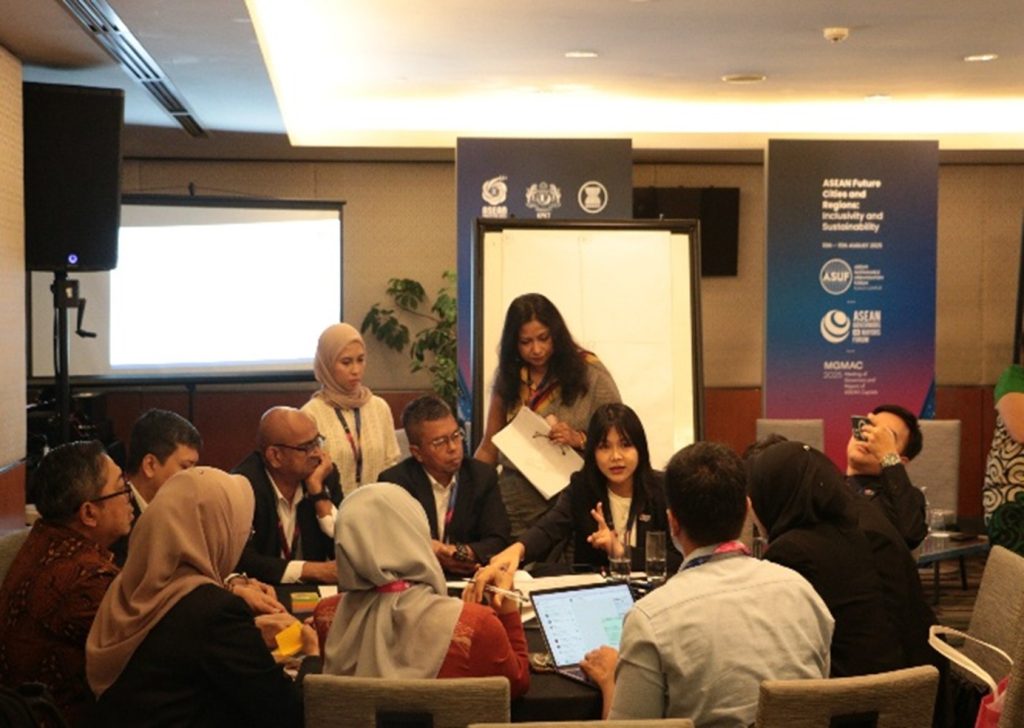
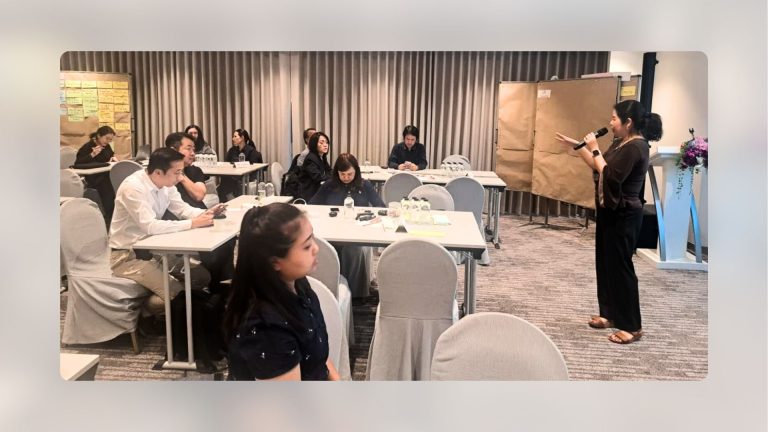
The pairing group work discussion focused on identifying issues, designing joint activities for six months, financing mechanisms, technical cooperation, and policy recommendations. The Learning and Pairing Session concluded with participating cities designing pairing cooperation initiatives, mapping out opportunities for joint activities, financing, technical collaboration, and future agreements. Its three key outcomes – strengthened city-to-city learning; documented lessons for a forthcoming learning note; and actionable ideas for cooperation – demonstrated the value of bringing local leaders and practitioners into dialogue. By connecting their experiences, the Urban-Act project continues to foster a regional learning network that transforms development challenges into opportunities for more resilient and sustainable cities.