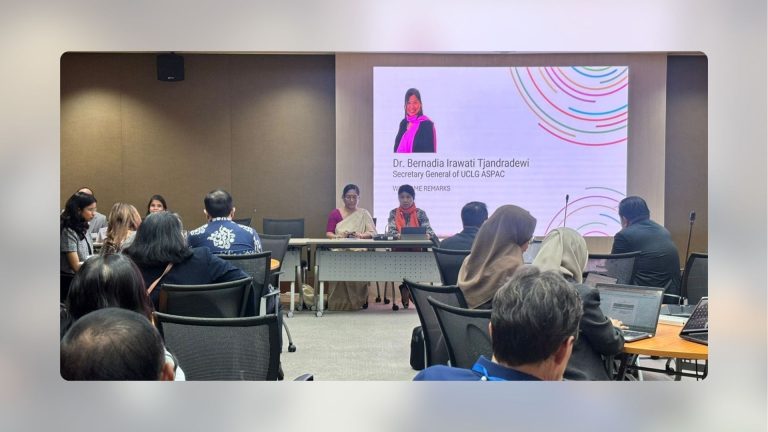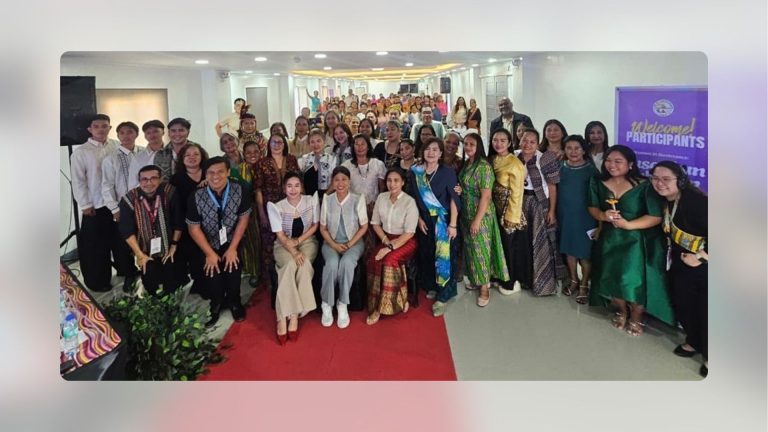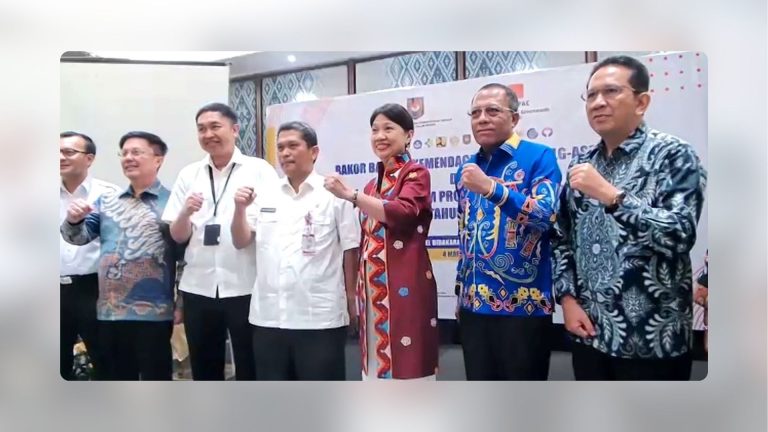





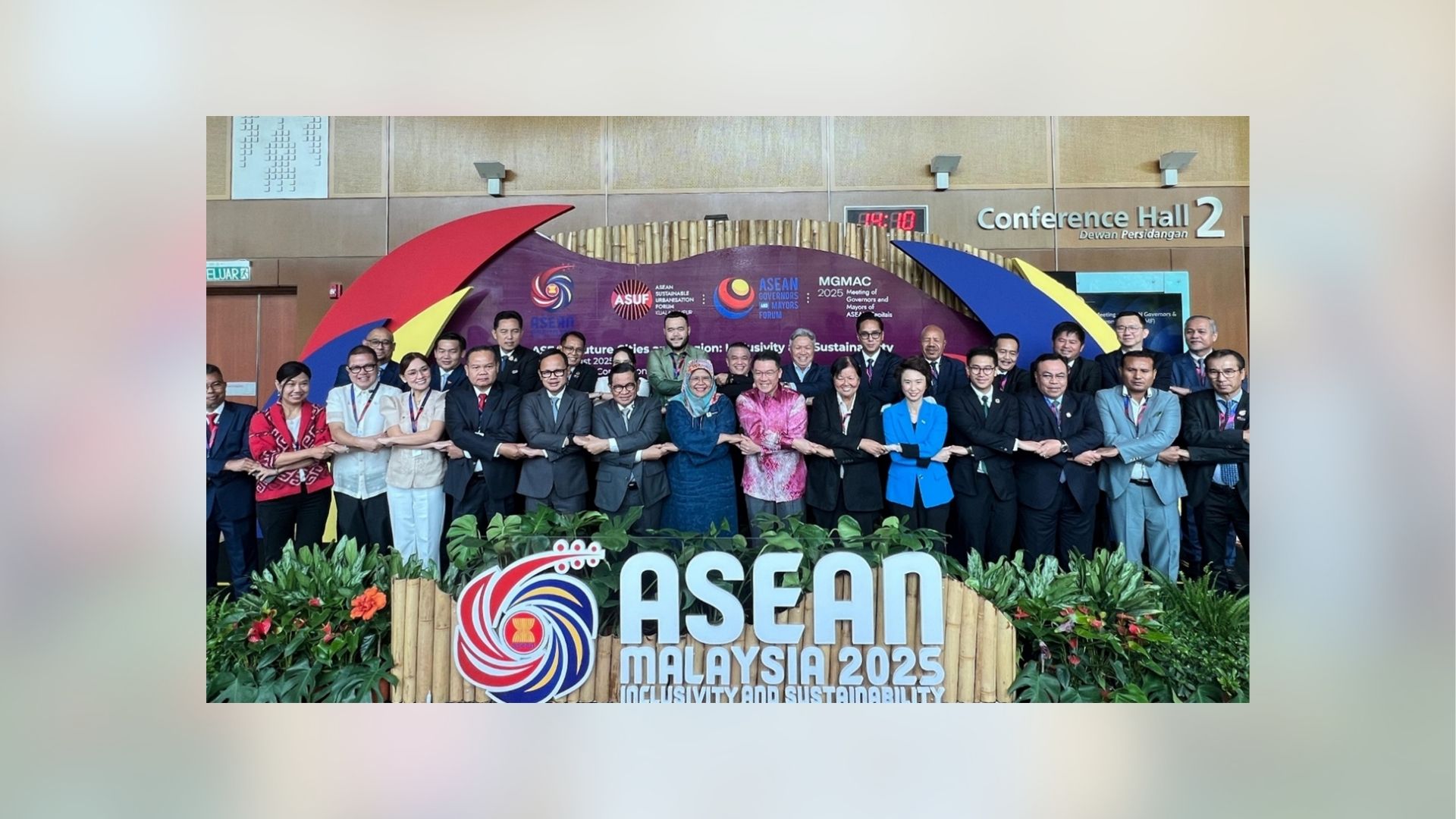
August 12-14, 2025 I Kuala Lumpur – UCLG ASPAC as the Secretariat of the ASEAN Governors and Mayors Forum (AGMF), successfully convened city/local government leaders in the largest gathering of AGMF 2025, from August 10 to 15, 2025 at the Kuala Lumpur Convention Centre, taking the theme “ASEAN Future Cities and Regions: Inclusivity and Sustainability.” Organised alongside the ASEAN Sustainable Urbanisation Forum (ASUF) and the Meeting of Governors and Mayors of ASEAN Capitals (MGMAC), the Forum reaffirmed the importance of local governments as critical partners in advancing ASEAN’s sustainable development agenda and realising the ASEAN Community Vision 2045 . The AGMF, ASUF, and MGMAC were jointly hosted by the Ministry of Housing and Local Government of Malaysia, Kuala Lumpur City Government and Urbanice.
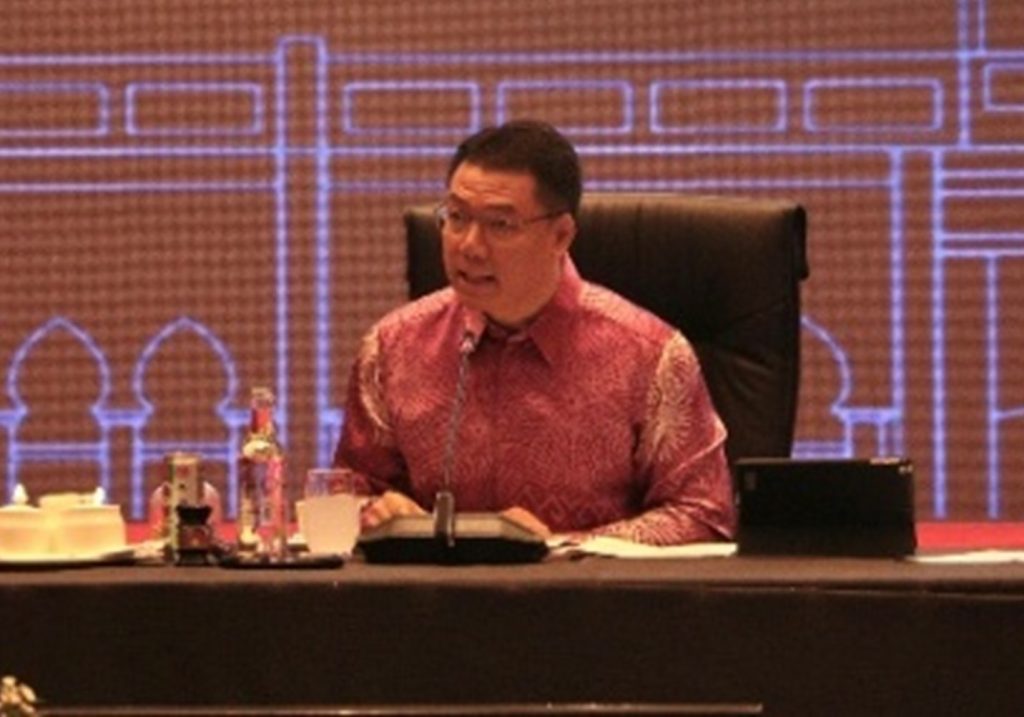
The meeting was officially opened by YB Nga Kor Ming, Minister of Housing and Local Government of Malaysia. He called for policies that balance growth with sustainability, emphasising investments in affordable housing, low-carbon public transport, and smart waste management.
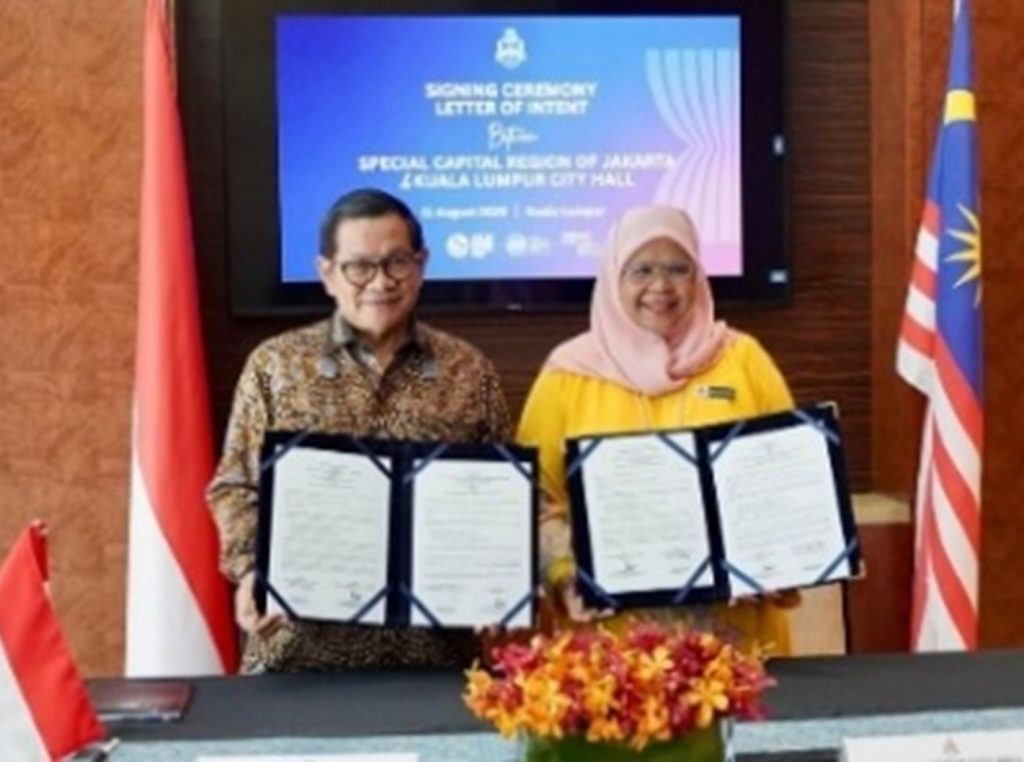
Governor Pramono Anung of Jakarta emphasised the importance of translating shared regional goals into tangible, sustainable actions through technology and data-driven governance. Mayor Dato’ Seri Maimunah Mohd Sharif of Kuala Lumpur, Chairperson of AGMF 2025, also expressed her appreciation for the enthusiasm and active involvement of cities’ representatives in this event. She also announced the establishment of the MGMAC Secretariat Office in Jakarta City Hall and highlighted priorities for climate action, affordable housing, and collective efforts toward zero waste.
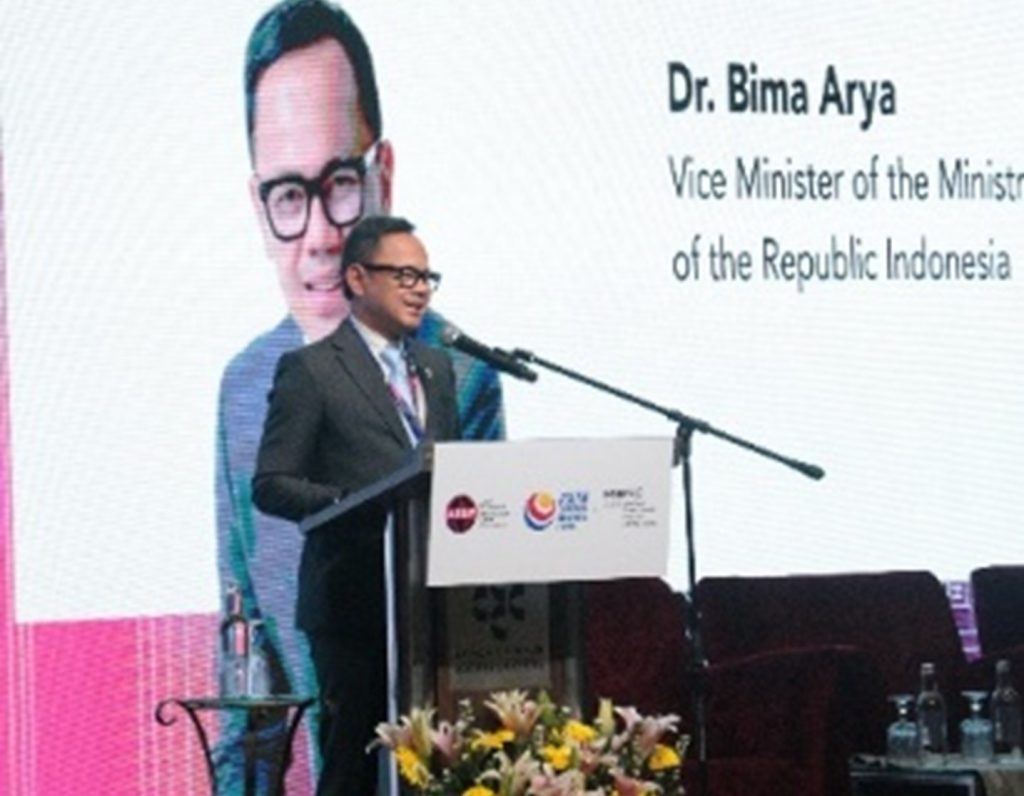
Dr. Bima Arya, Vice Minister of Home Affairs of Indonesia, elaborated on how AGMF contributed to the long-term vision of ASEAN 2045 as a prosperous, digitally driven, and environmentally sustainable region.
Insights from Cities
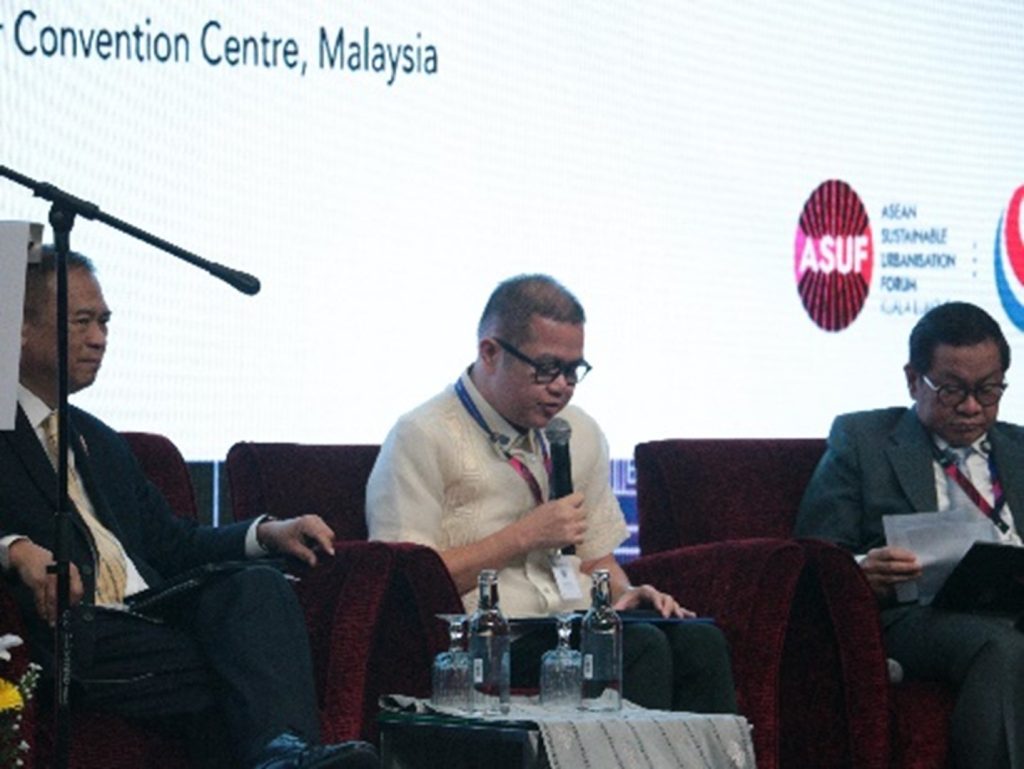
AGMF 2025 demonstrated that cities and local governments are both laboratories of innovation and front-liners in addressing pressing challenges, from climate impacts to rapid digital transformation. Singapore presented its net-zero emissions strategy and regional cooperation on renewable energy. Pakse, Lao PDR, shared experiences on flood management and the need for financial and technical support. Nong Khai, Thailand, outlined its vision of becoming a sustainable border province through smart city projects and green economy initiatives. Kuching North presented its integrated circular economy model and renewable energy cooperation, while Banda Aceh detailed its digital transformation framework. Other cities, including Padang, Ha Noi, Baguio, Medan, and Palu, shared local strategies on waste management, smart governance, and climate resilience.
Kuala Lumpur Sustainable Declaration on Localising ASEAN Community Vision 2045
The AGMF 2025 strengthened the commitment of local governments in Southeast Asia to actively localise the ASEAN Community Vision 2045 through the Kuala Lumpur Sustainable Declaration. The Declaration positions local governments not only as implementers but also as co-creators of ASEAN’s collective future by putting pillars of ASEAN Community Vision 2045—political-security, economic, socio-cultural and connectivity —as a foundation for creating concrete actions at the subnational level. The Positioning Paper on Localising the ACV 2045 was also presented.
Decisions and Institutional Developments
Members of the Forum addressed several institutional developments that will shape the trajectory of AGMF in the years to come. It was agreed that the Philippines, under 2026 ASEAN Chairmanship, will host AGMF 2026 in Manila, ensuring continuity of dialogue and action while strengthening the institutional presence of AGMF across the region. There was also the unanimous appointment of Dato’ Seri Maimunah Mohd Sharif, Mayor of Kuala Lumpur, as the Special Envoy on ASEAN Cities and Local Governments. In this newly created role, Mayor Maimunah will serve as a high-level advocate and representative of local governments in Southeast Asia in both regional and international arenas. Her mandate includes championing the integration of local perspectives into ASEAN policies and promoting multistakeholder partnerships to strengthen city-to-city collaboration. These institutional decisions lay the groundwork for stronger regional-local linkages and for positioning Southeast Asian cities at the forefront of sustainable, inclusive, and resilient development.
Closing and Way Forward
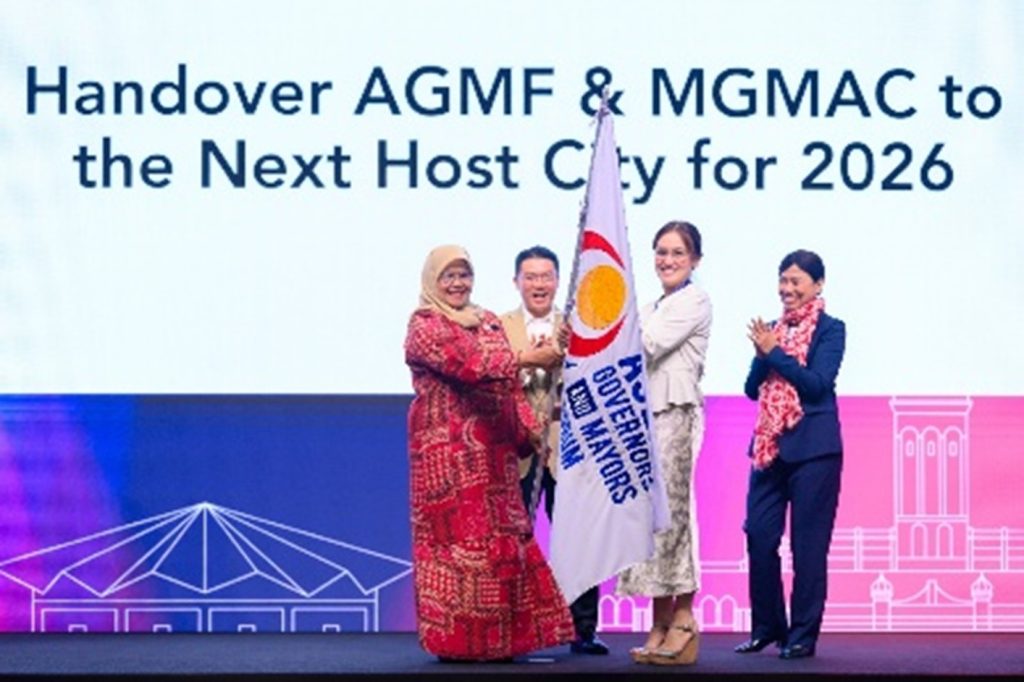
The Forum concluded with the symbolic handover of the AGMF Chairmanship from Kuala Lumpur to Manila, with the Philippines confirmed as the host of AGMF 2026 under its ASEAN Chairmanship. The Vice Mayor of Manila, Ms. Angela Lei Atienza Valdepenas, Vice Mayor of Manila City, warmly welcomed delegates to gather again the following year, reaffirming Manila’s commitment to build on the momentum achieved in Kuala Lumpur.
The AGMF 2025 concluded with a strong sense of shared purpose: that the future of a stronger ASEAN Community Building depends on its cities and regions, and that inclusivity and sustainability must guide local action as the region works collectively toward ASEAN Vision 2045.