




UCLG ASPAC, as an implementing partner of the United Nations Economic and Social Commission for Asia and the Pacific (ESCAP) under the Climate Action for a Resilient Asia (CARA) programme, supported by the United Kingdom’s Foreign, Commonwealth and Development Office (UK FCDO), provided technical assistance to strengthen urban heat resilience in Iloilo City, the Philippines, and Cox’s Bazar, Bangladesh.
Over the past two months, UCLG ASPAC facilitated multi-stakeholder workshops in Iloilo City and Cox’s Bazar to review and validate the findings of their respective local heat-risk assessments and further develop their heat action plans. The workshops also helped identify practical and actionable areas for intervention, with each city prioritising issues and approaches that reflect its unique physical, social, and institutional context.
From Planning to Collective Action
The co-design processes held in Iloilo City on 24–25 June 2026 and Cox’s Bazar on 22–23 July 2026 brought together local government offices across different levels, national government agencies, community representatives, civil society organisations, technical institutions, and development partners. The diverse participation helped foster a shared understanding of urban heat risks and lay the groundwork for coordinated, locally informed action.
In Iloilo City, residents have experienced heat index levels of up to 47°C, heightening concerns about the impacts of extreme heat. The city has already introduced a range of measures, including heat-index advisories and class-suspension thresholds, heat-safety protocols, temperature-regulated facilities, automated weather stations, heat-vulnerability mapping, water distribution, urban greening, rainwater harvesting, cooling hubs, and public information campaigns. The Urban Heat Action Plan (UHAP) process built on these existing efforts while identifying areas where further or additional action may be needed.
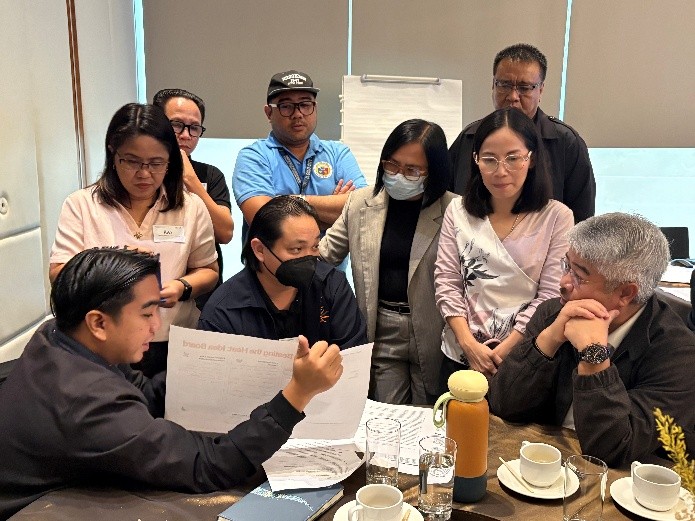
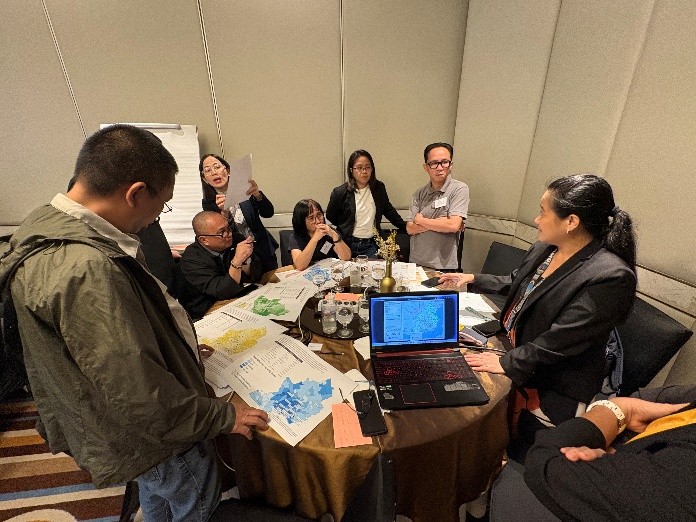
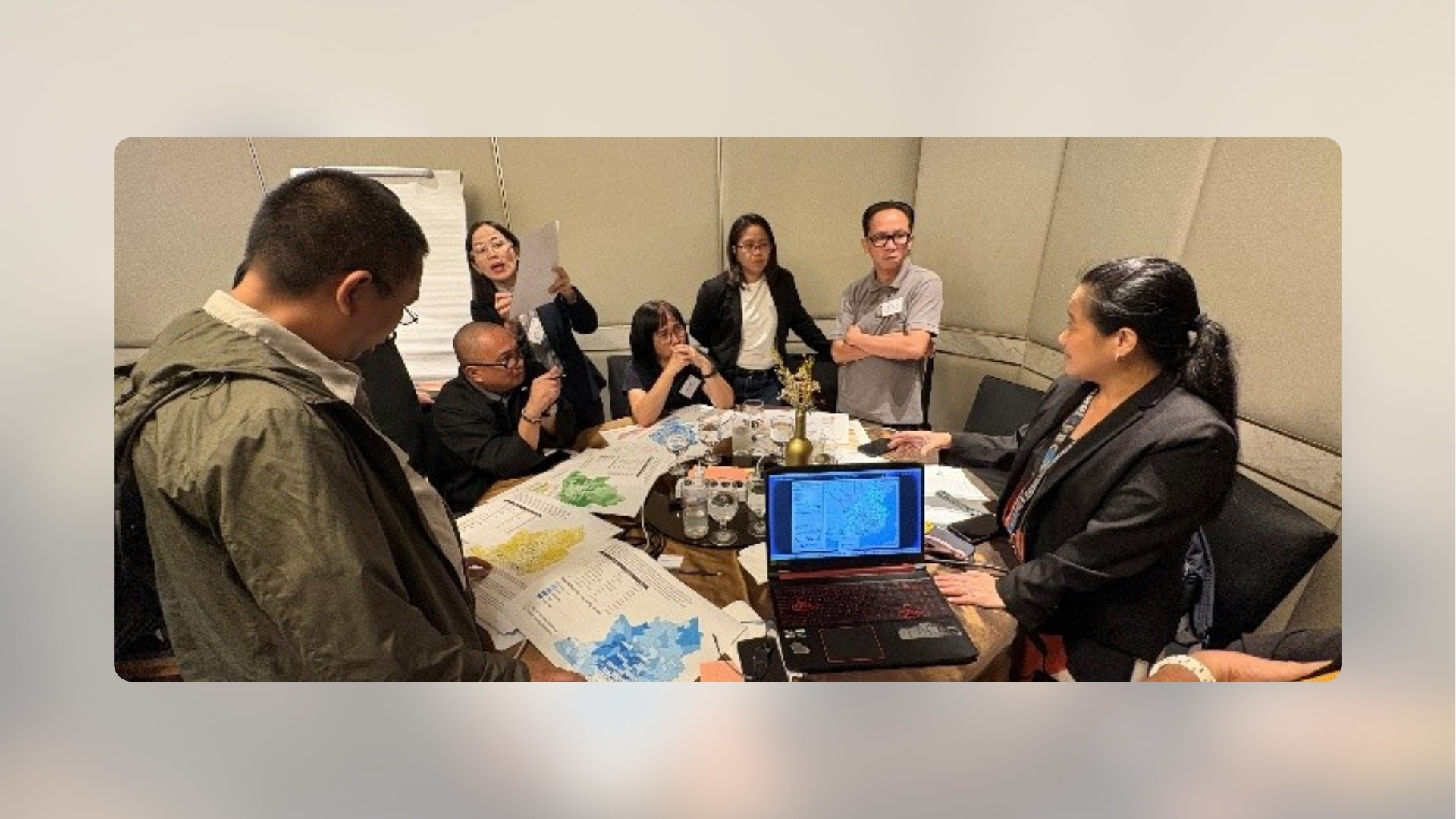
Stakeholder Discussion during the Iloilo City Urban Heat Action Planning Workshop
Source: Iloilo City Government, 2026
During the workshop, stakeholders reviewed the city’s heat-risk assessment and identified several inland and coastal areas with particularly high levels of heat exposure. The findings provided a basis for considering where further attention and resources may be needed.
Participants also identified areas where the evidence base could be strengthened, including ground-level observations, heat-related health impacts, and land-use and land-cover information. The discussion highlighted the value of combining technical assessment with local knowledge, while aligning heat-related priorities with existing city mandates and coordination mechanisms.
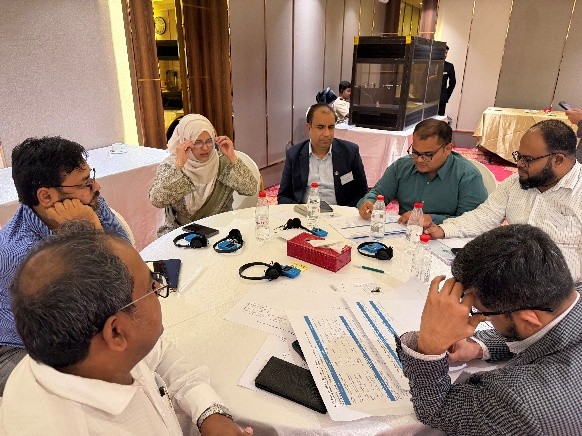
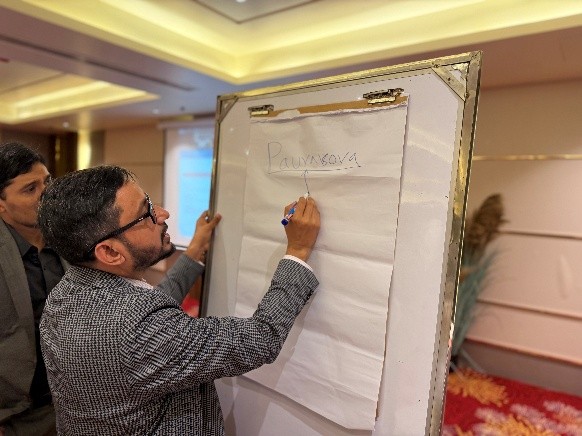
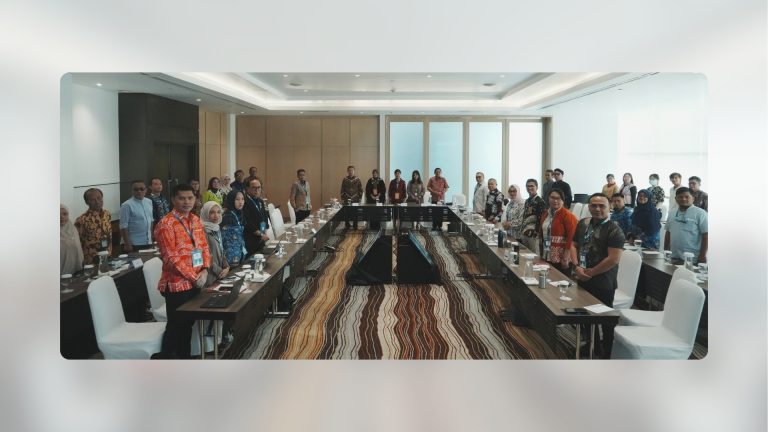
Stakeholder Discussion during the Cox’s Bazar Urban Heat Action Planning Workshop
Source: ESCAP/Hannes Lindman, 2026
In Cox’s Bazar, discussions placed greater emphasis on the capacity to anticipate, monitor, communicate, and respond to extreme heat. The city’s coastal setting and warm, humid climate can intensify physiological heat stress, particularly when high temperatures coincide with high humidity and warm nights. The city recorded a monthly maximum temperature of 40.2°C in April 2024, while very high land-surface temperatures have also been identified in some built-up areas.
These conditions have implications for people whose livelihoods involve prolonged outdoor exposure, including those working in tourism, fisheries, salt production, construction, transport, and humanitarian activities. The workshop therefore considered not only temperature levels, but also preparedness, access to information, working conditions, public facilities, and institutional capacity. Participants also discussed the role of natural cooling systems, including the coastal forest belt, sea-breeze corridors, river and canal networks, water bodies, and urban tree cover, in helping to reduce heat exposure and strengthen the city’s resilience.
Understanding Urban Heat as a Local Challenge
Extreme heat is becoming an increasingly pressing concern for cities across Asia and the Pacific. Rising temperatures, changes in land use, expanding built-up areas, and increasing exposure can affect public health, livelihoods, productivity, infrastructure, and how people use public spaces. These impacts are not experienced equally. Outdoor workers, people living or working in poorly ventilated spaces, and communities with limited access to shade, water, and cooling may face greater exposure and fewer options to protect themselves.
For local governments, responding to heat is not only about managing individual heat events. It also requires understanding where heat risks are concentrated, who is most exposed, how people experience heat in their daily lives, and what local institutions can realistically do before and during periods of extreme heat.
The Urban Heat Action Plan (UHAP) can help cities translate heat-risk information into a clear set of priorities, actions, and responsibilities. By connecting areas of heat risk with the roles of departments and local institutions across public health, urban planning, disaster preparedness, environmental management, public spaces, and community engagement, it provides a basis for coordinated action. The focus therefore shifts from simply identifying heat risks to determining what can be done, who needs to be involved, and how responses can be integrated into the systems and mechanisms that cities already have in place.
From Plans to Pilot Action
In Iloilo City, the next phase will focus on urban pocket gardens as a place-based cooling intervention. Building on the city’s interest in urban greening, the pilot responds to the need for more accessible green spaces that can provide shade, improve thermal comfort, and contribute to more climate-responsive public spaces. It will also explore how nature-based measures can be applied at the local level to address identified heat risks.
In Cox’s Bazar, the focus will instead be on strengthening local heat preparedness and early action, responding to the need for improved monitoring of heat conditions, timely access to heat-related information, and places where people can seek relief during periods of extreme heat.
Each pilot responds to the needs identified in its respective city, while implementation will provide an opportunity to assess how these measures work in practice, what resources and local arrangements they require, and what is needed to sustain and potentially scale them over time.
As heat becomes an increasingly pressing urban concern across Asia and the Pacific, the experiences of these two cities highlight the importance of starting with the realities of each place. Effective heat action depends on understanding local risks, listening to the people who experience them, working across institutional boundaries, and translating this understanding into practical measures that cities can implement, sustain, and build upon over time.