

The Background
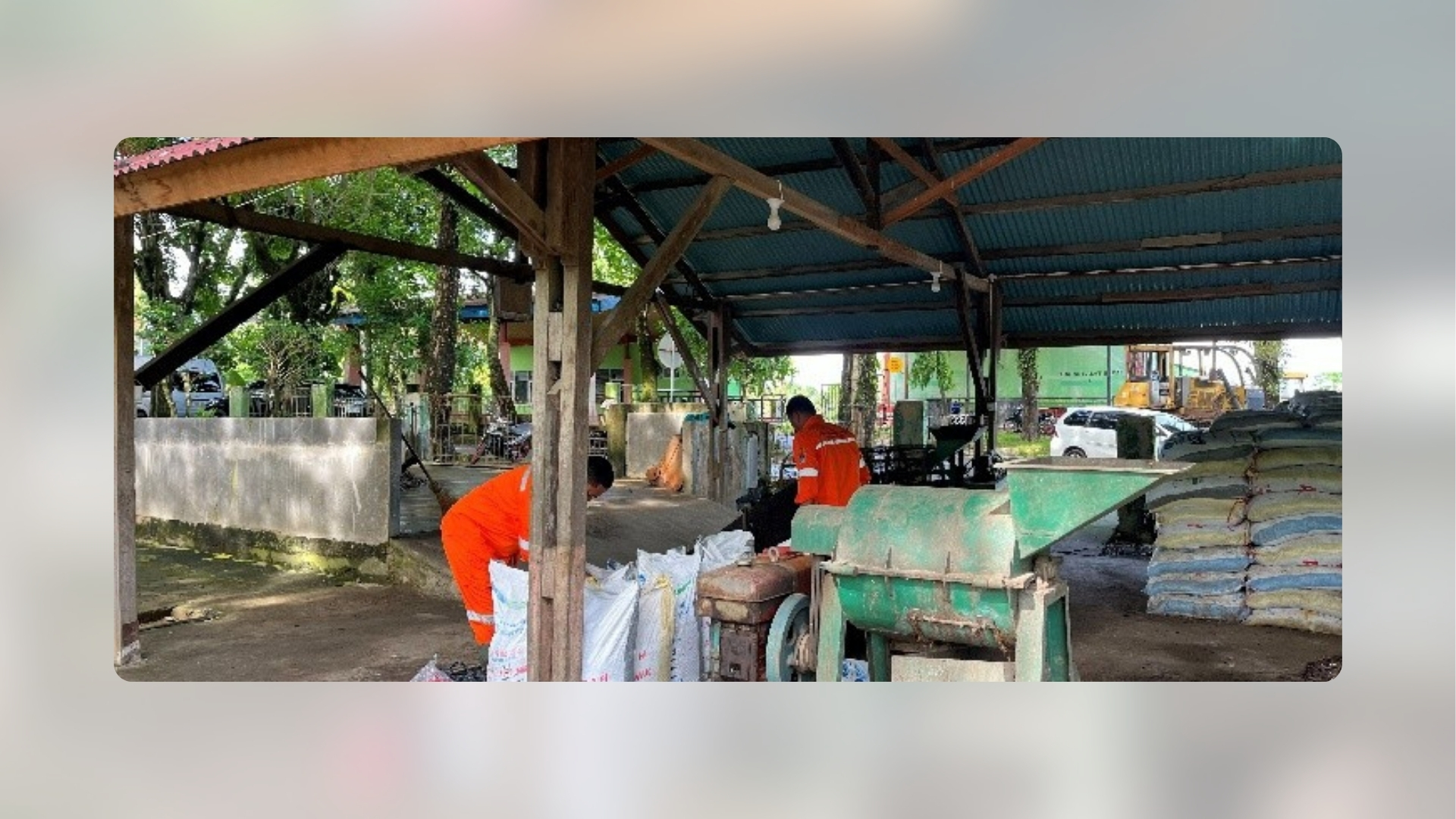
Padang City generates approximately 750 tonnes of municipal solid waste per day, placing significant pressure on the Aie Dingin Landfill, which is projected to reach capacity by 2026. The city has established Community-Based Waste Management Institutions (Lembaga Pengelola Sampah/LPS) and begun diverting waste from the landfill. However, limited source segregation and continued reliance on final disposal remain key challenges. Guided by Mayor Regulation No. 16 of 2024 on the Solid Waste Management Master Plan (Rencana Induk Pengelolaan Sampah/RIPS) 2024–2044, Padang City is therefore prioritising the development of an Integrated Resource Recovery Centre (IRRC) in Nanggalo District as a decentralised solution to strengthen resource recovery, reduce landfill dependency, and support the transition towards a more circular waste management system.
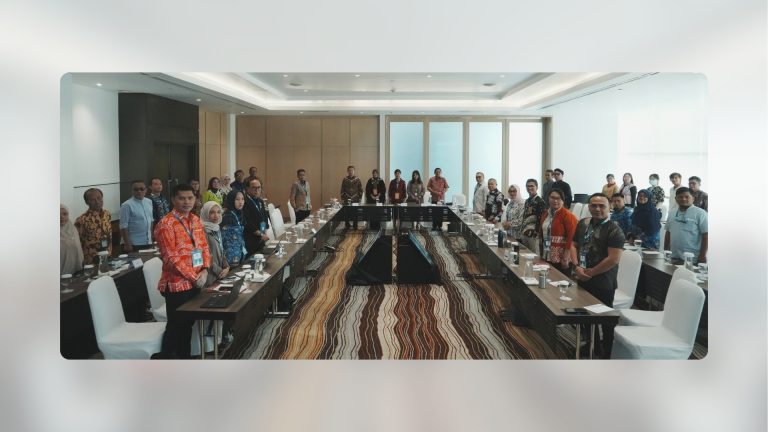
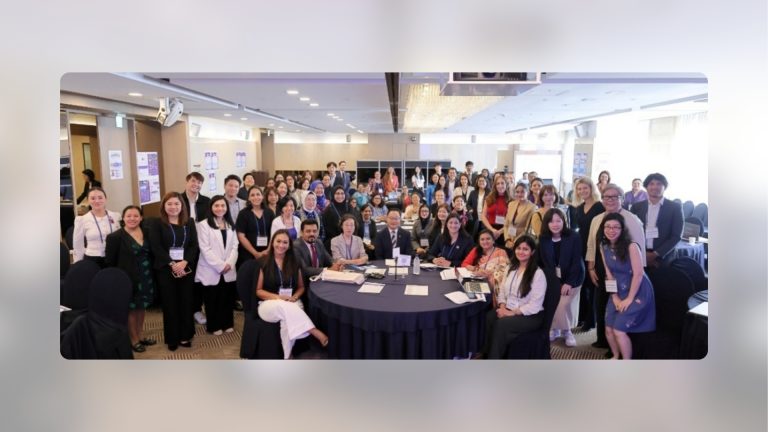
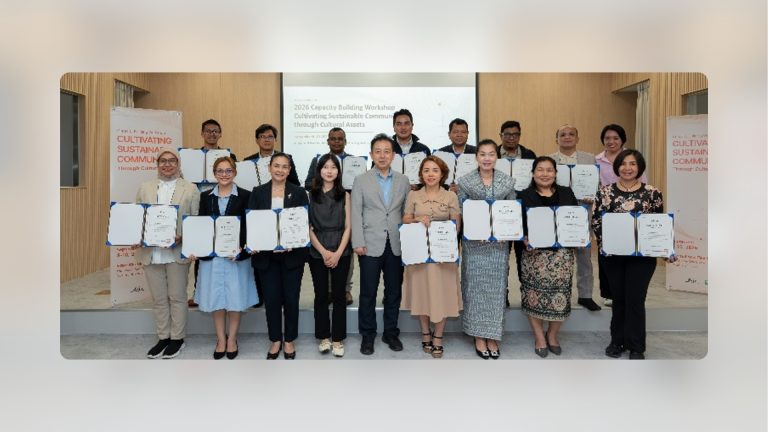
August 5-7, 2026 | UCLG ASPAC, under the Urban-Act Project, brought together cities, experts, and development partners for a landmark two-day Pairing, Learning and Knowledge Exchange programme, held from August 6 to 7, 2026, with support from the GIZ Indonesia and ASEAN. The programme centred on a bold and practical agenda: scaling up the development of an Integrated Resource Recovery Centre (IRRC) as part of Padang City’s broader efforts to build a low-emission, circular economy-based waste management system.
Participants included a diverse lineup of cities, all united by a shared commitment to sustainable waste management and climate action. The cities of Koh Samui and Chanthaburi (Thailand) were represented by Deputy Mayors, Ms. Supinya Srithongkul and Mr. Payap Somjainuk, respectively, while Jambi City (Indonesia) was represented by Vice Mayor, Mr. Diza Hazra Aljosha. Other participating cities from across Indonesia included Mataram, Bontang, North Minahasa Regency, Banyumas Regency, and Malang Regency. Kota Bharu (Malaysia) also joined the exchange.
The event began with a site visit to Community-Based Waste Management Institutions (Lembaga Pengelolaan Sampah/LPS) in Parupuk Tabing, followed by a visit to the Aie Dingin Landfill, giving participants an overview of waste management at the upstream level. The visits highlighted a key gap between upstream waste management and landfill disposal, particularly the need for stronger middle-stage management to recover, process, and utilise waste resources before they reach the landfill. To address this gap, Padang City is planning to develop an IRRC in Nanggalo District. The facility is expected to strengthen waste recovery and processing while connecting the upstream and downstream stages of the waste management system. The development of the IRRC represents an important step towards Padang City’s vision of moving beyond a linear collection-and-disposal model towards a more integrated, resource-efficient, and circular waste management system.
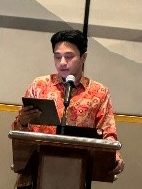
Participants also joined the “Padang Old Town International Symposium”, where Mr. Didi Aryadi, Assistant II for Economy and Development and Secretary of Padang City, delivered a presentation on the current state and practices of solid waste management in Padang City.
The next day, the session began with presentations from the Padang City Government and waste management stakeholders, providing further context on the city’s current waste management system and elaborating on the practices observed during the site visit. The presentations highlighted Padang’s vision for developing an IRRC as the missing middle layer between community-based waste management and final disposal, while experiences from LPS Parupuk Tabing demonstrated how source segregation, organic waste processing through maggot cultivation, and the recovery of recyclable materials can contribute to a circular economy approach.
The session continued to a gallery walk, providing participating cities with an interactive platform to share their experiences, practices, and approaches to solid waste management and resource recovery. Among the examples presented was Jambi City’s experience with source segregation and IRRC development, highlighting how its city-wide source segregation programme helps ensure a consistent supply of quality organic feedstock for IRRC operations. Jambi also shared its experience operating an IRRC that processes organic waste through sorting, shredding, anaerobic digestion, and biogas generation, demonstrating how resource recovery facilities can deliver environmental, economic, and community benefits.
The workshop highlighted that the successful development of Padang’s IRRC will depend not only on the facility and its technology, but also on the wider system supporting it. Key recommendations include strengthening waste segregation at source, ensuring a consistent supply of suitable waste feedstock, selecting technologies that are appropriate to the local context and operational capacity, establishing clear institutional and operational arrangements, and developing reliable markets or end uses for recovered materials and products. Lessons from participating cities, particularly on source segregation and organic waste recovery, demonstrated that IRRCs are most effective when they are connected to strong community-based waste management systems and supported by viable downstream value chains.
With the support of UCLG ASPAC, its partner cities, and the Urban-Act Project, Padang City is taking a decisive step towards a cleaner, greener, and more climate-resilient future. The Urban-Act Project is generously supported by the Federal Ministry for Economic Affairs and Climate Action of Germany through the International Climate Initiative (IKI), and implemented in partnership with GIZ, UNESCAP, TU Dortmund University, and the University of Stuttgart. The experience and commitment shared throughout the event demonstrate the value of regional collaboration, as cities learn from one another and move forward together towards more sustainable and circular urban waste management.
The Integrated Resource Recovery Centre (IRRC) is a facility based on an approach where a significant portion (80-90%) of waste can be processed in a cost effective way, in proximity to the source of generation, and in a decentralised manner. The IRRC concept is based on 3R principles. (unescap.org). It was first implemented by UCLG ASPAC and UNESCAP in collaboration with the Ministry of Environment in 2016. Two IRRCs were built in Jambi City and Malang Regency.
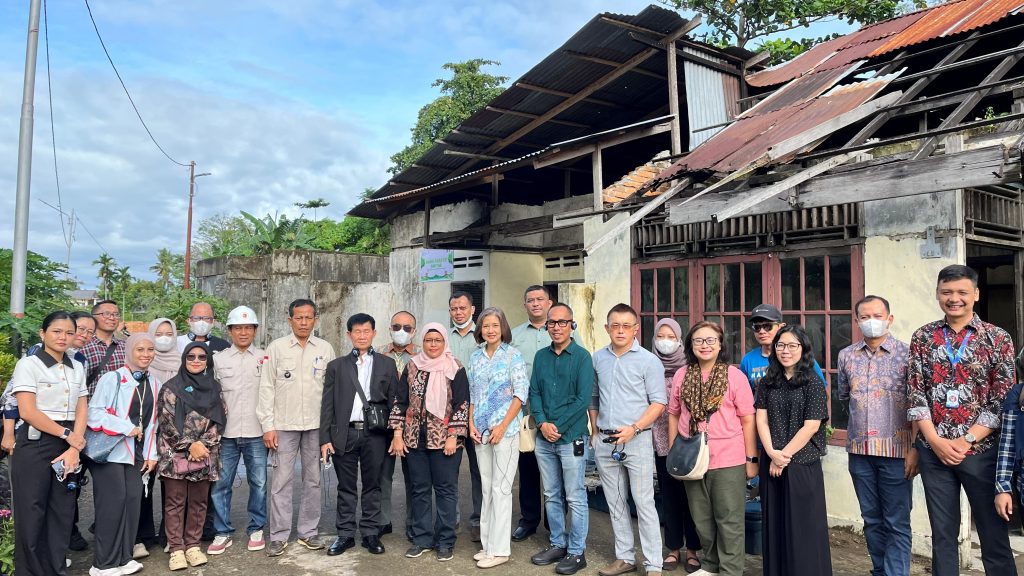
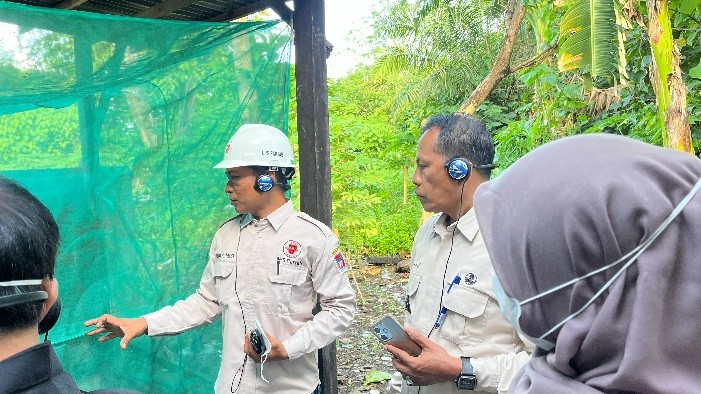
Site visit to LPS Parupuk Tabing. Participants pose for a group photo inside the LPS building (left), while the Head of LPS Parupuk Tabing and Coordinator of LPS in Padang explain the site’s maggot cultivation activities (right).
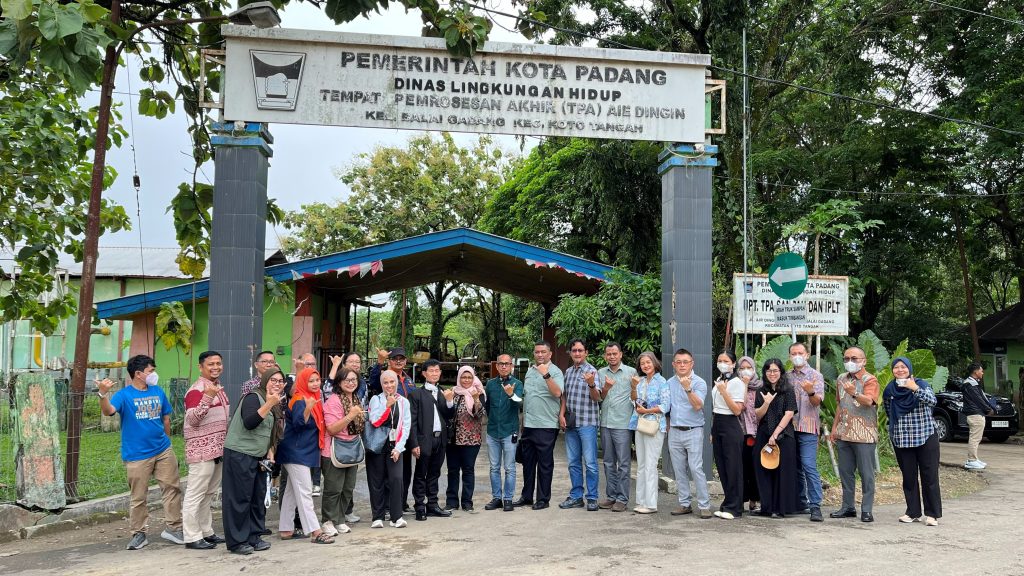
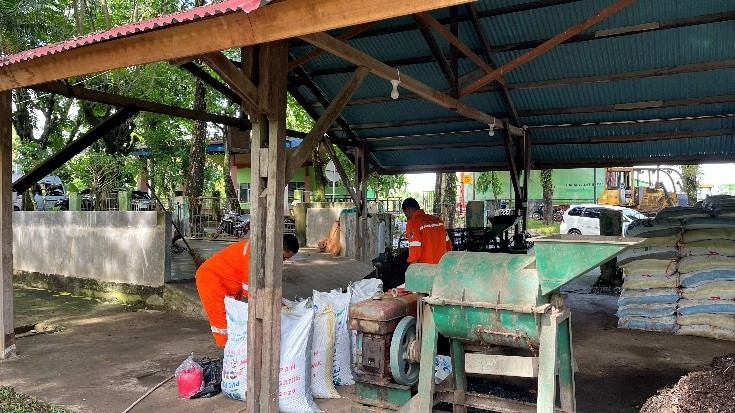
Site visit to Aie Dingin Landfill. The entrance gate of TPA Aie Dingin and the composting site.
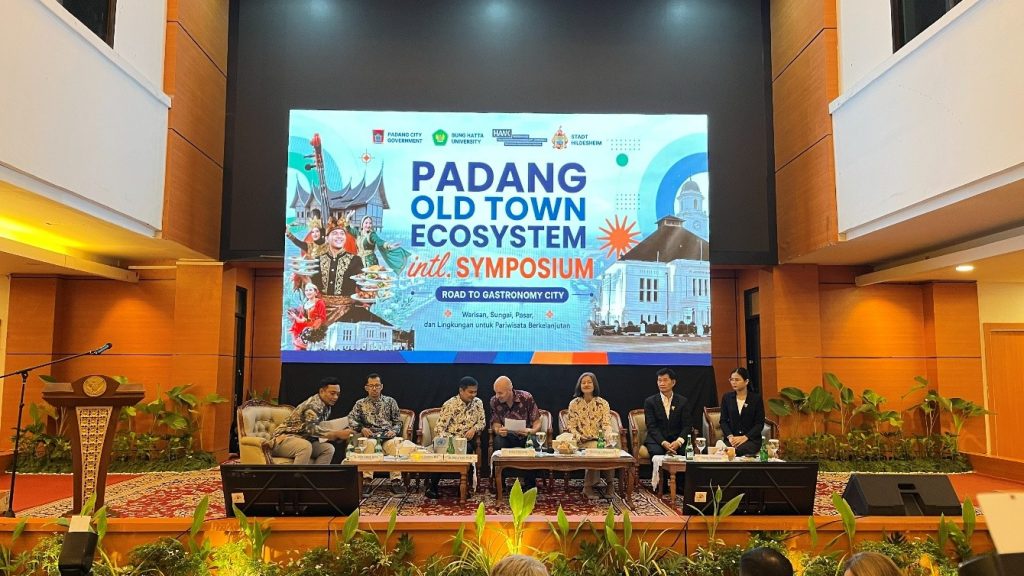
Padang Old Town Ecosystem International Symposium.
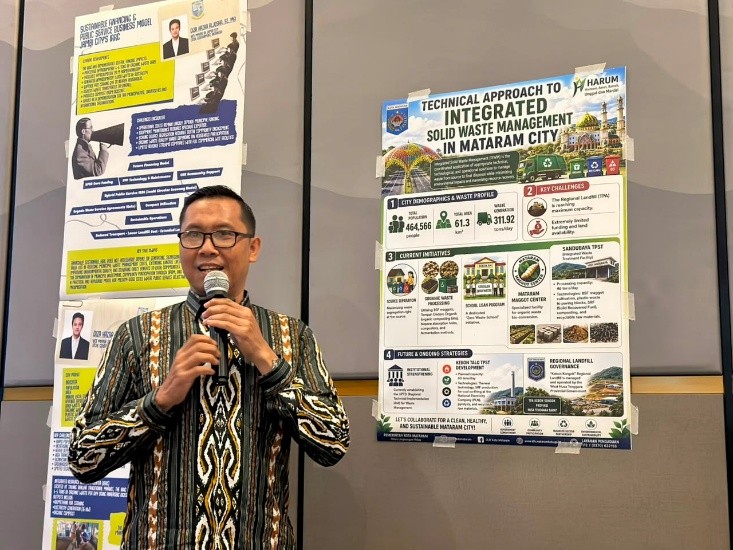
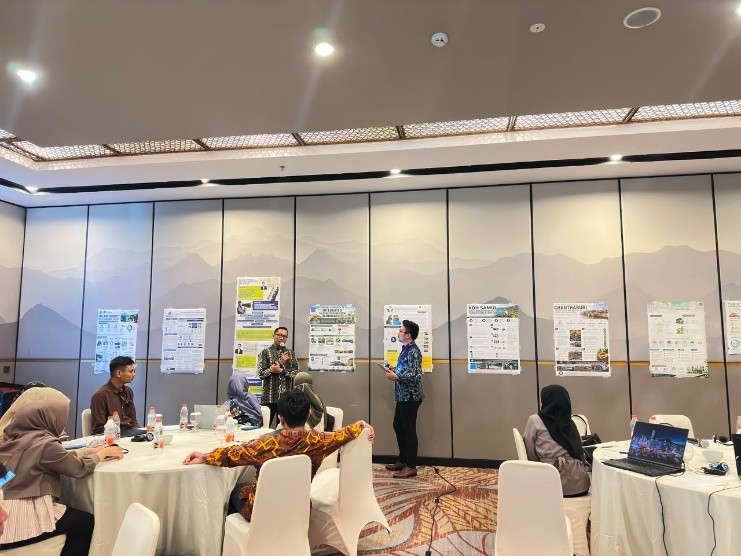
Gallery walk session. A representative from Mataram City shares the city’s approach to solid waste management with fellow participants.