

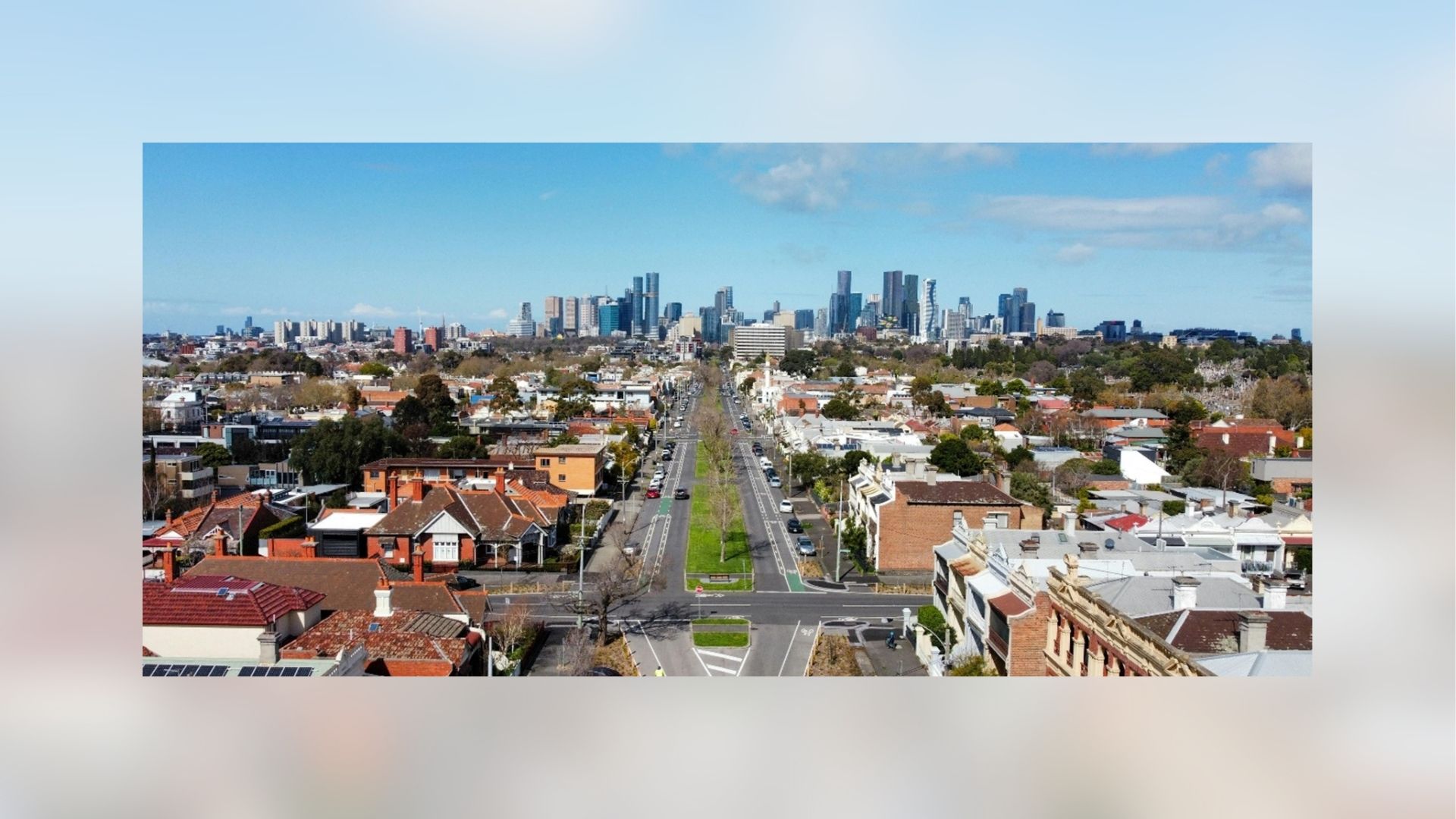
Melbourne is an example of a successful green transformation. Under the Grey-to-Green Project, Melbourne was turned green with trees that are famous all over the world. Melbourne comes to this stage by converting more than 80 hectares of “grey areas” into safe, accessible, diverse ‘green’ space for all to enjoy. Melbourne was also one of the first cities in the world to launch its Urban Forest Strategy in 2012 (2012-2032) with goals to create resilient landscapes, community health and wellbeing and a liveable, sustainable city.
Facts
- Features: reconfiguring sites owned or managed by the council (surplus road space, car parks, slip lanes, and maintenance depots);
- Converted more than 80 hectares of asphalt into diverse public spaces over 35 years;
- Developed 12 key projects (2018-2022) representing more than 28000m2 of new pedestrian and green space.
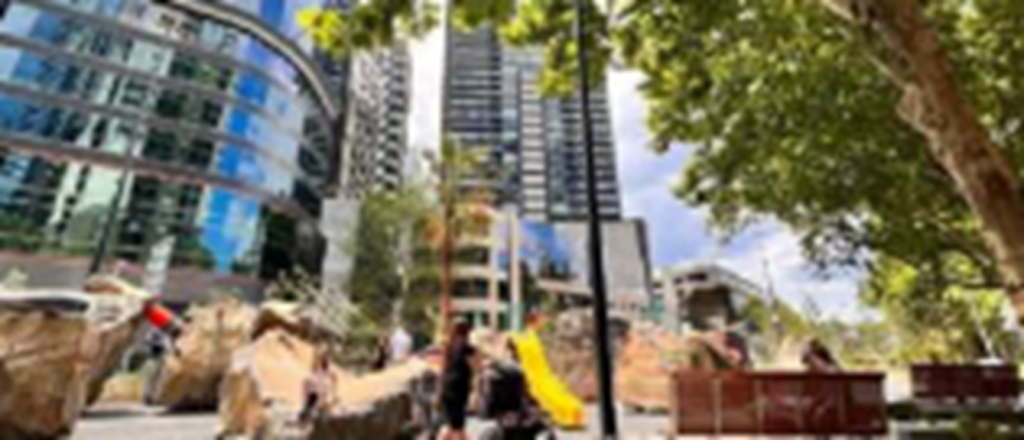
Southbank Boulevard Project
- Completed: 2022
- 2 Delivered 22,000m of new open space,
- 400 new trees, and climate-adaptive planting
Urban Forest Strategy
Vision: a healthy, resilient and diverse urban forest that contributes to the health and well-being of our communities, and to a liveable city that will create better urban environments for everyone.
Strategies
- Strategy 1: Increase canopy cover
Target: from 22% to 40% (by 2040). - Strategy 2: Increase urban forest diversity
Target: urban forest will be composed of no more than 5% of any tree species, no more than 10% of any genus and no more than 20% of any one family. - Strategy 3: Improve vegetation health
Target: 90% of the City of Melbourne’s tree population will be healthy by 2040. - Strategy 4: Improve soil moisture and water quality
Target: Soil moisture levels are maintained to provide healthy growth of vegetation. - Strategy 5: Improve urban ecology
Target: Protect and enhance a level of biodiversity that contributes to a healthy ecosystem.