


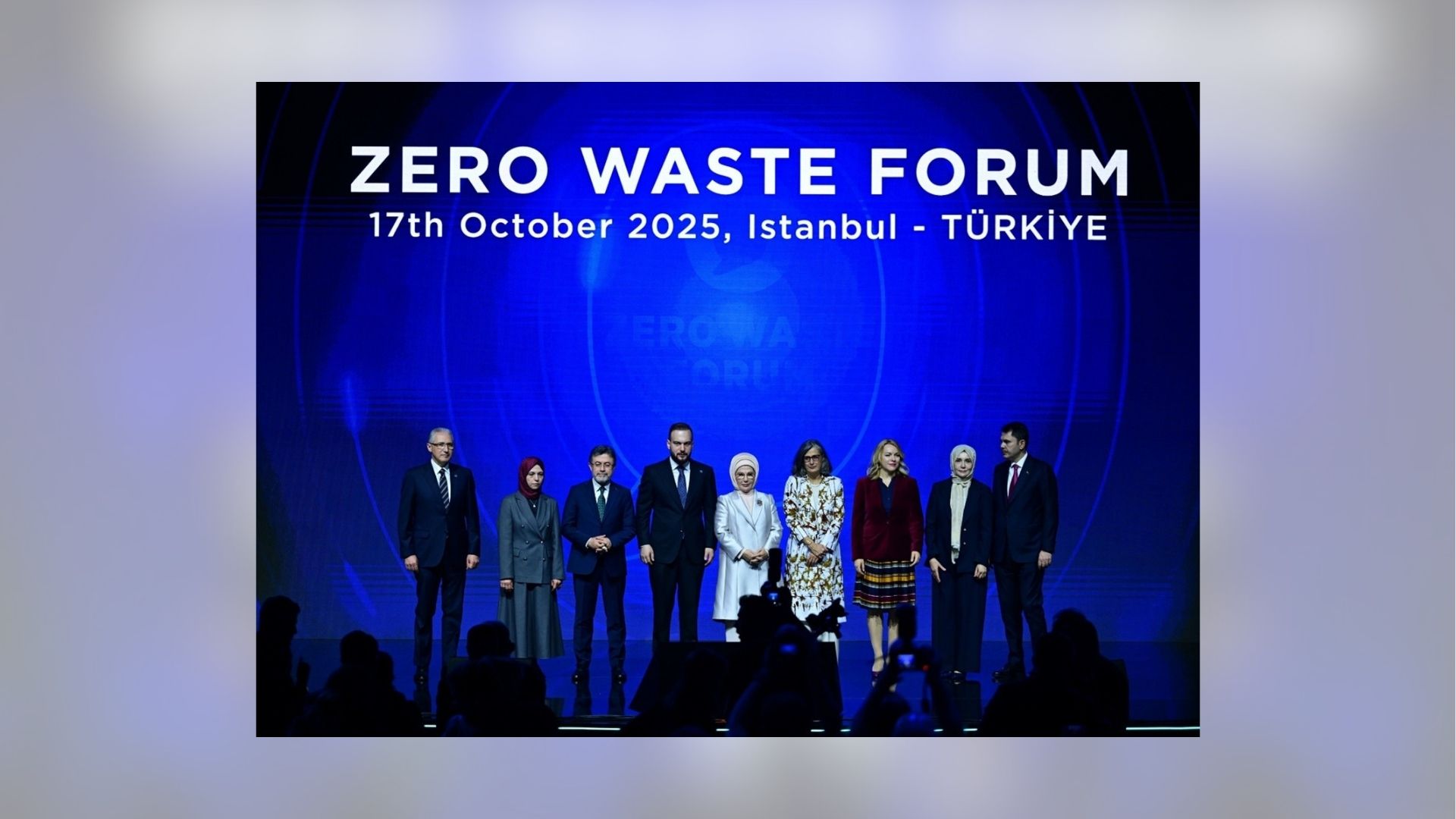
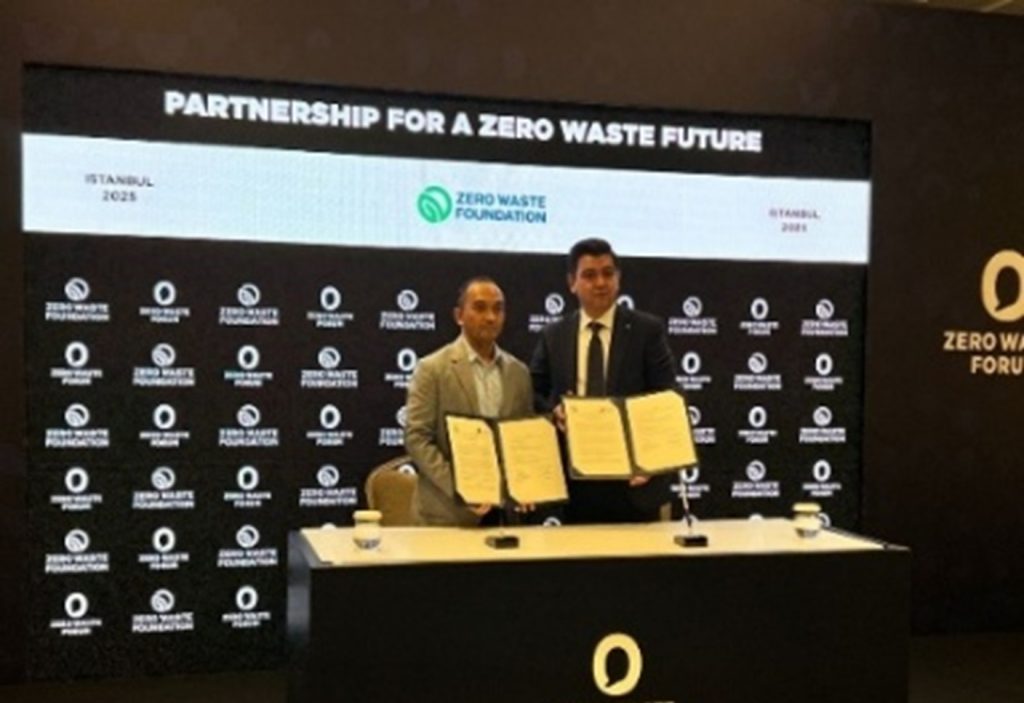
October 17-19, 2025 | Istanbul – UCLG ASPAC embraced the collaborative spirit in the first Zero Waste Forum held in Istanbul, an event created by the Zero Waste Foundation (ZWF) and the Turkish Ministry of Environment, Urbanisation, and Climate Change following the adoption of the UN resolution number A/RES/77/161: “Promoting zero-waste initiatives to advance the 2030 Agenda for Sustainable Development’’. ZWF seeks to align with and reinforce the goals of this UN resolution. Building on this momentum, UCLG ASPAC Secretariat signed the MoU with ZWF for technical cooperation in seven areas of mutual interest, including but not limited to: Policy and Advocacy, Capacity Building and Awareness, Pilot Projects and Exchange Programmes, Research and Innovation, Marine and Coastal Protection, Global Engagement and Joint Advocacy, and International Collaboration.
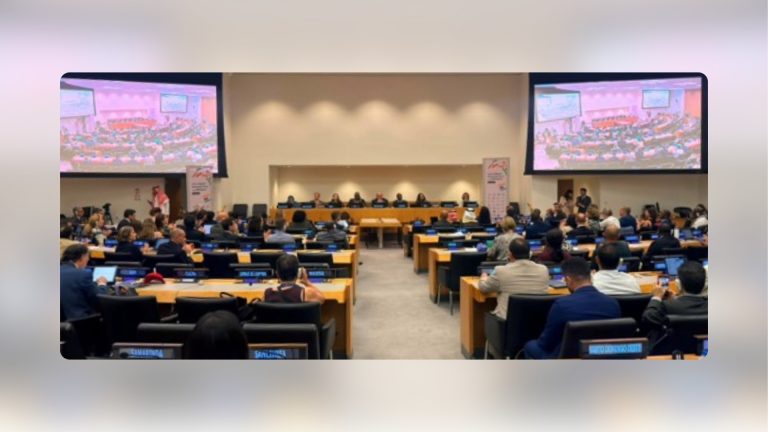
The Zero Waste Forum (ZWF) themes often focus on “People, Places, and Progress” to drive the global transition toward a circular economy. The event brought together policymakers, local leaders, entrepreneurs, civil society representatives, local government representatives, and United Nations agencies, from over 100 countries. The event was officially opened by Ms. Emine Erdoğan, First Lady of Türkiye and Honorary President of the Zero Waste Foundation, which set a tone rooted in tradition. She reminded us that in Anatolian households, “throwing away” was once an unfamiliar concept, and that reuse and repair were once simply how life worked. One of the clear messages from Istanbul: waste generation is ballooning, and the traditional “dispose” mindset won’t cut it.
At the forum, high-level participation included ministers, UN agencies, and city mayors emphasised that zero waste is part of their broader climate and sustainability agenda. The agenda included sessions on “Policy to Practice, Scaling Solutions, Mobilising Finance, and Building Alliances. The UN-HABITAT Executive Director, Ms. Ana-Claudia Rosbach delivered a keynote address on the alignment of global and local efforts, bridging national policies with municipal action to accelerate circular economy innovations so that zero waste becomes not an aspiration, but a standard for urban living.
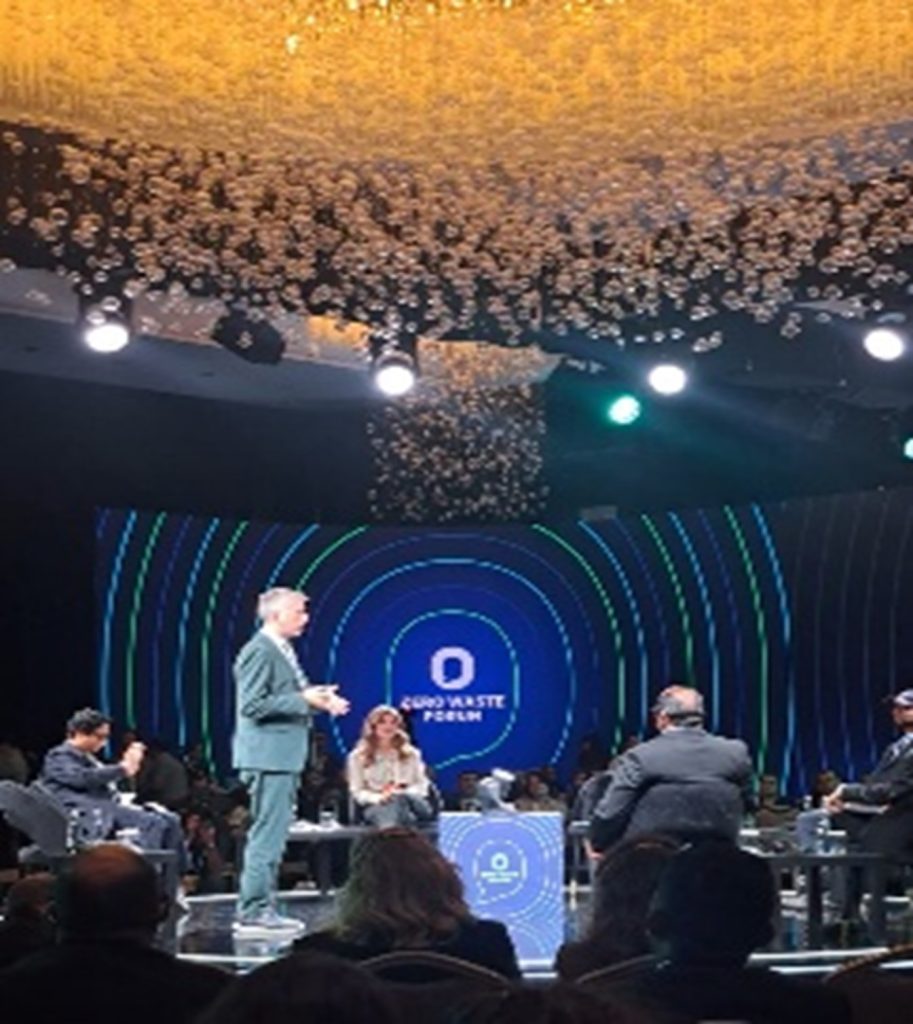
Case study from City of Tübingen, Germany presented by Mayor Boris Palmer (Fiscal incentives work where awareness was not with the community) with following points:
- Education campaigns, incentives, and voluntary measures failed to reduce single-use waste.
- The city introduced a € 0.50 tax on disposable cups and packaging.
- Faced multiple lawsuits from McDonald’s → won in the Federal Supreme Court, establishing legality.
- Results:
- 50% reduction in single-use takeaway items.
- 10x increase in reusable containers.
- Significant visible cleanliness improvement.
- € 600,000 net annual revenue that used for street cleaning.
Key message from Mayor Boris Palmer: “Forget relying on awareness alone; strong fiscal measures are necessary.”
The outcome of the Zero Waste Forum was a declaration (Istanbul Declaration) that was produced and adopted with the following key points:
- Global Vision and Roadmap
- The Declaration is presented as a new global roadmap for sustainability and zero-waste efforts.
- It aligns closely with the 2030 Sustainable Development Agenda, especially SDG 12 (Responsible Production and Consumption).
- It calls for a shift in the global production-consumption paradigm, emphasising resource efficiency, biodiversity protection, and minimising environmental impacts.
- Zero Waste as a Transformative Lifestyle
- The declaration frames “zero waste” not merely as a policy issue, but as a way of life: a transformation in how people relate to consumption, waste, and nature.
- It draws on several international agreements, such as the Paris Agreement, the Basel Convention, the Convention on Biological Diversity, and the New Urban Agenda, to root its commitments in established global frameworks.
- Strategic Priorities & Institutional Commitments
- Strategic momentum: The declaration calls for preserving strategic momentum on zero-waste initiatives globally.
- Institutional knowledge: Strengthening institutional capacity, sharing best practices, and building expertise are central.
- Inclusive participation: Emphasises the role of women, youth, and marginalised communities in the zero-waste transition.
- Green technology & circular economy: Supporting and scaling reuse, recycling, and circular economy solutions is a priority.
- Governance, Finance & Cooperation
- Calls for international cooperation (between governments, UN bodies, civil society, private sector) to accelerate zero-waste solutions.
- Encourages multilateral institutions (e.g., UN, World Bank) to provide technical and financial support for local zero-waste initiatives.
- Stresses the establishment of National Focal Points to coordinate zero-waste policy implementation.
- Urban & Climate Action
- Underlines zero waste as integral to urban sustainability and climate action: linking it with NDCs (Nationally Determined Contributions) and city-level climate programs.
- Promotes participation in the UN-Habitat “Waste Wise Cities” initiative.
- Monitoring, Reporting & Legacy
- The Declaration is explicitly tied to the 2026 UN Zero Waste Report by Secretary-General António Guterres, meaning it is intended to directly inform the UN’s global waste agenda.
- It commits to transparency and accountability through reporting and regular tracking of zero-waste policies and their implementation.