




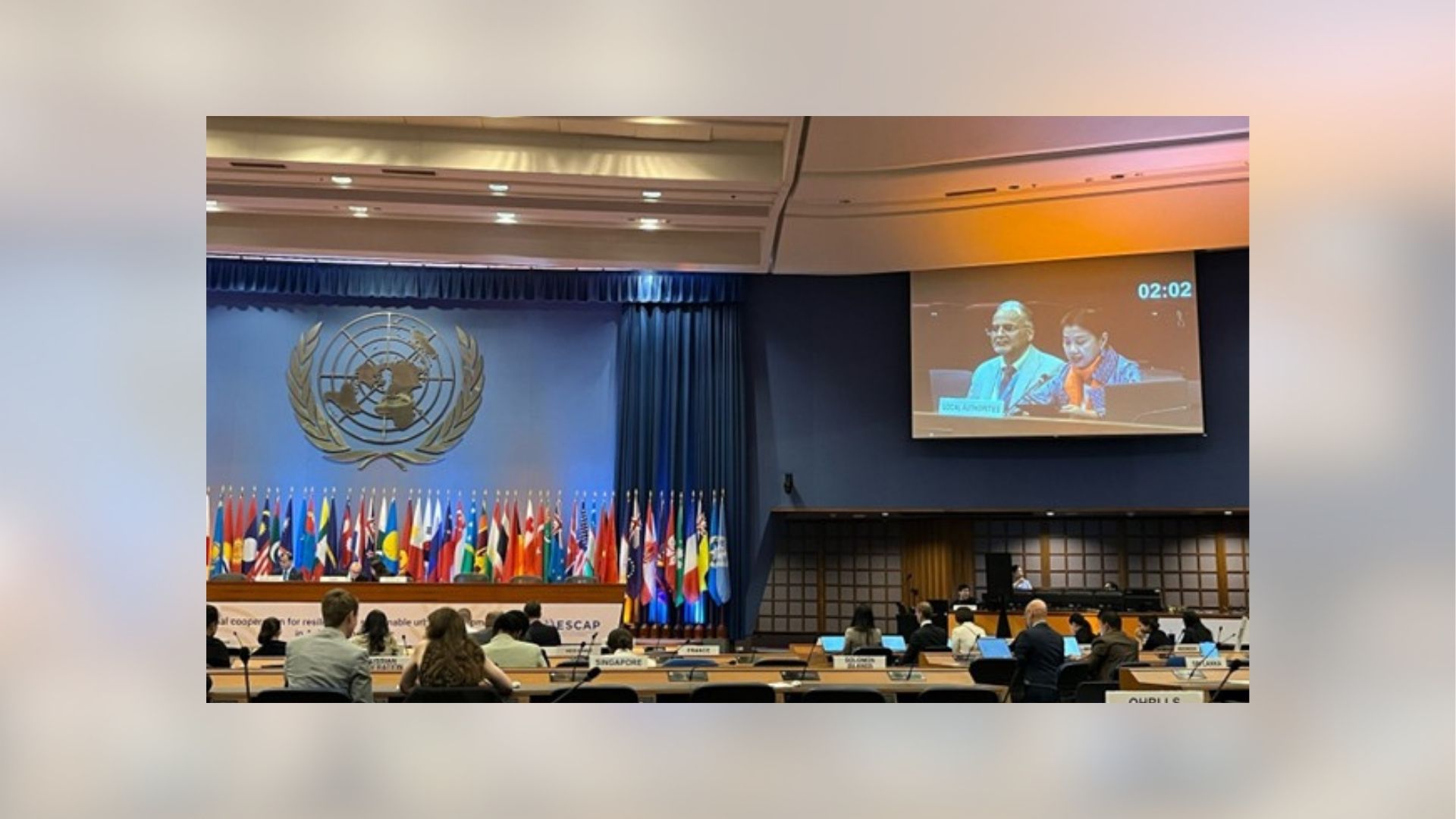
April 21-25, 2025 | UCLG ASPAC strongly advocated at the 81st Commission Session of the Economic and Social Commission for Asia and the Pacific (ESCAP) in Bangkok, Thailand, on April 21-25, 2025. The theme, “Regional cooperation for resilient and sustainable urban development in Asia and the Pacific,” spotlighted the crucial role of local authorities.
The theme was tackled under Agenda Item 3 of the Commission Session. Under this agenda, it was announced that the 9th Asia-Pacific Urban Forum (APUF), the largest multi-stakeholder on urban development organised by ESCAP, will be hosted by the City of Yokohama in late August/early September 2027. The theme study, which UCLG ASPAC provided expert review, recommended the following actions: (1) enhance regional cooperation for resilient and sustainable urban development; (2) adopt integrated national urban policies to bolster multilevel governance; (3) strengthen subnational and local data collection and reporting to promote evidence-based urban policies; (4) plan for urban demographic changes with strengthened spatial planning and inclusive social policies; and (5) pursue a diversified and innovative approach to urban financing.
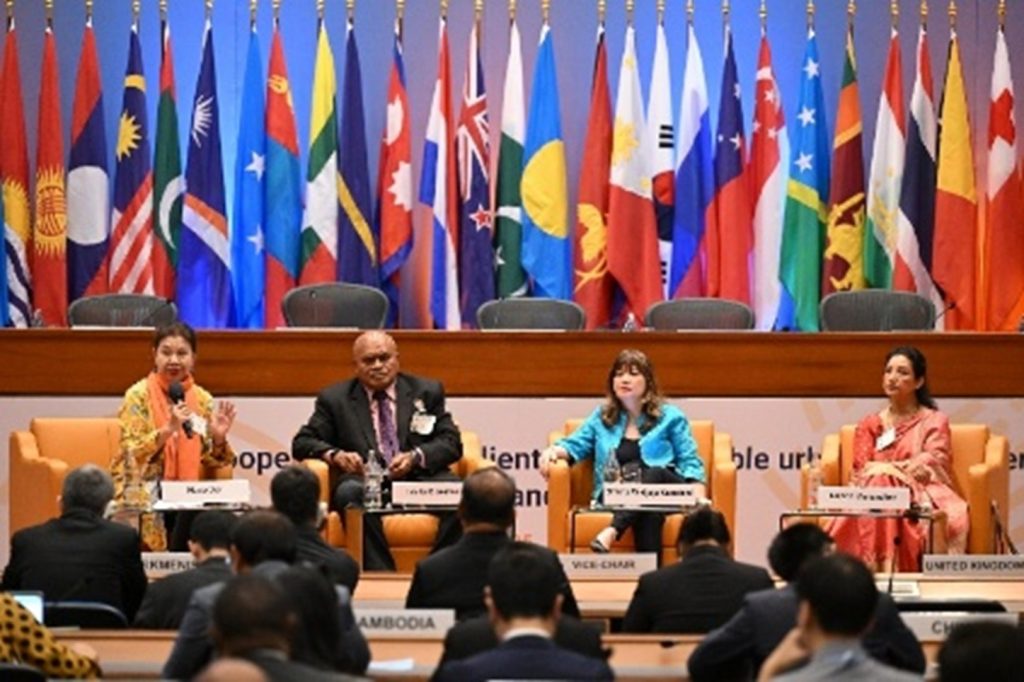
Dr. Bernadia Irawati Tjandradewi, Secretary General of UCLG ASPAC, moderated the roundtable discussion on the theme. Mr. Tevita Boseiwaqa, Chairman of Suva City Council, shared how their Voluntary Local Review (VLR) used a community-centred approach, captured an action-oriented roadmap, and considered the cultural context. Ms. Shinta Widjaja Kamdani, Chair of the ESCAP Sustainable Business Network (ESBN), indicated the need to be inclusive as 90% of businesses in the Asia-Pacific region are small and medium enterprises (SMEs). Ms. Lajana Manandhar, Coordinator of the Asian Coalition for Housing Rights (ACHR), explained the role of civil society organisations in bringing communities and governments closer and finding innovative solutions.
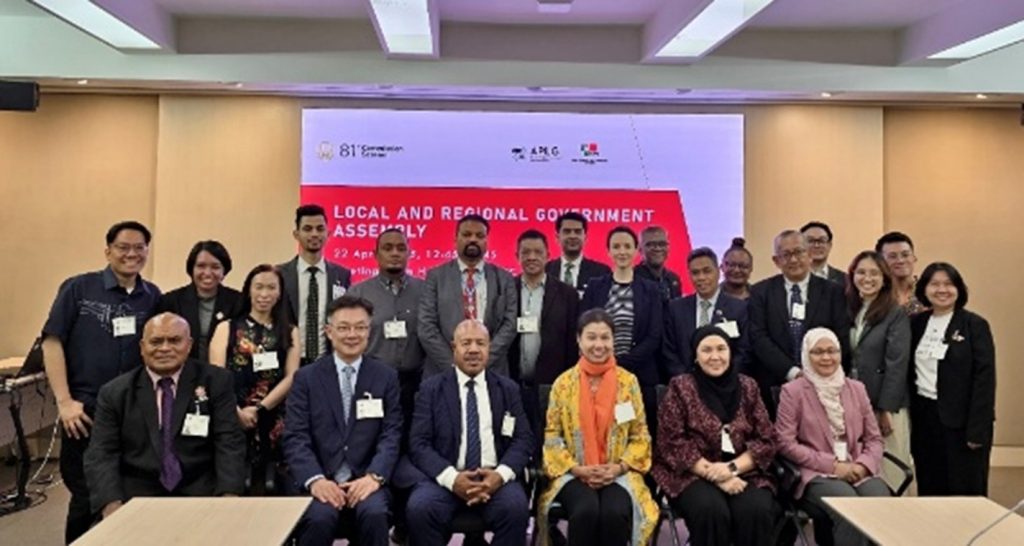
The Asia-Pacific Local Government Coordinating Body (APLG), through UCLG ASPAC, organised the Local and Regional Government Assembly which adopted the Joint Statement of Local and Regional Governments (LRGs) to the Commission Session.
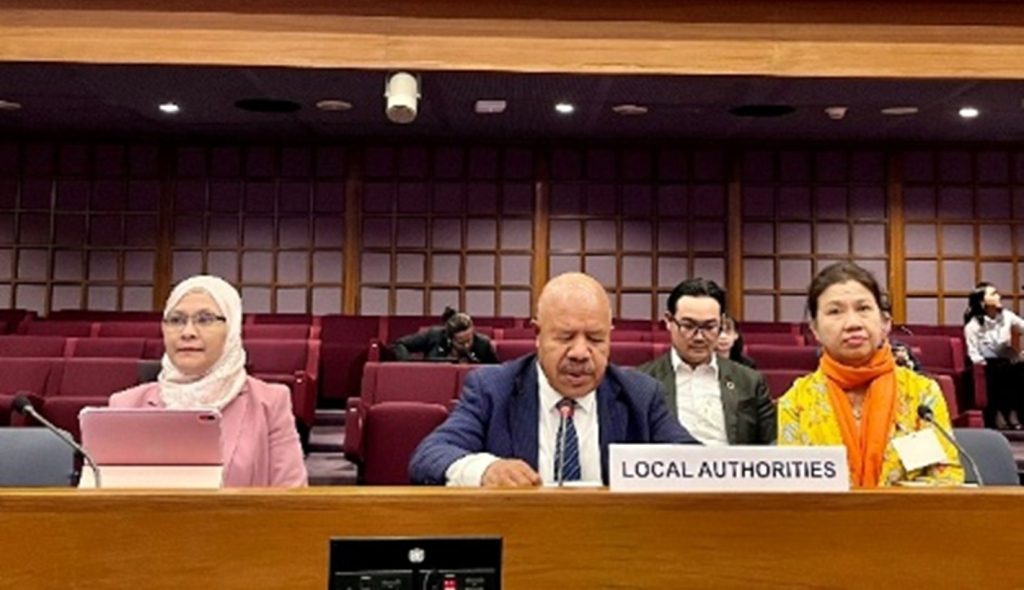
The statement on behalf of APLG highlighted the need to involve LRGs in localising the recommendations of the theme study, encouraged the establishment of regional peer-learning on the VLR and Voluntary Subnational Review (VSR), advocated the replication of Sustainable Development Goal (SDG) 11 roadmaps, urged the development of national multilevel governance frameworks on the nationally determined contributions (NDCs) ensuring roles, funding and representation for LRGs, and called for direct access windows to LRGs in climate and development financing systems. The Joint Statement of LRGs was delivered by Mr. Powes Parkop, Governor of Port Moresby, in the plenary session.
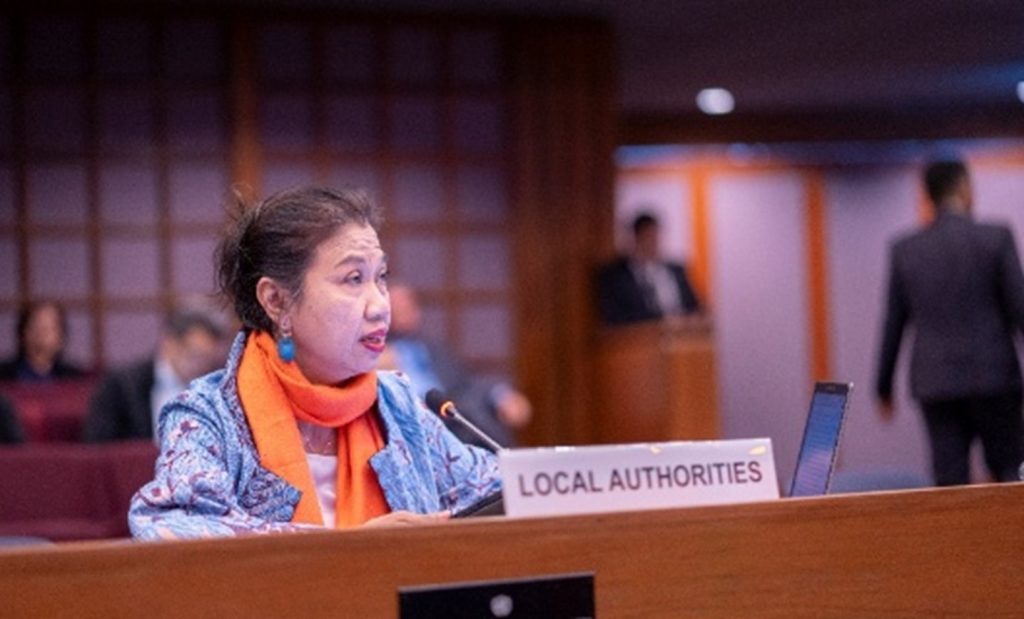
“Empowered cities are the foundation of resilient and sustainable nations.” Dr. Tjandradewi underscored the necessity of providing an enabling environment for LRGs during the second statement on behalf of the local governments in the plenary session.
UCLG ASPAC co-organised four side events including “Enabling environment on environmental and climate change governance”, “Best Practices and Facilitated Discussion Empowering City Leaders on Disaster Risk Reduction and Access to Climate Finance”, “Disinformation in the City: Local and Multi-level response”, and “Building resilient cities and communities in climate displacement settings: Regional learnings and avenues for cooperation”. Initiatives from cities under the Climate Resilient and Inclusive Cities (CRIC) project and Urban-Act project were also featured in UCLG ASPAC’s booth at the Urban Innovations Fair.
Photo credit: ESCAP and UCLG ASPAC Documentation