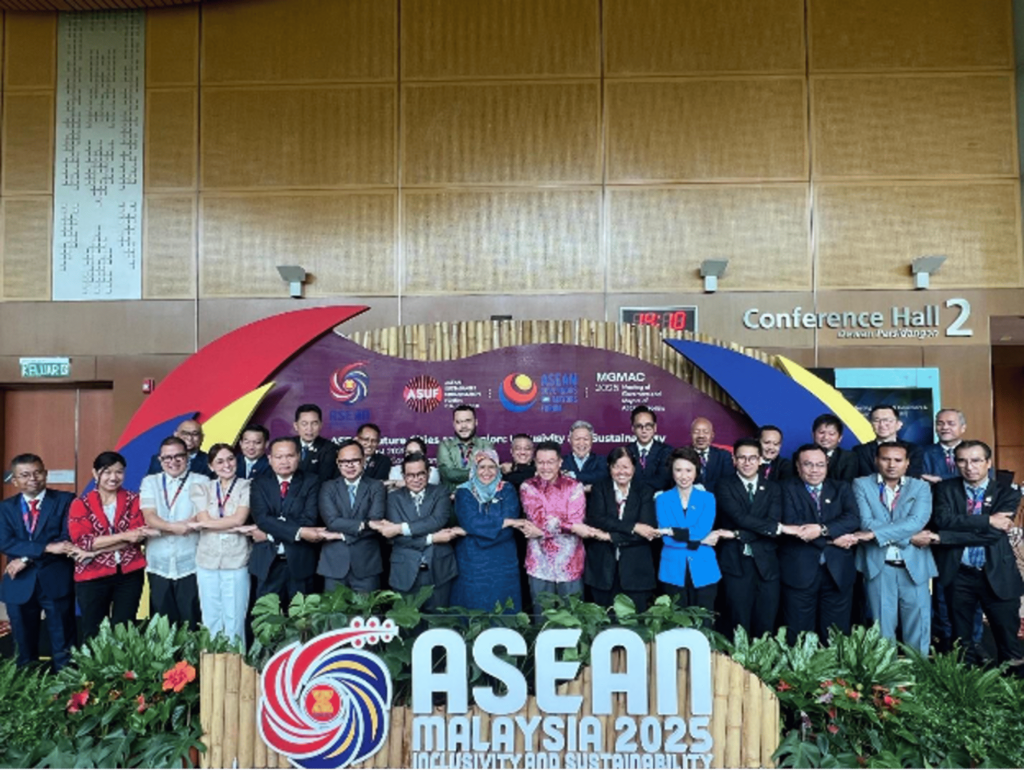
ASEAN Governors and Mayors forum 2025: Advancing Inclusivity and Sustainability in ASEAN Cities
Kuala Lumpur, 12–14 August 2025 | The ASEAN Governors and Mayors Forum (AGMF) 2025 gathered city leaders, policymakers, and experts from across the region to discuss the future of ASEAN’s cities under the theme “ASEAN Future Cities and Regions: Inclusivity and Sustainability.” Held alongside the ASEAN Sustainable Urbanisation Forum (ASUF) and the Meeting of Governors and Mayors of ASEAN Capitals (MGMAC), the Forum highlighted the central role of local governments in shaping ASEAN’s vision for 2045.
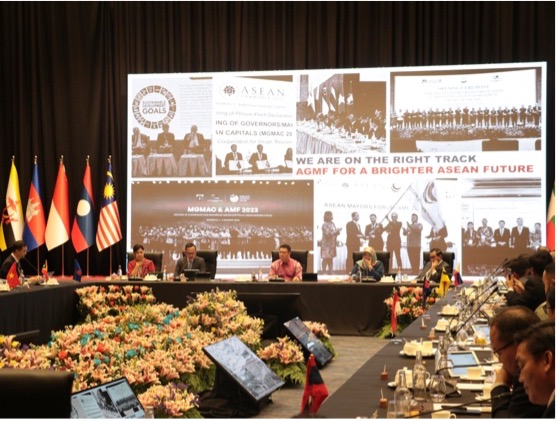
The opening session set a collaborative tone for the Forum, with leaders calling for bold actions and innovative solutions. YB Nga Kor Ming, Malaysia’s Minister of Housing and Local Government, opened the discussions by stressing the urgent need to balance economic growth with sustainability, urging cities to develop innovative approaches to challenges such as affordable housing, low-carbon transport, and smart waste management.
Building on this, Jakarta’s Governor Pramono Anung underscored the importance of data-driven policymaking, noting that evidence-based decisions are key to creating sustainable and effective solutions for cities.
Continuing the dialogue, Dato’ Seri Maimunah Mohd Sharif, Mayor of Kuala Lumpur, presented the key outcomes of the MGMAC meeting, where ASEAN city leaders committed to climate action, waste reduction, and affordable housing initiatives, aligning local actions with ASEAN’s broader regional aspirations.
Adding to these priorities, Dr. Bima Arya, Indonesia’s Vice Minister of Home Affairs, emphasised the critical role of AGMF as a platform for translating ASEAN’s long-term ambitions into concrete city-level policies. He highlighted the importance of fostering innovation, strengthening resilience, and empowering local governments to drive sustainable urban development across the region.
Turning Vision 2045 into Local Action
This year’s Forum placed a strong emphasis on transforming the ASEAN Community Vision 2045 into practical actions at the city level. Discussions began by revisiting the outcomes of the 2024 Forum in Vientiane, where the Vientiane Declaration called for stronger institutional support and greater participation of local governments in ASEAN’s policymaking processes.
Building on this momentum, Governor Jose Enrique Miraflores of Aklan outlined five key priorities to accelerate localisation: increasing local government participation in ASEAN policy development, creating enabling environments for implementation, strengthening inclusive governance, promoting a stronger ASEAN identity, and leveraging local data to support evidence-based decision-making.
Lessons and Innovations from ASEAN Cities
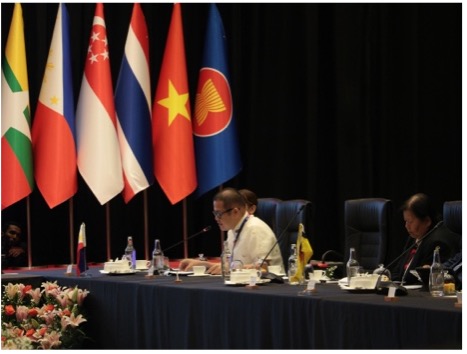
One of AGMF 2025’s highlights was the showcase of innovative practices from cities across the region. Singapore presented its roadmap towards net-zero emissions and regional renewable energy cooperation. From Lao PDR, Pakse shared its flood-resilience strategies, while Nong Khai, Thailand, highlighted its ambition to become a sustainable smart city.
Other cities offered equally inspiring insights. Kuching North introduced its circular economy model, Banda Aceh presented its digital transformation plan, and cities like Padang, Ha Noi, Baguio, and Medan, Gorontalo, and Palu showcased initiatives in waste management, the green transitions, and smart governance. Together, these innovations underscored the growing role of cities as drivers of scalable and practical solutions across ASEAN.
The Kuala Lumpur Sustainable Declaration 2025
A major milestone of the Forum was the adoption of the Kuala Lumpur Sustainable Declaration on Localising ASEAN Community Vision 2045. Building upon the Vientiane Declaration, this new framework places local governments at the heart of ASEAN’s inclusive, climate-resilient, and sustainable development agenda.
The Declaration commits ASEAN to empower subnational governments, strengthen institutional frameworks, and foster collaborative platforms for policy dialogues and joint actions. It also places a strong emphasis on prioritising vulnerable groups, women, youth, and marginalised communities in shaping sustainable urban solutions.
Looking Ahead
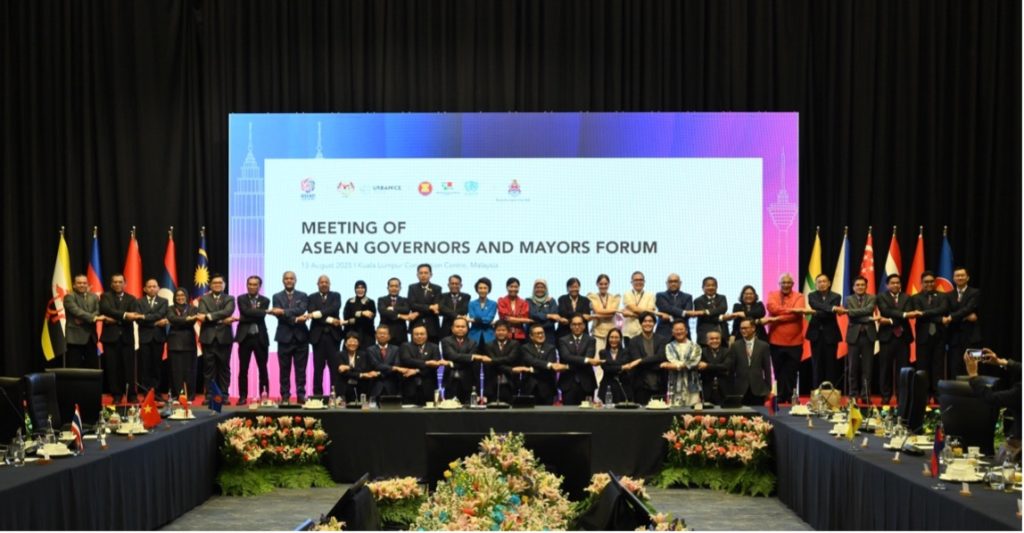
AGMF 2025 delivered key institutional outcomes that will shape the Forum’s future. It was announced that AGMF 2026 will be hosted in Manila, Philippines, coinciding with the country’s ASEAN Chairmanship, ensuring continuity in advancing the regional dialogue on urban development.
In a landmark decision, Dato’ Seri Maimunah Mohd Sharif was appointed as the Special Envoy on ASEAN Cities and Local Government, representing local governments in regional and global arenas, advocating for city-level perspectives in policy frameworks, and mobilising resources for collaborative projects.
Closing the Forum, Mayor Maimunah expressed her gratitude and reaffirmed her commitment to driving action-oriented initiatives. Dr. Bernadia Irawati Tjandradewi, Secretary General of UCLG ASPAC, praised Malaysia’s leadership and highlighted the importance of legacy projects and the innovative practices showcased during the Forum.
AGMF 2025 closed with a shared understanding that the future of ASEAN’s sustainability lies in the strength of its cities. Through stronger collaboration, empowered local leadership, and continuous innovation, the Forum laid the groundwork for realising the ASEAN Community Vision 2045, a prosperous, inclusive, and resilient future, with cities leading the way.