ASEAN Circular Economy in Practice: How Bukit Tagar Enviro Park Turns Waste into Value
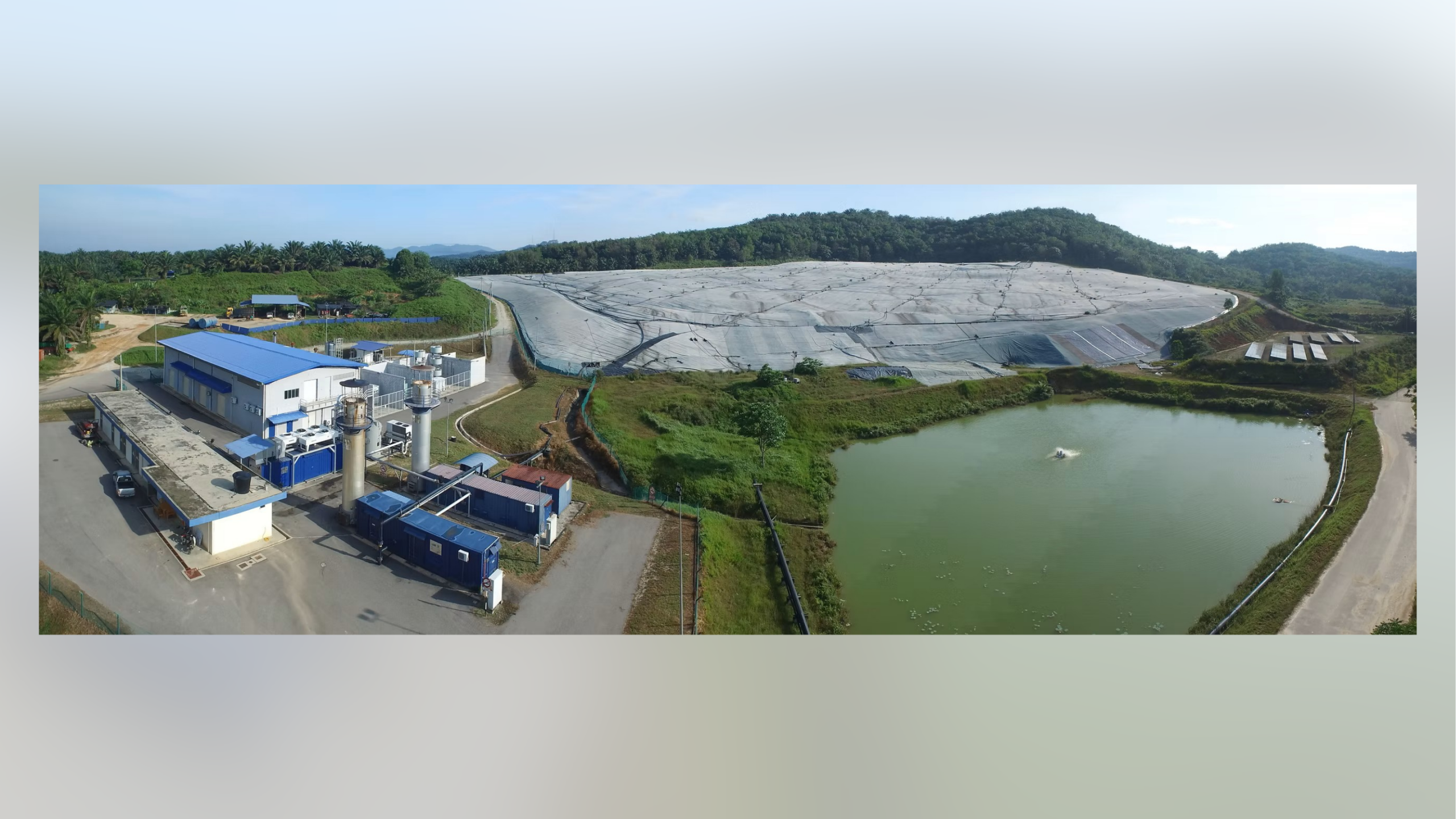
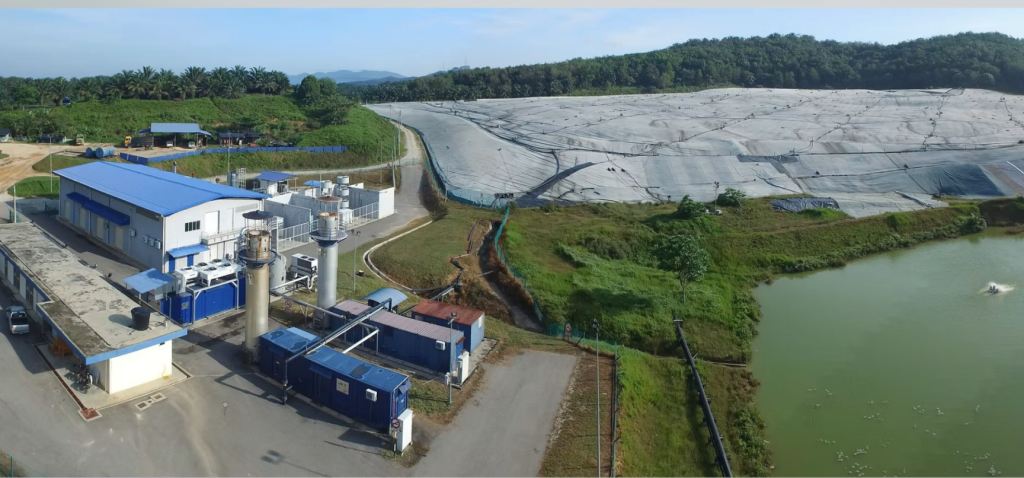
Bukit Tagar Enviro Park (BTEP), located in Hulu Selangor, is more than just a landfill—it’s a working example of how waste can be transformed into a valuable resource. Widely recognised for its innovative approach, BTEP highlights what’s possible when national and local governments collaborate closely with the private sector to tackle one of the most urgent challenges in fast-growing cities: waste management.
Originally initiated by Malaysia’s Ministry of Housing and Local Government, the project also supports the long-term sustainability ambitions of Dewan Bandaraya Kuala Lumpur (DBKL) and other local authorities aiming for carbon neutrality by 2050. Since 2011, the site has been developed and operated by Berjaya Enviroparks Sdn Bhd.
From Landfill to Resource Hub
BTEP is a fully engineered Level IV sanitary landfill designed with strict environmental safeguards to ensure no untreated contaminants escape into the surrounding ecosystem. Spanning 659 acres and buffered by an additional 1,000 acres of protected land, the site is carefully planned to keep nearby communities at a safe distance.
Rather than serving as a final dumping ground, BTEP was designed as an integrated facility where waste is processed, recovered, and reused. This shift reflects a broader move toward circular economy principles—where materials are kept in use for as long as possible. Built to handle around 3,000 tons of waste daily (with potential to double capacity), BTEP primarily receives waste from Kuala Lumpur and nearby areas such as Selayang and Hulu Selangor. Its real strength, however, lies in how it extracts value from that waste.
Turning Waste into Energy and Materials
At the heart of BTEP’s operations is its 12 MW landfill gas-to-energy facility—the largest of its kind in Malaysia. By capturing methane, a potent greenhouse gas, the system both reduces emissions and converts the gas into electricity.
Since its launch, the facility has generated over 339 million kWh of energy for the national grid, creating an estimated annual revenue of RM25 million. This contributes directly to Malaysia’s renewable energy goals, including its target of reaching 40% renewable capacity by 2035. The project is also registered under the Clean Development Mechanism, with verified emission reductions of 2.7 million tons of CO₂ equivalent.
Beyond energy, BTEP also handles hazardous industrial waste through advanced co-processing technologies. These processes convert waste into Alternative Raw Materials (ARM) and Alternative Fuels (AF), which are then reused in industries like cement production. This reduces reliance on raw materials and fossil fuels, while ensuring hazardous waste is safely managed.
Strong Environmental Safeguards
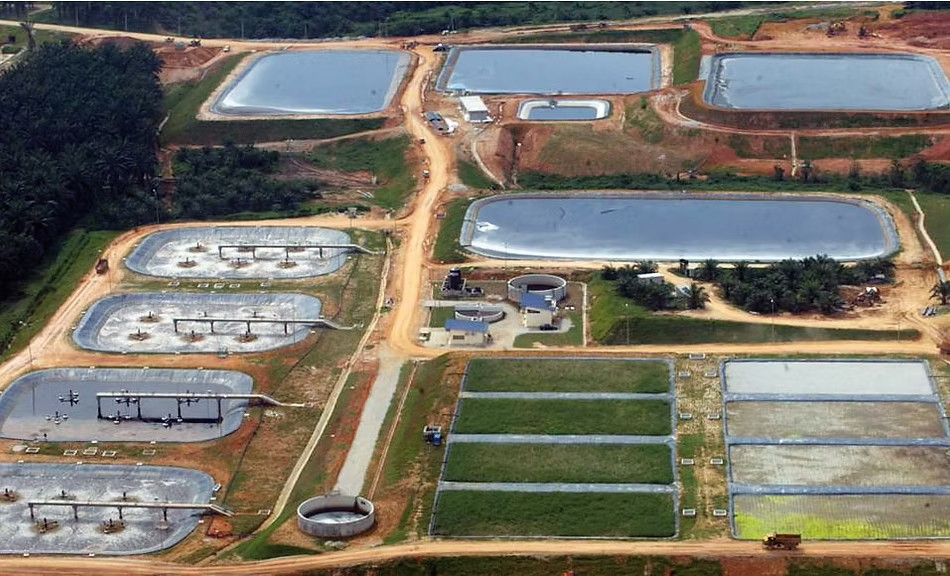
Source: Berjaya EnviroParks Sdn Bhd. (n.d.) Leachate treatment plant [Photograph]. Retrieved September 16, 2025, from https://www.berjayaenviroparks.com.my/landfill-management
Environmental protection is built into every part of BTEP’s operations. One key example is its leachate treatment system. Leachate, liquid that forms when waste breaks down, can pose serious environmental risks if not properly managed. At BTEP, this liquid undergoes multiple stages of treatment before being safely discharged or reused. The long-term goal is to achieve zero discharge, meaning all treated water is recycled within the facility. This approach not only prevents pollution but also promotes water conservation.
Recognition and Impact
BTEP’s efforts have not gone unnoticed. The facility has received multiple awards, including recognition from the Waste Management Association of Malaysia and the Institution of Engineers Malaysia, as well as regional accolades such as the Singapore Environmental Achievement Award.
BTEP shows how modern landfill systems can go far beyond waste disposal. By combining engineering, innovation, and sustainability, it demonstrates that waste can become a source of energy, materials, and economic value. As cities across Malaysia and the wider Asia-Pacific region continue to grapple with increasing waste, BTEP offers a compelling model. It proves that with the right approach, landfills can evolve into platforms for resource recovery, climate action, and circular economy development—turning a growing problem into part of the solution
More information about BTEP’s operational process is available on its official website: https://www.berjayaenviroparks.com.my.
Sources:
Sustainable Energy Development Authority (SEDA) Malaysia. (2021). Malaysia
Renewable Energy Roadmap (MyRER). Putrajaya: SEDA.
Berjaya Enviro Parks. (n.d.). Bukit Tagar Enviro Park. Retrieved September 16, 2025, from https://www.berjayaenviroparks.com.my/
Bernama. (2024, March 22). Bukit Tagar Enviro Park generates RM25 mln annual revenue from renewable energy. Bernama. Retrieved from https://bernama.com/en/news.php?id=2227366
malasyiakini.(2025, March 3). Bukit Tagar Enviro Park: Selangor’s Waste-to-Energy Hub for Sustainability. Retrieved from https://m.malaysiakini.com/announcement/734825